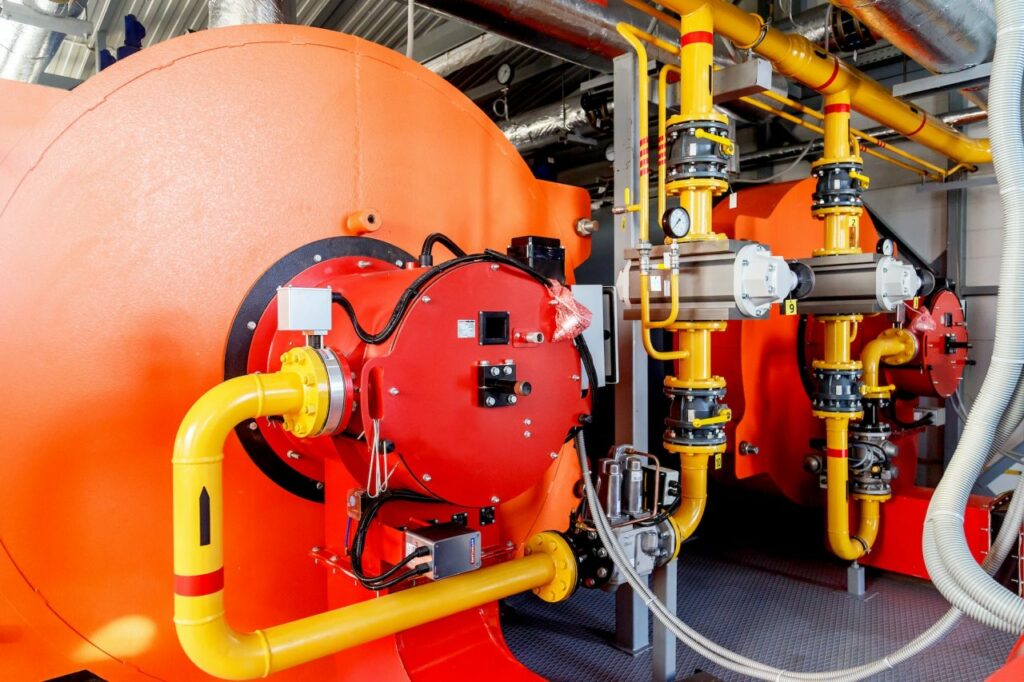
In sulfuric acid plants, maintaining consistent conversion efficiency and stable SO₂ oxidation is essential for safe and reliable operations. As a manufacturer under Hualian Catalyst, we focus on practical solutions that meet the expectations of experienced users who understand converter performance requirements. In daily production, we rely on the sulfuric acid catalyst to support continuous SO₂-to-SO₃ conversion and ensure temperature balance within each converter bed. Because the V₂O₅ catalyst contact process is widely used in modern plants, its role has become closely tied to operational stability. For this reason, our work consistently involves evaluating catalyst performance, temperature windows, and the influence of gas composition to determine whether a V₂O₅-based system is necessary for long-term reliability.
Why V₂O₅ Catalysts Are Functionally Important
From our experience in engineering sulfuric acid systems, we have found that the sulfuric acid catalyst plays a central role in maintaining reaction continuity. The V₂O₅ material provides balanced activity across the converter’s temperature range, supporting both standard and low-temperature operating stages. Within the V₂O₅ catalyst contact process, heat release, gas flow distribution, and conversion rates must align with production expectations. This is why we integrate V₂O₅ solutions into most projects involving SO₂ oxidation. When discussing whether the V₂O₅ catalyst is necessary, we focus on its operational contribution rather than theoretical assumptions. Our V₂O₅ vanadium pentoxide catalyst sulfuric acid portfolio follows this principle.
Our V₂O₅ catalyst series is designed to meet the diverse operating conditions that sulfuric acid plants encounter. The V201-M series is suitable for all converter beds, providing wide-range activity for both initial and later conversion stages. The V208-M series supports Bed 3, where higher SO₃ concentration requires stable activity. The V212-M series enhances performance in low-temperature zones and assists with emission reduction. Through these applications, we consistently rely on V₂O₅ formulations to strengthen production stability and meet environmental expectations.
Practical Evaluation of Necessity in Real Plant Conditions
In our operational practice, the sulfuric acid catalyst must offer predictable performance, especially when temperature patterns or feed gas quality fluctuate. Within the V₂O₅ catalyst contact process, V₂O₅-based systems help maintain conversion efficiency across varying bed conditions. This is why we consider the V₂O₅ catalyst necessary for most sulfuric acid plants. In both new projects and replacement cycles, we depend on the V201-M, V208-M, and V212-M products to sustain productivity. As a result, we see V₂O₅ catalysts not merely as optional additions but as essential components for consistent SO₂ conversion. For this reason, we apply the Hualian Catalyst product line to ensure each stage operates smoothly and aligns with current environmental requirements.
Conclusion: Evaluating the Role of the V₂O₅ Catalyst in Sulfuric Plants
Based on our operating experience, the V₂O₅-based sulfuric acid catalyst remains necessary for achieving stable conversion and maintaining long-term performance. Within the V₂O₅ catalyst contact process, it supports efficient SO₂ oxidation and helps plants reach expected operating standards. By applying the V201-M, V208-M, and V212-M series according to each bed’s conditions, we ensure stable production and controlled emissions. Through this approach, Hualian Catalyst provides sulfuric plants with dependable solutions that match real industrial requirements.