The modern diesel engine is a marvel of engineering, delivering unparalleled torque and fuel efficiency across a range of heavy-duty applications. Yet, this power comes with a significant challenge: managing particulate matter (PM) emissions. As regulatory standards tighten globally, the Diesel Particulate Filter (DPF) has become the core of the exhaust after-treatment system. For operators running under extreme duty cycles—think continuous, high-load, or frequent start-stop operations—the choice of DPF material is not merely a preference; it is a critical factor in system longevity and operational efficiency.
This is where the distinction between traditional and advanced filter substrates becomes crucial. The combined strength of SiC DPF and cordierite DPF technology, particularly from seasoned manufacturers like Hualian Catalyst, offers optimized solutions tailored for the toughest commercial environments.
The necessity of understanding: Why DPF materials are crucial
For commercial fleet managers, automotive engineers, and procurement specialists—the key target audience for Hualian Catalyst—the decision to invest in a DPF is a direct equation involving uptime, maintenance cost, and regulatory compliance.
The company, Pingxiang Hualian Chemical Ceramic Co., Ltd., has a 30-year history as a professional manufacturer specializing in industrial packing and chemical ceramic products. Their main products, including Honeycomb Ceramics, Catalysts, and DPFs, are used extensively across petroleum, chemical, mining, and, critically, automotive exhaust air cleaning fields. The focus is squarely on B2B solutions, meaning the writing must be precise, technical, and centered on ROI and superior performance under stress.
The primary product promoted here is the SiC/Cordierite DPF (Diesel Particulate Filter). While both materials perform the essential wall-flow filtration task, their distinct physical properties dictate which duty cycle they are best suited to withstand.
The Duel of Substrates: SiC DPF vs. Cordierite DPF
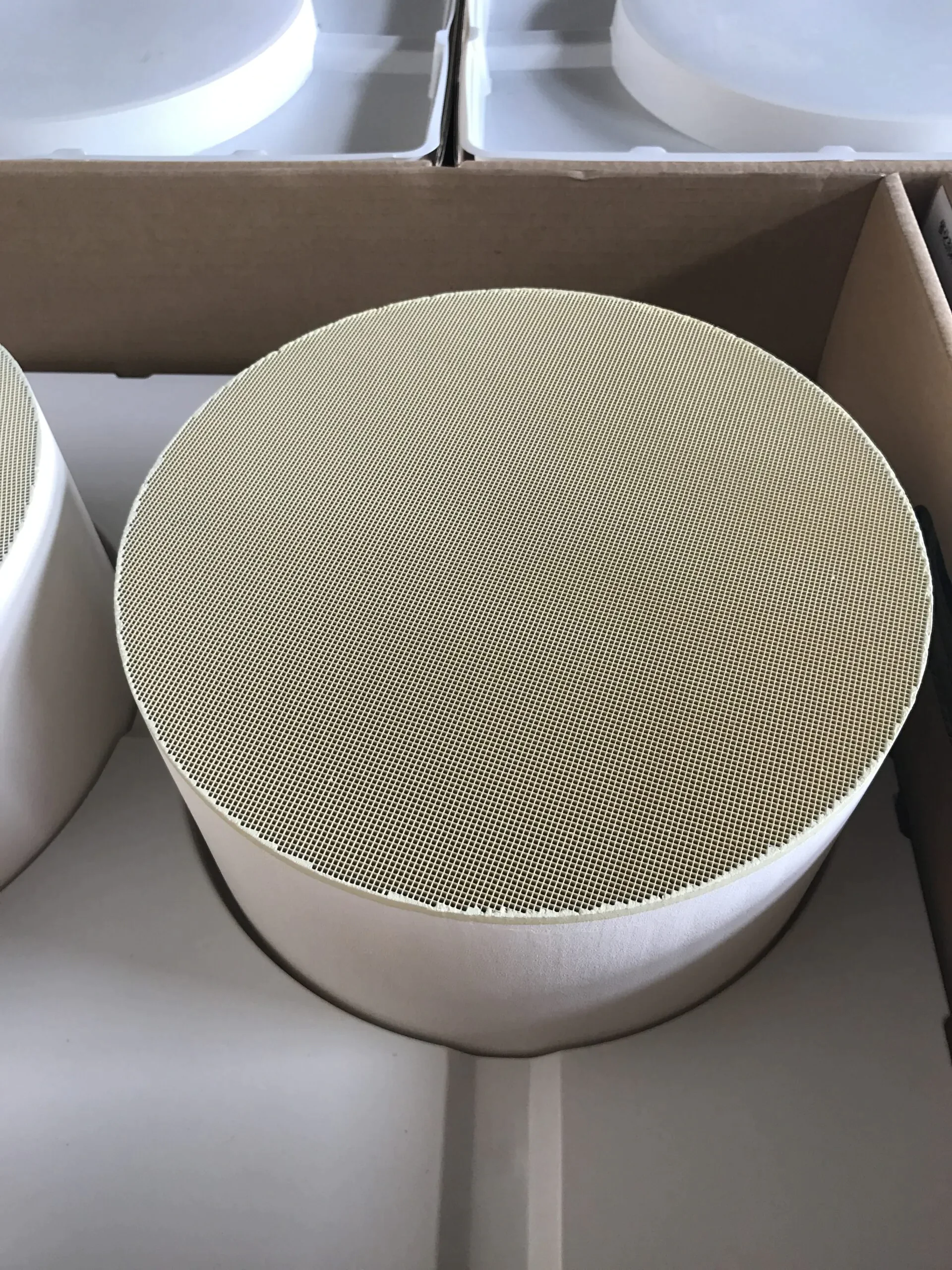
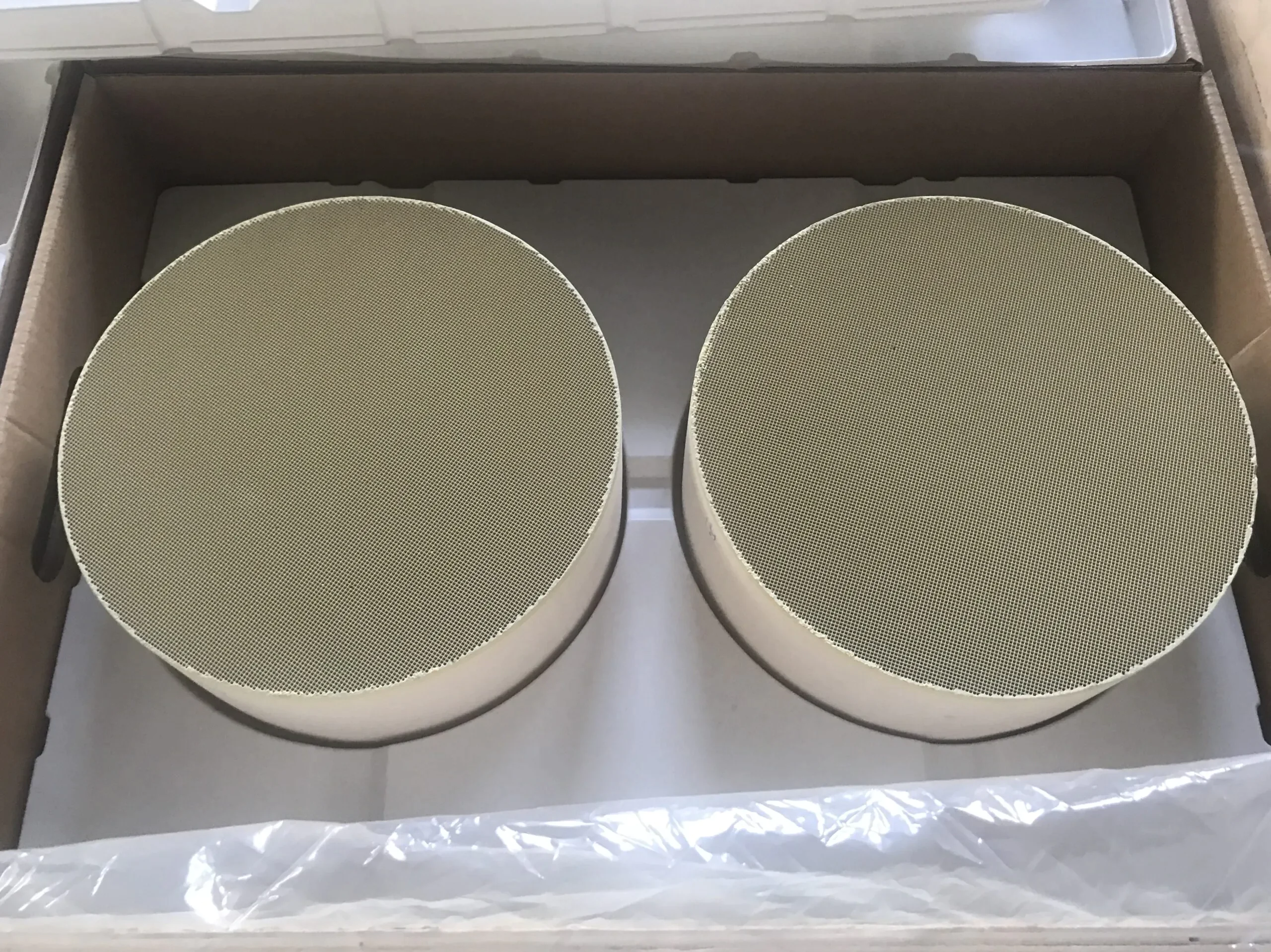
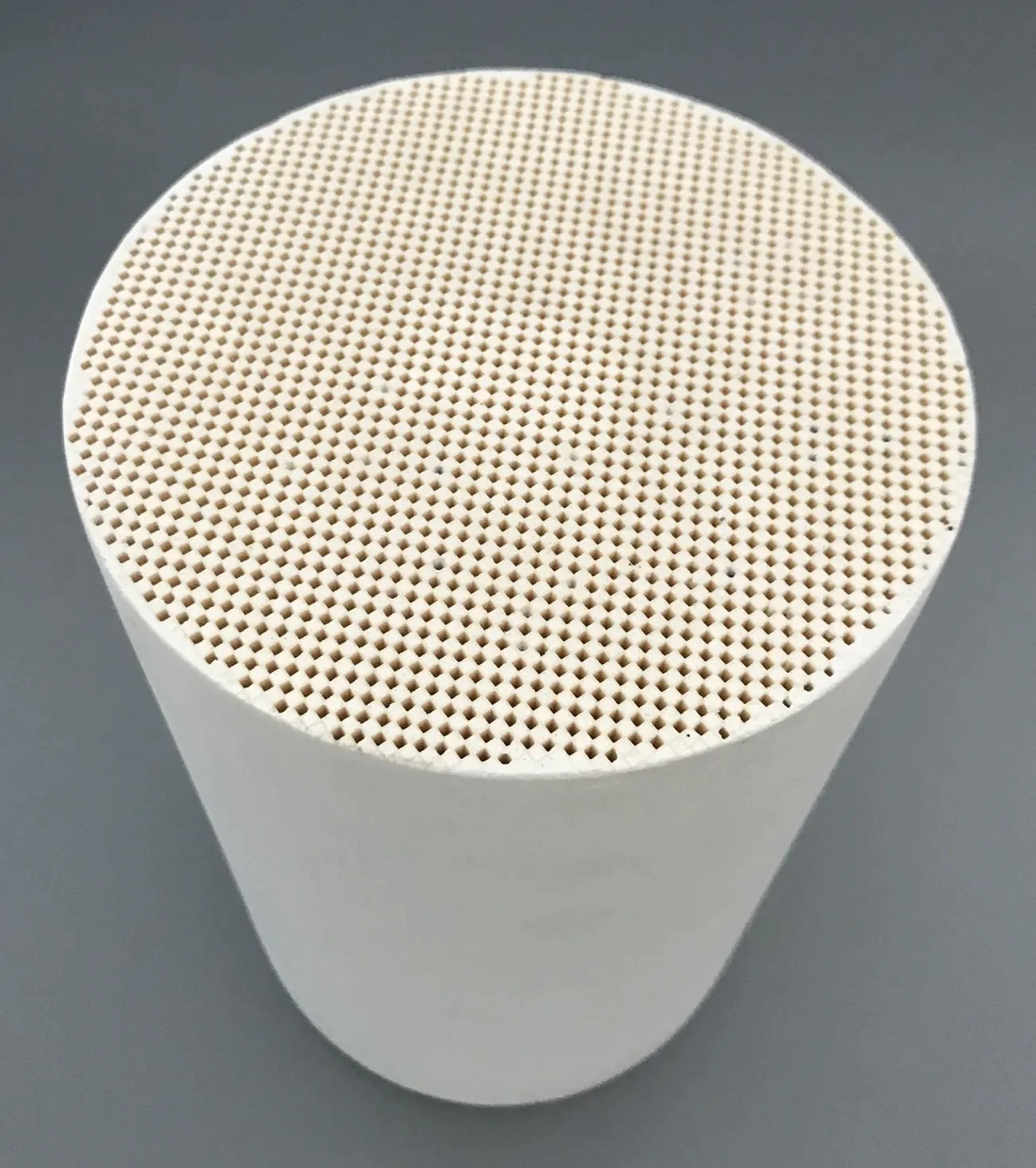
A DPF is a ceramic honeycomb structure that forces exhaust gas through porous walls, trapping soot (PM). Regeneration—the process of burning off the accumulated soot—is necessary to prevent excessive back pressure that would damage the engine and reduce efficiency. This regeneration process is the point of greatest stress, often involving rapid and intense heat.
Silicon Carbide (SiC) DPF: The High-Temperature Champion
The Silicon Carbide (SiC) DPF is the premium choice for applications exposed to the most severe thermal stress, which is characteristic of extreme duty cycles.
The SiC substrate excels due to its high thermal conductivity, which allows heat to dissipate quickly and evenly during the exothermic regeneration process. This is vital when the filter is heavily loaded with soot. In scenarios like frequent short-trip driving (common in city buses or delivery fleets) or consistent high-load operation (heavy-duty trucks, construction equipment), soot accumulation can be rapid. If regeneration is initiated with a high soot load, the resulting high temperatures could lead to localized melting in a less robust material. The SiC DPF’s ability to withstand temperatures over 1200℃ ensures that regeneration is completed safely and reliably, preventing catastrophic filter failure and maximizing vehicle uptime. This makes the SiC DPF ideal for short and long-distance, high-stress use.
Cordierite DPF: The Cost-Efficient Workhorse
Cordierite’s primary strength lies in its extremely low Coefficient of Thermal Expansion (CTE). This property makes it highly resistant to rapid temperature changes, minimizing cracking from thermal shock. Its lighter weight can also contribute to marginal fuel efficiency benefits. However, its lower melting point and thermal conductivity mean it is more susceptible to melting (or “canning”) if regeneration occurs with a dangerously high soot load. Therefore, cordierite DPF is typically recommended for long-distance, stable motorway journeys where the filter is exposed to a uniform, controlled soot load.
Hualian Catalyst: Ensuring Precision and Reliability
For any enterprise purchasing emission control components, consistency and adherence to global standards are non-negotiable. Hualian Catalyst provides a product that leverages the best characteristics of both technologies.
By offering both the thermally resilient SIC DPF and the cost-effective cordierite DPF, Hualian allows customers to precisely match the filter to the operational profile of their fleet. Their three decades of experience and certifications like ISO/TS16949 demonstrate their commitment to manufacturing substrates with controlled porosity, uniform pore size distribution, and optimized wall thickness—parameters critical to achieving both high filtration efficiency and low engine back pressure.
Ultimately, the goal is to secure a filter that provides high particulate trapping efficiency (often 90% or more of soot) without compromising engine performance. For extreme duty cycles, the superior heat management of the SIC DPF is the premium investment that guarantees maximum durability and a reduced risk of downtime, providing a predictable and compliant future for demanding fleet operations.
Conclusion: Matching Technology to Demand
Navigating stringent emission standards requires sophisticated technology and a reliable manufacturing partner. For fleet operators facing severe operational demands, the enhanced thermal properties of the SIC DPF offer the necessary resilience to prevent costly damage and maintain operational schedules.
Hualian Catalyst provides the foundational ceramic expertise and precise engineering required to deliver DPF solutions that meet the technical demands of Euro V, Euro VI, and EPA emission standards. Their product range ensures that whether an operation requires the ultimate thermal resistance of SiC or the proven value of cordierite, a reliable, high-performance DPF solution is available.