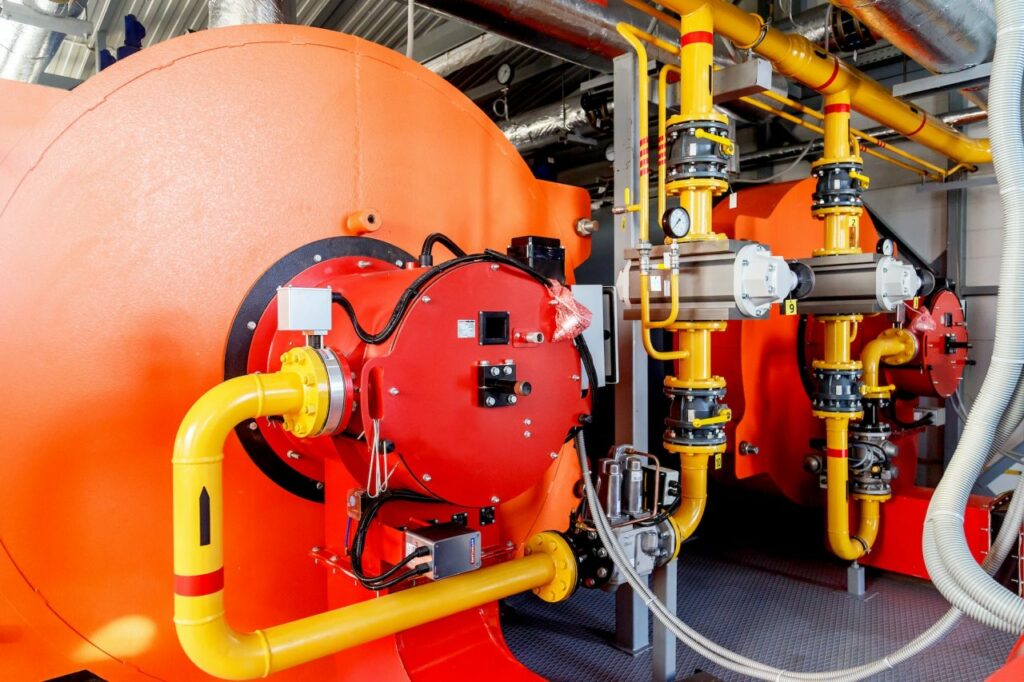
As heavy-duty trucks operate under demanding cycles, we design diesel systems that meet strict emission expectations while supporting long-term reliability. When we integrate a selective catalytic reduction catalyst into a truck platform, our objective is to convert NOx consistently across a broad range of real-world temperatures. Our engineering team evaluates flow uniformity, structural stability, and material compatibility to ensure that each scr catalytic converter performs without creating unnecessary backpressure. With Hualian Catalyst as our reference point for quality standards, we refine our approach to match the needs of experienced users who prioritize durability and predictable system performance. In this context, the role of SCR technology becomes essential for trucks facing variable loads, extended operating hours, and increasingly strict regional emission limits.
Material Systems and Diesel Application Demands
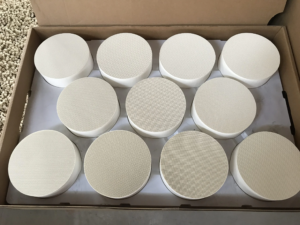
In our work, we focus on how material selection affects reaction efficiency and service life. A selective catalytic reduction catalyst used in diesel trucks must tolerate thermal stress, particulate exposure, and continuous vibration. To address these conditions, we draw on solutions such as Wo3–V₂O₅ mixture formulations developed for NOx control. This form of SCR catalyst promotes stable denitration efficiency by supporting the conversion of NOx into nitrogen and water, forming the core function of a modern scr catalytic converter in a diesel platform. We also evaluate both vanadium-based SCR (V-SCR) catalysts and molecular-sieve-based types, allowing us to configure systems according to each vehicle’s operational characteristics. By doing so, we help ensure that trucks maintain compliance without compromising fuel efficiency or maintenance intervals.
System Integration and Design Flexibility
When we prepare a diesel platform for installation, we consider how a selective catalytic reduction catalyst interacts with the exhaust layout, urea dosing strategy, and aftertreatment control logic. Our SCR catalyst solutions offer high mechanical strength, controlled pressure drop, and adaptable geometry options that simplify integration. These design features support trucks, off-road machinery, buses, and stationary diesel units with consistent operation even under fluctuating load conditions. By selecting the appropriate scr catalytic converter, we optimize conversion performance while maintaining stable exhaust flow. We also adjust catalyst dimensions and cell structures to achieve predictable results in both retrofit and OEM environments, enabling customers to achieve their regulatory goals with confidence.
Conclusion
In summary, our approach to diesel SCR systems emphasizes material stability, application-oriented design, and reliable NOx conversion. Each selective catalytic reduction catalyst is selected to deliver balanced performance for heavy-duty trucks operating across diverse conditions. By aligning catalyst formulation and structure with vehicle requirements, we support dependable operation throughout the service life of each scr catalytic converter. Through these coordinated efforts, we continue to provide SCR catalyst solutions that assist experienced users in meeting emission targets while maintaining operational efficiency.