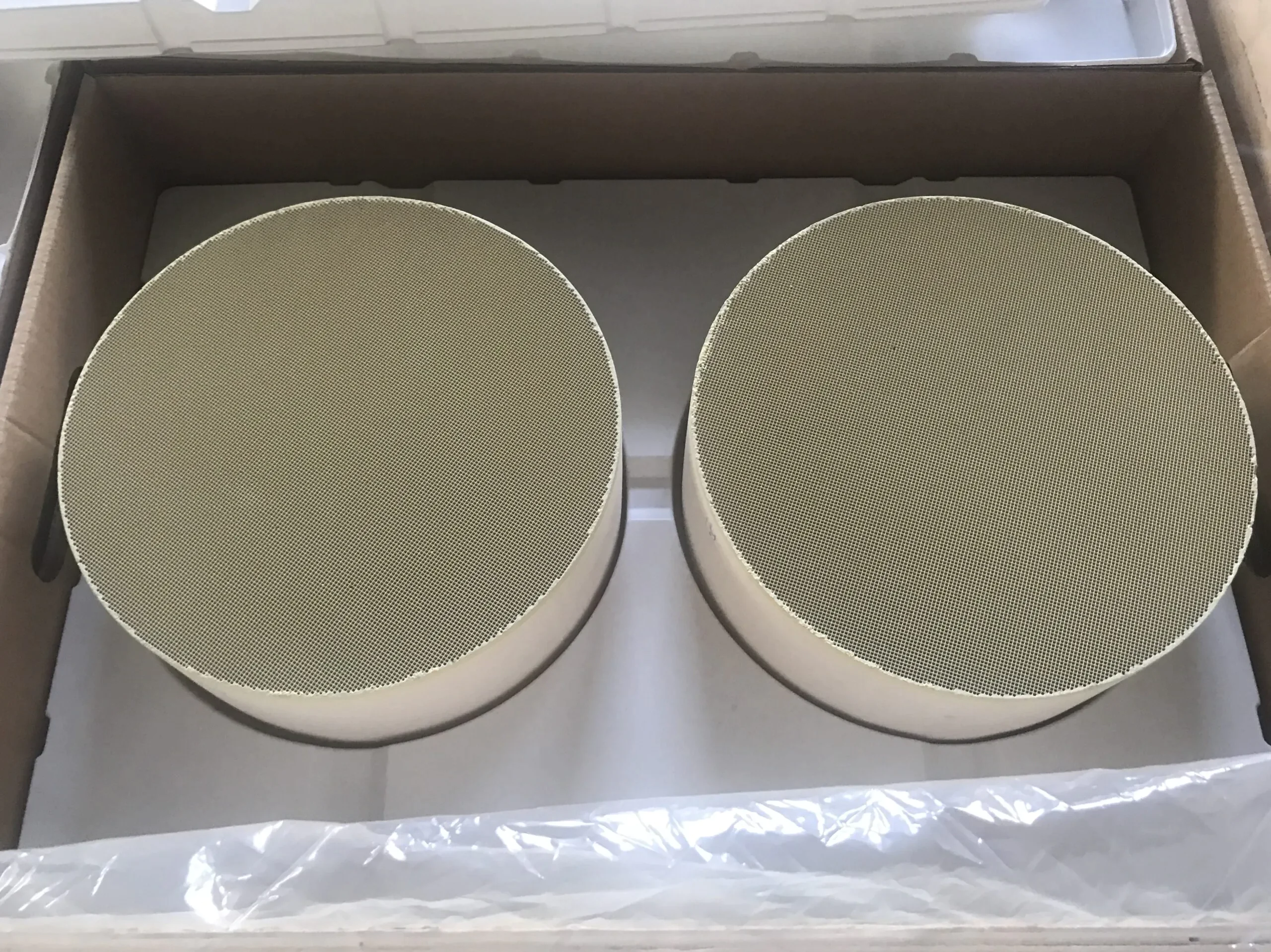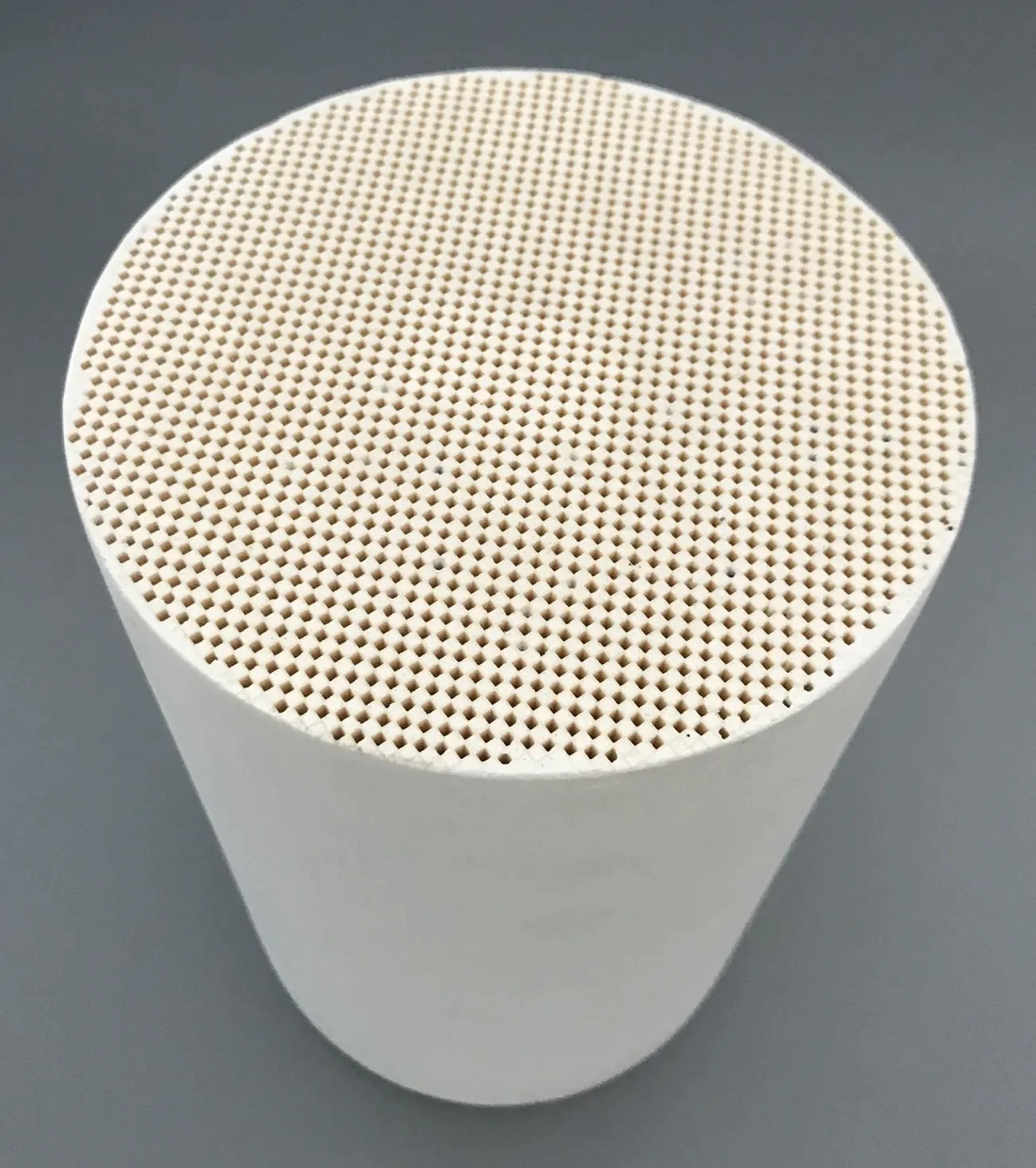
Sulfuric acid (H₂SO₄) is the most-produced industrial chemical in the world, serving as the backbone for fertilizers, petrochemicals, metallurgy, and much more. The contact process, which drives this massive industry, hinges entirely on a single, critical component: the catalyst.
For decades, the V₂O₅ catalyst sulfuric acid production has relied on vanadium pentoxide to facilitate the core reaction: the oxidation of sulfur dioxide to sulfur trioxide. However, in today’s landscape of stringent environmental regulations and aggressive cost-saving mandates, a standard catalyst simply isn’t enough. Modern high-efficiency V₂O₅ catalysts are now essential to maximize conversion, improve energy efficiency, and, most importantly, minimize the final sulfur dioxide emissions, keeping plants compliant and profitable.
The Critical Role of the Sulfuric Acid Catalyst in SO₂ Conversion
Because this reaction is reversible and exothermic, its chemical equilibrium is favored at lower temperatures, while the reaction rate (speed) is favored at higher temperatures. This fundamental thermodynamic trade-off is the primary challenge in the contact process.
The job of the sulfuric acid catalyst is to lower the activation energy, enabling a faster reaction rate at temperatures that still allow for high conversion. This is where a top-tier catalyst like that offered by Hualian Catalyst delivers significant value. By engineering the catalyst’s composition and structure, manufacturers can shift the performance curve, ensuring a higher SO₂ conversion rate across all passes of the converter, which directly reduces the amount of unreacted SO₂ leaving the system.
The Problem of Tail Gas Emissions
In a sulfuric acid plant, the unconverted SO₂ is released in the tail gas. With increasing global focus on air quality and public health, regulatory bodies like the U.S. EPA and China’s Ministry of Ecology and Environment have continually lowered the permissible limits for SO₂ stack emissions. For plant operators, failing to meet these standards can result in steep fines, mandatory shutdowns, or expensive end-of-pipe scrubbing technologies.
High-efficiency V₂O₅ catalysts provide the most cost-effective and operationally simple way to achieve ultra-high conversion rates, often eliminating the need for complex and costly secondary emission abatement systems.
Hualian Catalyst’s High-Efficiency V₂O₅ Catalyst: SO₂ Reduction Through Superior Design
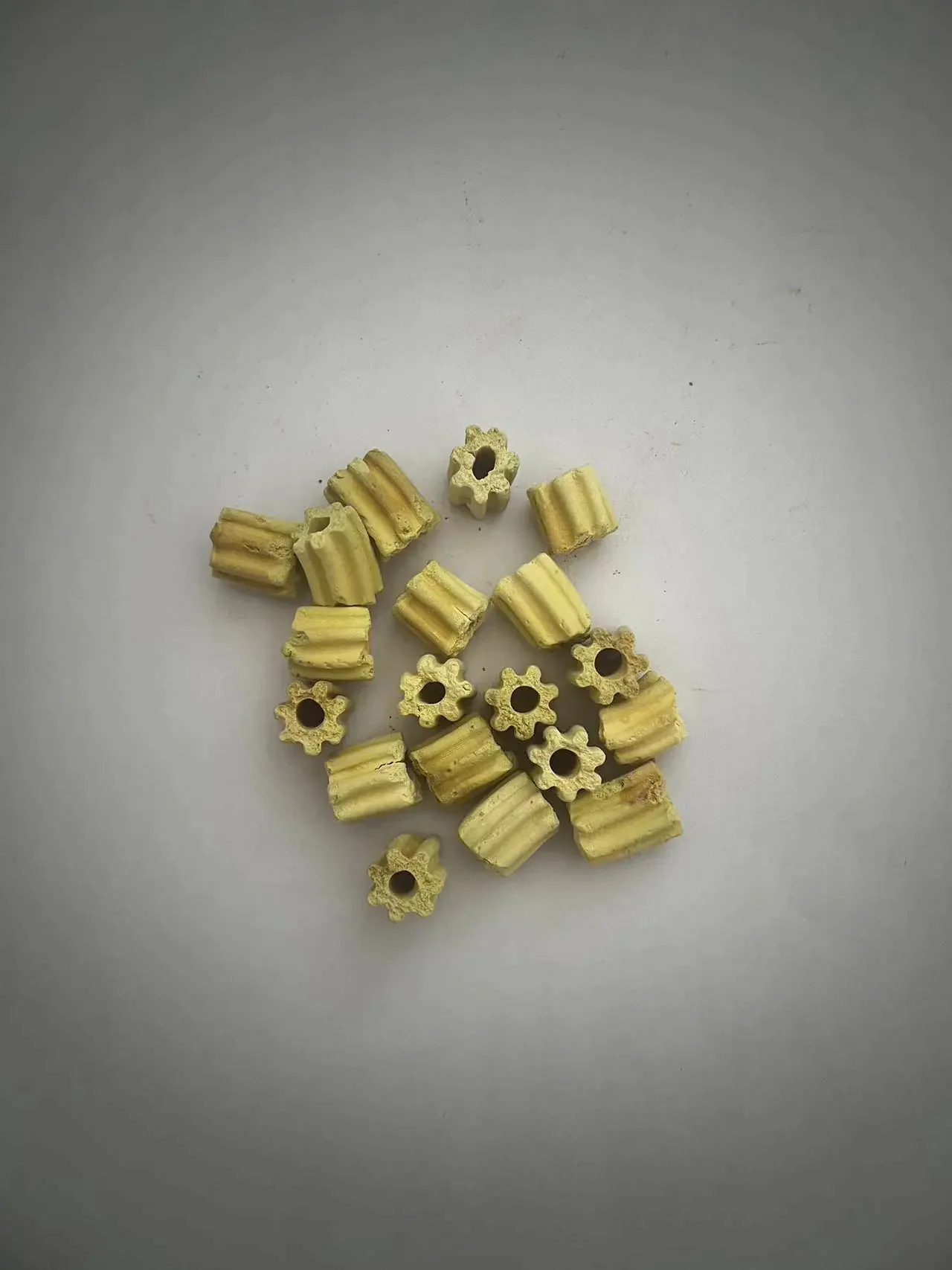
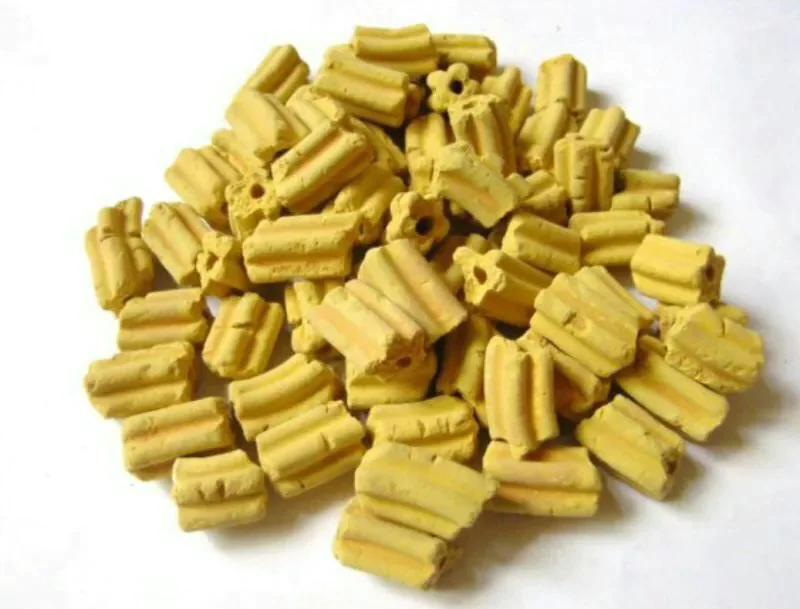
The V₂O₅ Vanadium Pentoxide Catalyst is Hualian Catalyst’s flagship product for sulfuric acid production. Its design incorporates advanced chemical promoters and a high-purity carrier to overcome the limitations of traditional catalysts, specifically targeting high activity at low temperatures and robust stability at high temperatures.
Enhanced Low-Temperature Activity (LTA)
One of the greatest challenges is achieving high conversion in the final passes of the converter, where temperatures are naturally lower due to interpass heat exchange and the reaction approaching equilibrium.
The Operational and Environmental Payoff
Adopting an advanced Hualian Catalyst V₂O₅ catalyst for your sulfuric acid plant provides a dual strategic advantage for B2B operators:
Environmental Compliance and Sustainability
The primary benefit is the capacity to achieve SO₂ conversion is high. This performance is essential for meeting increasingly tight environmental regulations, safeguarding the plant’s license to operate, and contributing to the company’s sustainability goals. By proactively minimizing SO₂ release, plants reduce their environmental footprint and avoid the substantial capital investment required for backend gas scrubbers.
Economic Efficiency
The high-efficiency design not only reduces emissions but also acts as an economic lever:
Increased Production Yield: Higher SO₂ conversion means more SO₃ is available for hydration, directly increasing the final H₂SO₄ product yield from the same feed gas.
Energy Savings: The low pressure drop associated with the optimized ring-shaped catalyst requires less energy for the gas blower, resulting in reduced electricity costs over the catalyst’s lifetime.
Extended Lifespan: Superior chemical and thermal stability allows the catalyst to operate reliably under peak conditions, extending its service life and reducing the frequency and cost of catalyst replacement shutdowns.
Conclusion
In the highly regulated and cost-competitive world of chemical manufacturing, the selection of your sulfuric acid catalyst has transitioned from a routine procurement decision to a fundamental strategic imperative. High-efficiency V₂O₅ catalysts, particularly those engineered for superior low-temperature activity and robust structural integrity like the product offered by Hualian Catalyst, deliver value across the three critical dimensions of modern plant operation: compliance, profitability, and sustainability.
In the competitive and environmentally sensitive world of chemical manufacturing, the choice of a sulfuric acid catalyst is a decision that impacts everything from profitability to regulatory compliance. High-efficiency V₂O₅ catalysts, particularly those designed with enhanced low-temperature activity and a low-pressure-drop structure like those from Hualian Catalyst, are not just a component—they are an indispensable tool for achieving operational excellence.
Ultimately, investing in a high-performance Hualian Catalyst is a commitment to sustainable chemical production. It not only ensures a cleaner environmental footprint by minimizing harmful SO₂ emissions but also drives a more efficient, reliable, and economically viable process. For managers and engineers focused on long-term operational excellence, the choice is clear: the right catalyst is the key to unlocking maximum conversion, efficiency, and enterprise value.