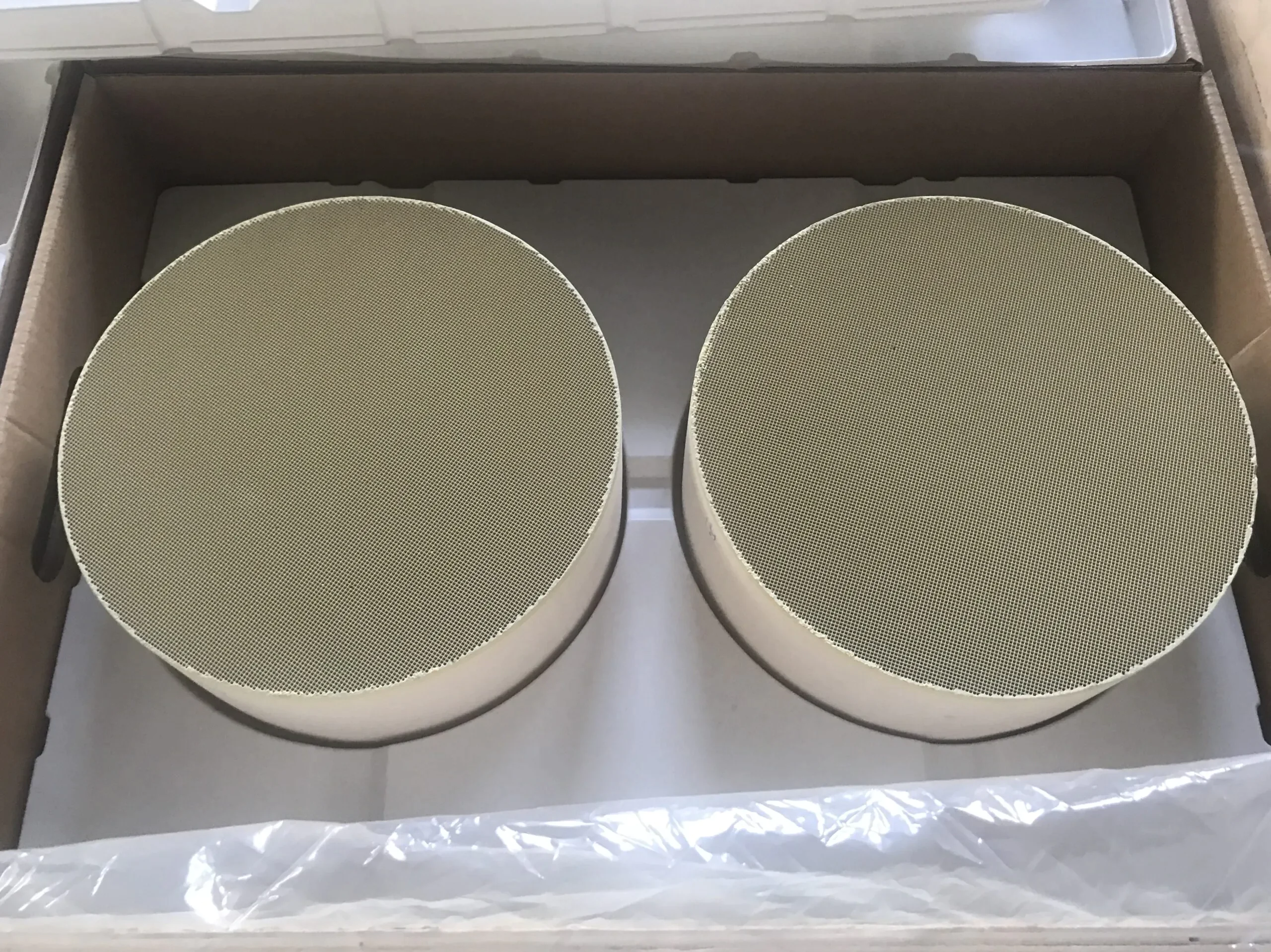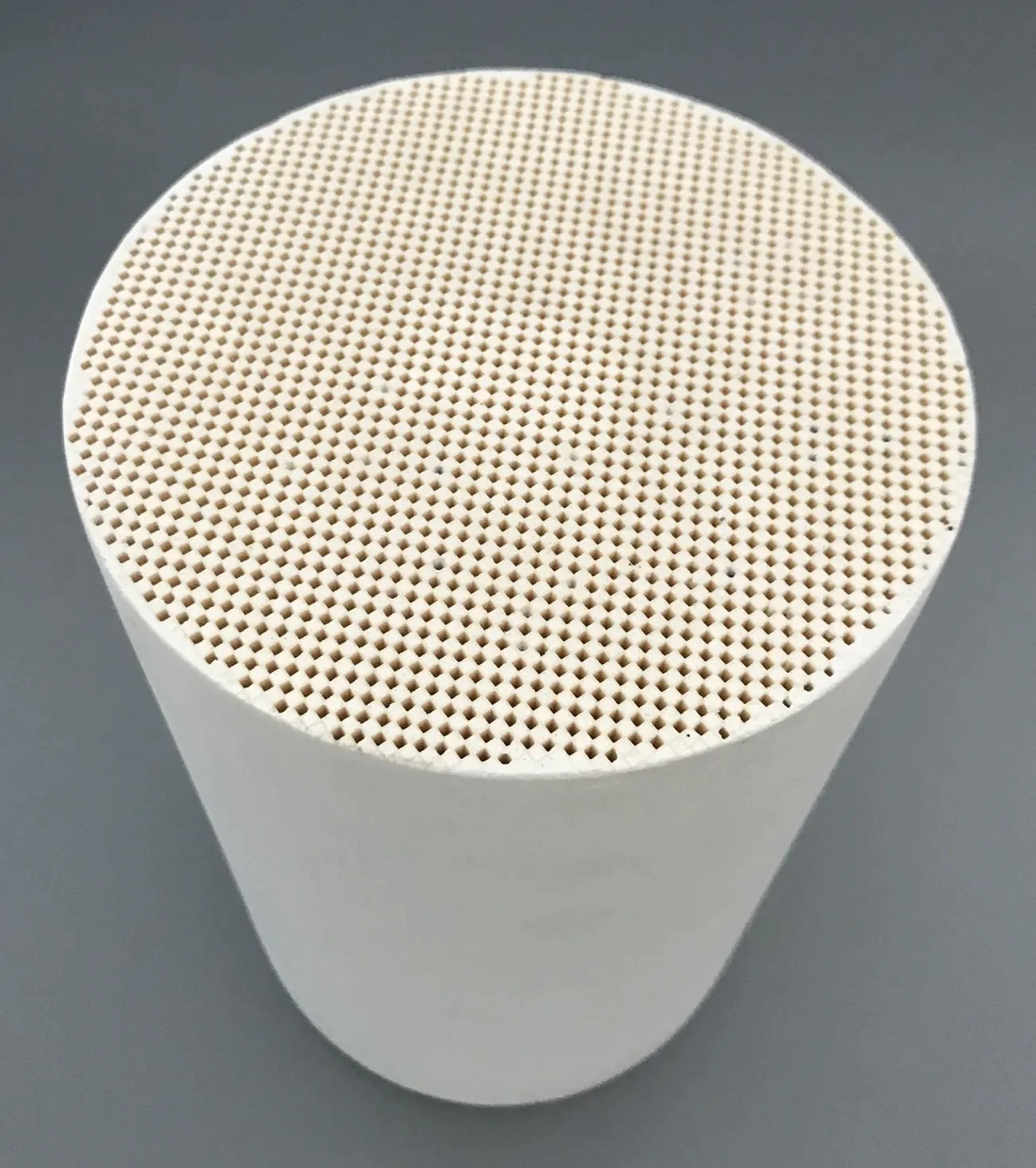
The global push for cleaner air and sustainable development has made automotive emission control a non-negotiable priority. For manufacturers, meeting stringent regulatory standards—from Euro 3 up to the latest Euro 6—requires high-performance, durable, and efficient components. At the heart of this compliance challenge is the catalytic converter, a device that performs one of the most critical chemical transformations in modern vehicles. While traditional ceramic models have served well, the advanced metal catalytic converter represents a leap forward, offering superior performance, particularly in high-stress and two-wheeled applications, making it an essential component for reducing overall environmental impact.
Hualian Catalyst has been a key player in this specialized field for over 30 years, providing complete solutions in catalysts and chemical ceramics for industries ranging from petroleum and chemical engineering to automotive and environmental protection. Their core product catalog includes Thermal Storage Honeycomb Ceramic, Three-Way Catalyst Supports, Diesel Particulate Filters (DPF), and a variety of specialized catalysts (SCR, Sulfur Recovery, Hydrogenation). This robust industrial and automotive focus underscores their commitment to B2B solutions that drive efficiency and compliance across the global market.
Precision Engineering: Why Metal Substrates Are Superior for Emissions Control
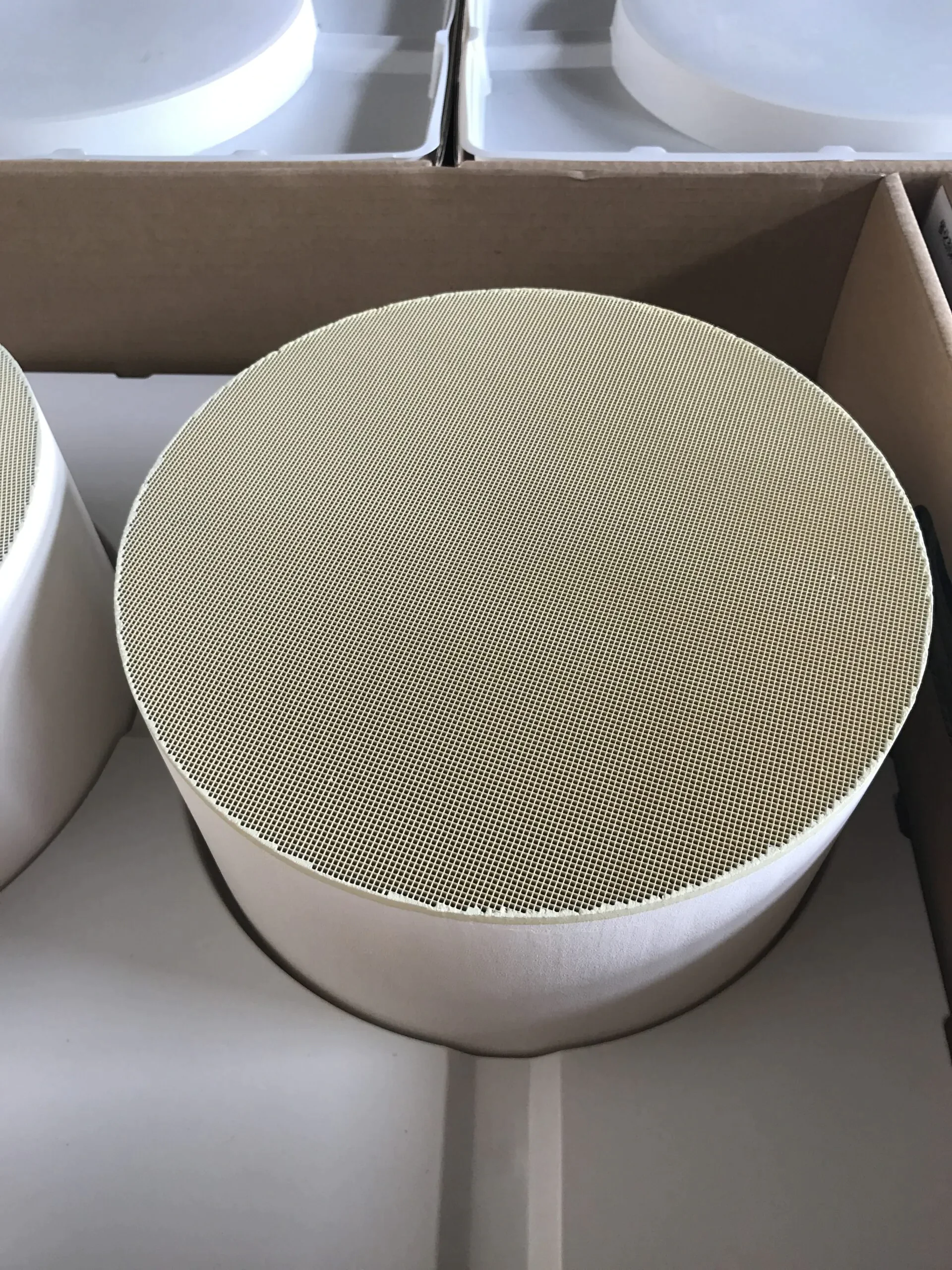
A metal catalytic converter differs fundamentally from its ceramic counterpart in its core structure. Instead of a ceramic honeycomb, it utilizes a metallic substrate, typically made from high-grade stainless steel. This construction provides several distinct advantages that directly translate into greater environmental efficiency:
Enhanced Thermal and Mechanical Stability
The metallic foil structure offers significantly greater mechanical strength and resistance to thermal shock (rapid temperature changes). In applications like high-performance vehicles or motorcycle catalyst systems, which experience frequent and sharp temperature fluctuations, this durability is paramount. Greater structural stability means a longer useful life, reducing the frequency of replacement and minimizing the environmental cost associated with manufacturing new units.
Higher Geometric Surface Area
Due to the thin walls of the metal foil, a metal catalytic converter can achieve a higher cell density (CPSI – cells per square inch) than a ceramic substrate of the same volume. Hualian Catalyst, for instance, offers metallic substrates in densities like 100CPSI, 200CPSI, 300CPSI, 400CPSI, and 600CPSI. This higher density increases the geometric surface area, which in turn maximizes the contact points between the exhaust gas and the precious metal coating (Platinum, Palladium, and Rhodium).
Faster Light-Off Time
Perhaps the most crucial environmental benefit is the faster light-off time. The thinner metallic walls transfer heat more quickly than ceramic, allowing the catalyst to reach its optimal working temperature (typically 400℃ to 800℃) sooner. Since most emissions occur during the engine’s cold start phase, a rapid light-off is essential for minimizing cold-start pollutants, which drastically improves overall compliance with European standards.
Motorcycle Catalyst Technology: Meeting Euro 3, 4, 5, and 6 Standards
The primary function of a three-way catalytic converter is to facilitate chemical reactions that transform three major toxic exhaust pollutants into less harmful substances:
Nitrogen Oxides are reduced to Nitrogen and Oxygen.
Carbon Monoxide is oxidized to Carbon Dioxide.
Unburned Hydrocarbons is oxidized to Carbon Dioxide and water.
Hualian Catalyst Product Specification Overview
Hualian Catalyst’s metallic catalytic converter for Euro 3, 4, 5, and 6 standards is designed to ensure vehicles, particularly motorcycles and smaller engines, achieve current emission mandates.
By utilizing this precise composition and high-density metal substrate, the converter ensures a gas purification effect that remains highly active and stable over a long operational lifetime. This technology prevents up to 98% of harmful pollutants from entering the atmosphere, representing a significant positive impact on air quality and public health.
Long–Term Environmental and Economic Value of Hualian Catalysts
Choosing Hualian Catalyst’s metal catalytic converter represents a strategic investment that delivers comprehensive environmental and economic value for B2B partners.
Environmental Value
The metal substrate’s faster light-off time is a major environmental benefit, ensuring the catalyst reaches optimal operating temperature sooner to eliminate the majority of harmful emissions produced during a cold start. This rapid activation is crucial for meeting stringent Euro 5/6 standards. Furthermore, the high mechanical durability of the metallic core ensures the unit’s long life, maintaining high pollutant conversion efficiency (up to 98% for CO, HC, and NOx) over the entire lifecycle of the vehicle, which translates to a minimized lifetime environmental footprint.
Economic Value for B2B
For manufacturers, the key economic advantages are rooted in performance and compliance:
Fuel Efficiency: The design allows for a low pressure drop in the exhaust system. Less back pressure means the engine works less hard, optimizing performance and contributing to better fuel efficiency.
Reduced Costs: Superior durability reduces the likelihood of damage from thermal shock or vibration, leading to fewer warranty claims and lower long-term replacement costs.
Compliance Certainty: Utilizing a component designed to reliably meet Euro 6 compliance minimizes the risk of regulatory fines or market access issues.
By prioritizing efficiency and robust engineering, Hualian Catalyst enables its partners to achieve both environmental stewardship and operational cost control.