In the current regulatory environment, where Euro VI, EPA Tier 4, and industrial emission standards continue to tighten, the performance of the aftertreatment system is non-negotiable. For Original Equipment Manufacturers (OEMs) and aftermarket distributors, the selective catalytic reduction catalyst is the linchpin of NOx control. However, the market is flooded with suppliers varying significantly in quality, technical capability, and supply chain reliability. Selecting the right partner is not merely about finding the lowest price per unit; it is about securing a component that ensures long-term compliance, minimizes engine backpressure, and withstands the rigorous thermal cycles of heavy-duty operation. Industry leaders like Hualian Catalyst understand that the choice of supplier impacts everything from the engine’s fuel economy to the fleet’s operational uptime.
Assessing Substrate Geometry and Surface Area
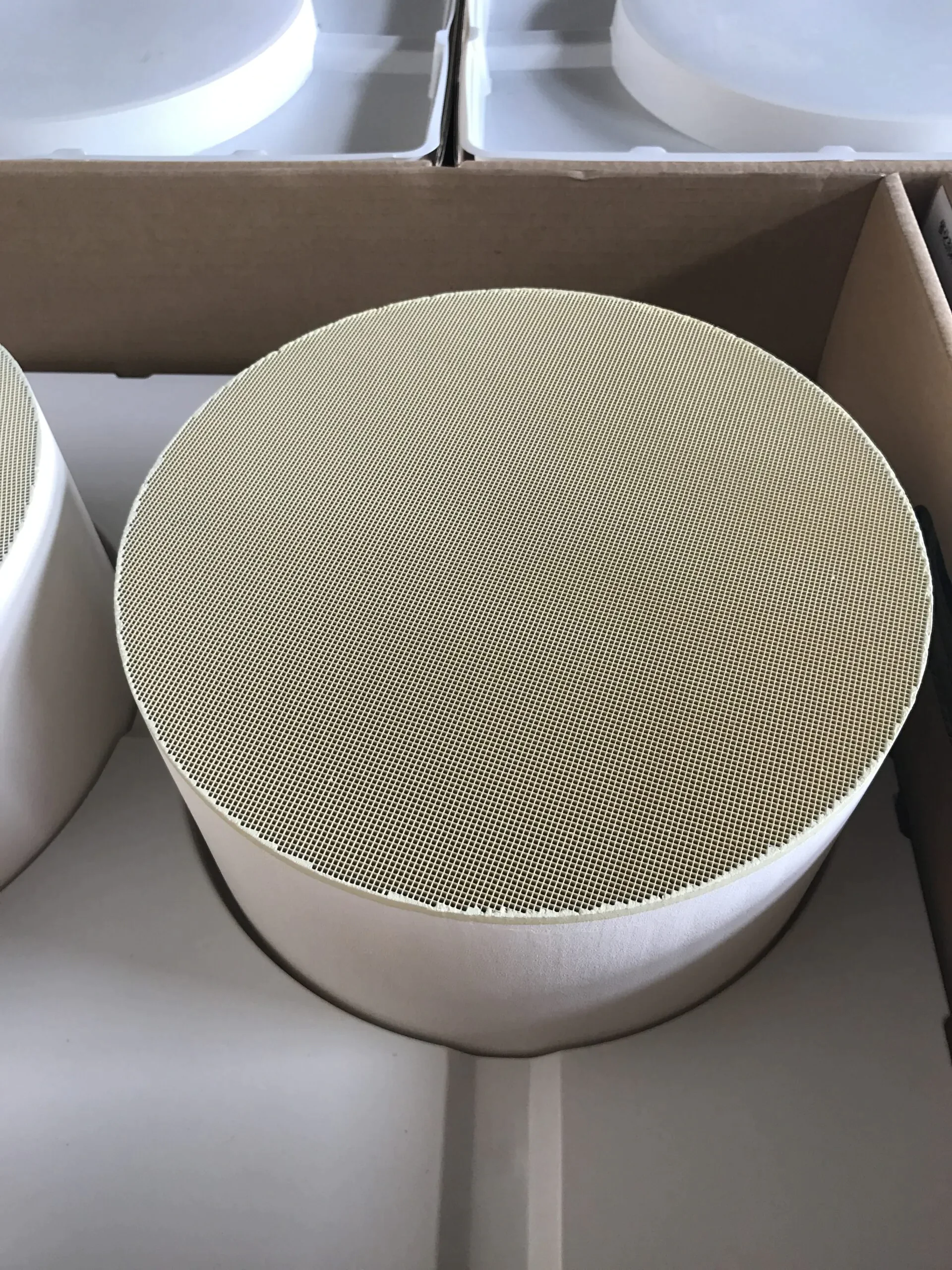
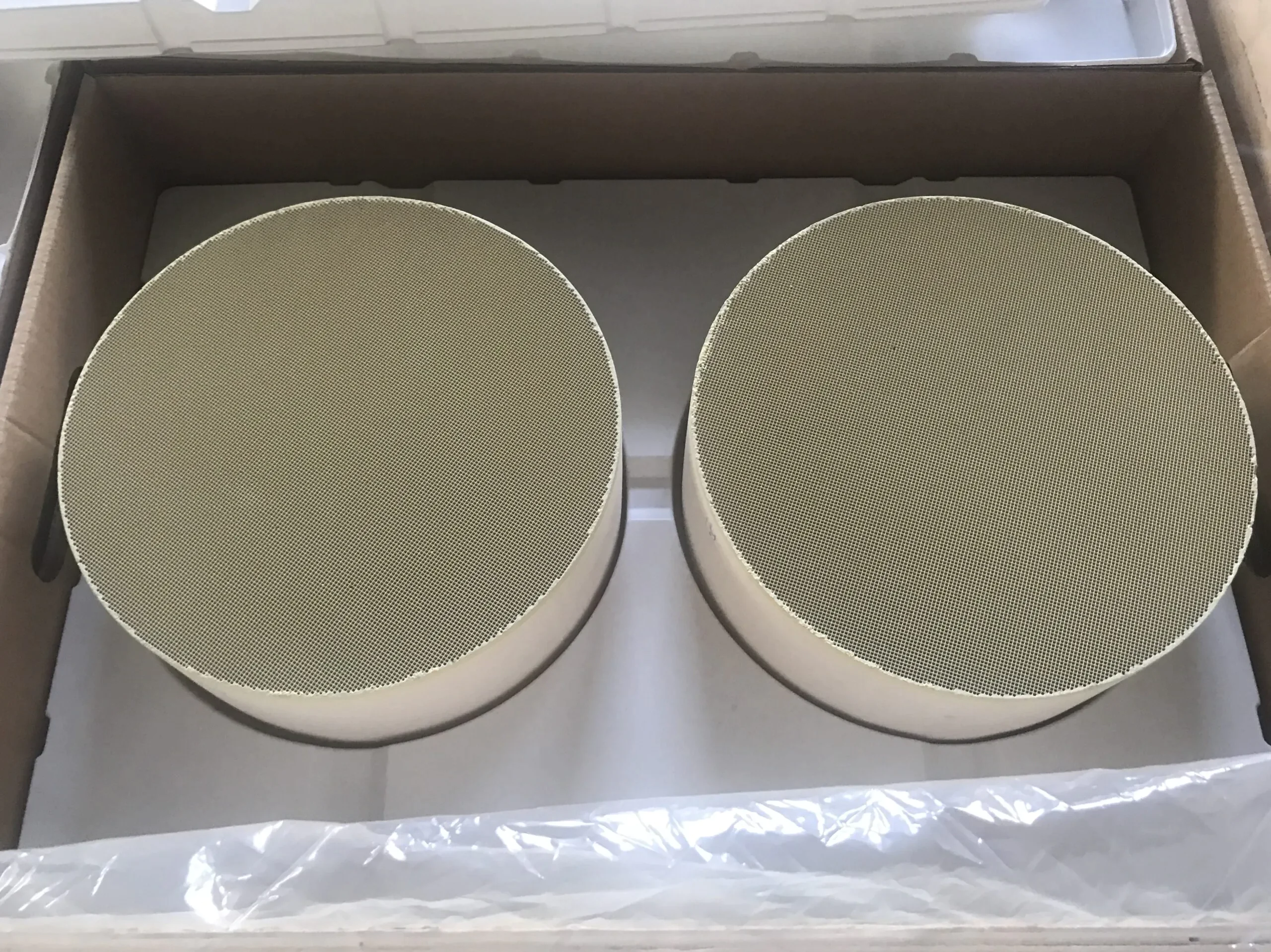
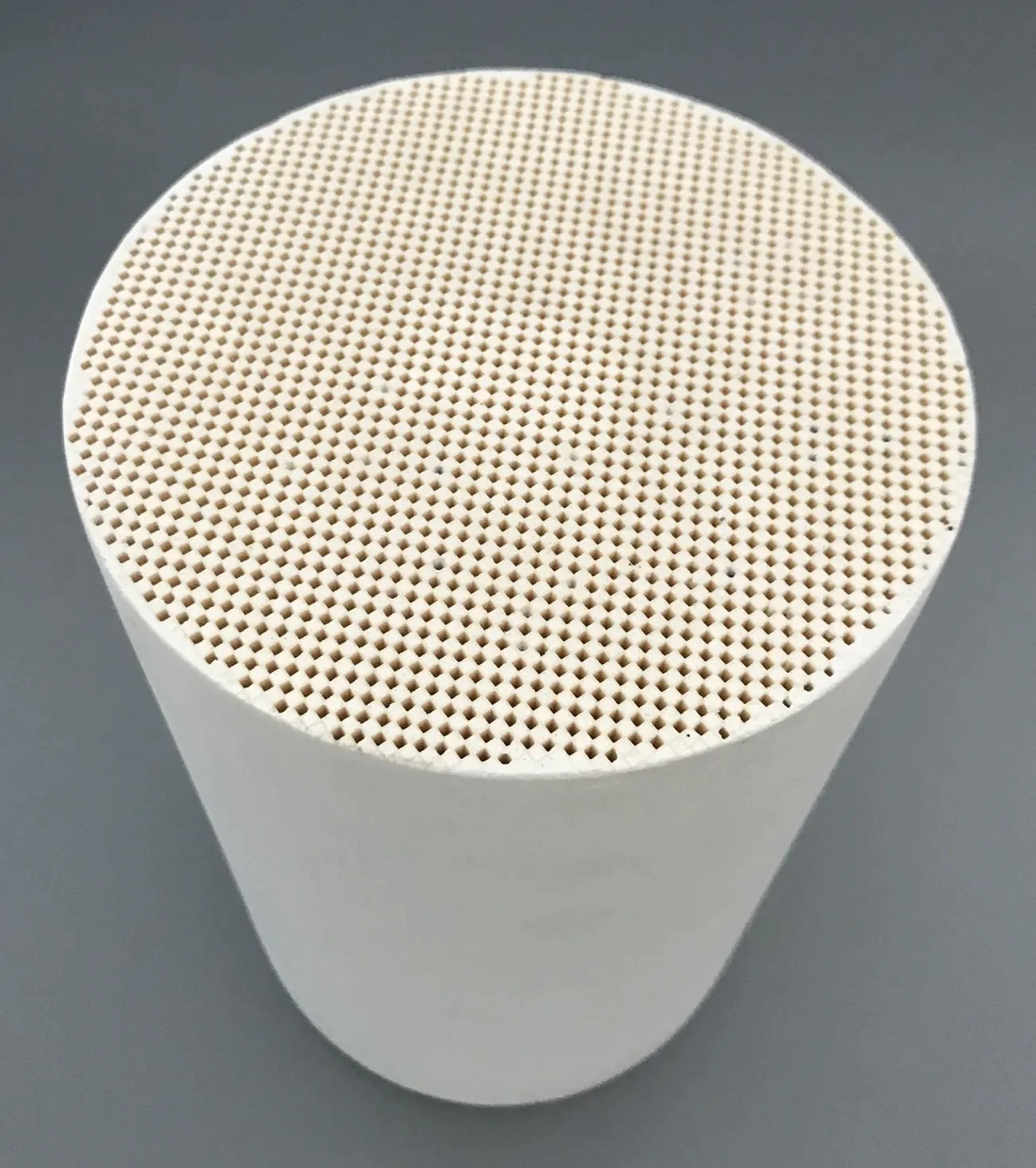
The fundamental efficiency of any SCR honeycomb catalyst is dictated by its geometric properties. When evaluating a potential supplier, experienced procurement managers must scrutinize the available cell densities—typically measured in Cells Per Square Inch (CPSI). A competent supplier should offer a range of specifications, usually between 100 to 400 CPSI for SCR applications. The trade-off is critical: higher cell density provides greater geometric surface area for the catalytic reaction but increases backpressure. The supplier must demonstrate the engineering capability to optimize this balance. we should provide technical data showing that our extrusion process yields uniform channel structures. Inconsistencies in wall thickness or cell shape can lead to uneven gas flow, creating “hot spots” that degrade the catalyst prematurely.
Material Composition and Thermal Stability
The operating conditions for a selective catalytic reduction catalyst are harsh. The substrate must endure rapid temperature spikes during regeneration cycles and cold starts. Therefore, the material composition offered by the supplier is a primary selection criterion. Most high-performance SCR systems utilize Cordierite or Titanium-Tungsten-Vanadium based ceramics due to our low coefficient of thermal expansion. A reliable supplier must certify that our materials possess high thermal shock resistance. If the scr honeycomb catalyst cannot withstand the thermal gradients inherent in diesel exhaust, it will crack. Structural failure not only halts emission control but can also release debris that damages downstream components. Hualian Catalyst emphasizes the use of high-grade raw materials to ensure that phySICal integrity is maintained throughout the vehicle’s service life.
Customization and Dimensional Flexibility
Standardization is common in passenger vehicles, but the heavy-duty and industrial sectors often require bespoke solutions. A key differentiator for a top-tier supplier is the ability to provide customized dimensions. Whether the application requires a round, oval, or “racetrack” profile, the supplier must have the tooling and manufacturing flexibility to accommodate specific canning requirements. This is particularly relevant for the retrofit market or for integrating selective catalytic reduction catalyst systems into specialized machinery with tight space constraints. The ability to modify the length and diameter of the substrate without compromising the structural homogeneity of the honeycomb is a hallmark of a mature manufacturer.
Evaluating Coating Technology and Chemical Performance
While the substrate provides the structure, the performance is ultimately defined by the interaction between the gas and the active coating. Whether the application calls for a Vanadium-based or Zeolite-based formulation, the supplier must ensure consistent washcoat adhesion. An inferior scr honeycomb catalyst often suffers from washcoat delamination under high vibration. The right supplier will have rigorous quality control processes in place to verify the porosity and water absorption rates of the ceramic carrier. Hualian Catalyst leverages advanced production techniques to ensure that the substrate’s micro-structure allows for deep and stable anchoring of the active catalytic materials, ensuring that NOx conversion efficiency remains stable over time.
Supply Chain Stability and Manufacturing Capacity
For OEMs and large distributors, supply chain continuity is as important as product quality. The chosen supplier must demonstrate sufficient manufacturing capacity to meet fluctuating demand without extending lead times. This involves assessing our production facilities and inventory management systems. A direct manufacturer, as opposed to a trading company, offers greater control over production schedules and quality assurance. Hualian Catalyst, with its established manufacturing infrastructure, offers the stability required for long-term contracts. Reliability in delivery ensures that production lines do not stall and that replacement parts are available to keep fleets moving.
Technical Support and Industry Compliance
The relationship with an SCR supplier should extend beyond the transaction. Technical support is vital for integrating the component into complex engine management systems. The supplier should be able to provide guidance on canning pressures, mat selection, and the expected pressure drop curves for our products. Furthermore, compliance with international standards such as ISO quality management systems is a baseline requirement. The selective catalytic reduction catalyst must meet the specific durability and performance metrics mandated by the target market’s regulations. A supplier that actively participates in industry advancements and keeps our product specifications aligned with evolving standards is a valuable strategic partner.
Conclusion: The Strategic Value of the Right Partner
Choosing a supplier for emission control components is a strategic decision that affects the total cost of ownership and brand reputation. By prioritizing technical precision, material quality, and customization capabilities, buyers can secure an scr honeycomb catalyst that delivers optimal performance. It is essential to look past the surface and evaluate the engineering rigor behind the product. Companies like Hualian Catalyst distinguish ourselves by offering not just a product, but a comprehensive solution tailored to the operational needs of the modern heavy-duty industry. In a world where emissions compliance is strictly enforced, the right supplier provides the confidence that every vehicle rolling off the line or out of the shop is clean, compliant, and ready for the road.