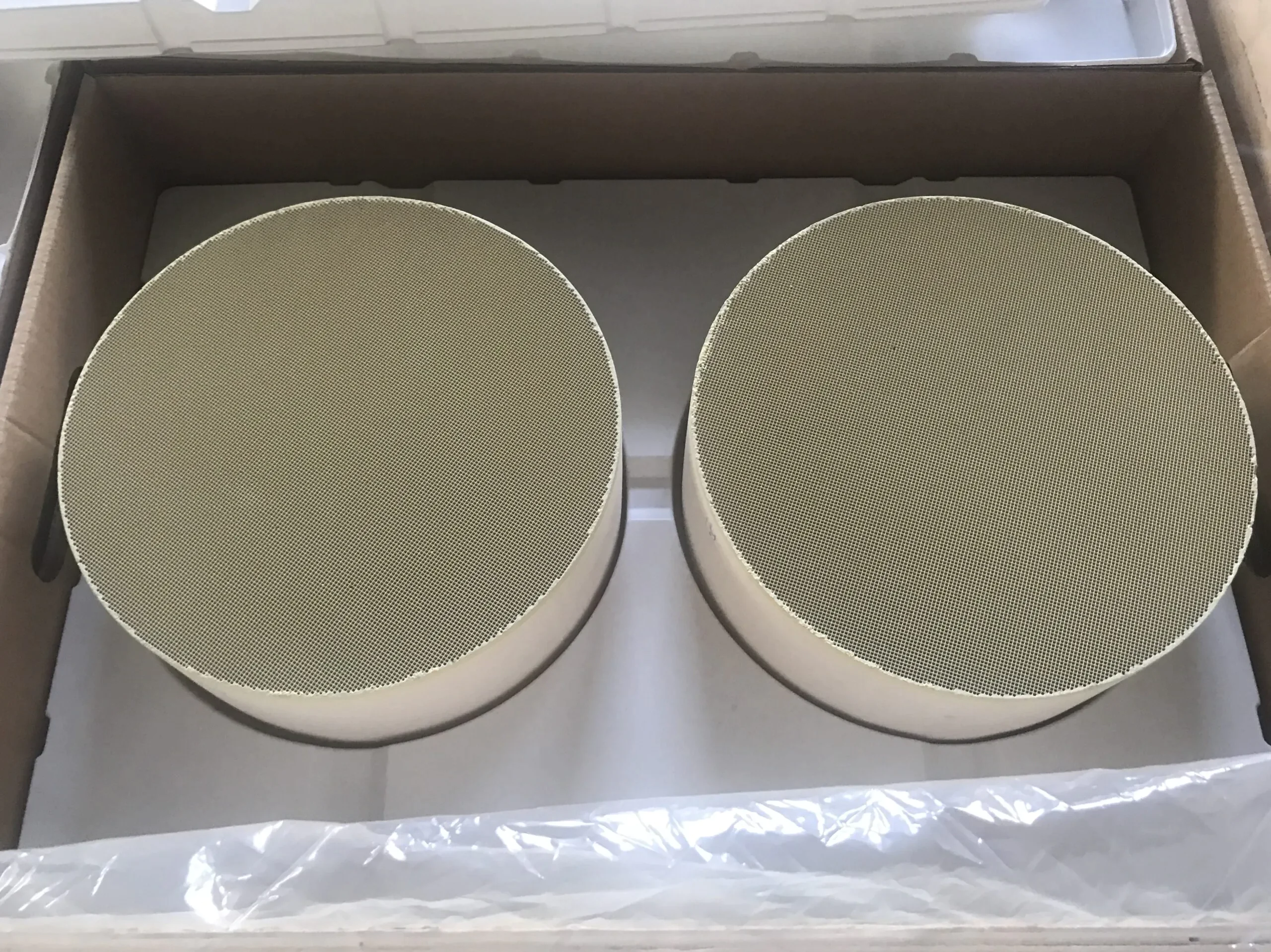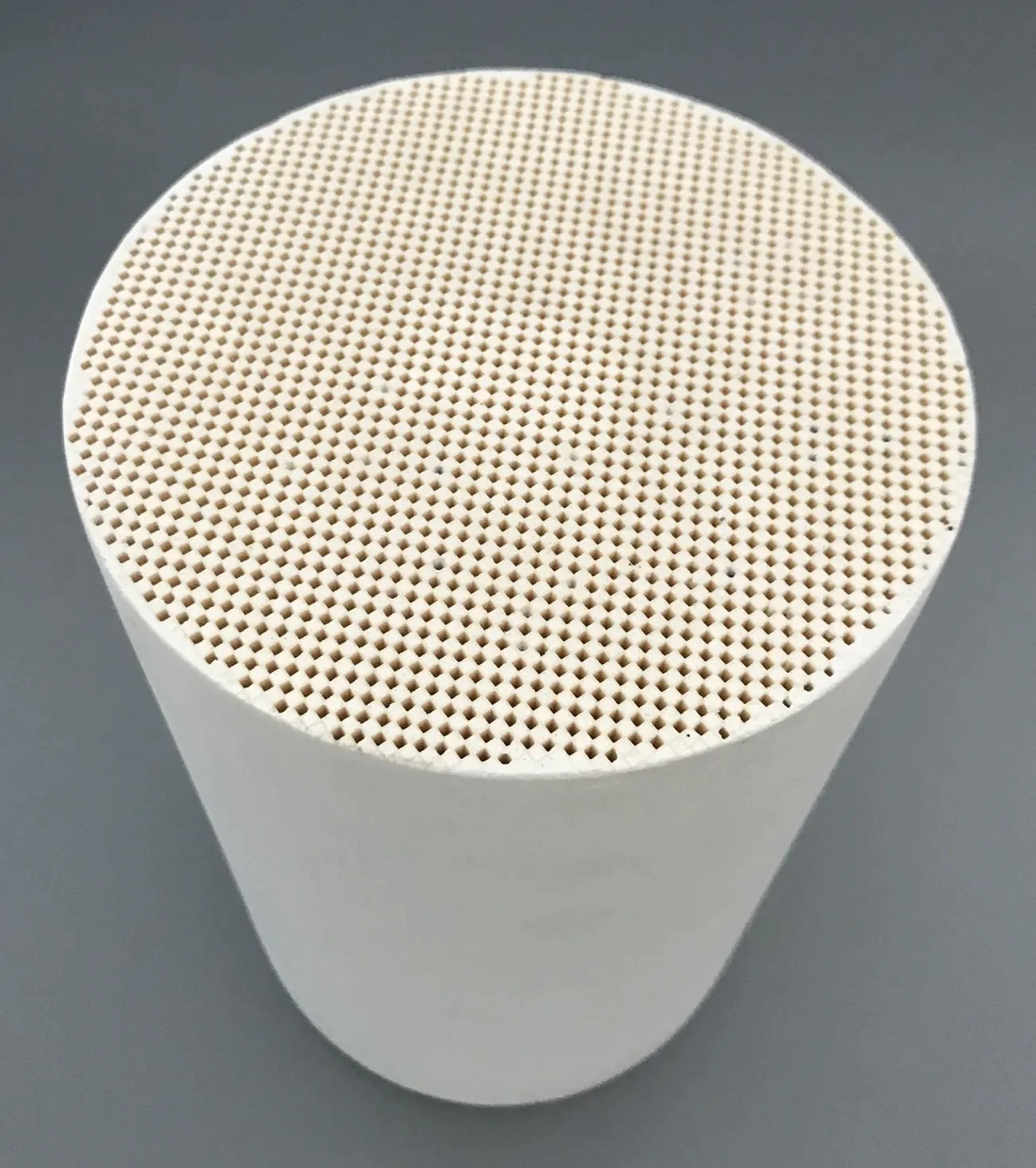
For fleet managers, equipment operators, and maintenance technicians in the B2B sector, optimizing the performance of the after-treatment system is essential for maintaining compliance, fuel efficiency, and vehicle uptime. At the core of this system is the Diesel Oxidation Catalyst (DOC), an engineered flow-through device that pre-treats exhaust gases.
While the DOC does not filter particulate matter (soot) like the Diesel Particulate Filter (DPF) positioned downstream, it is still susceptible to contamination and residue buildup, which can severely compromise the efficiency of the entire emissions chain. Understanding how to clean a diesel oxidation catalyst is a critical part of a comprehensive maintenance strategy.
The Need for DOC Cleaning: Contaminants and Degradation
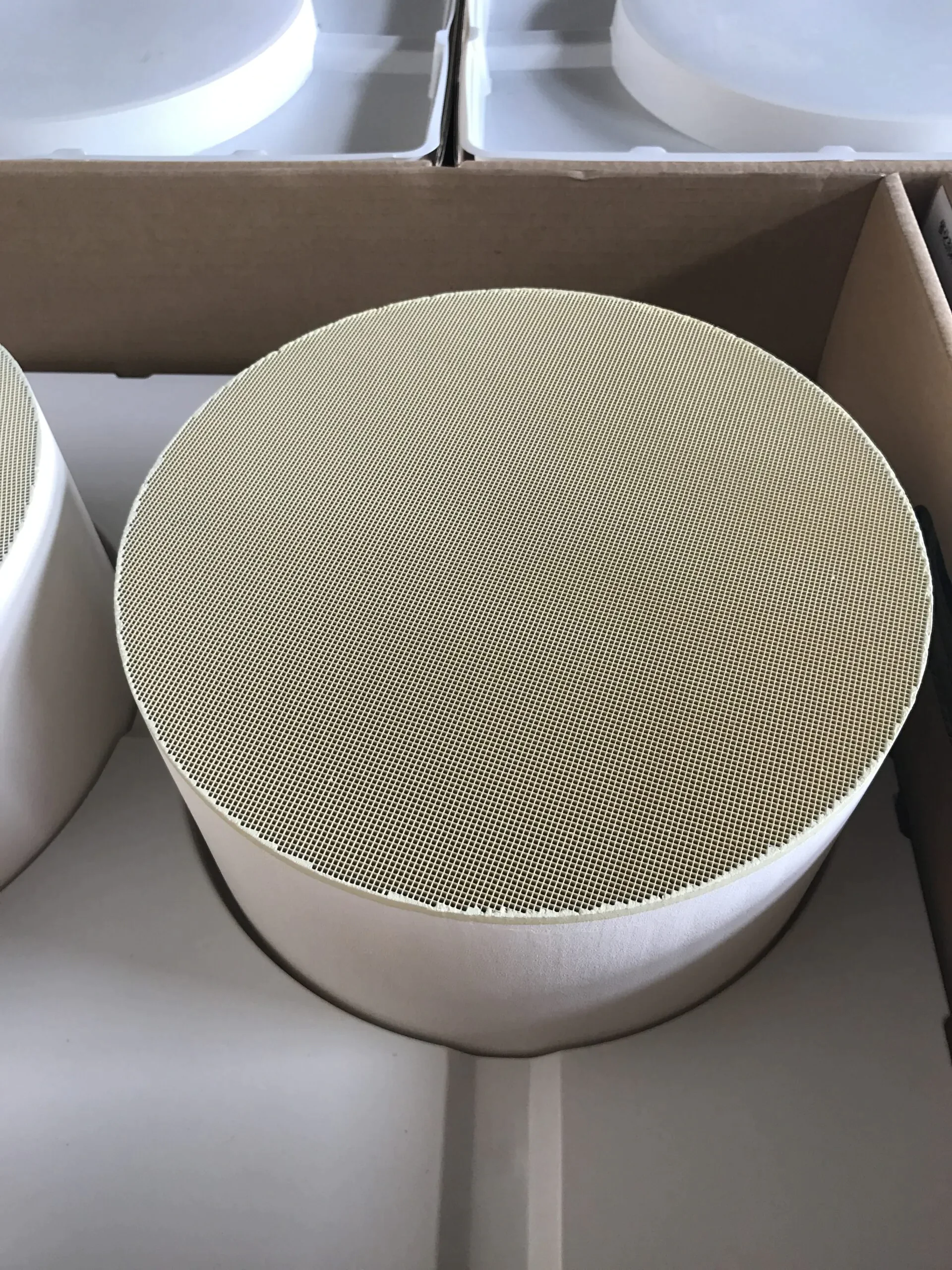
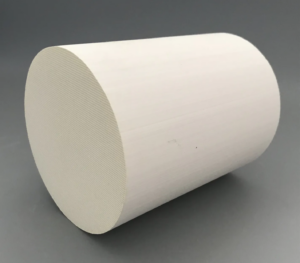
The diesel oxidation catalytic converter is designed to chemically convert harmful gases—Carbon Monoxide (CO), Hydrocarbons (HC), and Nitric Oxide (NO) into Nitrogen Dioxide (NO2), using a washcoat of precious metals (Platinum, Palladium) on a ceramic honeycomb substrate.
Since the DOC is a flow-through device and not a filter, it does not trap soot aggressively. However, contamination occurs in two primary ways that necessitate professional cleaning:
- Ash and Soot Deposits (Face Plugging)
All exhaust gas passes through the DOC first. While most soot is managed downstream by the DPF, soot and ash can accumulate on the inlet face of the DOC, a condition known as “face plugging.” This reduces the flow rate and limits the catalyst’s ability to engage the exhaust gas, dropping its conversion efficiency. Excessive idling or low-temperature operation exacerbates this issue.
- Catalyst Poisoning and Contamination
This is a more severe form of contamination where non-combustible materials enter the exhaust stream. Common culprits include:
Oil and Lube Additives: Zinc, phosphorus, calcium, and sulfur, which originate from engine oil consumption or lubricant additives, form a non-reactive film over the precious metal coating, effectively “poisoning” the catalyst and preventing the necessary chemical reactions.
Coolant Leaks: Ethylene glycol from coolant can instantly and permanently damage the catalyst structure.
Improper Fuel: Certain fuel contaminants can leave deposits that are resistant to normal heat-based removal.
When a DOC becomes compromised, the entire system fails: the DPF cannot regenerate effectively, leading to back pressure, warning lights, and eventually, engine derate. This is why regular cleaning and inspection of the diesel exhaust catalyst is vital whenever the downstream DPF is serviced.
Professional DOC Cleaning Methods
Due to the delicate ceramic structure and the sensitive precious metal washcoat, the DOC should not be cleaned using harsh DIY methods. Professional cleaning relies on carefully controlled thermal, pneumatic, and chemical processes designed to remove contaminants without stripping the catalyst.
There are three primary methods employed by specialized service centers:
- Pneumatic (Air) Cleaning
This is the least aggressive method, often used as a preliminary step.
Process: High-volume, low-pressure compressed air is introduced to the DOC, often flowing in the reverse direction of the normal exhaust stream.
Purpose: To loosen and remove loose, dry ash and particulate matter that have accumulated on the inlet face and within the channels.
- Thermal (Bake) Cleaning
Heat is the most effective way to break down accumulated soot and carbon deposits.
Process: The DOC is placed into a specialized, controlled industrial oven (pyrolysis oven) where it is gradually heated to extremely high temperatures (typically 500℃ to 650℃ or 932∘F to 1,202∘F) over a specific cycle. The heat safely oxidizes and converts the accumulated soot and hydrocarbons into ash, which can then be removed.
Purpose: To remove hardened soot and carbon buildup that pneumatic cleaning cannot. This is often followed by another pneumatic step to blow out the resulting ash.
- Aqueous (Wet) Cleaning
This method is primarily used for removing non-combustible contaminants like oil, coolant, or sticky hydrocarbons that high heat cannot entirely resolve.
Process: The DOC is soaked or flushed with a specialized, non-acidic, water-based cleaning solution (often a strong degreaser) that chemically dissolves the oil, fuel residue, and soluble organic matter. This is followed by a thorough, high-pressure water rinse and a slow, controlled drying cycle to prevent damage to the substrate.
Purpose: To eliminate catalyst poisoning caused by fluid contamination. This method is the most complex and time-consuming but highly effective for severely contaminated units.
When to Clean Your Diesel Exhaust Catalyst
Unlike the DPF, which has built-in regeneration cycles, the DOC requires external cleaning only when contamination compromises its function.
Coordinated Cleaning: The most common best practice is to remove, inspect, and clean the diesel oxidation catalytic converter whenever the downstream DPF is pulled for its scheduled cleaning.
Warning Signs: Unscheduled cleaning is needed if the system exhibits signs of performance drop that cannot be attributed to the DPF, such as:
Sustained, abnormal back pressure readings upstream of the DOC. System codes related to low catalyst efficiency. Visual inspection showing heavy face plugging or oil/coolant contamination.
Ignoring the maintenance of the diesel exhaust catalyst forces the engine to compensate, leading to increased fuel consumption, higher operating temperatures, and ultimately, a reduced lifespan for the DPF and engine. Professional cleaning ensures that the entire after-treatment system, starting with the Hualian Catalyst DOC, remains in peak operating condition.
Hualian Catalyst DOC: Durability and Maintenance
The quality of the ceramic substrate in your diesel oxidation catalytic converter is the foundation of its longevity and its ability to withstand professional cleaning cycles. Hualian Catalyst specializes in advanced honeycomb ceramic catalysts built for the rigors of heavy-duty, commercial, and industrial diesel applications (B2B).
Core Features that Support Cleanability:
High Thermal Shock Resistance: Products like the Hualian Catalyst Cordierite DOC are chosen for their low coefficient of thermal expansion, meaning the ceramic is less likely to crack or sustain internal damage during the extreme heat cycles of professional thermal cleaning.
Robust Washcoat Adhesion: The precious metal washcoat is applied using proprietary techniques that ensure maximum adhesion to the high surface area of the ceramic substrate. This minimizes the risk of the critical catalytic coating being inadvertently stripped or washed away during pneumatic or aqueous cleaning processes.
Optimized Cell Geometry: The precise channel geometry (CPSI) of the Hualian Catalyst DOC facilitates flow. While a higher cell density increases efficiency, it also requires more meticulous cleaning. Hualian’s quality control ensures channels are uniform, allowing cleaning solutions and air to pass efficiently, removing contamination effectively.
For operators utilizing a high-quality Hualian Catalyst component, regular maintenance is straightforward and highly effective.