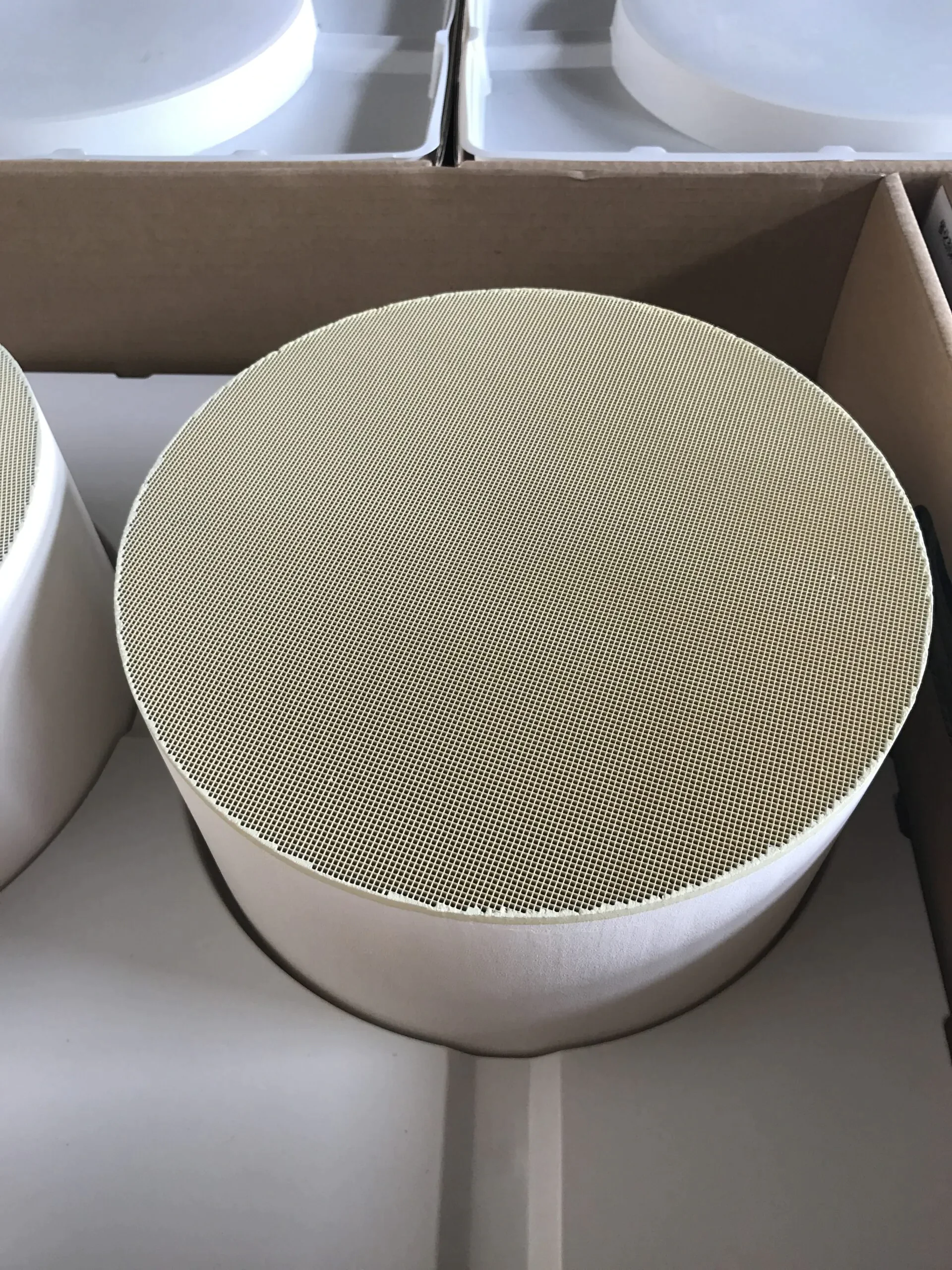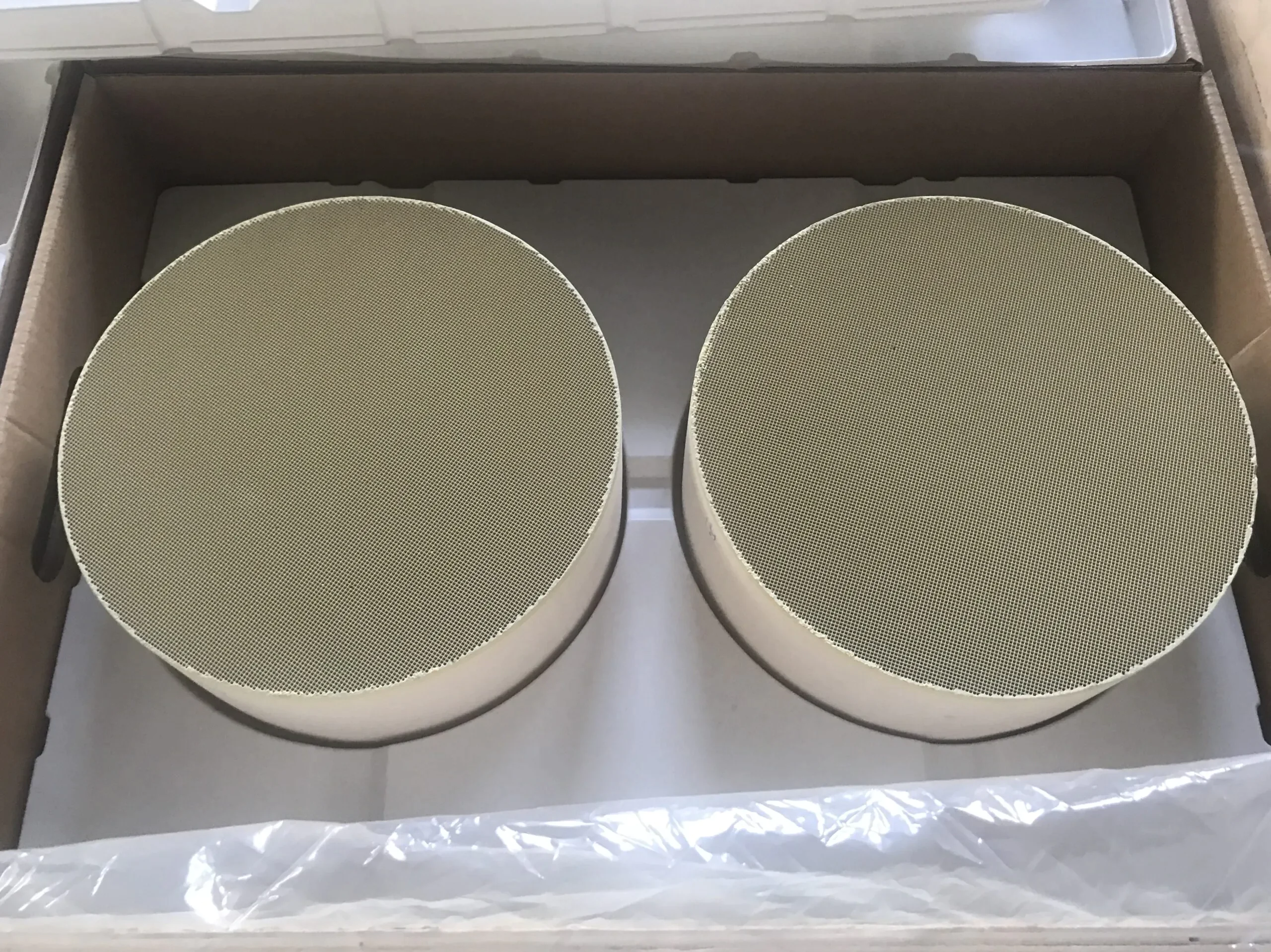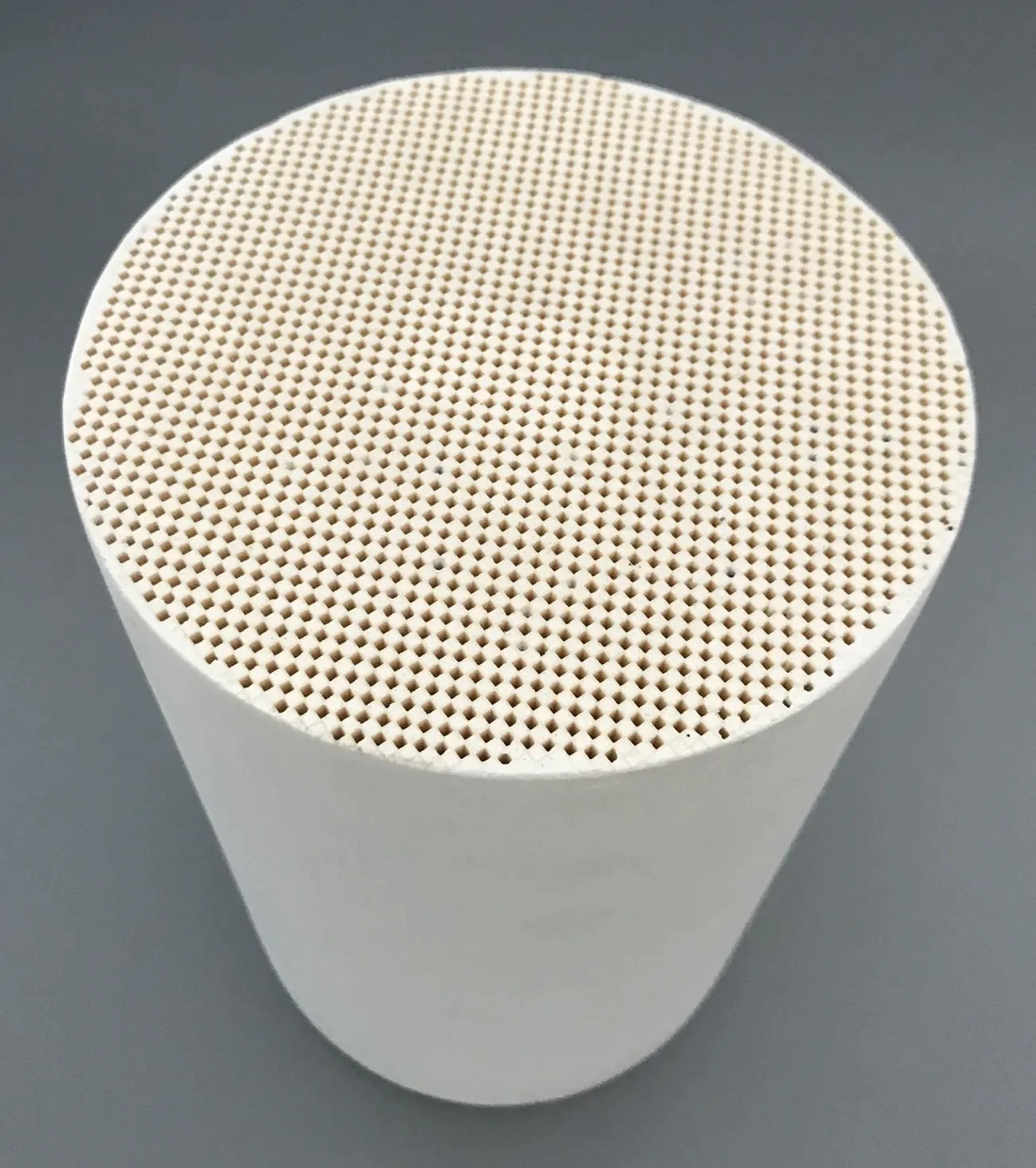
The global drive toward cleaner air and stricter emission standards has placed the catalytic converter at the forefront of automotive engineering. As a vital component in modern exhaust systems, the converter relies heavily on its internal structure, specifically the ceramic catalytic converter substrate, to effectively remove harmful pollutants like hydrocarbons (HC), carbon monoxide (CO), and nitrogen oxides (NOx).
For manufacturers, choosing a substrate that guarantees performance and longevity is paramount. Evaluating the durability of a catalytic converter ceramic honeycomb structure is a complex process that moves beyond simple visual inspection, encompassing rigorous testing of mechanical, chemical, and thermal properties. Understanding these key evaluation metrics is essential for ensuring product quality and compliance.
Hualian Catalyst: A Legacy of Excellence in Ceramic Substrates
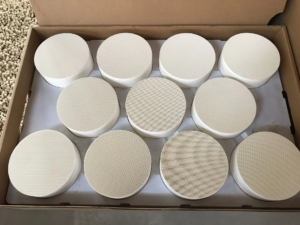
Pingxiang Hualian Chemical Ceramic Co., Ltd., operating as Hualian Catalyst, is a manufacturer with over 30 years of experience specializing in high-performance honeycomb ceramics and catalysts. Their extensive product line, ranging from thermal storage ceramics to catalyst support media, clearly indicates a target audience in the B2B (Business-to-Business) sector, serving automotive component manufacturers, chemical engineering firms, and industrial equipment suppliers.
The company emphasizes robust research and development, holding certifications such as ISO9001 and ISO/TS16949, which are critical for quality management in the automotive supply chain. This focus on industrial quality and customization demonstrates their commitment to delivering reliable substrates, such as their HC/CO/NOx TWC Three-Way Catalysts with a ceramic substrate.
Hualian’s ceramic substrates are specifically engineered for the demanding automotive environment. They are typically composed of magnesium alumino-silicate (cordierite) compounds, a material favored for its low coefficient of thermal expansion (CTE) and excellent mechanical strength. This composition is essential for durability, as it minimizes the internal stresses caused by extreme temperature fluctuations—a primary cause of substrate failure.
The Essential Durability Pillars of Ceramic Catalysts
The durability of a ceramic catalytic converter substrate is defined by its ability to maintain its structural integrity and catalytic efficiency throughout the vehicle’s lifespan. This evaluation is broken down into three critical pillars: mechanical strength, thermal endurance, and chemical resistance.
- Mechanical Robustness and Isostatic Strength
The internal ceramic honeycomb structure must be physically strong enough to withstand the engine’s intense vibrations and the rapid, powerful pulsing of exhaust gas flow.
Compression and Isostatic Strength: This measures the substrate’s ability to resist crushing force from the mounting mat and the surrounding metallic shell during assembly and operation. Strong axial and isostatic strength values are crucial to prevent the ceramic block from fracturing or crumbling inside the converter housing. Industry-standard testing, such as isostatic strength tests, determines the pressure a substrate can endure before structural failure.
Vibration and Shock Testing: Catalytic converters are positioned near the engine, exposing them to continuous road shock and engine vibration. Durability testing simulates thousands of kilometers of vehicle operation to ensure the substrate remains firmly seated without shifting, cracking, or degrading the vital catalyst washcoat layer.
- Thermal Stress and Thermal Shock:ResistanceAutomotive exhaust temperatures can swing drastically—from ambient temperatures at startup to maximum operating temperatures that can exceed 1000℃ in a matter of minutes. The difference in temperature between the center and the edge of the monolith creates internal tensile stress.Thermal Shock Resistance: This is arguably the most crucial factor for ceramic catalytic converter longevity. Thermal shock testing, often involving repeated hot/cold cycling, evaluates the material’s ability to survive rapid temperature changes without cracking. Cordierite, the typical material for Hualian Catalyst substrates, is chosen precisely for its low CTE, which inherently grants superior thermal shock resistance compared to other ceramics.
Maximum Operating Temperature: Durability requires a high melting and degradation point. Reputable manufacturers specify the maximum working temperature of their substrates to guarantee performance even under conditions like aggressive driving or engine misfire.
- Chemical Attack and AgingResistance: The exhaust stream is a chemically aggressive environment, containing uncombusted fuels, lubricants, sulfur, and phosphorus compounds.
Poisoning Resistance: The substrate must be chemically inert and resistant to “poisoning,” where compounds like zinc or lead can coat the ceramic and deactivate the active precious metal washcoat (Platinum, Palladium, Rhodium). Durability is often evaluated through accelerated aging protocols that simulate thousands of hours of engine operation, exposing the catalyst to known deactivating agents to measure the drop in conversion efficiency over time.
Testing must ensure that the washcoat does not flake or delaminate under thermal stress or vibration, which would drastically reduce the effective surface area available for the chemical reactions.
The Hualian Catalyst Assurance
For industry partners seeking a durable solution, Hualian Catalyst’s commitment to automotive-specific certifications and advanced material selection ensures that their HC/CO/NOx TWC ceramic substrates meet the most stringent durability requirements. By focusing on low-CTE cordierite materials, precise coating techniques, and rigorous B2B quality control, Hualian provides the reliable foundation necessary for high-performance and long-lasting emission control systems.