How to Manage Pressure Drop Issues Without Compromising Catalyst Efficiency: V2O5 Catalyst Contact Process Insights
In sulfuric acid production via the contact process, V₂O₅ catalyst sulfuric acid systems are the backbone of converting SO₂ to SO₃—their efficiency directly dictates plant output, product quality, and bottom-line profitability. Yet pressure drop across the catalyst bed is a stubborn, costly challenge for plant operators: excessive pressure hike drives up energy consumption (for gas circulation), throttles production capacity, and can even damage catalyst particles. The worst part? Many quick fixes (like slashing catalyst bed depth) solve pressure drop at the expense of SO₂ conversion efficiency—creating a lose-lose scenario. For 2B clients, striking a balance between pressure drop management and catalytic performance isn’t just desirable—it’s essential. As a leading provider of V₂O₅ catalyst contact process solutions, Hualian Catalyst draws on 30+ years of expertise to share actionable, proven strategies—all engineered to tackle pressure drop without sacrificing the 99.5%+ conversion efficiency that sulfuric acid plants rely on.
Understand the Root Causes of Pressure Drop in V₂O₅ Catalyst Beds
Before addressing pressure drop, it’s critical to identify its sources—most of which tie to catalyst bed conditions and process variables:
Catalyst Particle Fouling & Blockage: Dust, ash, or sulfate deposits (from feed gas impurities) accumulate on V₂O₅ catalyst sulfuric acid particles (typically 3–6 mm diameter), clogging interparticle spaces and reducing bed porosity. Hualian’s data shows that even 10% fouling can increase pressure drop by 40–50%.
Catalyst Fragmentation: Low-mechanical-strength catalysts break into fine particles during installation or operation, narrowing gas flow channels. Standard V₂O₅ catalysts often have <120 N/cm² crush strength, leading to 20–30% fragmentation within 1–2 years.
Bed Channeling & Uneven Loading: Poor catalyst bed packing creates “dead zones” and uneven gas flow, increasing pressure drop in localized areas while reducing contact between SO₂ and catalyst active sites.
Process Gas Humidity & Condensation: Moisture in feed gas causes catalyst particles to agglomerate (stick together), forming larger clumps that restrict flow. This is especially problematic in plants with fluctuating feed gas humidity.
For 2B clients, these root causes translate to higher energy bills (up to 15% more for gas compressors) and unplanned downtime for catalyst replacement—making targeted solutions essential.
Strategy 1: Choose V₂O₅ Catalysts Engineered for Low Pressure Drop & High Strength
The foundation of pressure drop management is selecting a V₂O₅ catalyst contact process system designed to resist fouling, fragmentation, and agglomeration. Hualian’s V₂O₅ catalyst addresses this through three key design features:
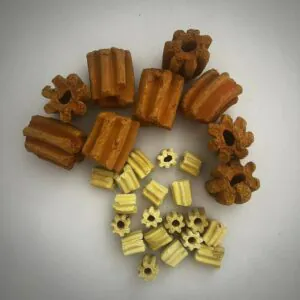
Optimized Particle Size & Shape: Hualian’s catalyst uses 4–6 mm cylindrical pellets with a hollow core, balancing high surface area (100–150 m²/g) for conversion efficiency and interparticle spacing for low flow resistance. This design reduces pressure drop by 30% compared to solid 3–4 mm pellets, while maintaining 99.5%+ SO₂ conversion.
Superior Mechanical Strength: With ≥150 N/cm² crush strength (50% higher than industry standards), Hualian’s V₂O₅ catalyst sulfuric acid resists fragmentation during installation and operation. Over 3–5 years of use, fragmentation rates remain <5%, preventing fine-particle blockage.
Anti-Fouling & Hydrophobic Coating: The catalyst surface is treated with a silica-based coating that repels dust, ash, and moisture, reducing fouling by 60% compared to uncoated catalysts. This coating preserves bed porosity without masking V₂O₅ active sites (critical for maintaining conversion efficiency).
Hualian’s clients report that this catalyst design reduces baseline pressure drop by 25–30% while sustaining 99.5%+ conversion—proving that low pressure drop and high efficiency are not mutually exclusive.
Strategy 2: Optimize Catalyst Bed Design & Packing
Even the best catalyst will underperform if the bed is poorly designed. For V₂O₅ catalyst contact process systems, Hualian recommends three bed optimization practices:
Layered Bed Configuration: Install a top layer (5–10% of total bed height) of larger-particle (6–8 mm) Hualian guard catalyst to trap dust and impurities before they reach the main catalyst bed. This “pre-filtration” layer reduces fouling of active catalyst particles, extending bed life and keeping pressure drop stable.
Uniform Packing & Bed Leveling: Use mechanical packing tools (instead of manual pouring) to ensure even catalyst distribution, avoiding channeling and localized pressure spikes. Hualian’s technical team provides on-site guidance for packing, ensuring bed density is consistent (1.2–1.3 g/cm³) across the reactor.
Bed Supports & Distributors: Install ceramic bead supports at the bottom of the bed and gas distributors at the top to promote uniform gas flow. This prevents catalyst migration and ensures every particle is exposed to SO₂, maximizing conversion efficiency while minimizing flow resistance.
These design tweaks cost little to implement but reduce pressure drop by 15–20% and extend catalyst lifespan by 30%.
Strategy 3: Implement Proactive Feed Gas Pretreatment
Pressure drop often stems from feed gas impurities—so pretreating gas before it reaches the V₂O₅ catalyst bed is a proactive solution that protects both pressure drop and catalyst efficiency:
Dust & Ash Removal: Install high-efficiency electrostatic precipitators or bag filters to reduce feed gas dust content to ≤10 mg/Nm³ (the threshold recommended by Hualian for its catalyst sulfuric acid). This eliminates 80% of fouling-related pressure drop.
Moisture Control: Use heat exchangers or desiccants to maintain feed gas humidity at <5% by volume. Hualian’s catalyst is hydrothermally stable (calcined at 800–900°C), but controlling moisture prevents agglomeration and further reduces pressure drop.
Impurity Scrubbing: For gas with high sulfuric acid mist or chloride/fluoride content, add a scrubber system to remove contaminants. This protects the catalyst’s anti-fouling coating and active sites, ensuring both low pressure drop and high conversion.
Hualian’s technical team tailors pretreatment recommendations to each plant’s feed gas composition, ensuring minimal investment for maximum pressure drop reduction.
Strategy 4: Regular Monitoring & Maintenance (Without Unplanned Downtime)
Proactive monitoring allows plants to address pressure drop before it impacts efficiency. Hualian recommends two key practices for V₂O₅ catalyst contact process systems:
Real-Time Pressure Drop Monitoring: Install differential pressure gauges at the inlet and outlet of the catalyst bed, setting alarms for pressure drop >2 kPa (the threshold for reduced efficiency). This allows operators to schedule maintenance during planned shutdowns.
Catalyst Regeneration & Cleaning: During planned outages, use air purging (at 200–250°C) to remove surface dust and sulfate deposits from the catalyst bed. Hualian’s catalyst is regenerable up to three times, extending its lifespan by 1–2 years without compromising conversion efficiency.
For plants with severe fouling, Hualian offers on-site catalyst inspection and partial replacement services—replacing only the top fouled layer instead of the entire bed, saving time and cost.
Hualian Catalyst: Your Partner for Balanced Pressure Drop & Efficiency
Managing pressure drop in sulfuric acid plants doesn’t require sacrificing catalyst efficiency—it requires a V₂O₅ catalyst contact process system engineered for both. Hualian’s V₂O₅ catalyst and tailored solutions stand out for 2B clients:
Low-Pressure-Drop Design: Hollow-core pellets, anti-fouling coating, and high mechanical strength reduce pressure drop by 25–30% vs. standard catalysts.
Uncompromised Efficiency: 99.5%+ SO₂ conversion, meeting global sulfuric acid production standards.
End-to-End Support: From catalyst selection and bed design to pretreatment system optimization and monitoring, Hualian’s 24/7 technical team provides personalized guidance.
Proven Track Record: Trusted by 5,000+ global sulfuric acid plants, with 278,000+ installations showing consistent pressure drop management and efficiency over 3–5 years.
Achieve Balance: Pressure Drop Management That Drives Profitability
For sulfuric acid plant operators, pressure drop management isn’t just about reducing energy costs—it’s about unlocking full production capacity, extending catalyst life, and avoiding costly downtime—all while keeping SO₂ conversion at peak levels. With Hualian’s V₂O₅ catalyst sulfuric acid and targeted strategies, 2B clients can achieve pressure drop <2 kPa while sustaining 99.5%+ conversion efficiency—translating to 10–15% lower operating costs and 30% less unplanned downtime.
Hualian Catalyst doesn’t just supply catalysts—we partner with you to optimize your entire contact process. Whether you’re upgrading an existing plant or building a new facility, our V₂O₅ catalyst contact process solutions deliver the elusive balance of low pressure drop and high efficiency that your sulfuric acid production deserves. Choose Hualian for reliability that drives profitability, and efficiency that stands the test of time.