At Hualian Catalyst, we focus on delivering solutions that strengthen process reliability for experienced operators in sulfuric acid production. When optimizing the contact process, the role of a V₂O₅ catalyst contact process system is central to achieving a stable conversion path from SO₂ to SO₃. By refining the physical and chemical performance of our V₂O₅ vanadium pentoxide catalyst sulfuric acid formulation, we ensure that the reaction bed maintains uniform temperature distribution and consistent flow behavior. This foundation allows plant engineers to manage higher throughput while preserving the operational characteristics required for long-term system stability.
Material Engineering and Performance Behavior Under Demanding Conditions
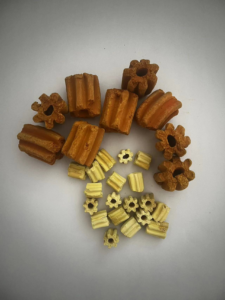
To support the needs of industrial users, we design our vanadium pentoxide catalysts with attention to structure, surface area, and chemical composition. The inclusion of caesium components enhances the activity window and supports lower continuous operating temperatures, which is valuable for plants aiming to reduce heat load without compromising the oxidation step. When implementing a catalyst for sulphuric acid solution, many operators focus on achieving predictable activation behavior across each layer of the converter. Our approach emphasizes consistency: we apply advanced manufacturing techniques and strict quality controls to ensure that each batch performs within narrow tolerances. This strengthens temperature resilience and supports stable SO₂ conversion rates, even under fluctuating feed conditions.
Integrating V₂O₅ Solutions Into Established Converter Systems
In sulfuric acid plants where long operating cycles are expected, many customers look for catalysts that can maintain activity over extended campaigns. Our V₂O₅-based system, especially the caesium-containing variants, helps reduce SO₂ slip and supports efficient SO₃ formation at lower inlet temperatures. These benefits allow operators to optimize the heat balance of the converter without disrupting established control routines. When evaluating a V₂O₅ catalyst contact process configuration, we provide technical support on loading patterns, layer design, and operational monitoring. This guidance assists teams in coordinating catalyst behavior with their specific converter geometry, feed composition, and production targets. Through these measures, our customers achieve steady performance and practical gains in energy consumption and catalyst life.
Conclusion: Strengthening Contact Process Efficiency With Advanced Catalyst Design
Optimizing the contact process requires a solution that fits the operational realities of modern sulfuric acid plants. By applying our experience and focusing on the essential characteristics of a catalyst for sulphuric acid, we help operators improve conversion efficiency while managing thermal conditions more effectively. Our development of advanced V₂O₅ vanadium pentoxide catalyst sulfuric acid products supports these objectives through reliable reaction performance, controlled temperature profiles, and long service life. With the integration of a V₂O₅ catalyst contact process strategy across the converter system, we work with customers to enhance process stability and overall plant performance.