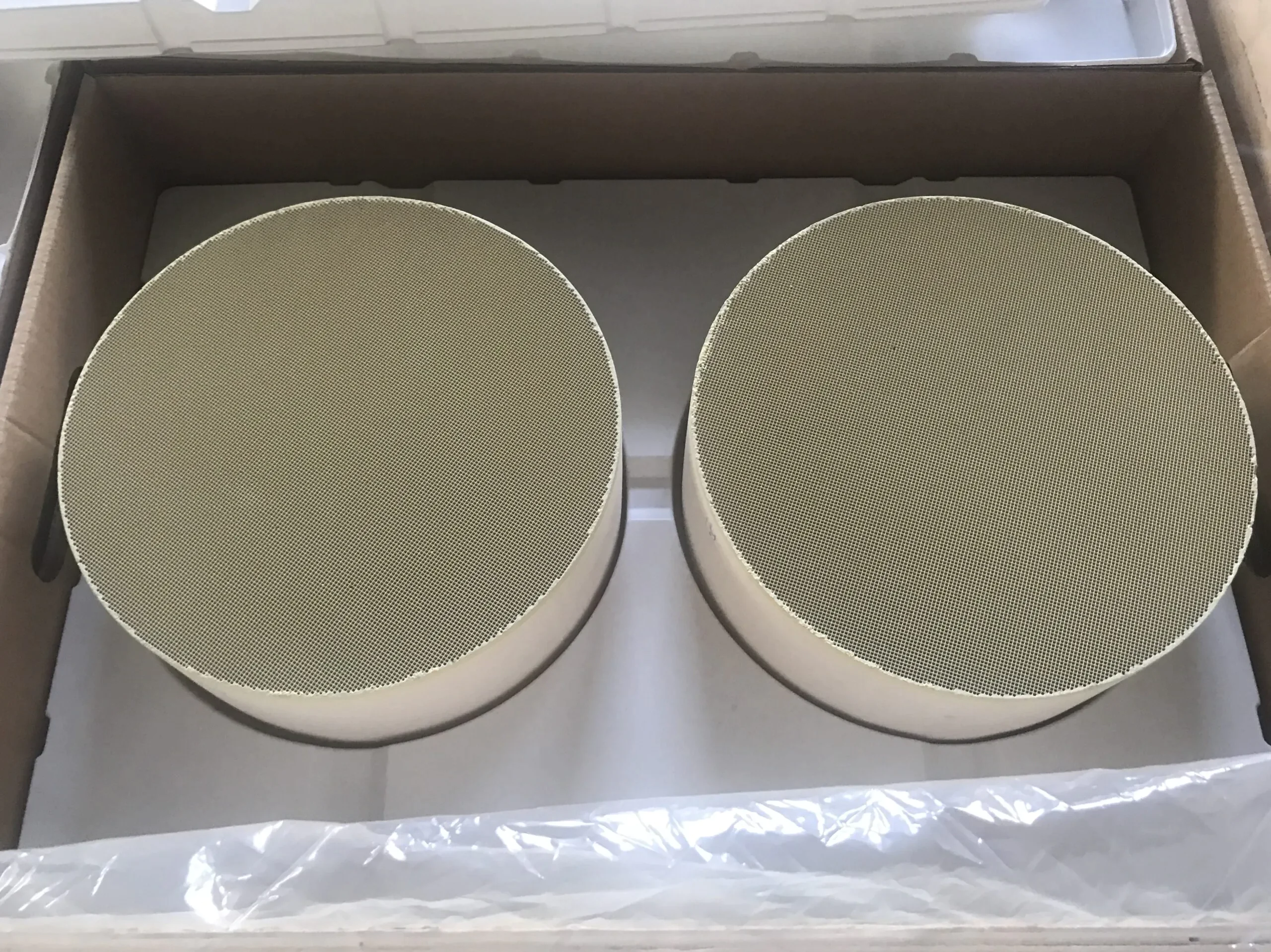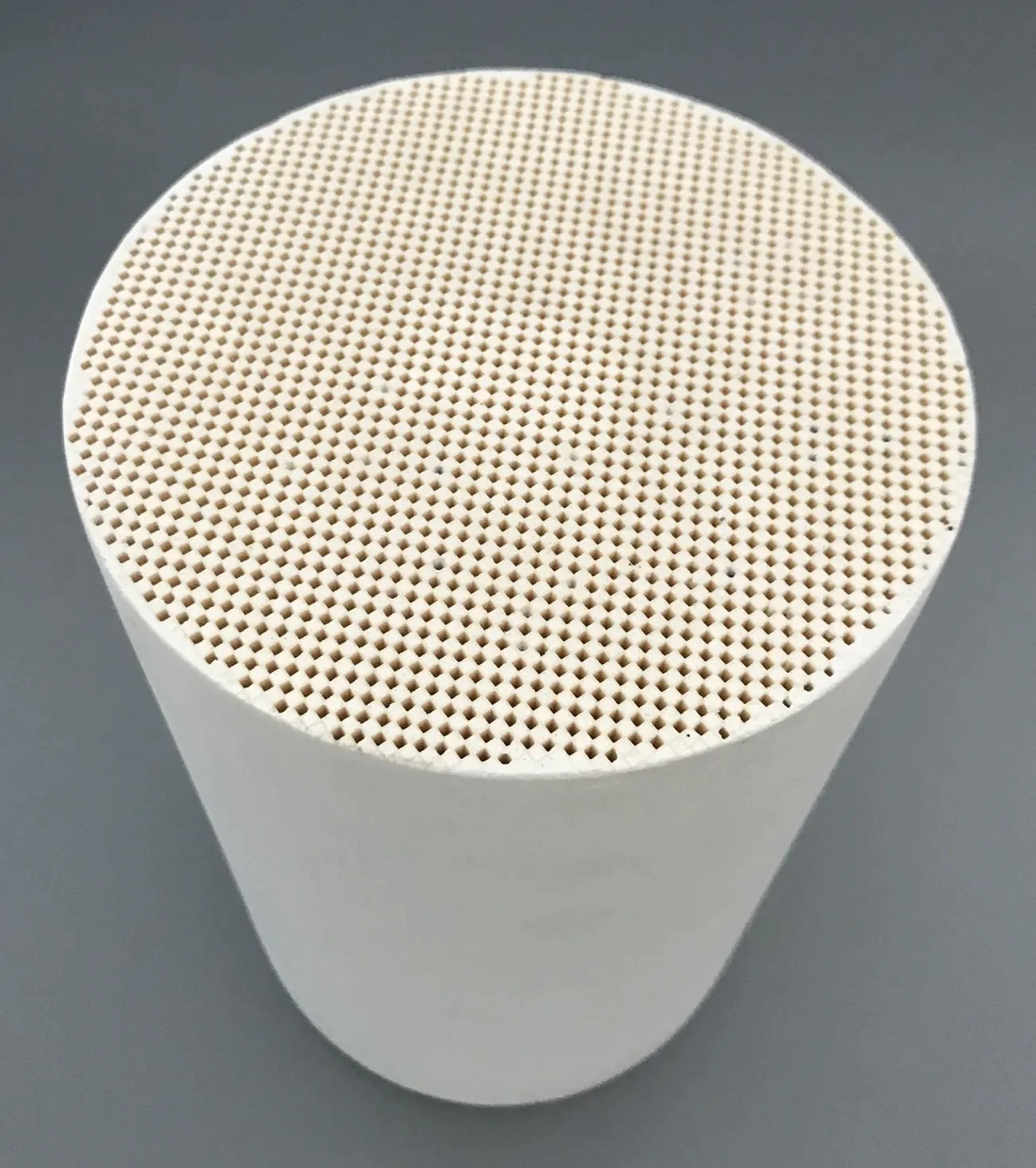
For fleet managers and heavy-duty equipment operators, the Diesel Particulate Filter (DPF) is a pivotal component in maintaining emission compliance and engine efficiency. Over time, these filters accumulate non-combustible ash derived from lubricating oil additives and engine wear, which cannot be removed through passive or active regeneration. Unlike soot, this ash must be phySICally removed to restore the filter’s flow dynamics. When dealing with a high-performance SIC DPF filter (Silicon Carbide), the cleaning process requires specific protocols. While Silicon Carbide is renowned for its superior thermal stability and melting point compared to Cordierite, it requires careful handling during maintenance to preserve the integrity of the substrate and the catalytic washcoat. Hualian Catalyst emphasizes that a disciplined cleaning regimen is essential for extending the operational life of these premium components.
Understanding the Material Properties of Silicon Carbide
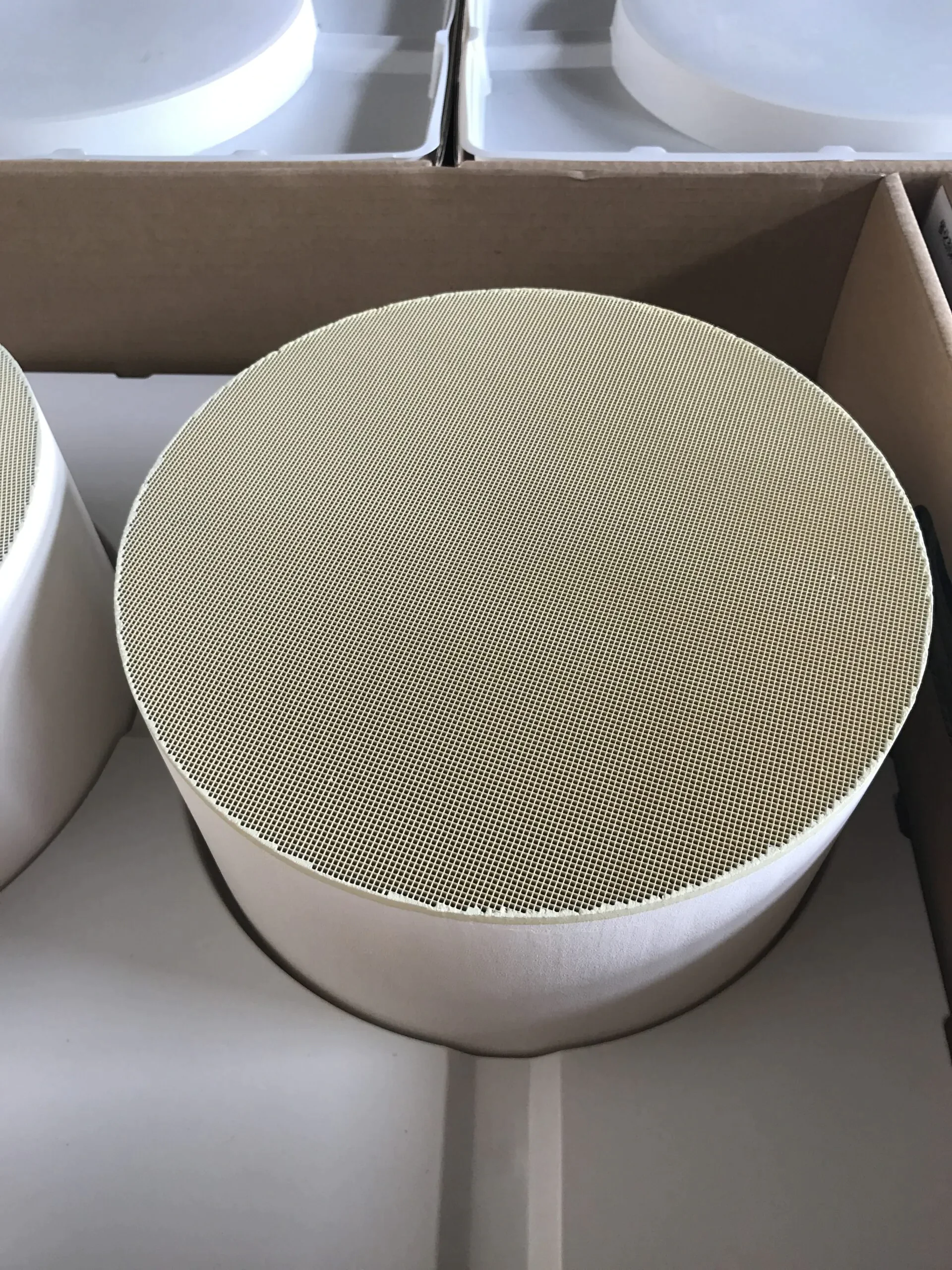
To clean a filter effectively, one must understand what it is made of. The silicon carbide DPF is a robust, its long-term safe operating temperature is about 850-1000°C, and the regeneration temperature can reach up to 1100°C. It is typically constructed from segmented blocks cemented together to allow for thermal expansion. This segmented design makes the SIC DPF filter incredibly resistant to the thermal shock that often destroys monolithic filters. However, during cleaning, this segmented structure introduces specific vulnerabilities. Operators must ensure that the cleaning method—whether pneumatic or thermal—does not degrade the cement holding the segments together. Hualian Catalyst engineers our SIC products with high-strength bonding agents, but aggressive mechanical handling or improper chemical exposure can still compromise the structural unity of the filter core.
Diagnostic Pre-Checks and Structural Inspection
Before any cleaning process begins, a thorough inspection is mandatory. This involves measuring the backpressure and weighing the unit to estimate the ash load. Experienced technicians know that a silicon carbide DPF should be inspected for face plugging or ring cracks prior to cleaning. If the substrate is already compromised by a thermal event (such as an uncontrolled regeneration), cleaning will not salvage it. Hualian Catalyst advises using a pin gauge test and a light test to verify that the channels are straight and unblocked. Attempting to clean a structurally failed filter can lead to the release of ceramic debris into the cleaning machinery or, worse, back into the engine exhaust stream upon reinstallation.
Pneumatic Cleaning: The First Line of Defense
The most common and safest method for removing loose ash is pneumatic cleaning, often referred to as “air blasting.” This process uses compressed air to dislodge ash from the outlet side of the SIC DPF filter, pushing it back out through the inlet. For a silicon carbide DPF, it is crucial to regulate the air pressure. While SIC is hard, the channel walls are thin to maximize flow. excessive localized pressure can erode the washcoat or micro-crack the channel walls. Automated machines that pulse air through individual cells are preferred over manual air knives, as we provide consistent pressure without the risk of human error. Hualian Catalyst substrates are designed with uniform pore structures that release ash efficiently under standard pneumatic pressures, minimizing the mechanical stress placed on the filter during this stage.
Thermal Cleaning: Managing the Kiln Cycle
When pneumatic cleaning fails to remove deeply impacted soot or sticky hydrocarbon residues, thermal cleaning (baking) is required. This involves placing the SIC DPF filter in a specialized kiln. The temperature ramp-up and cool-down rates are critical. Although the silicon carbide DPF has excellent thermal properties, the metallic canning and the mounting mat do not. Heating the unit too quickly can cause differential expansion that crushes the mat or distorts the can. Furthermore, the maximum temperature must be carefully controlled to burn off soot without sintering the ash into a glass-like glaze that permanently blocks the pores. A controlled cycle ensures that the filter is restored to near-original specifications without inducing thermal stress fractures.
The Risks of Aqueous (Wet) Cleaning Systems
Wet cleaning, involving water and chemical solvents, is a controversial topic in the industry. While it can flush out stubborn ash, it poses significant risks to a silicon carbide DPF. If the wrong surfactants are used, we can react with the washcoat metals (platinum or palladium), effectively deactivating the catalyst. Additionally, if the filter is not dried completely before being subjected to high exhaust temperatures, the rapid expansion of residual water vapor can cause the ceramic to spall or explode. Hualian Catalyst recommends that wet cleaning only be performed by certified professionals using approved chemistries that are compatible with the specific washcoat and substrate formulation provided by the manufacturer.
Post-Cleaning Verification and Re-Canning
Once the cleaning process is complete, verification is key. The SIC DPF filter should be weighed again to quantify the amount of ash removed. A flow bench test should confirm that the pressure drop has returned to acceptable OEM limits. This is also the moment to inspect the canning. The mounting mat, which holds the ceramic core in the steel shell, often loses its elasticity after a thermal cleaning cycle. Re-using a compromised mat can lead to the heavy silicon carbide DPF vibrating loose within the housing, leading to catastrophic mechanical failure on the road. Hualian Catalyst often supplies guidance on the correct matting pressure and canning procedures to ensure the cleaned core remains secure.
Partnering with Hualian Catalyst for Long-Term Reliability
Ultimately, the success of any cleaning operation depends on the initial quality of the component. A poorly manufactured substrate will degrade regardless of how carefully it is cleaned. Hualian Catalyst produces automotive-grade SIC filters that are specifically engineered to withstand the rigors of repeated maintenance cycles. our products feature optimized wall thicknesses and pore connectivity that resist clogging and facilitate easier ash release. By choosing a high-quality SIC DPF filter from a reputable supplier like Hualian Catalyst, fleet operators ensure that our maintenance efforts yield genuine results—restoring performance and extending the service life of the vehicle’s emission control system.