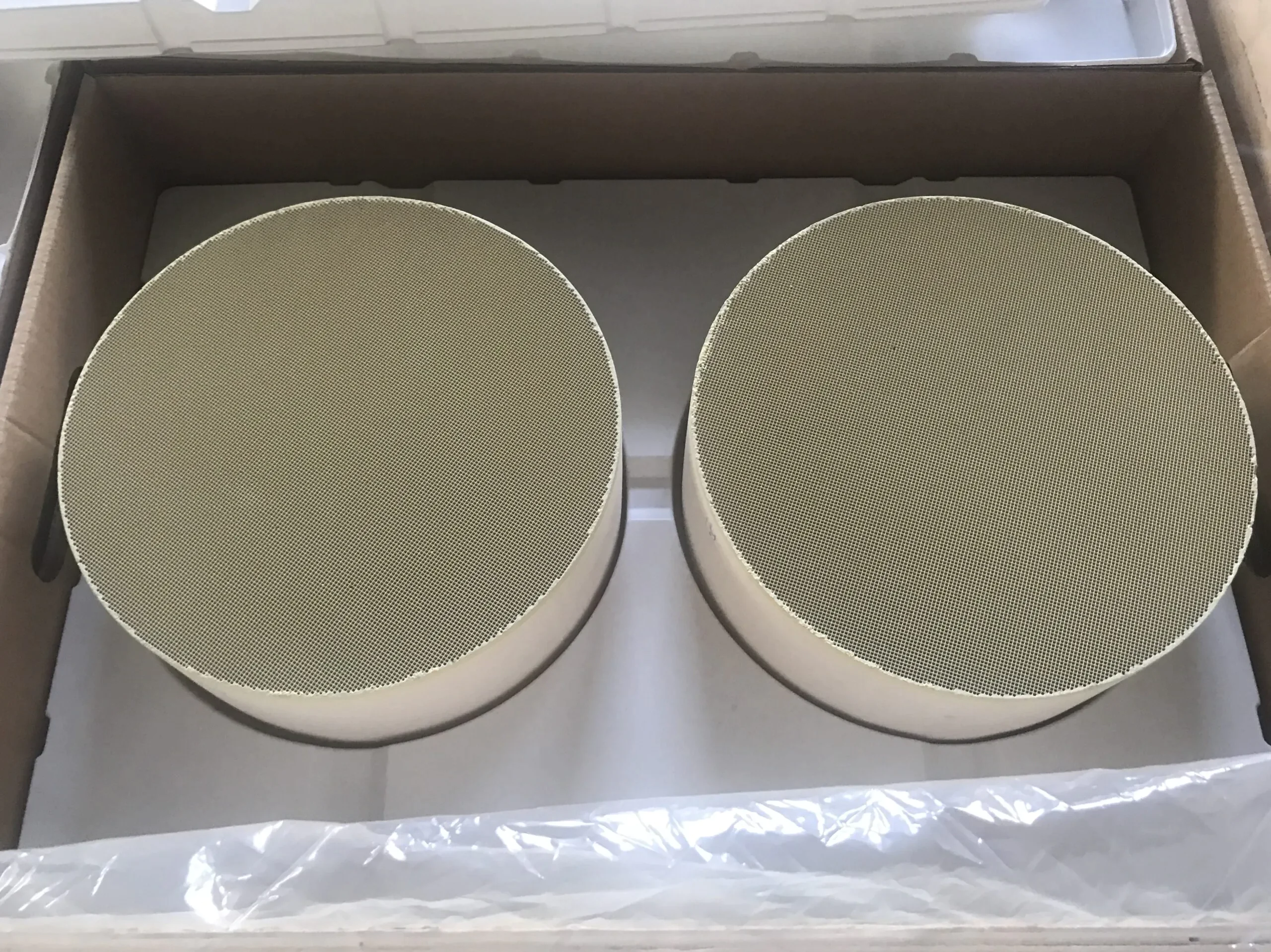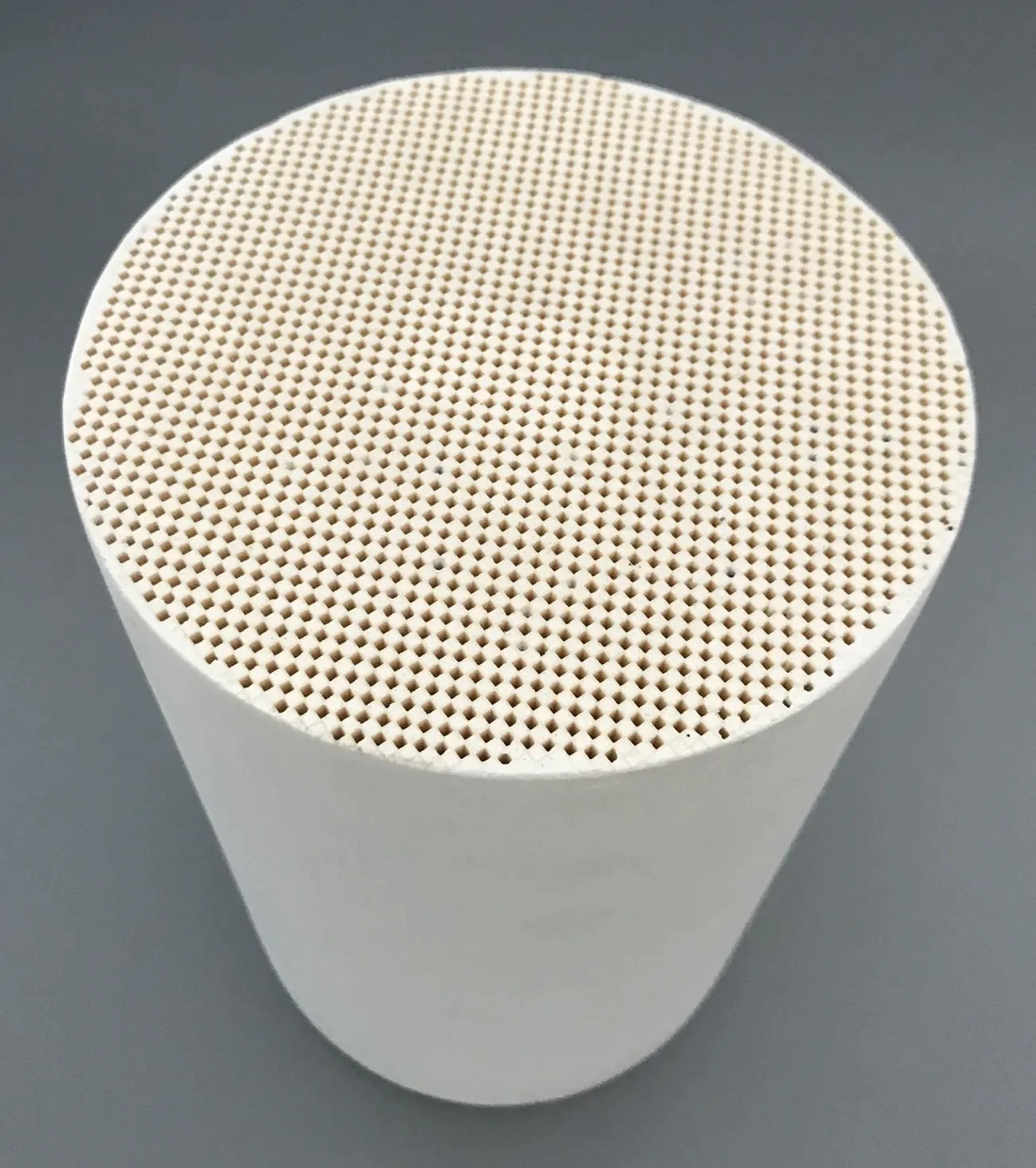
In an increasingly regulated global market, the performance of a Diesel Particulate Filter (DPF) is directly tied to a diesel engine system’s compliance, efficiency, and operational lifespan. For procurement teams, engineers, and exhaust system manufacturers, choosing the right supplier for Silicon Carbide (SiC) and Cordierite DPF substrates is a critical business decision.
This guide details the essential criteria for selecting a high-quality DPF partner, ensuring you source a reliable component—such as the advanced SiC/Cordierite DPF from Hualian Catalyst—that delivers long-term value.
The Diesel Particulate Filter: A Foundation of Modern Emission Control
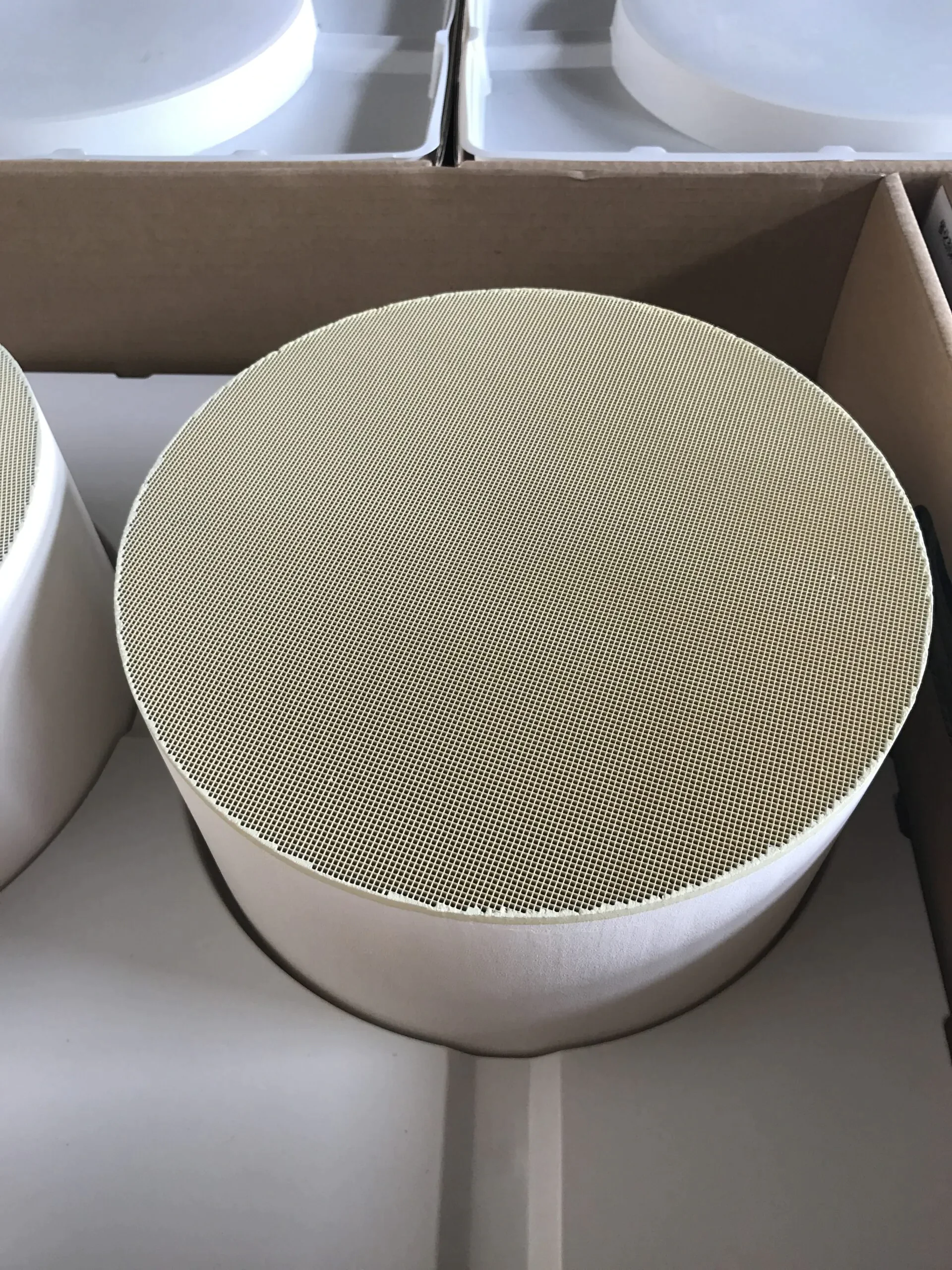
A DPF is a core component of the exhaust after-treatment system, designed to capture and remove diesel particulate matter (soot) from the exhaust gas of a diesel engine. By forcing exhaust gas through porous channel walls, the DPF can achieve filtration efficiencies of 90% or more, playing a vital role in meeting stringent emission standards like Euro V/VI and EPA regulations.
While Cordierite offers a cost-effective solution with excellent filtration for vehicles primarily on long-distance, stable-load routes, SiC DPFs are often the choice for heavy-duty, off-road, or urban applications where high-soot loads and high-temperature active regeneration are common. A reliable supplier must offer expertise in both to meet diverse application requirements.
Beyond the Substrate: The Role of the Catalyzed DPF
For DPFs to maintain long-term performance, captured soot must be periodically burned off through a process called regeneration. Passive regeneration—burning soot using the heat of the exhaust gas—is significantly facilitated by a catalytic washcoat, creating a catalyzed DPF (cDPF).
A key consideration when selecting a DPF supplier is their expertise in catalytic coating:
Low-Temperature Regeneration: The catalyst lowers the required soot oxidation temperature, enabling passive regeneration to occur at lower exhaust gas temperatures (sometimes as low as 250°C to 300°C).
Emission Synergy: The washcoat, typically featuring Platinum Group Metals (PGMs), helps oxidize CO and HC and generates NO₂, which is crucial for promoting soot combustion and often required for the successful operation of a downstream SCR system.
A specialized partner like Hualian Catalyst is able to provide both the precision-engineered ceramic substrate and the optimized catalytic coating to create a highly efficient, low-backpressure catalyzed DPF system.
Five Key Factors for Evaluating a Universal DPF Filter Supplier
For B2B buyers looking for a sustainable partnership, the evaluation process must extend beyond product price to encompass technical capability, quality control, and customization services.
- Verification of Material Authenticity and Precision
A top-tier supplier sources and manufactures their own ceramic materials to ensure quality.
Precision Engineering: Check for a supplier’s ability to maintain tight dimensional tolerances for seamless integration into your system. Dimensions for a SiC/Cordierite DPF, for example, can range widely but must be precise. Hualian’s core ceramic expertise ensures their DPFs meet the rigorous dimensional and mechanical properties required for demanding vehicular environments.
Material Specification Guarantee: The supplier must provide clear data on the DPF’s key technical properties:
Maximum Working Temperature.
High Filtration Efficiency (e.g., >90% for particulates).
Low Backpressure (Crucial for engine performance).
- Proven Thermal Shock Resistance
The most common DPF failure is due to thermal shock caused by uncontrolled, high-temperature regeneration. SiC is inherently better suited, but the supplier’s manufacturing process must ensure structural integrity. Look for low CTE values and demonstrated performance in thermal stability testing (e.g., surviving multiple rapid heating/cooling cycles).
- Customization and Universal DPF Filter Adaptability
For manufacturers with diverse engine platforms, a universal DPF filter approach is often desirable, where the core filter (or “brick”) can be adapted to various housings. A dependable supplier must offer:
Flexible Dimensions: A wide range of sizes and shapes (round, oval, irregular) and customizable cell density (CPSI), such as 100−400 CPSI.
Tailored Coating: The ability to customize the washcoat and PGM loading to meet specific regional emission standards or target a particular regeneration temperature.
- Experience and Track Record: Why Choose Hualian Catalyst?
A supplier’s longevity and focus are indicators of reliability. Hualian Catalyst, with over 30 years of manufacturing history, has established itself as a professional ceramic and chemical catalyst provider. Our specialization in honeycomb ceramics, catalyst supports, and DPFs confirms a deep technical expertise that is essential for a mission-critical component.
- Quality Compliance and Technical Support
Insist on a partner that adheres to strict international quality standards (e.g., IATF 16949 for the automotive supply chain). A reliable supplier should offer comprehensive technical data and be a long-term partner for R&D and troubleshooting, not just a parts vendor.
The Hualian Catalyst Advantage: Delivering Precision SiC/Cordierite DPF
By integrating both ceramic and catalyst manufacturing capabilities, Hualian offers a single source for advanced SiC/Cordierite DPFs.
In the complex landscape of modern diesel emission control, the choice of a DPF supplier is not merely a purchase—it is an investment in your product’s performance, durability, and compliance. By prioritizing material science, manufacturing precision, and catalytic expertise, you can secure a DPF solution that guarantees operational excellence for years to come.