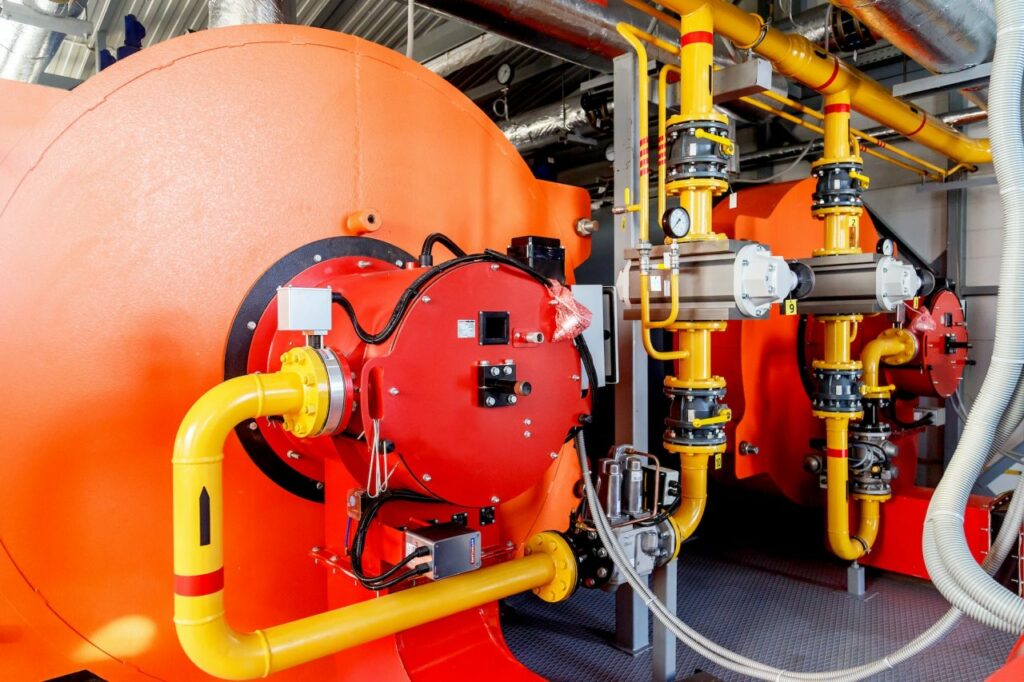
At Hualian Catalyst, we work closely with sulfuric acid producers who require consistent SO₂ conversion across varying operating conditions. When we integrate the V₂O₅ catalyst contact process into a plant, we focus on how the reaction environment supports controlled oxidation. In our practice, the V₂O₅ system enables the stepwise transformation of sulfur dioxide into sulfur trioxide, forming the foundation for stable acid production. By applying our experience, we maintain a balance between temperature, gas flow, and catalyst activity, ensuring that the mechanism behind SO₂ oxidation remains efficient from start to finish.
How V₂O₅ Enhances the Contact Process
Our engineering team evaluates the reaction bed configuration to understand how the vanadium pentoxide catalyst sulfuric acid response influences SO₂ conversion. A key advantage of the V₂O₅ structure lies in its ability to promote oxygen transfer at operating temperatures commonly used in modern plants. When we apply caesium-containing formulations, the catalyst surface supports lower temperature initiation, allowing a smoother conversion pathway while limiting SO₂ release. This characteristic becomes valuable when we design systems for continuous production, as we can stabilize reaction rates without unnecessary thermal input. Through these adjustments, the catalyst demonstrates favorable kinetics that align with our operational goals, helping us maintain consistent performance under varied operating conditions.
Product Characteristics That Support High Conversion
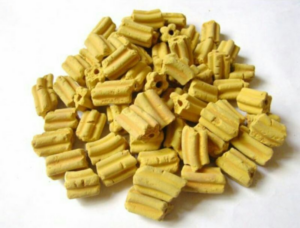
When we provide the V₂O₅ vanadium pentoxide catalyst sulfuric acid solution, we prepare each batch with attention to its mechanical strength, pore structure, and active component distribution. Our manufacturing approach maintains uniformity so that gas contact with the catalyst remains predictable throughout its service period. This consistency helps our clients maintain targeted SO₂ conversion even when processing conditions shift slightly. By applying stringent quality control, we ensure the catalyst displays durable activity and reliable heat resistance during prolonged operation. These traits are particularly important in facilities where stable performance is expected across long production cycles and where material longevity contributes to operational cost control.
Conclusion: How V₂O₅ Catalysts Improve SO₂ Conversion
In summary, our work with the V₂O₅ catalyst contact process shows that well-engineered V₂O₅ systems offer dependable SO₂ oxidation pathways. By applying the properties of the vanadium pentoxide catalyst sulfuric acid, we maintain controlled reaction behavior, manageable temperature profiles, and consistent SO₃ formation. With our experience, we integrate these catalysts into sulfuric acid plants so they can sustain predictable conversion performance. Through careful formulation and stable material characteristics, we support producers in strengthening process continuity and maintaining dependable operating conditions.