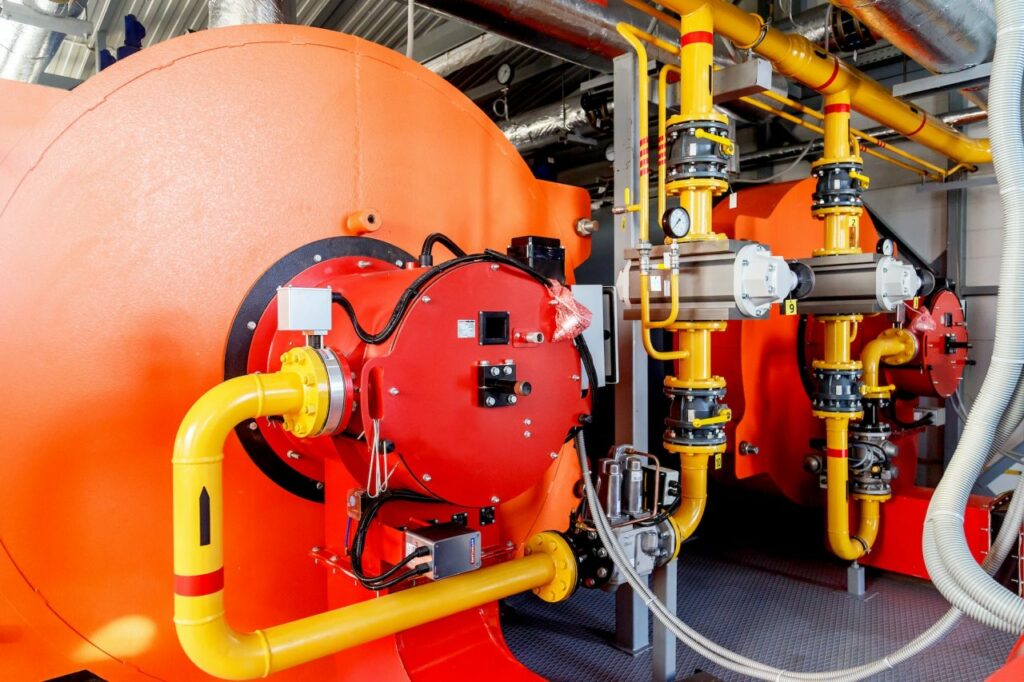
In our daily sulfuric acid operations, the role of oxidation determines the stability and performance of the entire system, and this is where the V₂O₅ catalyst becomes an essential component. Within the contact process, sulfur dioxide must be converted into sulfur trioxide under controlled temperature and gas conditions. Midway through our evaluation procedures, we integrate Hualian Catalyst products to ensure that the reaction environment remains balanced and efficient. The vanadium pentoxide catalyst supports this transformation by offering a surface that promotes gas-phase interaction without disrupting the temperature profile of the converter. By keeping these parameters consistent, we maintain predictable output levels across long production cycles and meet the expectations of experienced operators who depend on stable process behavior.
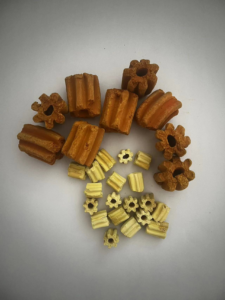
Mechanism and Functional Pathways of the Active Material
The oxidation of SO₂ follows a sequence of adsorption, reaction, and desorption, and our system relies on the steady performance of the V₂O₅ catalyst to carry out each step. The mechanism progresses through a reversible redox cycle in which vanadium transitions between oxidation states as SO₂ is turned into SO₃. When we introduce the vanadium pentoxide catalyst into a converter layout supplied by Hualian Catalyst, we ensure that the active phase maintains its integrity even under varying feed compositions. This is especially important in multi-bed configurations, where gas temperature and conversion rates differ from one stage to another. Caesium-containing formulations further support the process by reducing operating temperatures and maintaining SO₂ conversion levels during extended runs. Through these functions, the catalyst contributes to energy balance, predictable kinetics, and long-term reliability.
Product Characteristics and Application in Sulfuric Acid Systems
Our production line includes materials such as V₂O₅ vanadium pentoxide catalyst sulfuric acid, designed to match the demands of industrial converters operating under high thermal stress. When we deploy a V₂O₅ catalyst, we consider uniformity, porosity control, and mechanical durability to ensure that the catalyst withstands prolonged exposure to hot, dust-containing gas streams. Within our installations, the vanadium pentoxide catalyst is positioned to support consistent SO₂ conversion across multiple operating zones, allowing plants to achieve reliable output without frequent adjustments. By aligning the catalyst’s structural features with the requirements of sulfuric acid systems, we help operators maintain conversion stability while optimizing their process conditions.
Conclusion: Ensuring Steady Performance Through Proper Catalyst Integration
In conclusion, we apply the V₂O₅ catalyst with a focus on reaction behavior, system requirements, and operational consistency. The vanadium pentoxide catalyst supplied by Hualian Catalyst plays a central role in enabling SO₂ oxidation while supporting long-term stability in sulfuric acid plants. Through careful selection and integration of V₂O₅-based materials, we assist industrial clients in achieving dependable conversion performance and maintaining efficient operation.