The global push for cleaner air and stricter emission standards has placed the catalytic converter at the absolute forefront of the automotive industry. For manufacturers, distributors, and engine developers in the B2B space, the choice of the correct emission control component is not just about compliance—it is a critical factor in performance, long-term durability, and overall product quality.
As a core component of the exhaust after-treatment system, a high-performance ceramic catalyst must meet exacting standards that go far beyond simple pollutant conversion. Hualian Catalyst, with its decades of experience in high-performance ceramics and catalytic technology, understands the key quality indicators that separate a standard component from a true emission control solution.
What Defines a High-Performance Ceramic Catalyst?
A catalytic converter is designed to convert toxic exhaust gases—Carbon Monoxide (CO), unburnt Hydrocarbons (HC), and Oxides of Nitrogen —into less harmful substances like CO₂ and water. The efficiency of this conversion hinges on the quality of its components, particularly the ceramic substrate and the washcoat/precious metal formulation.
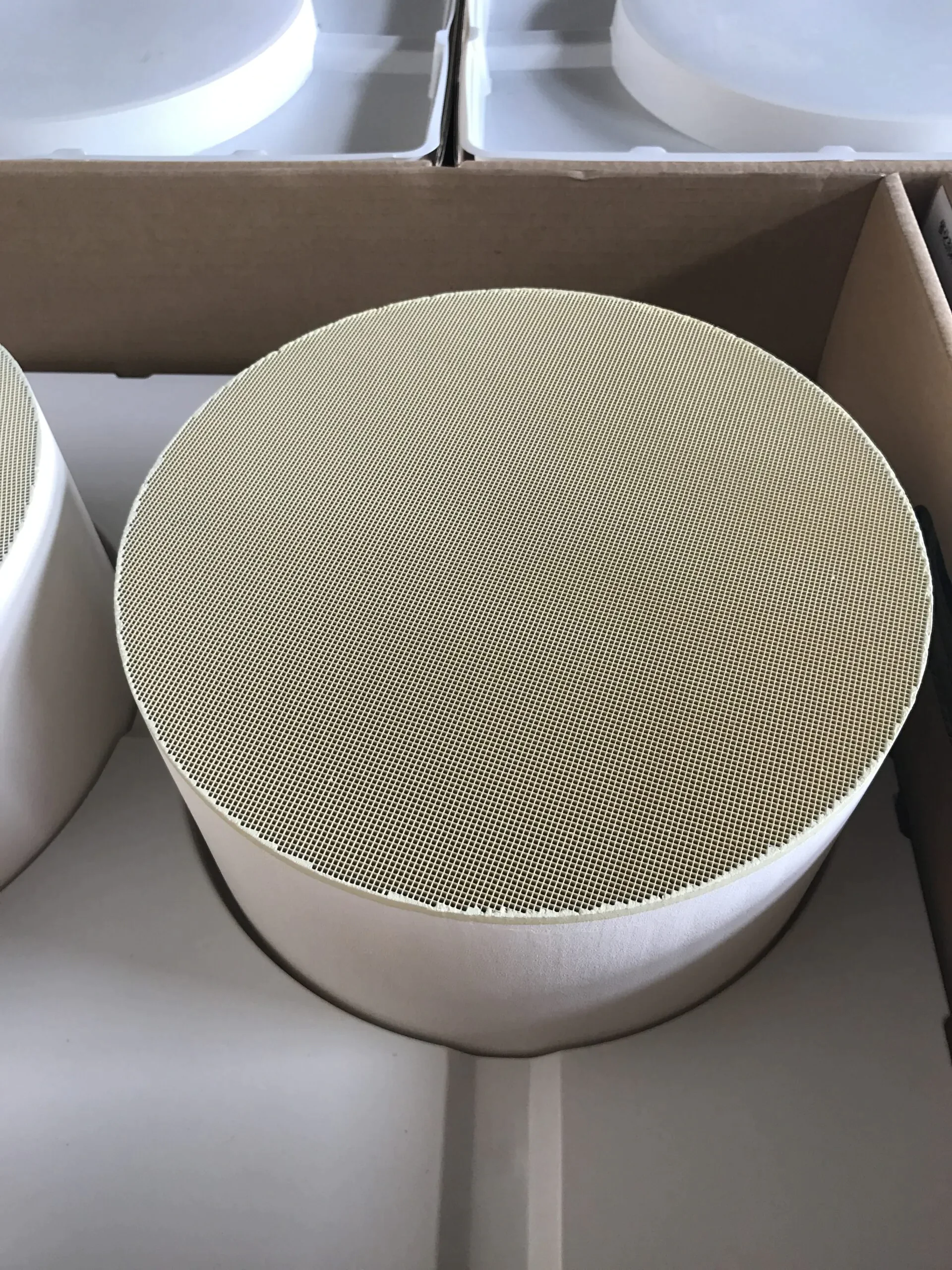
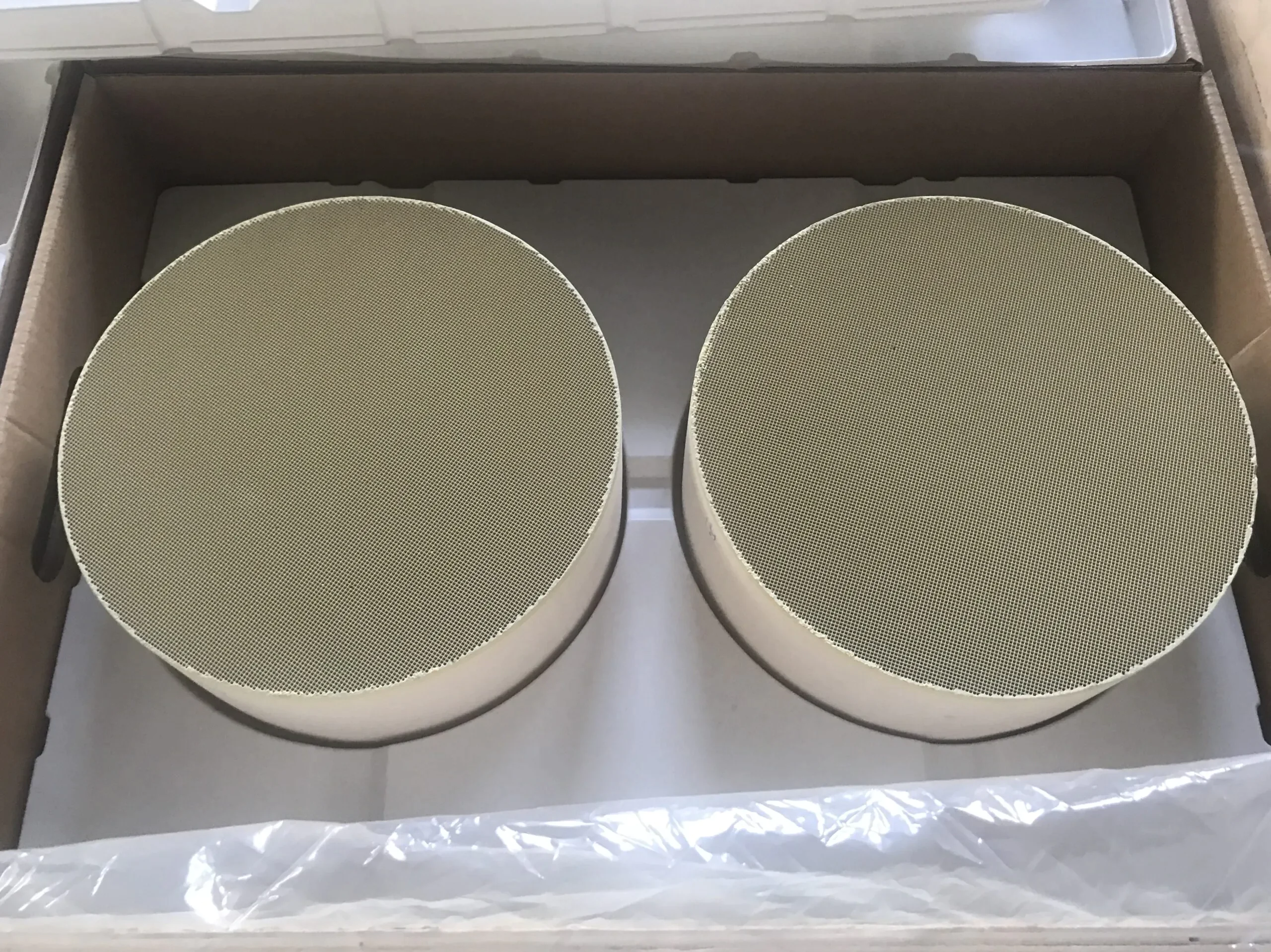
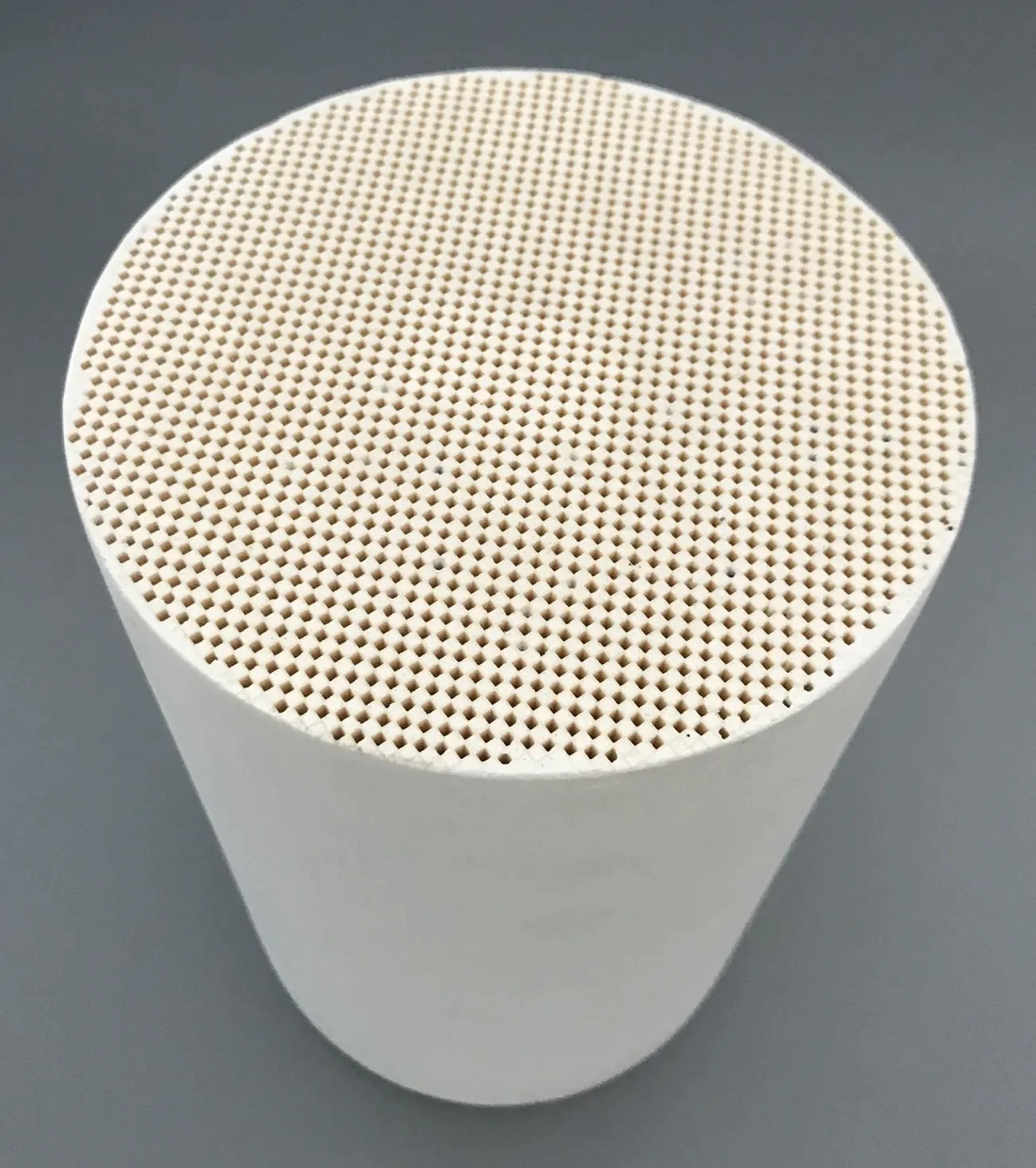
The product offered by Hualian—the honeycomb ceramic catalytic converter—is a prime example of this technology. Its quality is measured across a spectrum of demanding physical and chemical properties.
Conversion Efficiency and Light-Off Temperature
The ultimate measure of any auto exhaust catalyst is its conversion efficiency. This is the percentage of harmful pollutants successfully converted into benign gases. High-performance units consistently achieve efficiencies of 95% or higher when operating at optimal temperatures.
Crucially, modern emission regulations are highly focused on cold-start emissions—the pollutants released before the engine and the converter reach their working temperature (typically 400°C or above).
Conversion Efficiency: Should meet or exceed the required emission standards.
Light-Off Temperature: This is the temperature at which the catalyst reaches 50% conversion efficiency. For a high-performance ceramic unit, a lower light-off temperature is a non-negotiable quality indicator. It indicates a superior design and formulation that allows the catalyst to become active quickly, significantly reducing total emissions during the initial minutes of vehicle operation.
Physical Integrity and Thermal Resistance
The operating environment of a catalytic converter is extreme. It involves rapid temperature swings (thermal shock) and high sustained heat, especially in turbocharged or heavily utilized commercial vehicles. The ceramic substrate must maintain its structural integrity under these conditions.
Substrate Material: High-quality substrates are typically made of Cordierite or, for extreme durability, Silicon Carbide. These materials are chosen for their excellent thermal stability and low thermal expansion coefficient.
Thermal Shock Resistance (TSR): The material must resist cracking or fracturing when subjected to rapid changes in temperature, such as when a hot exhaust system encounters a cold puddle or is quenched during a cold start. A component with poor TSR will quickly degrade, leading to failure and a complete loss of emission control.
High Compressive Strength: The honeycomb structure needs the mechanical strength to withstand the constant vibration, physical shocks, and high exhaust gas flow rates encountered in its application.
Substrate Design: Cell Density and Thin Walls
The performance of the ceramic catalyst is directly linked to the geometry of its internal honeycomb structure. The honeycomb design maximizes the surface area over which the washcoat and precious metals are applied, facilitating the chemical reaction.
Cell Density (CPSI): Measured in Cells Per Square Inch (CPSI), this density determines the number of flow channels. Common densities range from 100 to 600 CPSI. Higher density, such as the 400 CPSI used in many Hualian Catalyst products, increases the catalytic surface area, boosting efficiency.
Thin Channel Walls: High-performance substrates utilize thinner walls. This reduces the heat mass of the converter, speeding up the warm-up time and lowering the all-important light-off temperature , thereby improving cold-start performance. Thinner walls, however, must be engineered to retain sufficient mechanical strength.
Low Back Pressure: The design must ensure the high cell density does not create excessive resistance to the exhaust flow, which would otherwise reduce engine power and fuel efficiency. A well-designed unit ensures a balance between high surface area and low back pressure.
Key Features and Customization
The core strength of the Hualian Catalyst DOC lies in its highly customizable nature. Understanding that engine layouts and emission requirements vary significantly, the company offers tailored solutions:
Customizable Dimensions: The physical size and shape of the catalyst can be precisely modified to integrate seamlessly into diverse engine and exhaust system designs. This flexibility ensures optimal fit and function across a wide range of diesel vehicles and equipment.
Engineered for Durability and Efficiency
The performance layer of the DOC Catalyst is where the key chemical reactions take place, primarily converting carbon monoxide and unburned hydrocarbons into less harmful carbon dioxide and water vapor.
The long service life and low maintenance of the Hualian DOC are a direct result of its advanced engineering:
Strong Adhesion and Thermal Stability: The catalytic layer is applied with an emphasis on strong adhesion to the ceramic substrate. This prevents the active material from flaking or migrating, even under high vibration and mechanical stress. Crucially, the material is highly resistant to thermal degradation. Diesel engines operate under demanding thermal cycles, and the catalyst is built to withstand these harsh working conditions, maintaining its high catalytic activity and effectiveness over an extended service life.
Cost-Effectiveness: By offering superior durability, the Hualian DOC minimizes the need for premature replacements and frequent servicing, translating into lower overall operational costs for fleet managers and equipment owners.
Conclusion
By focusing on these core quality indicators—high conversion rates, low light-off temperature, exceptional thermal-mechanical stability, and optimal substrate design—engine manufacturers and after-treatment specialists can ensure their systems not only meet the most stringent global emission standards but also deliver reliable, long-term performance. Partnering with proven experts like Hualian Catalyst is essential for sourcing components that deliver on this demanding quality promise.