The drive toward stricter global emission standards—from Euro VI to EPA standards—places the spotlight firmly on the performance of exhaust aftertreatment systems. At the core of these systems, particularly for diesel engines, is the Diesel Particulate Filter (DPF).
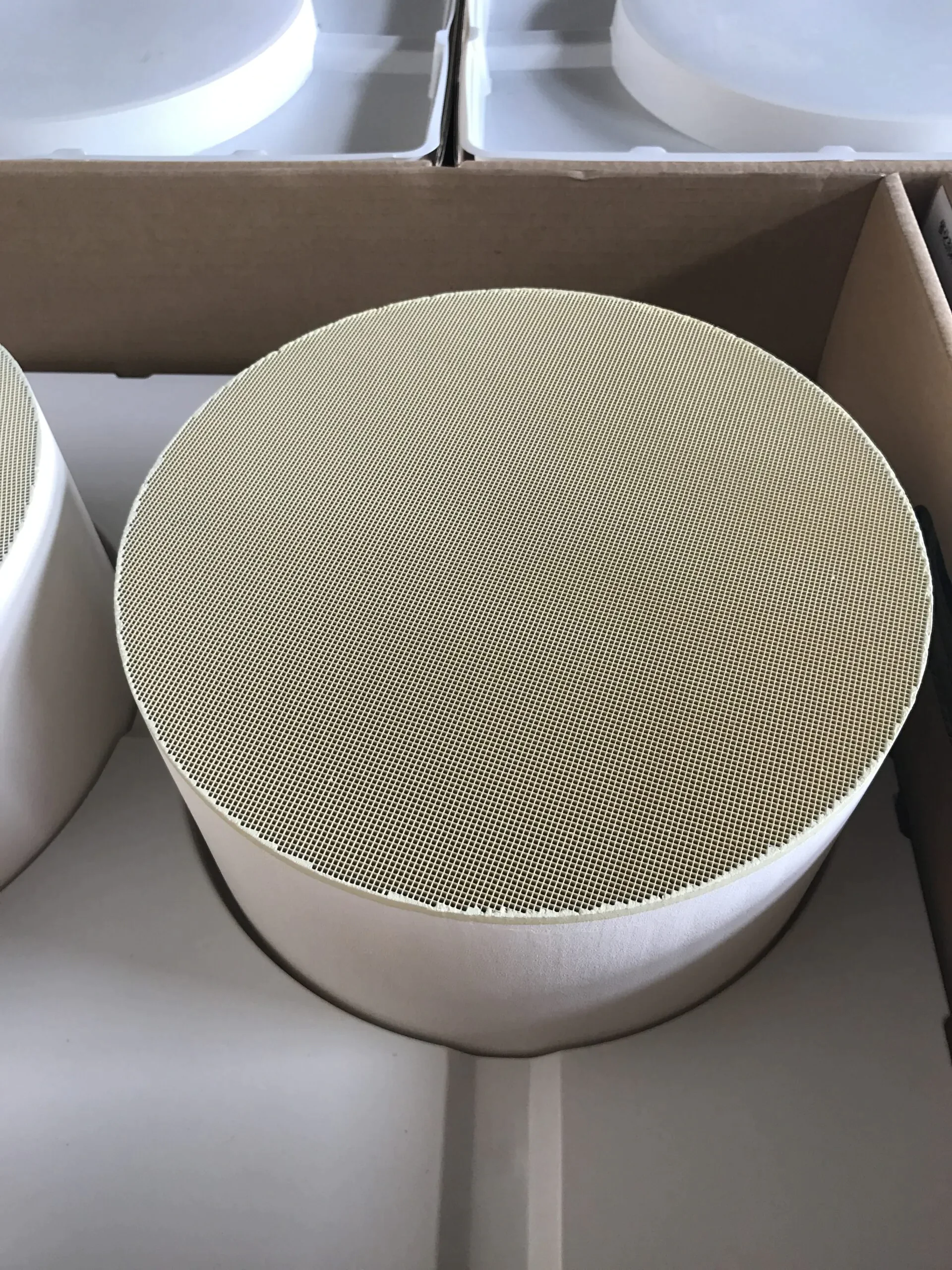
A DPF is not merely a component; it is a meticulously engineered ceramic structure designed to capture and manage fine soot particles, significantly reducing environmental burden. For businesses looking for reliable exhaust filters for diesel engines, understanding the key quality indicators of the honeycomb ceramic filter substrate is crucial. This insight ensures compliance, optimizes engine performance, and maximizes the return on investment.
Hualian Catalyst, a leading specialist with over 30 years of experience in the chemical ceramic and catalyst industry, produces high-performance honeycomb ceramic products, including DPFs, three-way catalyst supports, and Selective Catalytic Reduction (SCR) catalysts. Their focus is on B2B (business-to-business) clients in industries like petroleum, chemical, automotive, and environmental protection, requiring a rigorous standard of quality and precision engineering. For these professional buyers, purchasing a diesel particulate filter for sale requires a deep dive into the following technical metrics.
The Two Pillars of DPF Quality
The functionality of a DPF hinges on four primary quality indicators: Filtration Efficiency, Back Pressure, Thermal Durability, and Structural Integrity. These metrics collectively determine the filter’s service life, maintenance requirements, and overall effectiveness.
- Filtration Efficiency: The Core of Emission Control
The fundamental job of the DPF is to trap and remove Particulate Matter (PM) from the exhaust gas. Filtration efficiency is the measure of how well the filter performs this job. High efficiency means fewer soot particles are released into the atmosphere, ensuring compliance with the most stringent regulations, such as those requiring PM reduction of 85% to 90% or more.
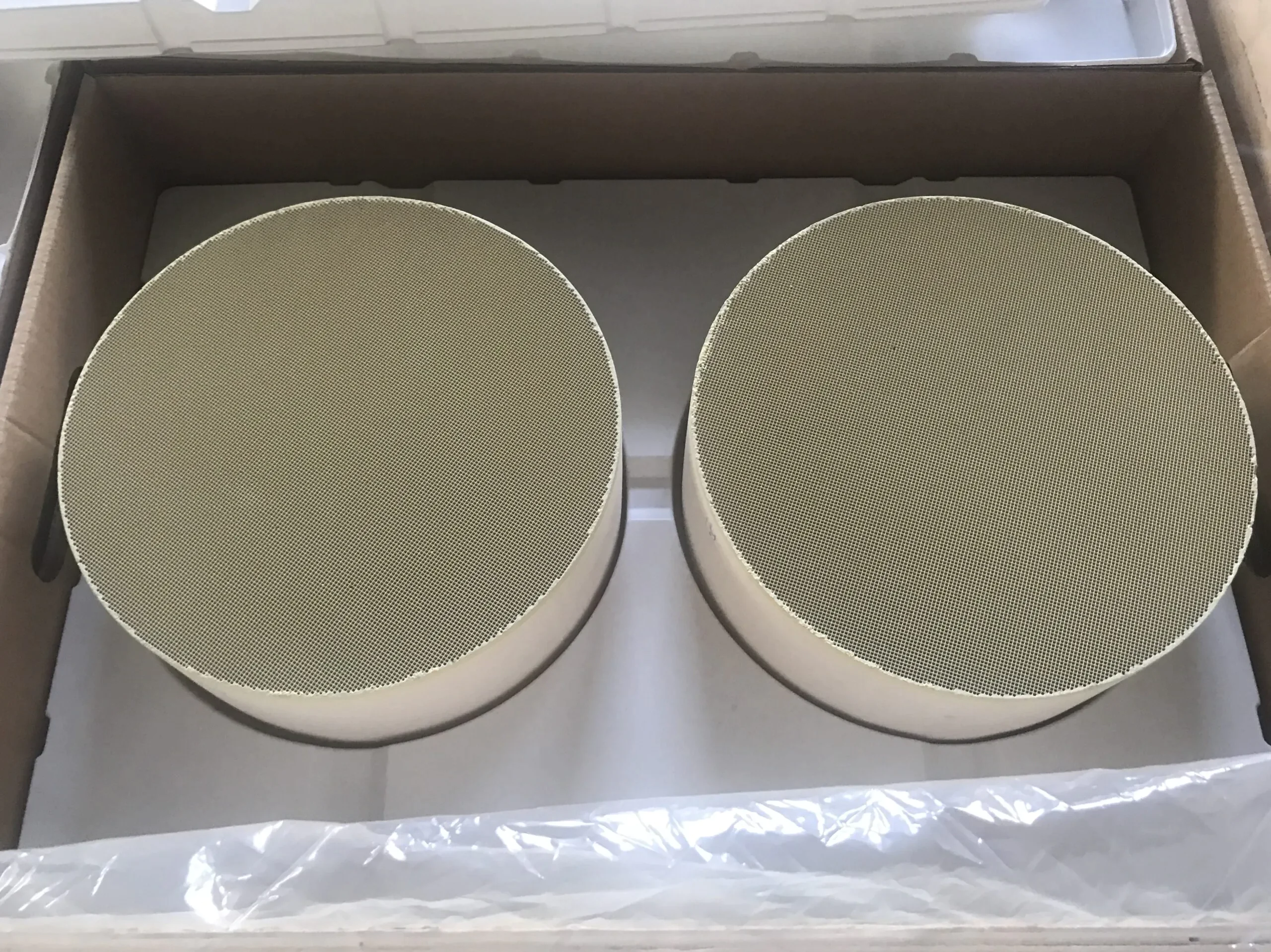
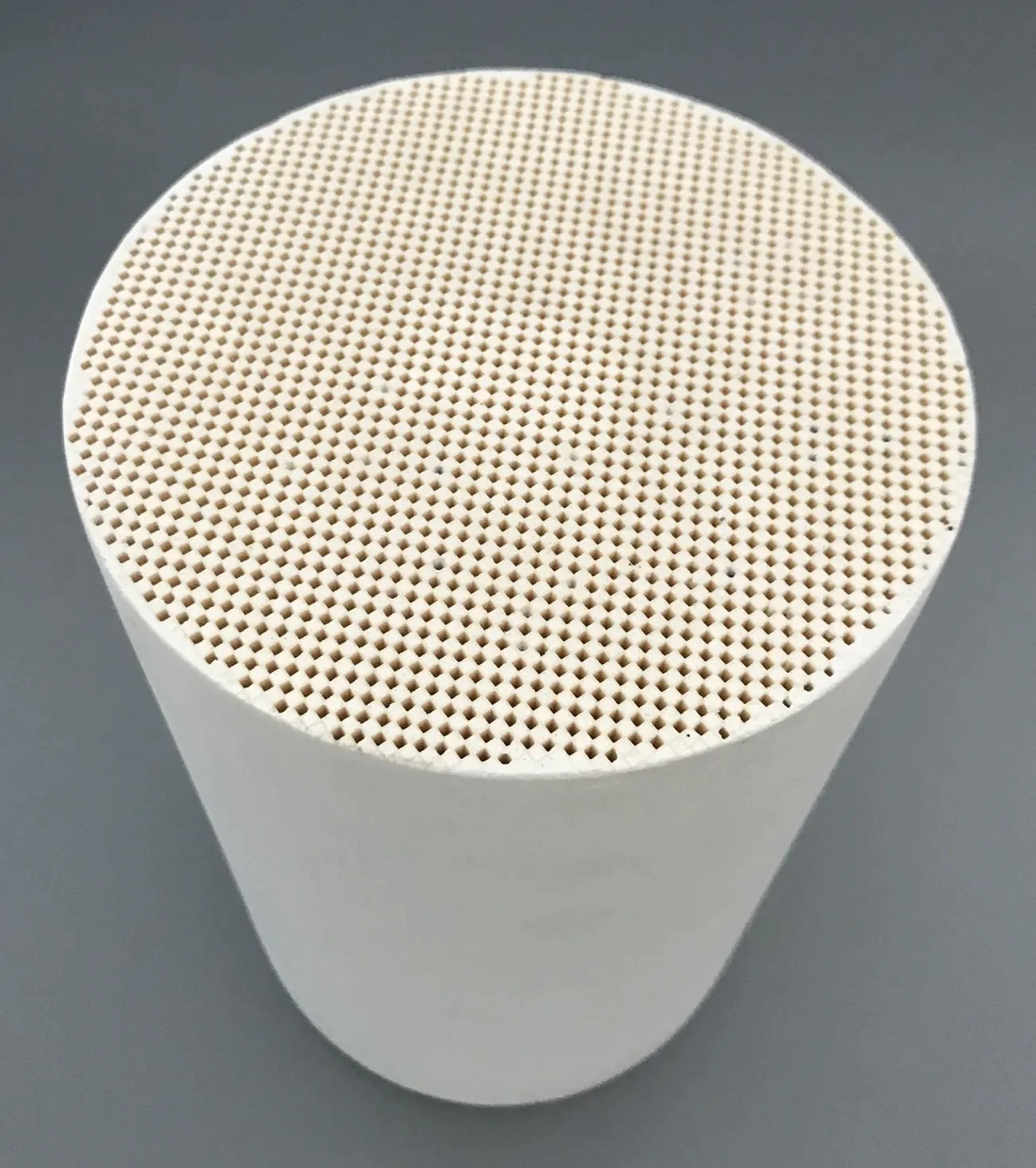
Pore Size and Porosity: The ceramic wall-flow monolith, typically made from materials like Cordierite or Silicon Carbide (SiC), traps soot particles in its porous walls. A high and uniformly distributed porosity is critical. For instance, Hualian Catalyst DPFs are engineered for high porosity with uniform distribution. Too low a porosity limits filtration; too high a variation leads to inconsistent performance. The optimal size and distribution of pores directly influence trapping efficiency without excessively impeding gas flow.
Cell Density (CPSI): Cell density refers to the number of open channels per square inch (CPSI). While DPFs generally use lower cell densities than catalyst supports, the interaction between cell density and wall thickness is vital for maximizing surface area for filtration. Standard DPF substrates are often produced in the range of 100 pores/square inch to 200 pores/square inch, though custom sizes are available to meet specific engine or system requirements.
- Low Back Pressure: Maintaining Engine Power
Back pressure is the resistance to gas flow created by the DPF. As soot accumulates during the filtration phase, the back pressure increases, which can negatively affect engine performance, fuel economy, and power output. A quality DPF substrate must be designed to maximize filtration while maintaining minimal pressure loss.
Wall Thickness and Channel Geometry: The thickness of the ceramic wall and the overall channel geometry must be carefully optimized. A thinner, yet structurally sound, wall minimizes the resistance to gas flow. Hualian Catalyst specifically highlights low backpressure as a main feature of its diesel particulate filter for sale, confirming its dedication to optimizing this performance aspect. Excessive back pressure is a primary indicator of a clogged filter and can trigger unnecessary or incomplete regeneration cycles, leading to greater operational cost.
Thermal and Mechanical Durability
A DPF operates in an extremely harsh environment characterized by intense heat and rapid temperature swings, especially during the soot removal process known as regeneration. Therefore, the filter’s material science and structural integrity are non-negotiable quality indicators.
Thermal Durability and Regeneration Management
Regeneration is the process of burning off the accumulated soot (carbon) from the DPF, which can raise the internal temperature to 600℃ or higher.Low Coefficient of Thermal Expansion (CTE): This is perhaps the most critical material specification. Cordierite, a common DPF material, is prized for its low coefficient of thermal expansion, which means it expands and contracts minimally when heated and cooled. This property provides resistance to thermal shock, preventing the ceramic from cracking or failing during rapid temperature changes inherent to the regeneration process.
High-Temperature Resistance: The filter must resist deformation or melt at the high temperatures seen during active and passive regeneration. A ceramic with superior heat resistance ensures a longer, more reliable service life under demanding operating conditions.
Structural Integrity and Chemical Resistance
The DPF must withstand the vibrational stresses of a working engine and the corrosive nature of exhaust gases over thousands of operational hours.
Mechanical Strength: The honeycomb ceramic structure requires high mechanical strength to prevent breakage, which can be caused by vibration, engine pressure pulses, or handling during installation and maintenance. High-quality manufacturing and a uniform structure guarantee dependable durability.
Chemical Corrosion Resistance: Exhaust gases contain chemical compounds from the fuel and oil additives, including sulfur and various metal oxides. A top-tier exhaust filters for diesel engine must demonstrate strong resistance to chemical corrosion to prevent premature material degradation and a loss of filtration efficiency.
Specification and Compliance: The Hualian Catalyst Standard
When sourcing a diesel particulate filter for sale, B2B clients must align the technical specifications with their specific application and emission targets. The Hualian Catalyst DPF provides a reliable standard by offering filters with the key features of low backpressure, low coefficient of thermal expansion, high porosity, high filtration, and robust resistance to both thermal shock and chemical corrosion. The standard cell density of 100 pores/square inch to 200 pores/square inch ensures adaptability across various diesel engine types and regulatory requirements.
By focusing on these definitive quality indicators—efficiency, back pressure, thermal stability, and structural strength—businesses can make an informed decision when investing in exhaust filters for diesel engines. A precise and high-performing DPF substrate, such as those provided by Hualian Catalyst, is the cornerstone of achieving optimal emission control and operational longevity.