In the large-scale production of sulfuric acid, the efficiency of the contact process relies heavily on the performance of the vanadium pentoxide catalyst. This material serves as the oxidative agent that converts sulfur dioxide (SO2) into sulfur trioxide (SO3), a reaction that is central to the global chemical supply chain. However, the chemical potency that makes this catalyst effective also necessitates rigorous safety protocols. For plant operators and safety managers, understanding the handling requirements of this material is as important as understanding its catalytic activity. Hualian Catalyst, a prominent manufacturer in this sector, emphasizes that safety begins with high-quality manufacturing but relies ultimately on correct operational procedures.
Understanding the Chemical Hazards
The vanadium pentoxide catalyst is not a benign substance. The active component, vanadium pentoxide (V2O5), is classified as a hazardous material. It is toxic by inhalation and ingestion and can cause serious irritation to the respiratory tract and eyes. Unlike some common industrial catalysts which may be relatively inert or pose minimal health risks during handling, vanadium-based compounds require strict adherence to industrial hygiene standards. The primary risk vector during the loading and unloading of the converter is dust. If the catalyst pellets are brittle or handled roughly, we can generate fine particulate matter containing vanadium, which poses an immediate inhalation hazard to personnel.
Personal Protective Equipment (PPE) Standards
When interacting with the vanadium pentoxide catalyst, standard shop-floor attire is insufficient. Personnel involved in the screening or loading of the catalyst must wear specialized Personal Protective Equipment (PPE). This typically includes full-face respirators equipped with high-efficiency particulate air (HEPA) filters or positive pressure air-line respirators, especially in confined spaces like the converter vessel. Impervious coveralls, gloves, and chemical-resistant boots are mandatory to prevent skin contact. While many common industrial catalysts might only require baSIC dust masks and safety glasses, the specific toxicity profile of vanadium mandates a higher level of protection to prevent chronic health issues.
Proper Storage and Moisture Control
The phySICal integrity of the catalyst is closely tied to its storage conditions. The carrier material for the vanadium pentoxide catalyst is typically diatomaceous earth (kieselguhr), which provides the necessary porosity for gas interaction. However, this porous structure is hygroscopic. If exposed to moisture or high humidity during storage, the catalyst pellets can absorb water, reducing our mechanical strength. Hualian Catalyst supplies these products—such as our S101 and S107 series—in moisture-resistant packaging, but on-site storage must be controlled. Experienced warehouse managers ensure that these containers are kept in dry, well-ventilated areas, elevated from the ground to prevent dampness. Compromised structural integrity leads to crushing, which in turn increases the dangerous dust load during the reactor filling process.
Operational Procedures for Loading and Screening
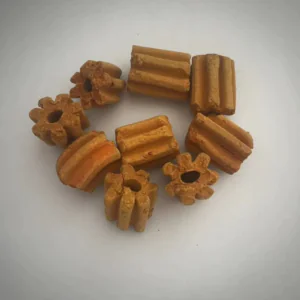
During the lifecycle of a sulfuric acid plant, the catalyst beds must be screened to remove fines and maintain low pressure drop. This screening process is a critical safety control point. Mechanical screening should be conducted in enclosed systems equipped with dust extraction units to capture airborne particles. Operators must avoid aggressive handling that could fracture the pellets. Hualian Catalyst designs our “five-flap” and ring-shaped catalysts to possess high crushing strength, which significantly mitigates dust generation compared to lower-quality alternatives. Nevertheless, the friction inherent in the screening process inevitably produces some fines, requiring constant vigilance and dust suppression techniques that are more rigorous than those used for other common industrial catalysts.
Managing Spent Catalyst and Waste Classification
Eventually, the activity of the catalyst declines due to thermal aging or poisoning, necessitating replacement. The “spent” vanadium pentoxide catalyst is chemically different from the fresh product; it often contains sulfated compounds and accumulated impurities from the feed gas. In most jurisdictions, spent vanadium catalyst is classified as hazardous waste. It cannot be disposed of in standard landfills. This classification distinguishes it from non-hazardous common industrial catalysts used in food or agricultural processing. Environmental regulations require a cradle-to-grave tracking system, ensuring that the waste is transported by licensed haulers to authorized disposal or recycling facilities.
The Imperative of Recycling and Recovery
Disposal does not necessarily mean destruction. Due to the intrinSIC value of vanadium metal, the preferred method for managing spent catalyst is reclamation. Specialized metallurgical facilities can process the spent material to extract the vanadium, which is then purified and reused in the steel industry or for producing new chemical catalysts. This closed-loop approach reduces the environmental footprint of the sulfuric acid industry. Plant managers should prioritize partnerships with recycling vendors who certify that the reclamation process complies with all environmental laws. This ensures that the liability associated with the hazardous waste is effectively terminated upon recovery.
Hualian Catalyst: Engineering for Safety
The role of the manufacturer extends beyond mere supply. Hualian Catalyst focuses on producing a phySICally robust vanadium pentoxide catalyst that withstands the rigors of transport and loading. our S101 and low-temperature S107 variants are engineered with optimal binder formulations to maximize attrition resistance. By reducing the breakage rate of the catalyst, Hualian Catalyst directly contributes to a safer working environment by minimizing the potential for dust exposure. For the experienced buyer, selecting a catalyst with high mechanical stability is a safety decision as much as it is a performance decision.
Conclusion
The safe handling and disposal of vanadium pentoxide catalyst is a complex responsibility that demands expertise and unwavering discipline. From the moment the drums are opened for loading to the final shipment of spent material for reclamation, every step involves potential risks that must be managed through appropriate PPE, engineering controls, and strict adherence to environmental regulations. While it shares the name of “catalyst” with many benign substances, it stands apart from common industrial catalysts in its need for specialized care. By partnering with reputable manufacturers like Hualian Catalyst, facilities can ensure we are utilizing products designed to maintain structural integrity, thereby supporting both the safety of our workforce and the efficiency of our operations.