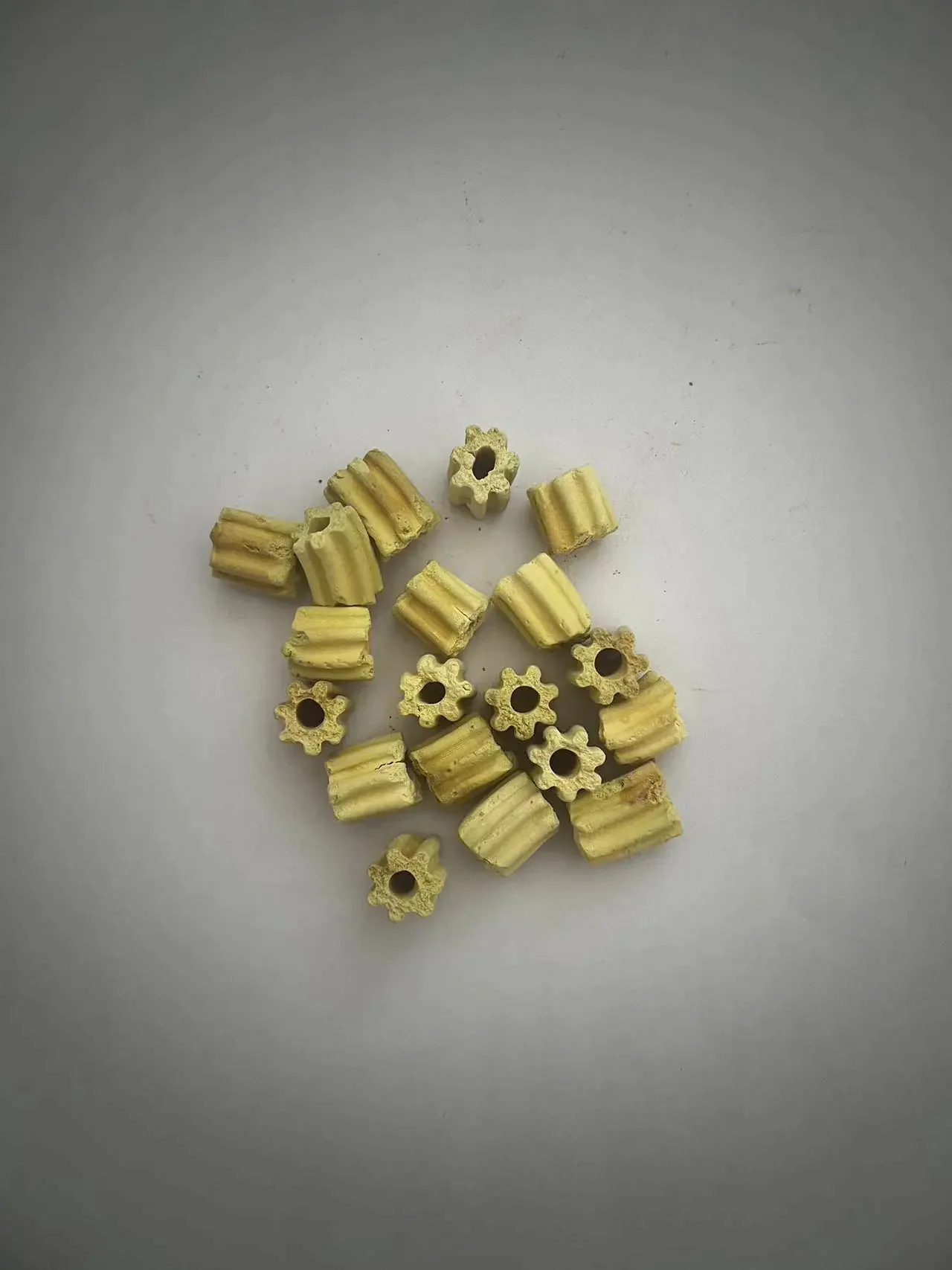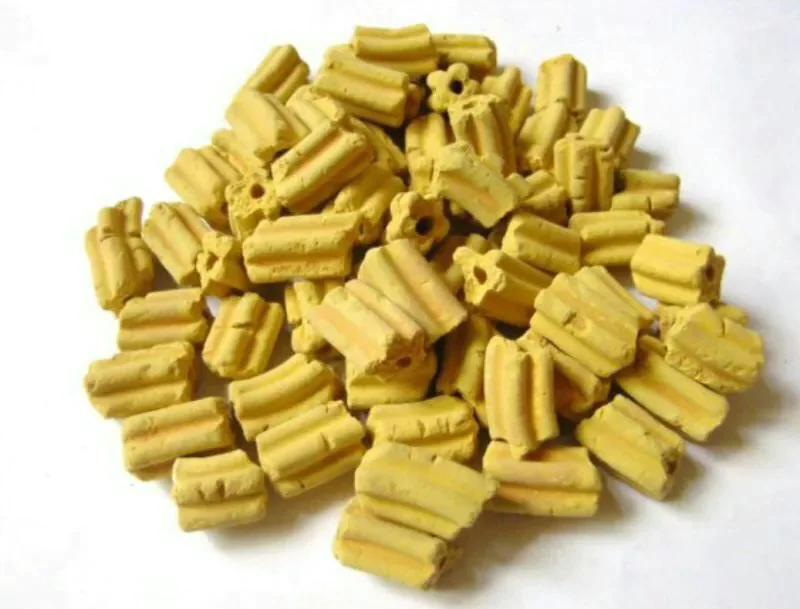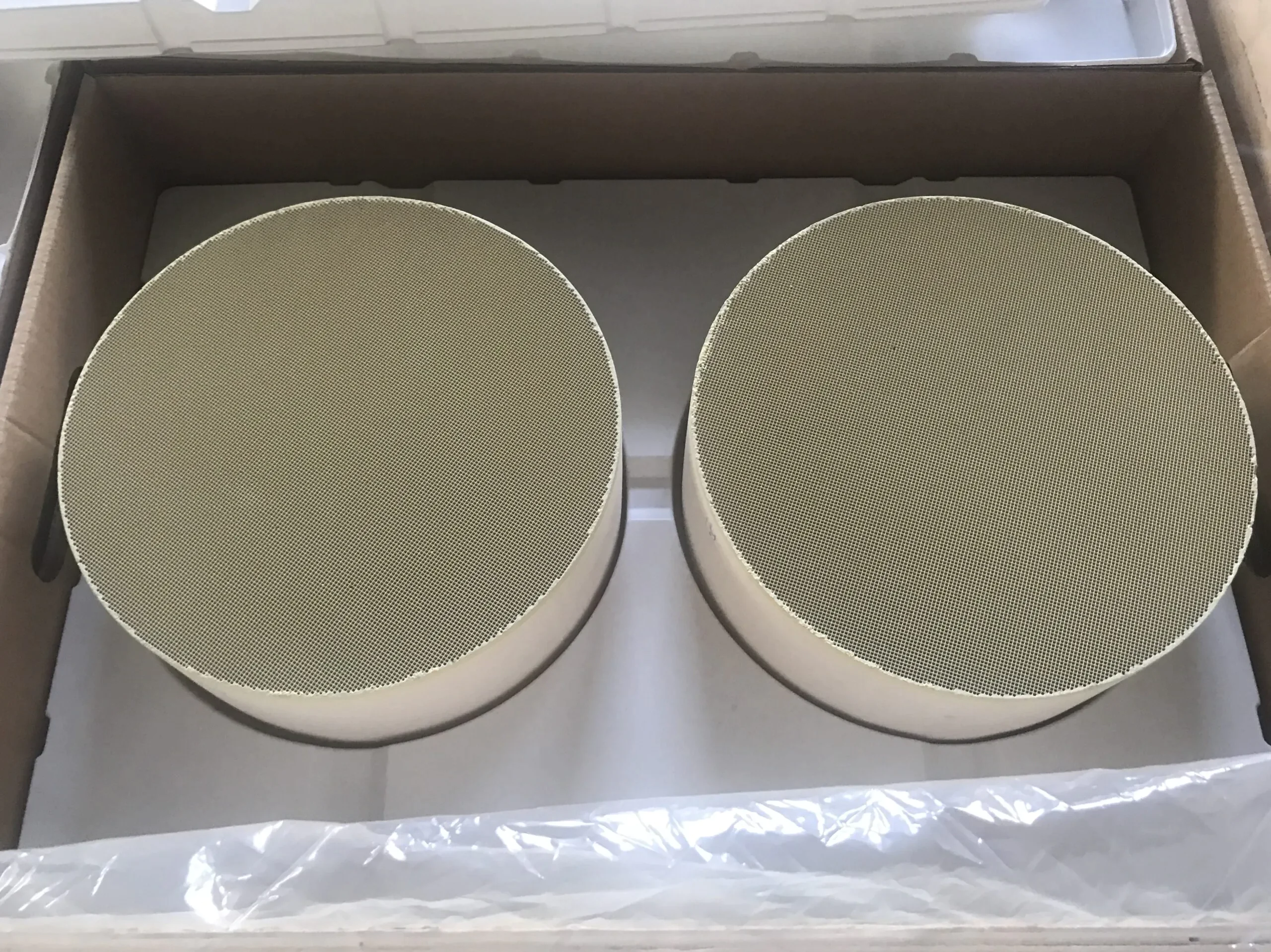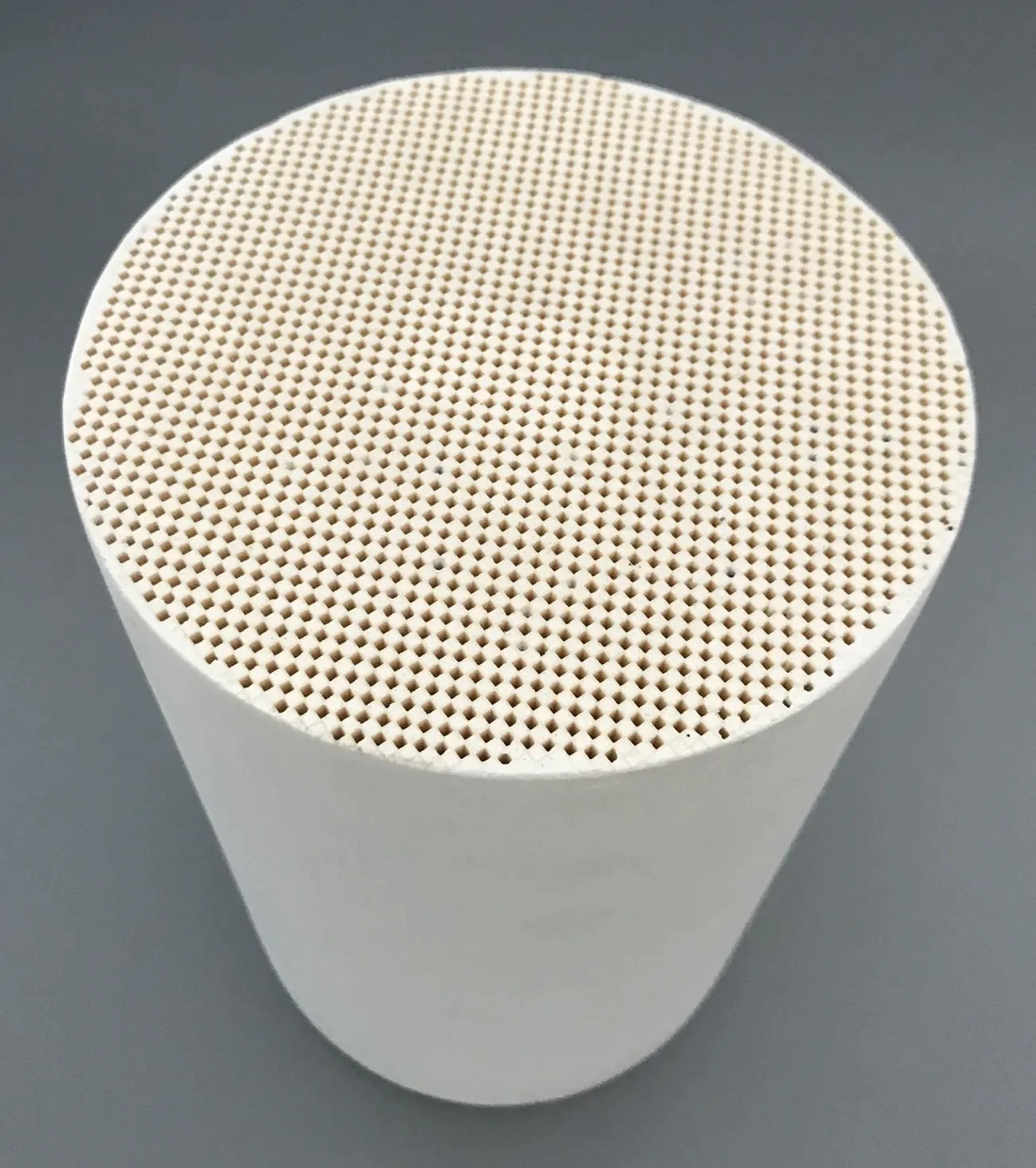
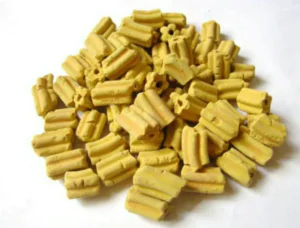
Sulfuric acid is the world’s most-produced industrial chemical, and its primary synthesis route, the Contact Process, relies fundamentally on the catalytic oxidation of sulfur dioxide to sulfur trioxide. This critical transformation is mediated by V₂O₅ catalyst contact process materials, typically composed of vanadium pentoxide and alkali promoters (like potassium and sodium sulfates) supported on a carrier like diatomite.
While this process is the bedrock of industrial chemistry, it operates under conditions that present significant safety challenges, encompassing both extreme thermal management and the inherent chemical toxicity of the materials involved. For plant managers and process engineers, understanding these risks is essential for ensuring operational continuity, personnel safety, and regulatory compliance.
As a leading producer of advanced catalysts, Hualian Catalyst provides a range of V₂O₅ catalysts—including specialized low- and medium-temperature formulas—engineered for maximized conversion and enhanced durability under these rigorous safety constraints.
The Thermal Hazards of the Contact Process
The conversion of sulfur dioxide is an exothermic equilibrium reaction, meaning it generates heat and the reaction is reversible. This dual nature is the source of the primary high-temperature risks.
The heat released (exothermic nature) drives up the temperature, which, paradoxically, shifts the equilibrium backward (Le Chatelier’s Principle). The reaction must therefore be managed in multiple catalyst beds with intercooling to achieve high conversion rates (typically >99.8%).
- Thermal Runaway and Converter Integrity
In a typical multi-bed converter, the gas temperature enters the first bed around 420℃ and can exit as high as 630℃ or 650℃.
Risk: If the gas composition or flow is improperly controlled, the highly exothermic reaction can accelerate, leading to a thermal runaway.
Consequence: Temperatures exceeding 650℃ can threaten the mechanical integrity of the stainless steel reactor vessels and internal supports, potentially leading to catastrophic failure or long-term structural fatigue. Maintaining the cooling efficiency of the intercoolers is therefore a non-negotiable safety requirement.
- Catalyst Sintering and Deactivation
Even short-term excursions to excessive temperatures pose a threat to the catalyst itself.
Risk: Prolonged exposure to temperatures above 630℃ causes the active components (V₂O₅) and their alkali promoters to undergo sintering—a process where the small active surface particles fuse into larger ones, drastically reducing the catalyst’s effective surface area.
Consequence: This leads to irreversible thermal deactivation and a significant drop in conversion efficiency, necessitating costly and complex catalyst replacement. The high-temperature beds (typically the first and second passes) require V₂O₅ formulas, such as those provided by Hualian Catalyst, that are specifically engineered for enhanced thermal and mechanical stability.
Chemical Safety Risks: Vanadium Pentoxide Catalyst Sulfuric Acid
Beyond the high-temperature environment of the converter, the chemical nature of the vanadium pentoxide catalyst sulfuric acid system presents significant health and environmental hazards during handling, loading, and disposal.
- Inherent Toxicity of Vanadium Pentoxide
Vanadium pentoxide (V₂O₅), the active component, is classified as a toxic substance.
Health Hazards: It is harmful if swallowed or inhaled and is a suspected carcinogen and a possible mutagen (suspected of causing genetic defects). Chronic exposure can cause severe irritation to the respiratory system, potentially leading to pulmonary edema, as well as systemic damage to organs.
Handling: Safe handling protocols must be strictly enforced, particularly during the loading and unloading of the catalyst beds when the material is in a friable or dusty form. Appropriate Personal Protective Equipment (PPE) is mandatory. This includes full-face shields or chemical splash goggles, full-body protective suits, impermeable gloves (nitrile or neoprene), and, most critically, NIOSH-approved respirators (minimum N95, or Powered Air-Purifying Respirators (PAPR) in high-dust environments) to prevent inhalation.
- Managing Spent Catalyst as Hazardous Waste
A catalyst bed has a limited lifespan, typically several years, before deactivation necessitates replacement.
Hazardous Waste Classification: Spent catalysts are classified as hazardous waste due to their content of V₂O₅ (often 4−9% by weight) and other heavy metal impurities accumulated during operation. This waste cannot simply be sent to a standard landfill.
Disposal/Recycling: Safe management requires specialized disposal by licensed handlers or, increasingly, advanced recycling methods like hydrometallurgy to recover the strategic vanadium content. This reduces the environmental burden and mitigates the risk of vanadium leaching into soil and water. Hualian Catalyst advises its clients on the appropriate lifecycle management of these materials to ensure compliance with stringent environmental regulations.
V₂O₅ Catalyst Contact Process: Hualian’s Commitment to Safety and Performance
The safety challenges in SO₂ oxidation are inextricably linked to catalyst selection and process design. Hualian Catalyst addresses these dual risks through:
Customized Formulations: Offering various grades, including low-temperature formulas that activate earlier, allowing plant operators to lower overall bed inlet temperatures and reduce the thermal strain on the converter system, mitigating the risk of thermal runaway. The composition features a precise balance of V₂O₅ and alkali promoters to maximize activity while maintaining mechanical strength.
Mechanical Integrity: Hualian’s catalysts are engineered for high radial anti-crushing power and minimal abrasion loss. This structural strength is crucial for minimizing the generation of fine dust during handling, loading, and operation, which directly reduces both dust-related pressure drop issues and airborne exposure risk to personnel.
By partnering with a manufacturer like Hualian Catalyst that deeply understands the technical and safety demands of the V₂O₅ catalyst contact process, plant operators can implement robust systems that achieve high conversion rates while maintaining the highest possible standards for personnel safety and environmental stewardship.