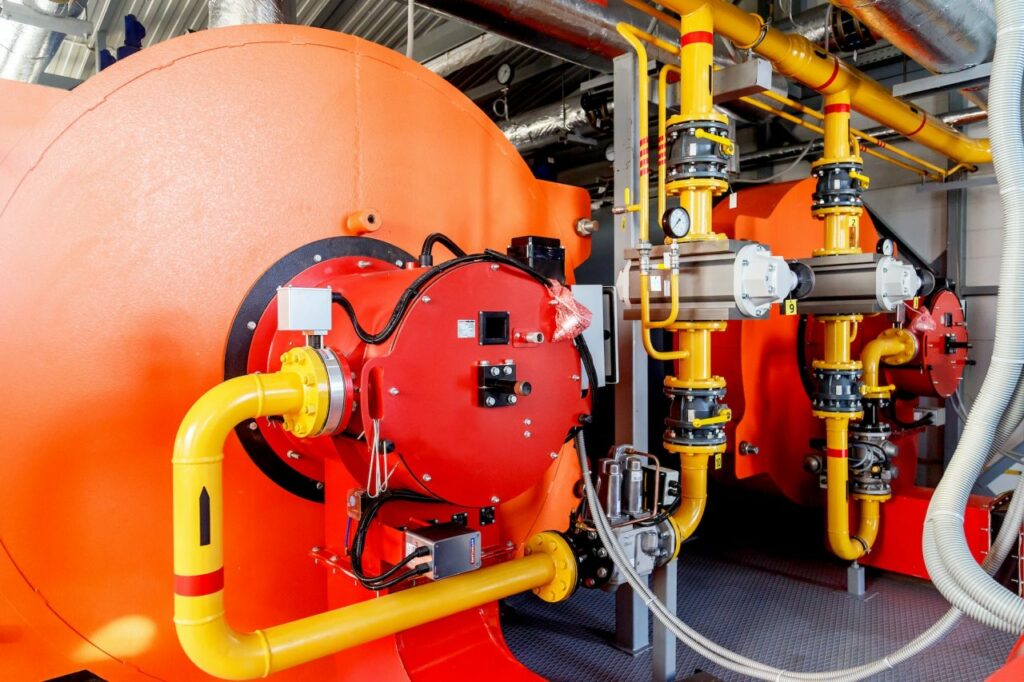
The production of concentrated sulfuric acid relies heavily on the efficiency of the V₂O₅ catalyst contact process. This process converts sulfur dioxide (SO₂) into sulfur trioxide (SO₃), a critical step in manufacturing sulfuric acid. Efficient catalysts not only ensure high conversion rates but also help minimize energy consumption and reduce harmful emissions. At Hualian Catalyst, we focus on providing sulfuric acid catalysts that meet these rigorous industrial requirements, balancing performance and sustainability in modern plants.
Importance of V₂O₅ Catalyst in Sulfuric Acid Production
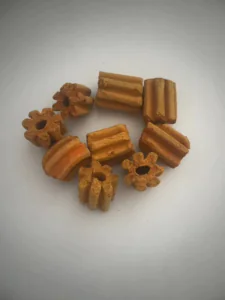
The V₂O₅ catalyst plays a vital role in enhancing the reaction rate of SO₂ oxidation. Its unique properties, such as high surface area and optimized pore structure, allow for effective contact with reactant gases across a wide temperature range. Specifically, caesium-promoted catalysts like the V212-M series maintain high SO₂ conversion even at lower operating temperatures, which significantly reduces SO₂ emissions. By integrating advanced catalyst designs, we help sulfuric acid plants achieve stable and efficient operations while complying with environmental standards.
Specific Catalyst Models and Their Applications
Different sections of the SO₂ converter require specialized catalysts to maintain optimal performance. Our Hualian Catalyst offerings include:
V201-M – Suitable for all beds, offering high dispersion of V₂O₅ species and excellent activity between 400–630 °C, ideal for general applications.
V208-M – Optimized for Bed 3, where higher SO₃ concentrations demand enhanced conversion efficiency.
V212-M – Caesium-promoted, effective for the top layers of the first bed or lower beds (4–5), reducing emissions and supporting production under lower temperature conditions.
These tailored solutions ensure that each stage of the V₂O₅ catalyst contact process functions efficiently, maintaining consistent sulfuric acid output.
Operational Benefits of Advanced Sulfuric Acid Catalysts
Using high-quality sulfuric acid catalysts like those provided by Hualian Catalyst leads to multiple operational advantages. Plants experience improved energy efficiency due to lower required operating temperatures and reduced thermal stress on equipment. Prolonged catalyst life minimizes downtime, while optimized activity ensures that the SO₂ to SO₃ conversion remains consistently high. Overall, these benefits contribute to both cost-effectiveness and environmental compliance, reinforcing sustainable production practices.
Conclusion
The V₂O₅ catalyst contact process is the backbone of efficient sulfuric acid manufacturing, and selecting the right sulfuric acid catalyst is crucial for optimal performance. At Hualian Catalyst, we develop specialized catalysts like V201-M, V208-M, and V212-M, designed for specific converter conditions to maximize conversion efficiency, reduce emissions, and support sustainable production. By focusing on high-performance materials and precise process applications, we ensure that sulfuric acid plants can operate safely, efficiently, and reliably.