In the landscape of modern emission control, the selective catalytic reduction catalyst stands as the definitive solution for managing nitrogen oxide (NOx) emissions in lean-burn diesel engines. Unlike stoichiometric gasoline engines that can rely on three-way catalysts, diesel engines operate with excess oxygen, rendering traditional reduction methods ineffective. The diesel SCR catalyst functions by facilitating a chemical reaction between NOx and ammonia (typically derived from a urea solution like AdBlue or DEF). This reaction occurs within the geometric channels of a honeycomb substrate, converting harmful pollutants into harmless nitrogen (N2) and water vapor (H2O). For fleet managers and OEM engineers, understanding the thermodynamics of this process is critical. The efficiency of the reduction depends heavily on the catalyst’s operating temperature window and the surface area available for the reaction, parameters that are defined by the quality of the ceramic substrate.
The Critical Role of the Honeycomb Substrate
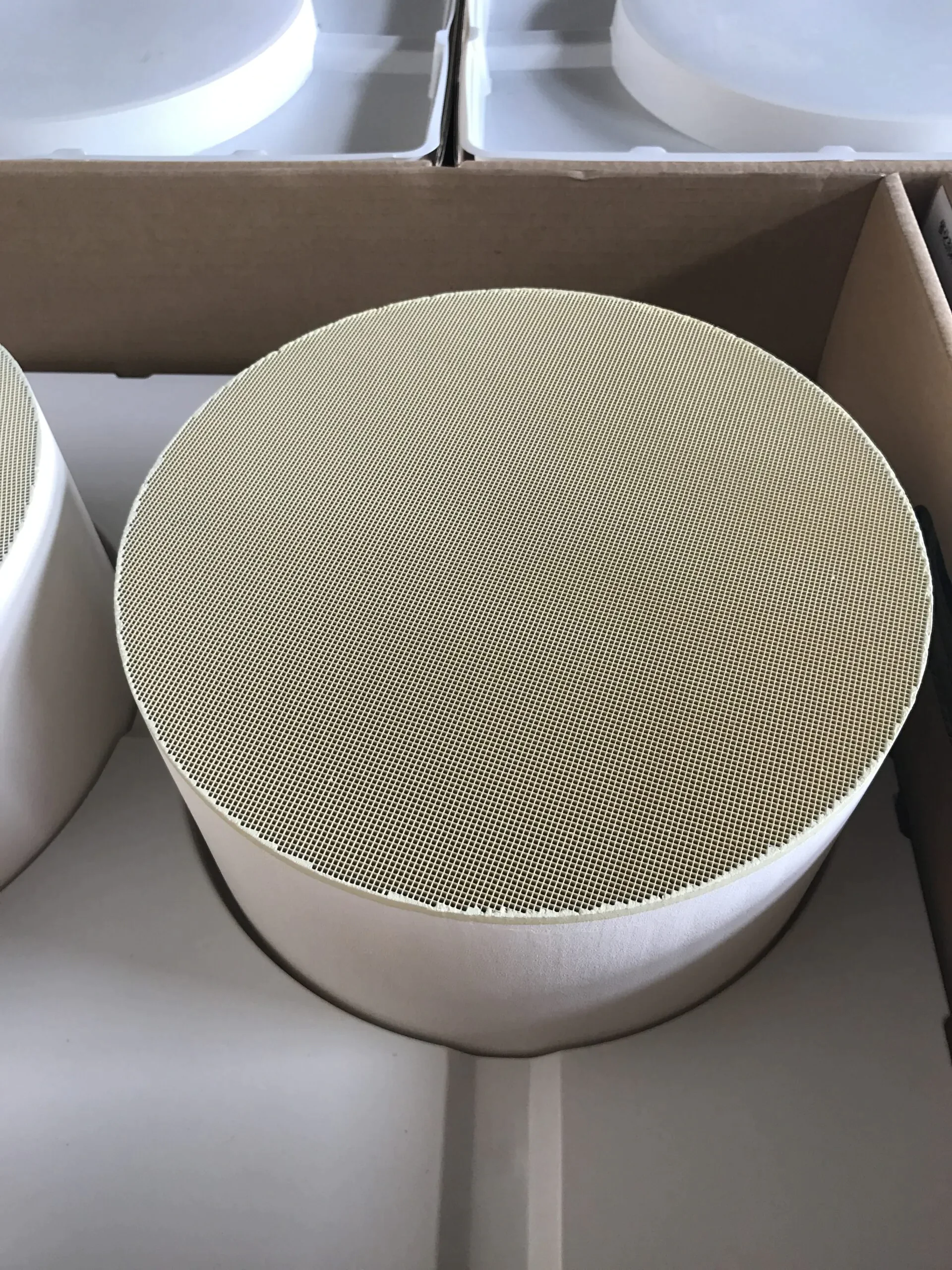
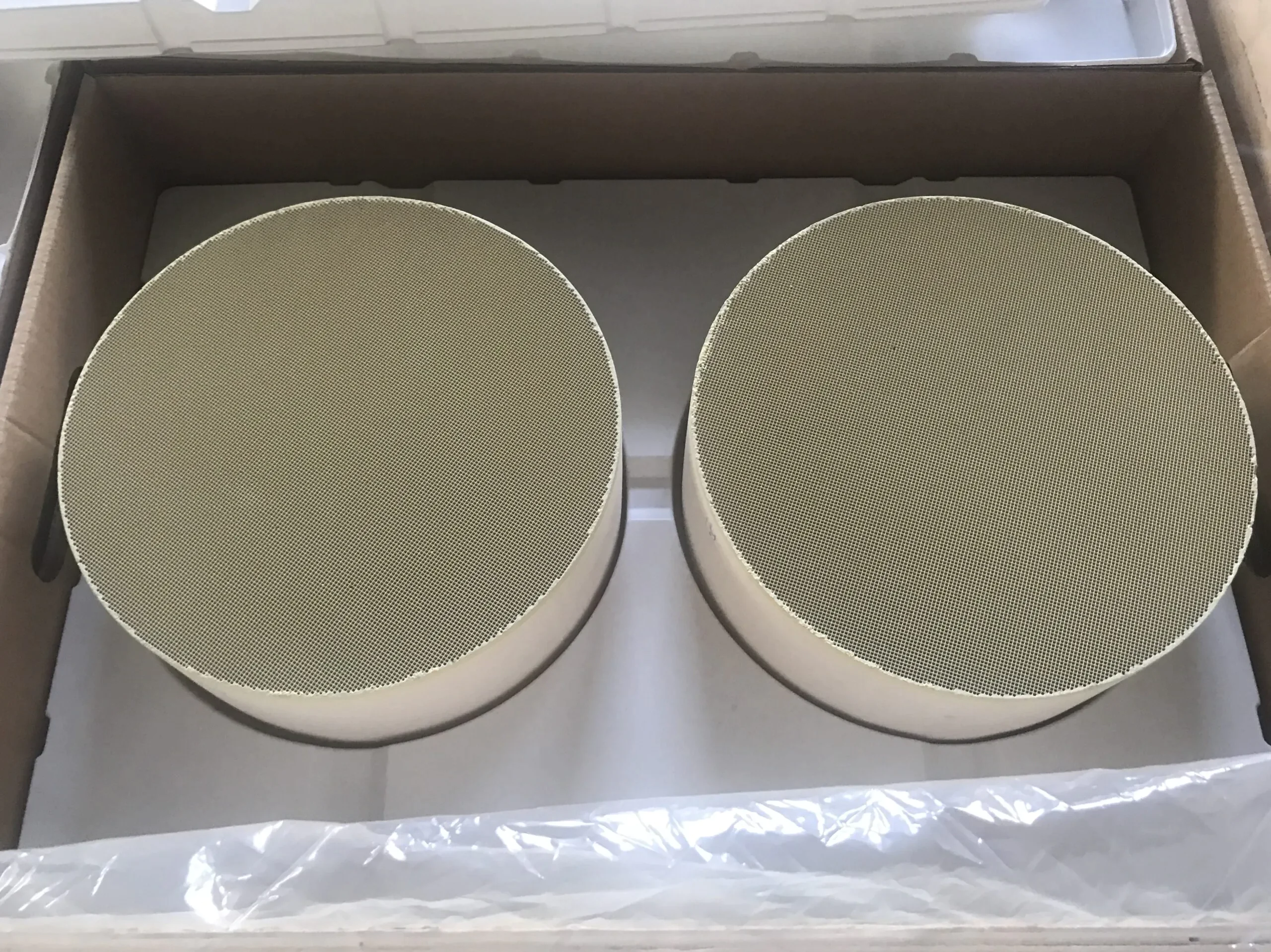
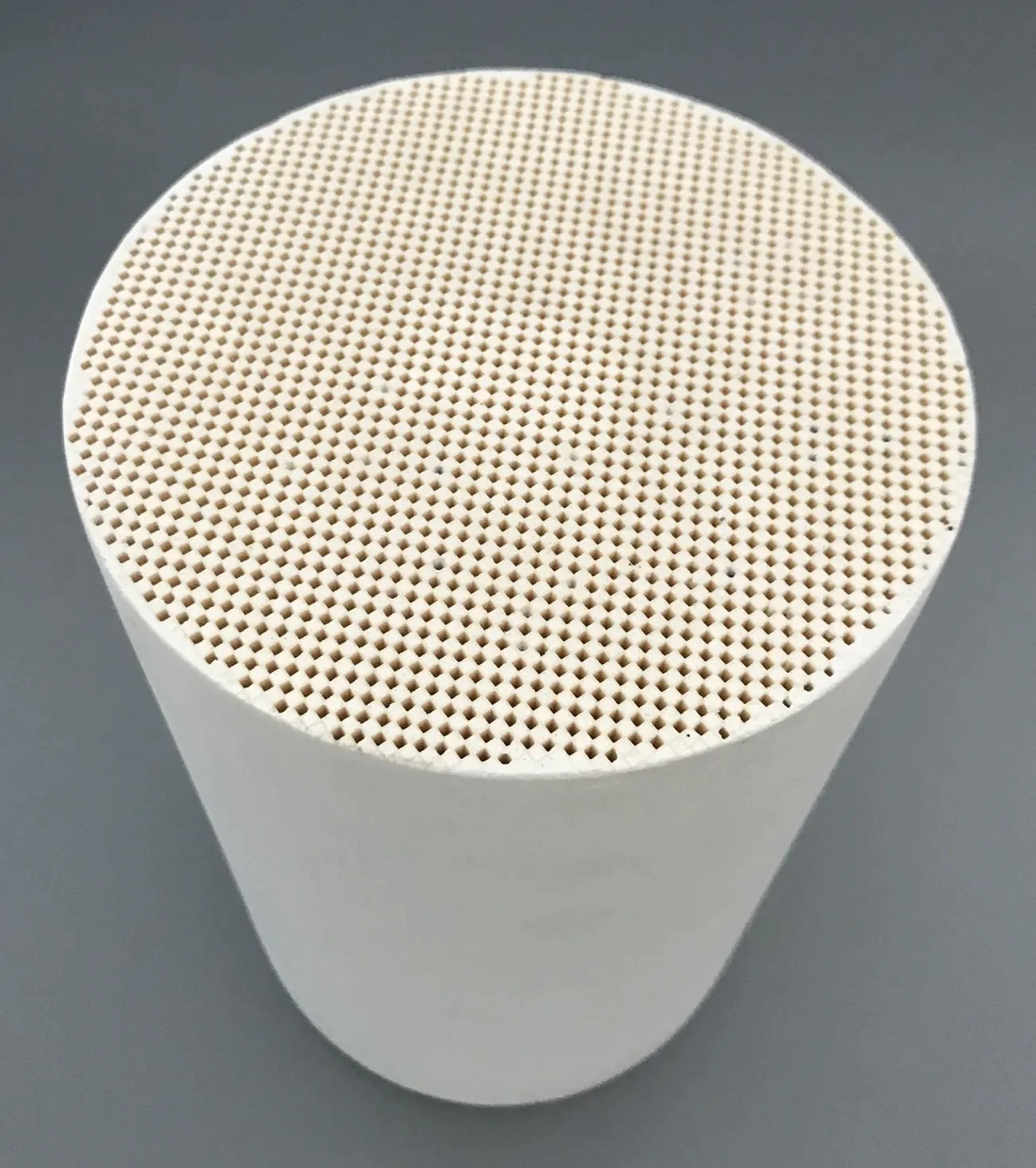
The structural foundation of any high-performance selective catalytic reduction catalyst is the honeycomb ceramic support. Typically manufactured from cordierite (magnesium iron aluminum cyclosilicate), these substrates are engineered to provide massive geometric surface area within a compact volume. Hualian Catalyst specializes in producing these substrates with cell densities ranging from 100 to 400 CPSI (cells per square inch). This range allows for a precise balance between conversion efficiency and backpressure. A higher cell density offers more surface area for the catalytic washcoat, improving NOx conversion rates. However, for heavy-duty applications where soot loading is a concern, a lower cell density might be preferred to reduce the risk of clogging. The substrate must also possess a low coefficient of thermal expansion to withstand the rapid temperature fluctuations inherent in diesel exhaust systems without cracking.
Vanadium-Based Formulations: The Industry Workhorse
While various chemical formulations exist, the vanadium-based diesel scr catalyst remains a dominant choice for many heavy-duty applications due to its sulfur tolerance and robustness. These catalysts typically utilize a formulation of vanadium pentoxide (V2O5) and tungsten oxide (WO3) supported on a titania (TiO2) carrier. This composition is particularly effective in the temperature range of 300°C to 450°C, which aligns well with the exhaust profiles of long-haul trucks and industrial machinery. Hualian Catalyst leverages this proven chemistry to deliver products that are resistant to poisoning by sulfur found in some diesel fuels. Unlike zeolite-based alternatives, which can be more sensitive to chemical deactivation, vanadium-based catalysts offer a reliable and cost-effective solution for fleets operating in diverse fuel-quality environments.
Navigating the OEM vs. Aftermarket Landscape
For Original Equipment Manufacturers (OEMs), the priority when selecting a selective catalytic reduction catalyst is absolute compliance with regulatory standards such as Euro VI or EPA Tier 4. Reliability is non-negotiable. However, the aftermarket sector faces a different set of challenges. Operators are often looking for a diesel scr catalyst to replace a failed unit on an aging vehicle. Here, cost becomes a significant factor, but it cannot come at the expense of compliance. A substandard aftermarket catalyst may trigger on-board diagnostic (OBD) fault codes or lead to “derating” of the engine, where the vehicle enters a limp mode. High-quality aftermarket suppliers like Hualian Catalyst bridge this gap by offering replacement cores that meet OEM specifications for washcoat loading and dimensional accuracy, ensuring that the replacement unit communicates correctly with the vehicle’s NOx sensors.
Customization and Dimensional Flexibility
One of the distinct advantages of partnering with a specialized manufacturer like Hualian Catalyst is the ability to source customized dimensions. While OEMs typically stick to rigid, high-volume standard sizes, the aftermarket and specialized industrial sectors often require unique shapes—round, oval, or racetrack configurations—to fit into tight chassis spaces. A flexible selective catalytic reduction catalyst supplier can produce substrates with specific diameters and lengths to match the canning requirements of retrofitted systems. This capability is vital for integrating modern emission controls into older generators, marine vessels, or construction equipment that were not originally designed to accommodate bulky aftertreatment systems.
Durability and Resistance to Poisoning
The operational life of a diesel scr catalyst is often dictated by its resistance to chemical poisoning and thermal aging. Contaminants such as phosphorus and zinc from engine lubricating oil, or sulfur from fuel, can mask the active sites of the catalyst, reducing its efficiency over time. Furthermore, the phySICal durability of the washcoat adhesion is paramount. Hualian Catalyst addresses this by ensuring our ceramic substrates have optimized porosity. This micro-structure acts as an anchor for the washcoat, preventing it from flaking off under the high-vibration conditions typical of heavy-duty diesel operation. A durable catalyst minimizes the total cost of ownership by extending maintenance intervals and preventing premature failure.
Economic Implications for Fleet Operations
Ultimately, the choice of a selective catalytic reduction catalyst impacts the bottom line. A highly efficient catalyst reduces the consumption of urea (DEF) because the chemical reaction is more complete, requiring less reductant dosing to achieve the same NOx reduction. Conversely, a degraded or low-quality catalyst forces the dosing system to inject more urea, increasing operational costs and the risk of “ammonia slip”—where unreacted ammonia exits the tailpipe. By investing in high-quality components from Hualian Catalyst, operators ensure a stable chemical balance. This stability protects downstream components like the ammonia slip catalyst (ASC) and ensures that the vehicle remains profitable and compliant on the road.
Future-Proofing Emission Control Strategies
As global emission standards continue to tighten, the technology behind the diesel scr catalyst must evolve. The industry is moving toward higher porosity substrates that allow for thicker washcoat layers without increasing backpressure, enabling higher conversion rates in smaller packages. Whether for a new OEM platform or a strategic aftermarket replacement, the focus remains on material science—combining robust ceramic supports with active chemical coatings. Hualian Catalyst continues to refine these technologies, providing the heavy-duty sector with the tools needed to navigate an increasingly regulated future while maintaining the rugged reliability that diesel engines are known for.