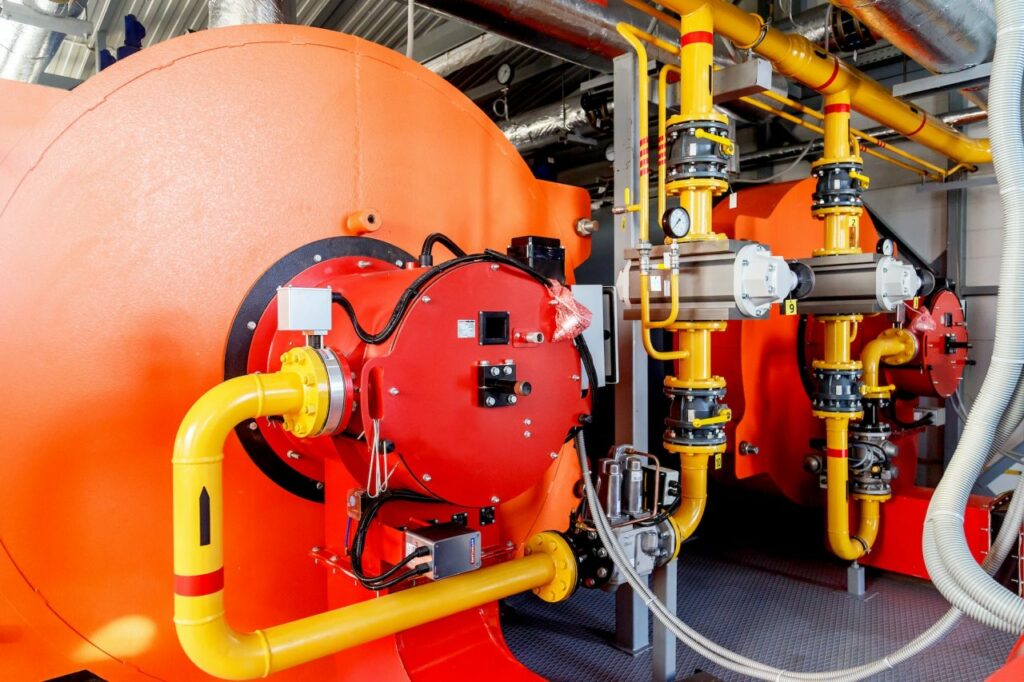
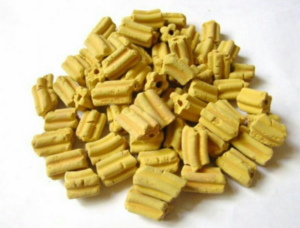
In sulfuric acid production, the stability of the vanadium pentoxide catalyst is closely linked to consistent operating temperatures. When the converter experiences rapid thermal fluctuations or prolonged exposure to temperatures outside the recommended range, the catalyst surface gradually loses activity. We often observe this decline when plants run at conditions that differ from their design parameters, especially during load changes or start-ups. Maintaining a stable temperature profile helps safeguard the structure and activity of the vanadium pentoxide catalyst, supporting efficient SO₂-to-SO₃ conversion. For configurations such as the vanadium pentoxide catalyst sulfuric acid Daisy 11mm and 12mm, even distribution of heat across the bed is essential to prevent the early stages of deactivation.
Contaminants and Chemical Interference
Feed-gas quality directly affects the performance of our V₂O₅ catalyst, and contaminants remain one of the most frequent causes of deactivation. Dust, alkali metals, or heavy hydrocarbons can block active sites or alter surface chemistry, reducing overall conversion efficiency. We work with advanced filtration and upstream control strategies to minimize these risks. When harmful deposits accumulate, they interfere with reaction pathways and contribute to long-term performance loss of the V₂O₅ catalyst, especially in units operating under high throughput or variable loads. In the middle of these operational considerations, we integrate solutions from Hualian Catalyst to support plants that prioritize stability and predictable behavior across extended operating cycles.
Mechanical Wear and Improper Handling
Physical degradation is another factor that cannot be overlooked in catalyst systems. Uneven loading, excessive vibration, and pressure fluctuations can lead to abrasion or structural damage within the catalyst bed. These issues reduce effective surface area and disrupt gas flow, which ultimately impacts reaction kinetics. Our experience shows that careful handling procedures and well-designed support structures significantly reduce mechanical stress on the vanadium pentoxide catalyst. For Daisy-type geometries, consistent alignment and stable gas distribution play an important role in maintaining uniform performance. By combining proper loading practices with routine inspections, we help operators create conditions that preserve catalyst integrity and reduce premature wear.
Conclusion: Strengthening Long-Term Catalyst Performance
Overall, deactivation of the V₂O₅ catalyst typically results from thermal instability, contaminants, or mechanical damage. Understanding these causes enables sulfuric acid plants to maintain reliable conversion rates and improve operating continuity. Through stable temperature management, effective impurity control, and proper mechanical handling, we support systems that achieve longer catalyst life and more consistent operation. With continued refinement of our production techniques—including the Daisy 11mm and 12mm options—we remain focused on solutions that help plants prevent deactivation and protect the long-term value of their catalyst systems.