Many engine platforms encounter unexpected declines in emissions performance when a metal catalytic converter begins to fail, and understanding these conditions allows us to build more reliable systems. Our field observations show that extreme temperature fluctuations, unstable air-fuel ratios, and prolonged exposure to unburned fuel are common triggers for catalyst degradation. During long-term service, these factors accelerate the breakdown of washcoat layers and interfere with the chemical reactions inside the converter. The role of Hualian Catalyst in this stage is to analyze how operational intensity and exhaust behavior influence the lifespan of a metallic catalytic converter, ensuring our engineering decisions reflect actual usage environments. With this approach, we help customers identify factors that compromise catalyst activity before structural issues emerge.
Material Durability, Coating Stability, and Substrate Fatigue
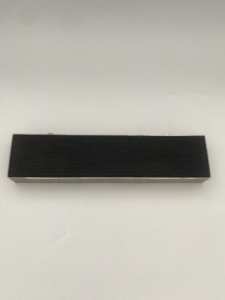
Thermal stress, vibration, and coating separation are among the most frequent contributors to metal catalytic converter failure. Our product family includes the Metallic Catalytic Converter Euro 3/4/5/6 standard, designed with an Advanced Multi-Metal Catalyst Composition that supports balanced oxidation and reduction reactions. However, when temperatures rise unevenly across the substrate, localized hotspots may form, gradually weakening washcoat adhesion. In cases where engines operate under heavy load or frequent acceleration cycles, mechanical fatigue may also affect the converter’s internal structure. By offering both ceramic and metallic substrate choices, we give customers the flexibility to match materials to duty cycles—ceramic for thermal stability and metallic cores for faster light-off and enhanced strength. Within this framework, Hualian Catalyst focuses on reinforcing coating durability, ensuring that Pt, Pd, and Rh remain evenly distributed so that every metallic catalytic converter maintains stable conversion efficiency over time.
Installation Precision and System-Level Coordination
Another major reason a metal catalytic converter may fail involves installation inconsistencies and calibration mismatches. Even a converter built with robust packaging can suffer damage if exhaust flow is restricted or if mounting forces create concentrated stress points. To support system integrators, we offer customization of geometry, CPSI, and dimensions, enabling the converter to align with both OEM and aftermarket layouts. When installation is accurate but upstream combustion remains unstable, catalyst surfaces may still be exposed to raw fuel, causing temperatures to rise well beyond acceptable limits. Situations like these highlight why the structural configuration of every metallic catalytic converter matters, especially when engines operate in high-vibration environments. By coordinating substrate options with engine parameters, Hualian Catalyst helps reduce premature deterioration and maintain consistent reaction performance across the operating cycle.
Conclusion: Core Factors Behind Converter Failure
Failures in a metal catalytic converter generally result from thermal overload, coating breakdown, vibration stress, or installation misalignment. Through material engineering, durable washcoat design, and substrate options suited to different performance demands, every metallic catalytic converter we produce is developed to address these challenges. With proper calibration and correct mounting practices, our solutions support stable emissions conversion and long-term system reliability. Working with customers across various engine platforms, Hualian Catalyst continues to refine catalyst performance to minimize avoidable failures and maintain compliance over the service life of the exhaust system.