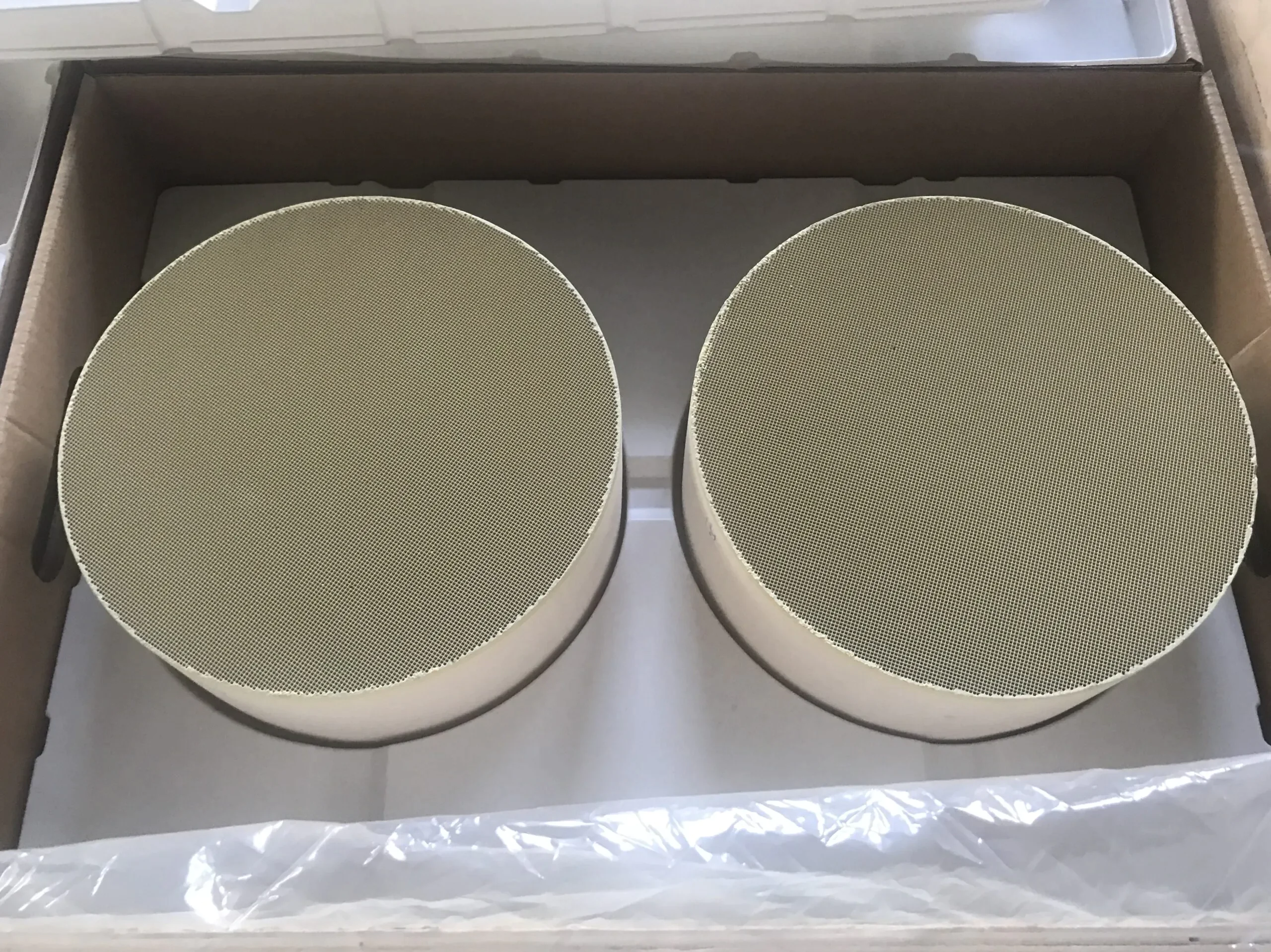
In the complex engineering of modern heavy-duty exhaust systems, the emission control catalyst serves as the primary chemical reactor for reducing harmful pollutants. Specifically, the Diesel Oxidation Catalyst (DOC) is the first stage in the aftertreatment assembly, tasked with oxidizing carbon monoxide (CO), hydrocarbons (HC), and the soluble organic fraction (SOF) of particulate matter. For industry professionals and fleet engineers, understanding the material composition of a DOC catalyst is essential for evaluating its durability and performance. It is not merely a filter; it is a composite device constructed from high-performance ceramics and precious metals, engineered to withstand extreme thermal cycles while maintaining chemical activity. Hualian Catalyst has specialized in the manufacturing of the core component—the honeycomb ceramic substrate—for over three decades, providing the foundational technology that allows these systems to function.
The Ceramic Core: Cordierite Substrates
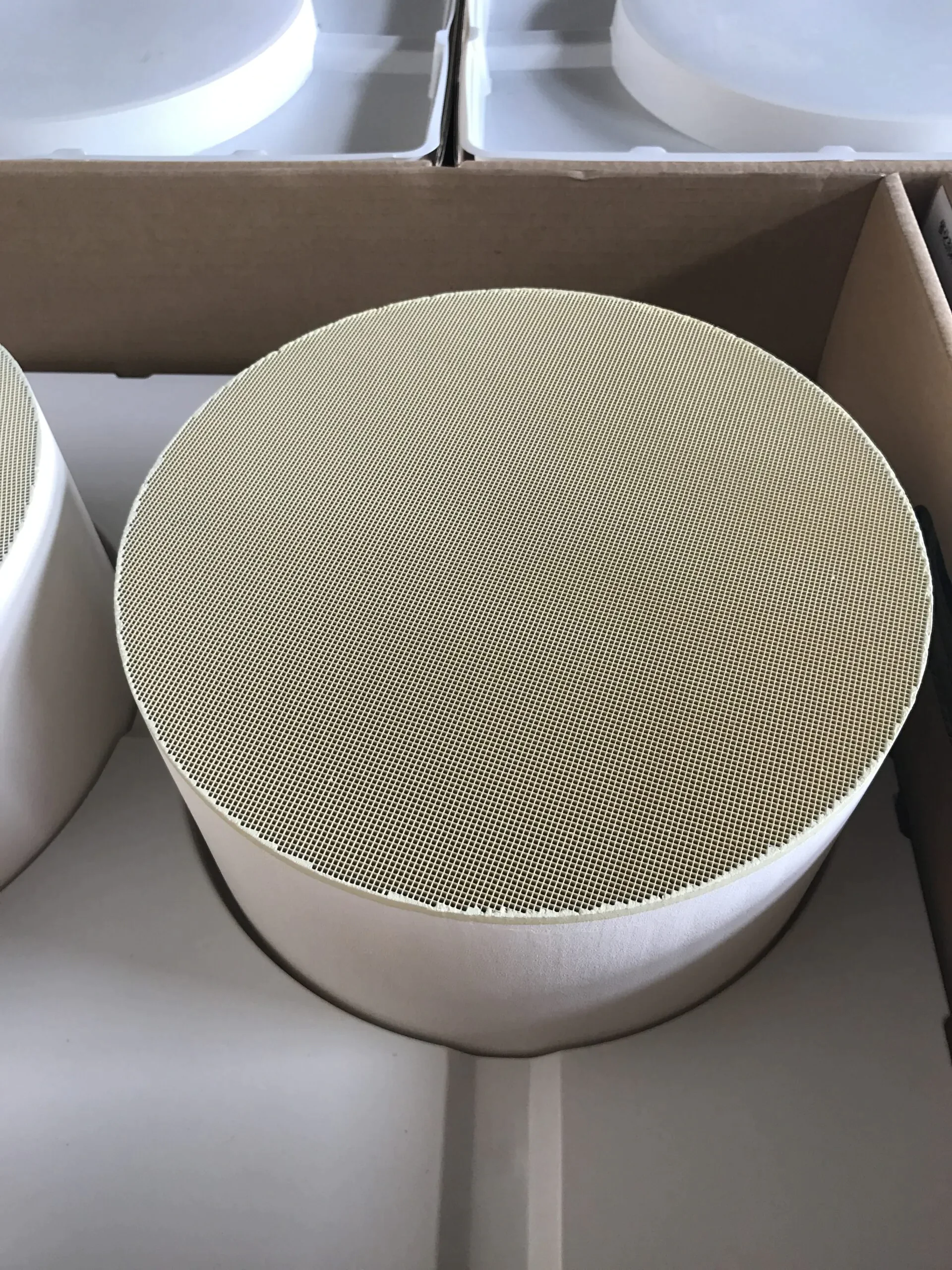
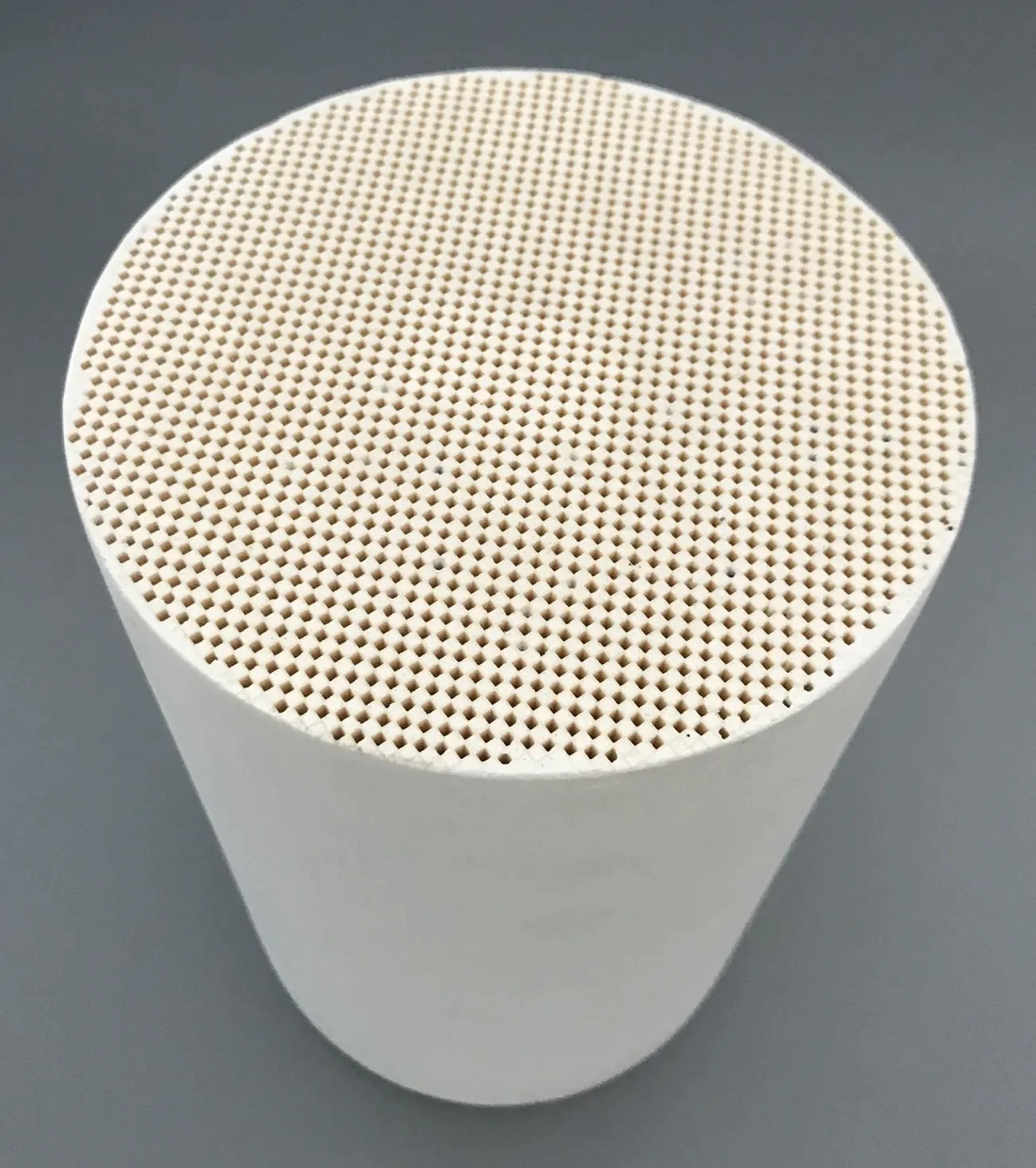
The structural backbone of a DOC catalyst is the substrate, a honeycomb-like monolith that provides the geometric surface area required for gas interaction. Hualian Catalyst manufactures these substrates primarily from cordierite (2MgO·2Al₂O₃·5SiO₂). This synthetic ceramic material is selected for the heavy-duty automotive industry due to its exceptionally low coefficient of thermal expansion (CTE). In operation, a diesel engine subjects the exhaust system to rapid temperature fluctuations, particularly during cold starts or active regeneration cycles. A material with a high CTE would expand and contract unevenly, leading to catastrophic thermal cracking. The cordierite substrates produced by Hualian Catalyst are engineered to resist this thermal shock, ensuring that the phySICal integrity of the emission control catalyst remains intact over hundreds of thousands of kilometers.
Geometric Precision and Surface Area
The efficiency of a DOC catalyst is directly proportional to its active surface area. The honeycomb design maximizes this area within a compact volume. Hualian Catalyst offers these ceramic carriers in various cell densities, typically ranging from 100 to 600 Cells Per Square Inch (CPSI). For a standard DOC application, a density of 300 to 400 CPSI is often optimal, balancing high conversion efficiency with manageable backpressure. The manufacturing process involves precision extrusion, where the raw ceramic paste is forced through a die to create thousands of parallel channels. These channels allow the exhaust gas to flow in a laminar regime, ensuring that every molecule has a high probability of contacting the active channel walls. The uniformity of these channels is a hallmark of high-quality manufacturing, preventing flow maldistribution that can cause localized overheating.
The Washcoat: Increasing Micro-Surface Area
While the cordierite honeycomb provides the macroscopic structure, it is not chemically active on its own. The “activation” of the substrate involves the application of a washcoat. This is typically a slurry containing aluminum oxide (alumina), mixed with other oxides like ceria or zirconia. The washcoat is applied to the channel walls of the DOC catalyst substrate. Its primary function is to increase the microscopic surface area. A well-applied washcoat transforms the relatively smooth ceramic wall into a rough, porous landscape, multiplying the available surface area by thousands of times. Hualian Catalyst ensures that our honeycomb ceramics possess the correct porosity and water absorption characteristics to bond firmly with this washcoat, preventing delamination under high-vibration conditions typical of industrial machinery.
Precious Metal Loading: The Active Sites
The actual chemical oxidation is driven by precious metals dispersed within the washcoat. Platinum (Pt) and Palladium (Pd) are the industry standards for diesel applications. Platinum is highly effective at oxidizing NO to NO2, a critical step for the proper function of downstream components like the Diesel Particulate Filter (DPF) and Selective Catalytic Reduction (SCR) systems. Palladium is often added to improve thermal stability and hydrocarbon conversion. The ratio and loading of these metals are tailored to the specific engine calibration. However, the performance of these expensive metals relies entirely on the stability of the underlying emission control catalyst substrate. If the substrate fails or the washcoat detaches, the precious metals are lost, and the system fails compliance checks.
The Role of Canning and Matting
A complete DOC catalyst assembly also includes the “canning”—the metal housing that connects the ceramic monolith to the exhaust pipe. Between the steel can and the ceramic substrate lies a fibrous mounting mat. This mat acts as a shock absorber, holding the ceramic in place while accommodating the differential expansion rates between the steel housing and the ceramic core. While Hualian Catalyst primarily supplies the ceramic honeycomb, understanding this system integration is vital. A high-quality substrate must have precise dimensional tolerances—diameter and length—to ensure it fits perfectly within the canning mat. Any gap or looseness can lead to “bypassing,” where untreated exhaust gas slips around the catalyst, or mechanical failure due to rattling.
Customization for Specific Operational Profiles
Not all diesel engines operate under the same conditions. A long-haul truck engine runs at steady, high temperatures, whereas a delivery van or a piece of construction equipment may experience frequent stop-start cycles and cooler exhaust temperatures. Hualian Catalyst addresses these diverse needs by offering customized substrate shapes and sizes. From standard round profiles to oval and “racetrack” shapes designed to fit into tight chassis spaces, our manufacturing flexibility allows OEMs and aftermarket integrators to optimize the emission control catalyst for specific vehicle platforms. This customization extends to the wall thickness of the honeycomb cells; thinner walls reduce thermal mass for faster light-off, while thicker walls offer enhanced durability for off-road applications.
Ensuring Compliance and Durability
For the experienced buyer, the material composition of the DOC catalyst is a proxy for reliability. The market is flooded with inferior substrates that may look identical to the naked eye but lack the mineralogical purity to survive real-world abuse. Impurities in the cordierite raw material can lower the melting point or weaken the structure. Hualian Catalyst utilizes high-purity raw materials and controlled firing processes to produce substrates that meet stringent international quality standards. By prioritizing the material science behind the emission control catalyst, we provide a product that ensures fleets remain compliant with Euro VI and Tier 4 regulations, protecting both the environment and the operator’s bottom line.
Conclusion: Material Science Meets Engineering
Ultimately, a diesel oxidation catalyst is made of more than just ceramic and metal; it is made of precise engineering and material science. The synergy between the cordierite substrate, the high-surface-area washcoat, and the precious metal catalyst creates a robust system capable of neutralizing hazardous emissions. For professionals tasked with maintaining or manufacturing these systems, the quality of the substrate is the starting point for all performance metrics. By choosing a reputable manufacturer like Hualian Catalyst, the industry ensures that this critical component—the heart of the emission control system—delivers the durability and efficiency required for the demanding road ahead.