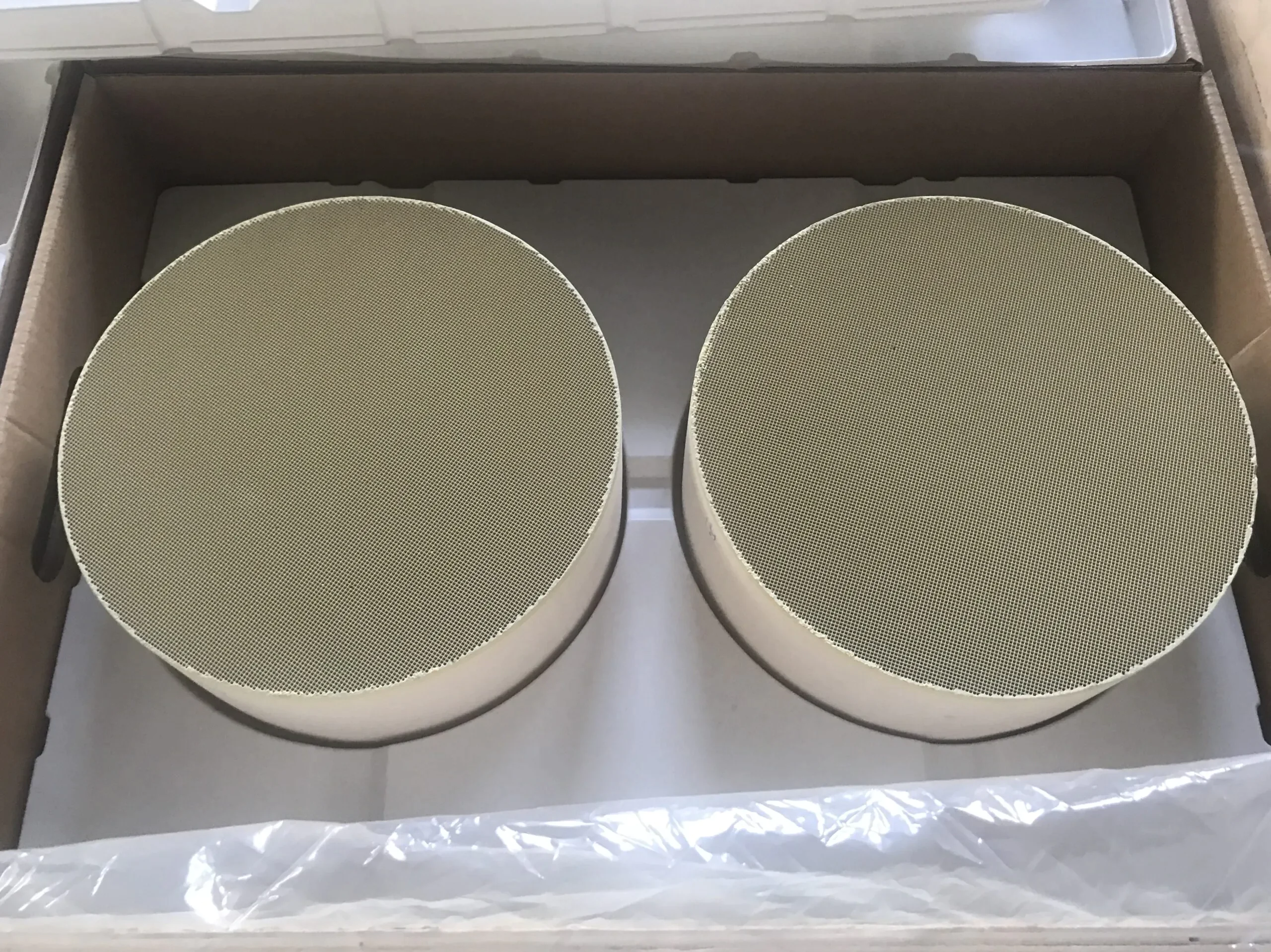
The diesel oxidation catalyst (DOC) plays a critical role in the emission control systems of diesel engines. It is designed to reduce harmful pollutants in the exhaust gases of diesel-powered vehicles and machinery. The primary purpose of a DOC is to facilitate the oxidation of carbon monoxide (CO) and hydrocarbons (HC), converting them into less harmful substances such as carbon dioxide (CO₂) and water (H₂O). This catalytic process not only helps meet environmental standards but also ensures that diesel-powered engines operate more efficiently with a reduced environmental impact.
Understanding the Functionality of a Diesel Oxidation Catalyst
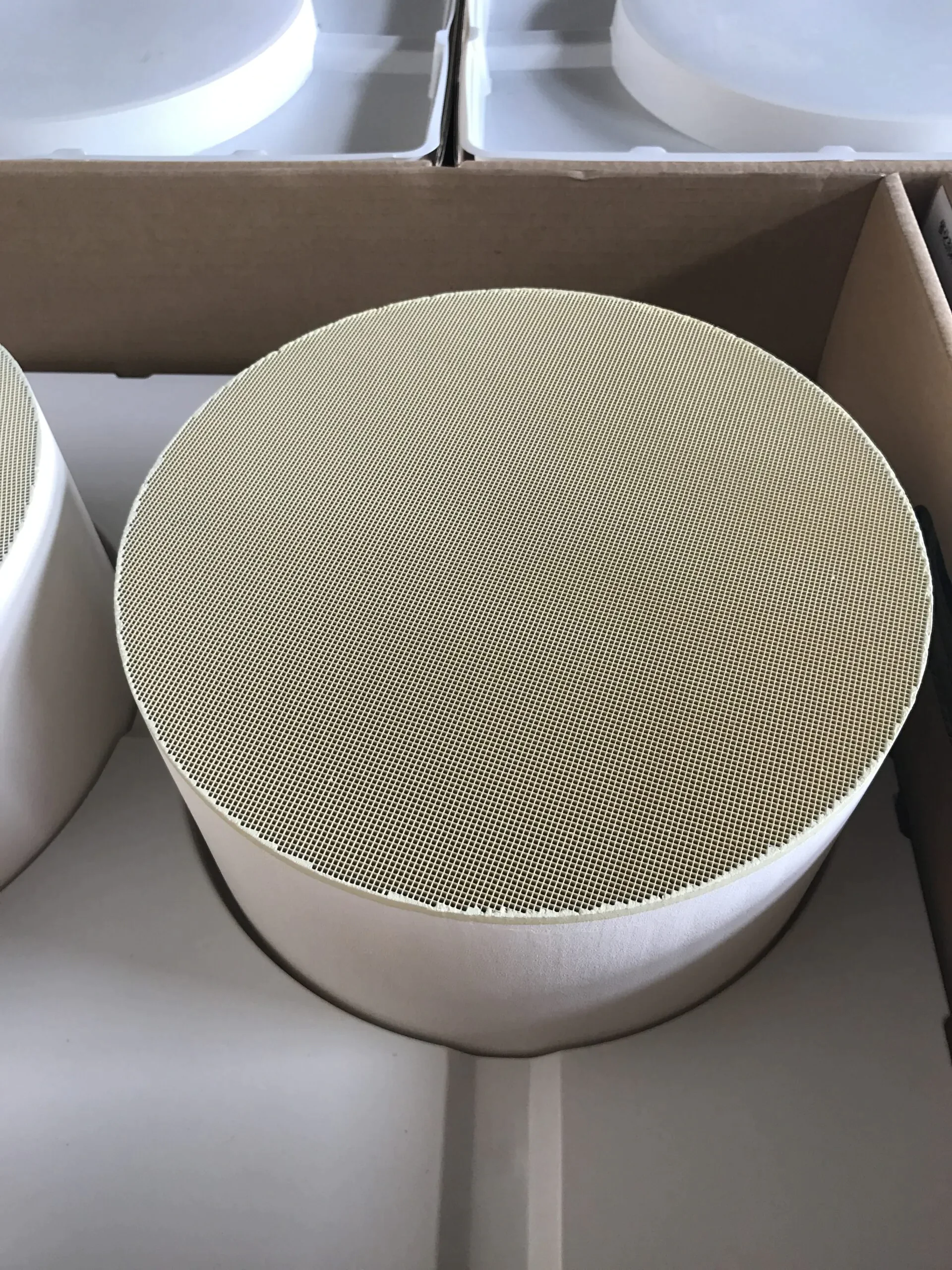
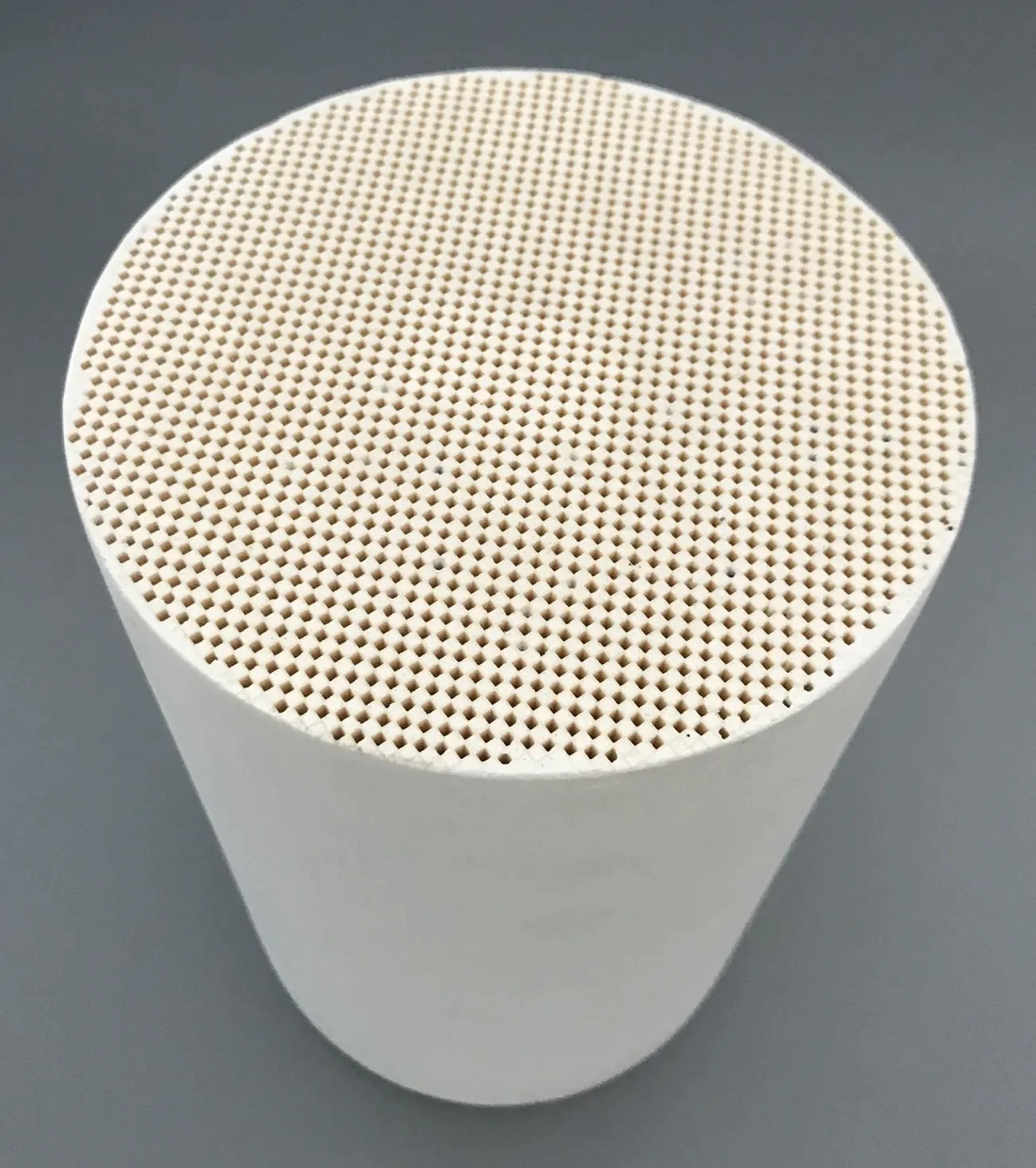
A diesel oxidation catalytic converter is integral to the after-treatment system of diesel engines. Positioned in the exhaust system, it provides an optimal attachment surface for the catalyst. The honeycomb ceramic structure of the DOC ensures that exhaust gases have maximum contact with the catalyst, allowing for efficient oxidation reactions. This structure is highly durable, making the catalyst resistant to extreme temperatures and pressures found in diesel engine exhausts. It is designed to handle the harsh environment of heavy-duty diesel vehicles, construction equipment, and other machinery that operate under demanding conditions.
The Benefits of Honeycomb Ceramic Structure in DOC Catalysts
The DOC Catalyst-Honeycomb Ceramic Structure is one of the most advanced technologies used to reduce diesel engine emissions. The honeycomb structure improves the catalyst’s efficiency by increasing the surface area that comes into contact with exhaust gases. This results in a higher rate of oxidation and a more effective reduction in pollutants. Moreover, the ceramic substrate ensures excellent thermal stability and low pressure drop, which contributes to better engine performance and fuel efficiency. These characteristics make the DOC an essential component in complying with global emissions regulations such as Euro III–VI and EPA standards.
Customization Options for Diesel Oxidation Catalysts
One of the unique features of Hualian Catalyst is our ability to provide diesel oxidation catalysts that are fully customizable. We understand that each engine and application may have different requirements, so we offer a range of options, including custom sizes, cell densities, and coating formulations. Whether you need a solution for non-road machinery, heavy-duty diesel vehicles, or construction equipment, our DOC catalysts can be tailored to meet specific performance and regulatory needs. Our goal is to provide optimal emission control solutions that deliver both high performance and long-term reliability.
Conclusion
In conclusion, the diesel oxidation catalyst (DOC) serves a vital function in controlling emissions from diesel engines. By converting harmful gases like CO and HC into safer substances, it helps reduce environmental pollution and ensures compliance with stringent emissions standards. The use of a honeycomb ceramic substrate in the DOC offers excellent thermal stability, low pressure drop, and high catalytic activity, making it an ideal choice for various heavy-duty applications. At Hualian Catalyst, we provide customized solutions that meet the specific needs of our clients, offering high-performance, reliable DOC catalysts for a wide range of industries.