The vanadium pentoxide catalyst (V₂O₅) plays a critical role in sulfuric acid production, facilitating the oxidation of sulfur dioxide (SO₂) into sulfur trioxide (SO₃). This reaction is a fundamental part of the contact process, which is used to produce concentrated sulfuric acid, a key industrial chemical. At Hualian Catalyst, we specialize in providing high-performance V₂O₅ catalysts that ensure optimal reaction rates, reduced energy consumption, and prolonged catalyst life. In this article, we’ll dive into the importance of the vanadium pentoxide catalyst, how it works, and why it’s essential in sulfuric acid production.
The Role of Vanadium Pentoxide in Sulfuric Acid Production
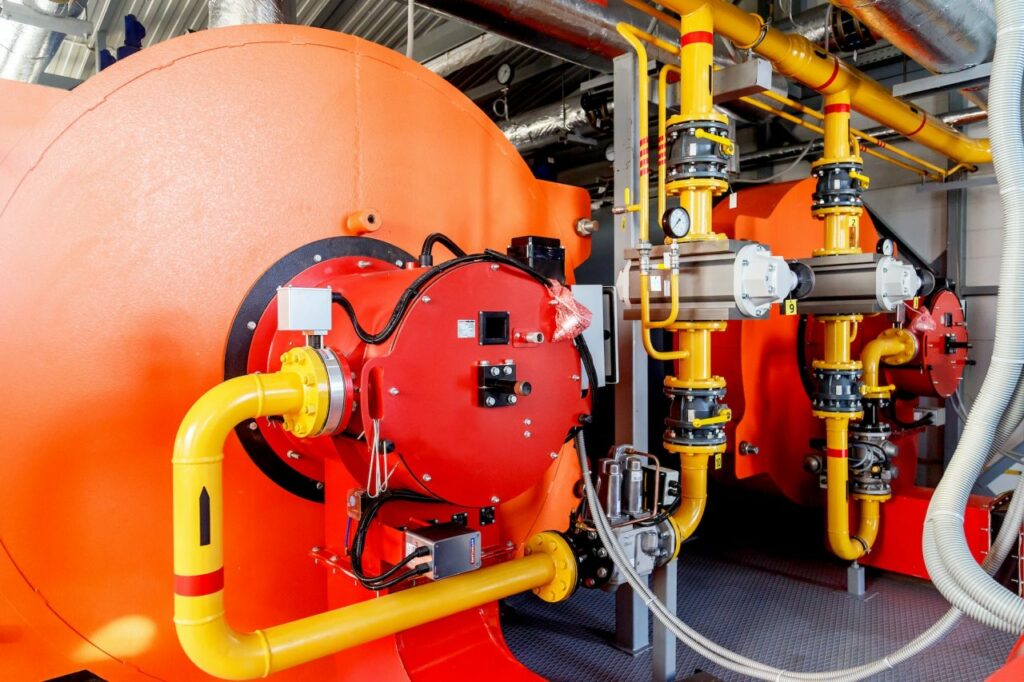
The vanadium pentoxide catalyst is crucial in the conversion of sulfur dioxide to sulfur trioxide, which is the first step in producing concentrated sulfuric acid. The oxidation process is highly exothermic, and the presence of V₂O₅ ensures that this reaction occurs efficiently at controlled temperatures. This catalyst is specifically designed to withstand the harsh conditions of industrial reactors, facilitating the oxidation of SO₂ to SO₃ at optimal reaction rates.
At Hualian Catalyst, we offer V₂O₅ catalysts that are optimized for high-performance operations. Our vanadium pentoxide catalyst ensures that sulfuric acid plants can operate effectively with minimal downtime, while also contributing to lower operational costs. This catalyst helps in maximizing the production of sulfur trioxide, which is then absorbed in water to produce concentrated sulfuric acid.
How Vanadium Pentoxide Catalysts Improve Efficiency
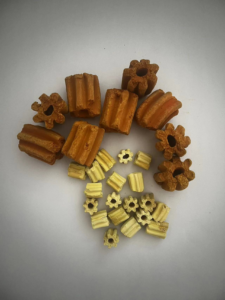
The performance of the vanadium pentoxide catalyst is significantly enhanced when caesium is incorporated into the catalyst composition. Caesium-containing V₂O₅ catalysts have been shown to reduce the operating temperature required for the oxidation process, which lowers energy consumption and reduces sulfur dioxide (SO₂) emissions. This makes them an ideal choice for modern sulfuric acid plants looking to reduce their carbon footprint while improving overall efficiency.
Moreover, these advanced V₂O₅ catalysts contribute to a longer catalyst life, reducing the frequency of catalyst replacements and thus lowering overall maintenance costs. The use of such high-quality catalysts is essential in improving the economic viability and environmental sustainability of sulfuric acid production processes.
Conclusion
In conclusion, the vanadium pentoxide catalyst (V₂O₅) plays a pivotal role in sulfuric acid production by facilitating the oxidation of sulfur dioxide to sulfur trioxide. At Hualian Catalyst, we provide advanced V₂O₅ catalysts that are designed to improve the efficiency of sulfuric acid plants. With optimized properties, including enhanced reaction rates, reduced energy consumption, and extended catalyst life, our vanadium pentoxide catalysts contribute to more cost-effective and sustainable production processes. By choosing Hualian Catalyst, businesses can ensure reliable, high-performance sulfuric acid production while meeting the increasing demands for energy efficiency and environmental responsibility.