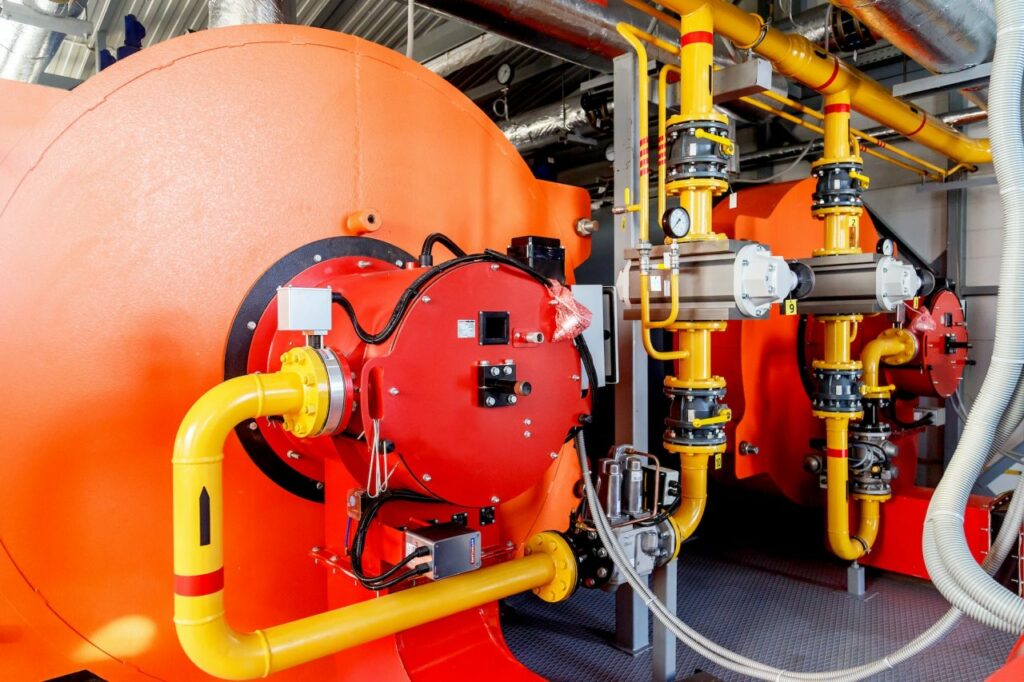
As a manufacturer specializing in advanced emission-control solutions, Hualian Catalyst works with customers who require stable and durable aftertreatment components. When discussing what metal is in a catalytic converter, we focus on the role of metallic substrates and the coated precious-metal system that supports efficient reactions. In our daily production, we use stainless-steel foil alloys that withstand continuous thermal cycling and vibration. These materials form the foundation of our metal catalytic converter, which is engineered for rapid light-off performance and long-term structural stability. Stainless-steel alloys maintain form at high temperatures, allowing the catalyst layer to function consistently across diverse operating conditions.
Metal Structure and Function in Our Solutions
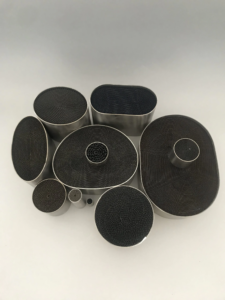
The metals applied inside a catalytic converter are chosen for strength, heat tolerance, and compatibility with washcoat formulations. Our motorcycle catalyst and other vehicle applications rely on finely engineered metal foils arranged into a honeycomb geometry. This metallic honeycomb substrate provides high surface area and accelerates heat transfer within the aftertreatment system. The substrate supports the washcoat and the catalytic components that promote oxidation and reduction reactions, helping engines comply with global emission requirements. For customers operating in demanding environments, we ensure that the metallic core maintains low back pressure and stable mechanical behavior during frequent start-stop cycles. These characteristics allow the catalyzed reactions to initiate quickly, which is essential for consistent emission control.
Application of Metals Across Emission Standards
When clients ask what metal is in a catalytic converter, we emphasize that the metallic substrate is only one part of the structure. It works together with the catalyst coating formulated to meet Euro 3/4/5/6 and Tier IV regulations. In our Metallic Catalytic Converter Euro 3/4/5/6 standard series, the stainless-steel metallic substrate forms a robust carrier for customized cell densities and coating systems. Installed in the exhaust aftertreatment system, the metallic catalytic converter facilitates pollutant conversion for motorcycles, gasoline engines, diesel engines, trucks, and off-road machinery. The thin-walled foil reduces exhaust resistance, while the substrate geometry is optimized for engine layout, durability expectations, and thermal load requirements. By adjusting the substrate metal thickness and cell density, we support customers seeking specific performance targets.
Conclusion
In summary, when evaluating what metal is in a catalytic converter, we refer to the stainless-steel metallic substrate that provides the structural base for catalytic reactions. This metal ensures strength, heat stability, and reliable operation across various applications. Through our metal catalytic converter and motorcycle catalyst solutions, we apply this metallic structure to support rapid activation, low back pressure, and long-term emission compliance. Our customizable metallic systems—designed within Euro 3–6 and Tier IV frameworks—help customers maintain consistent environmental performance throughout the service life of their equipment.