For decades, the catalytic converter has been the unsung hero of environmental protection in the automotive sector. This device, positioned in the exhaust stream, converts over 90% of harmful gases into less toxic substances. While the casing and substrate are often visible, the true power lies within an invisible chemical layer: the Platinum Group Metals (PGMs).
PGMs are the most critical and most valuable components in any vehicle exhaust catalyst. These metals—Platinum (Pt), Palladium (Pd), and Rhodium (Rh)—are not consumed in the conversion process; rather, they serve as catalysts, accelerating the necessary chemical reactions. The specific composition and concentration of these PGMs are what determine a converter’s efficiency, durability, and ability to meet demanding global emissions standards like Euro 6.
As a specialized supplier of catalytic solutions, Hualian Catalyst understands that precision in PGM formulation is paramount. Their three-way catalytic converters, including the advanced metallic catalytic converter line, are engineered with carefully calibrated PGM coatings to ensure maximum pollutant conversion and long-term stability for automotive and industrial partners.
The Core Trio: Understanding the Role of Each Precious Metal
A successful vehicle exhaust catalyst is a marvel of chemical engineering, using a carefully balanced ratio of PGMs to tackle the three primary pollutants simultaneously: Carbon Monoxide (CO), Unburned Hydrocarbons (HC), and Nitrogen Oxides (NOx).
- Platinum (Pt)
Platinum is historically the most well-known and versatile catalyst. It is highly active in promoting oxidation reactions—the process of adding oxygen to pollutants.
Primary Role: Excellent for oxidizing Carbon Monoxide (CO) into Carbon Dioxide (CO2), and Unburned Hydrocarbons (HC) into CO2 and water (H2O).
Application Note: Platinum exhibits high resistance to sulfur poisoning, making it particularly crucial in diesel vehicle exhaust catalyst systems, which operate in oxygen-rich environments.
- Palladium (Pd)
Palladium is the modern workhorse, widely employed in gasoline engines due to its effectiveness and high-temperature tolerance.
Primary Role: Excels at oxidation reactions, converting CO and HC. It performs optimally under the high heat conditions typical of gasoline engine operation.
Application Note: In three-way catalytic converters for gasoline engines, Palladium is a highly efficient and cost-effective catalyst for the oxidation side of the conversion process.
- Rhodium (Rh)
Rhodium is the rarest and often the most expensive PGM, yet it is indispensable for modern compliance.
Primary Role: Unique in its ability to facilitate reduction reactions, specifically breaking down harmful Nitrogen Oxides (NOx) into benign Nitrogen (N2) and Oxygen (O2).
Application Note: Without Rhodium, meeting the strict NOx limits of Euro 4, 5, and 6 standards would be virtually impossible.
The Hualian Catalyst Advantage: Precise PGM Loading on the Metallic Catalytic Converter
The true value of a vehicle exhaust catalyst is not just in the presence of Platinum Group Metals (PGMs), but in the sophisticated engineering that ensures their maximum utilization. Hualian Catalyst excels in this area, leveraging the unique properties of the metallic substrate to achieve precise PGM loading and superior catalytic performance.
- Maximizing PGM Efficiency via Surface Area
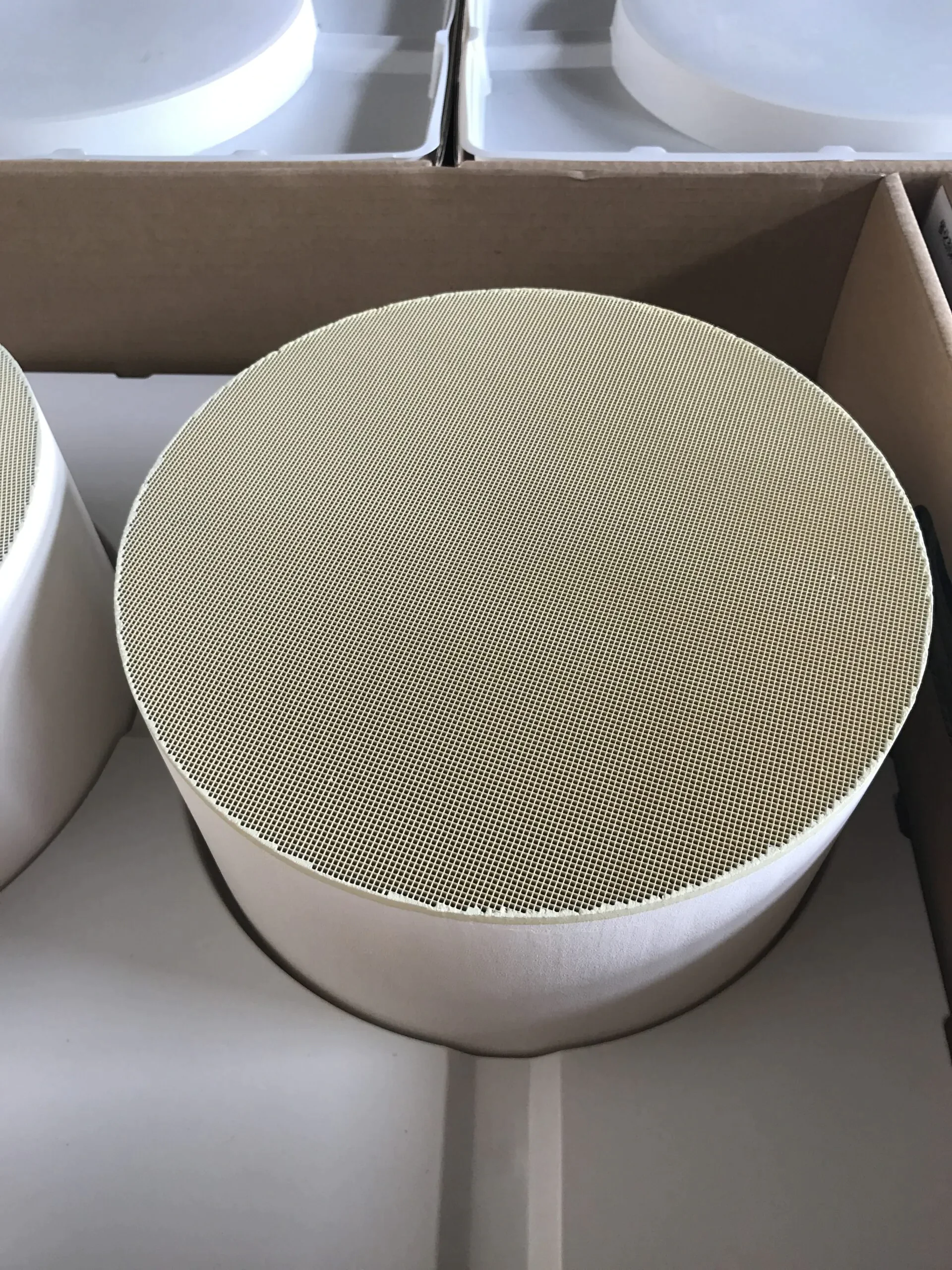
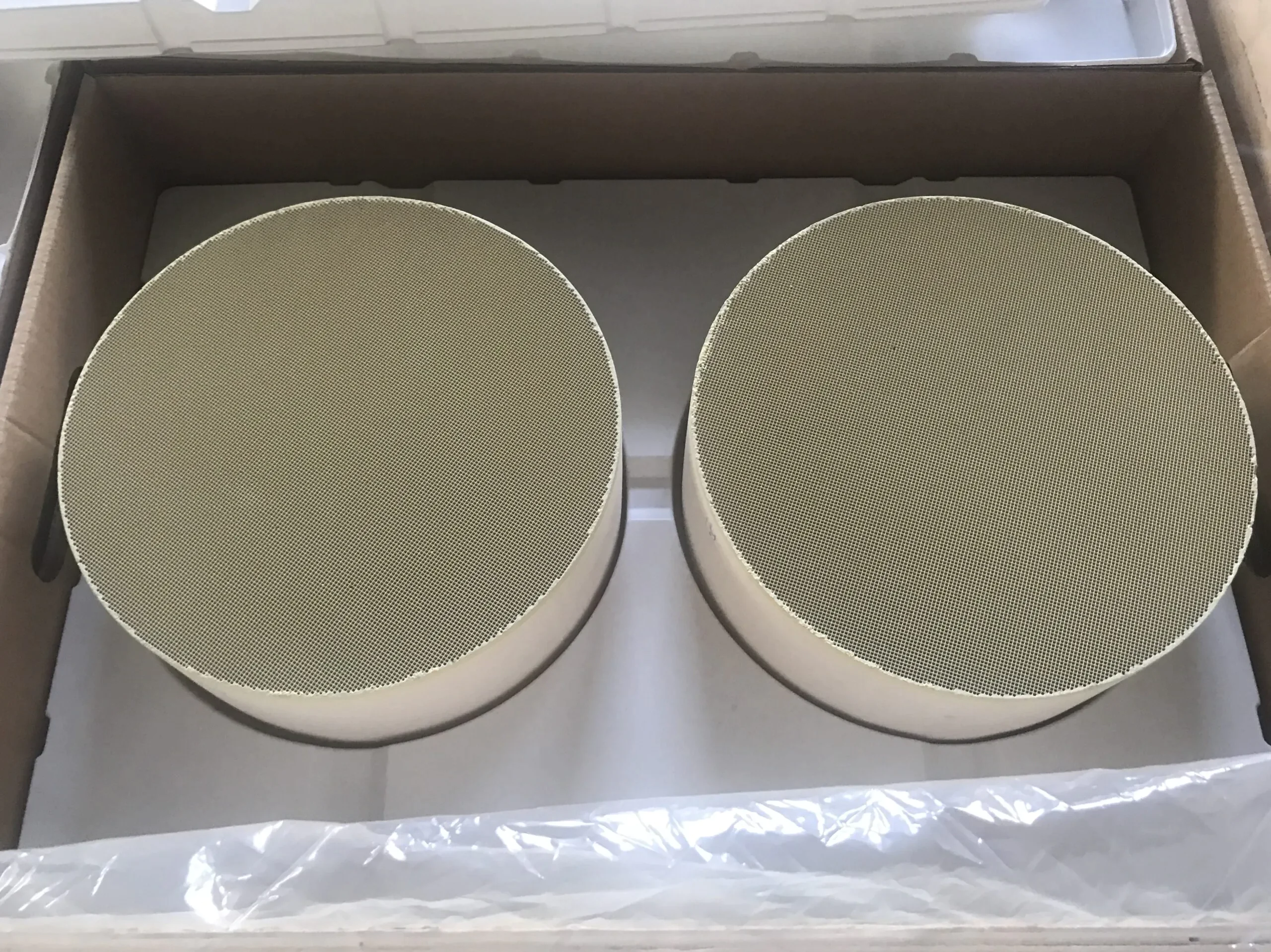
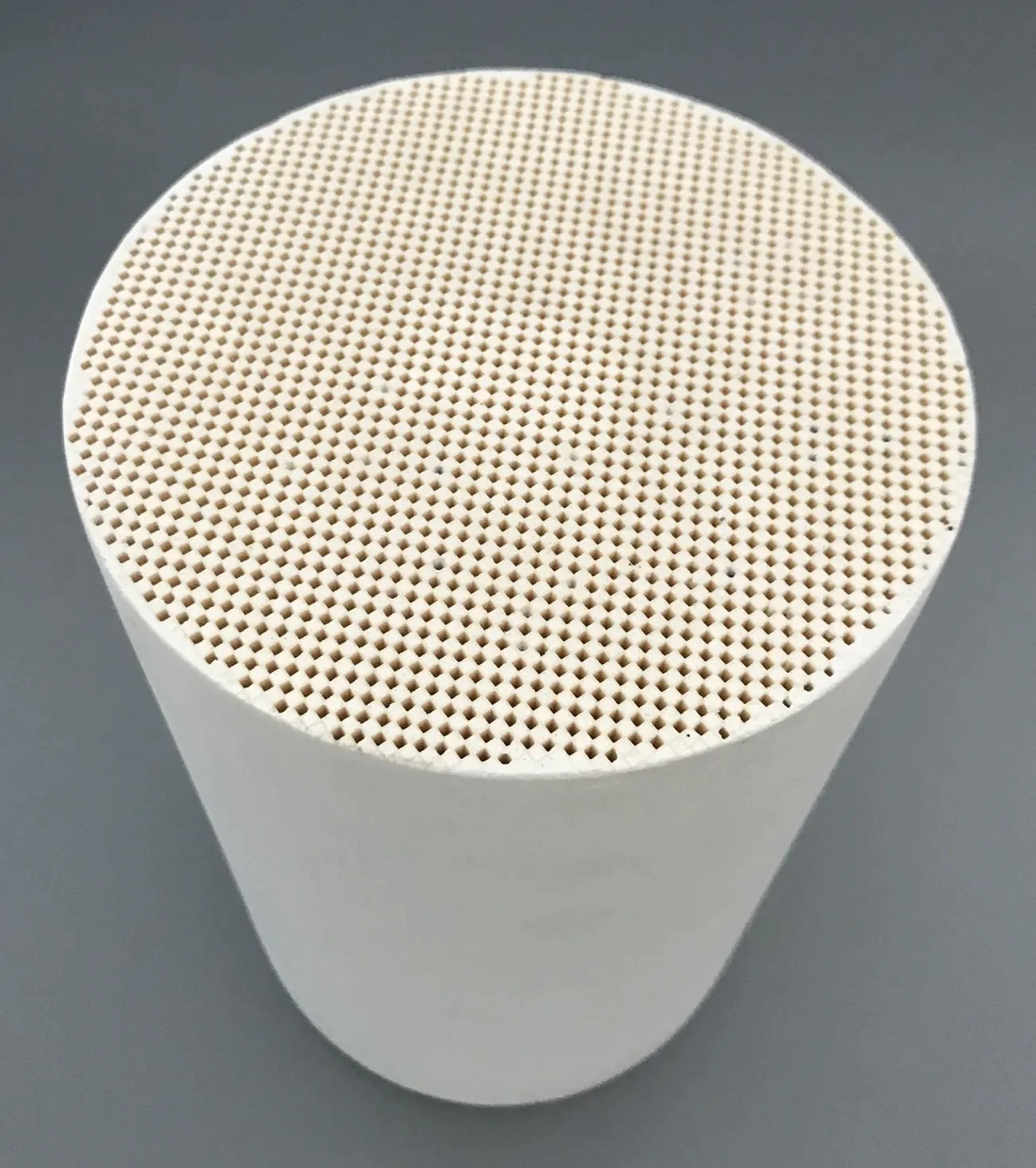
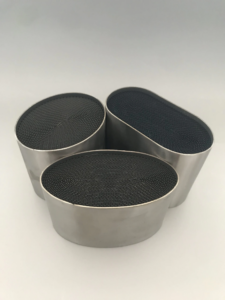
Unlike ceramic substrates, Hualian’s metallic catalytic converter uses thin, corrugated FeCrAl (Iron-Chromium-Aluminum) foil. This construction allows for extremely high cell densities, such as 600 CPSI (Cells Per Square Inch). This dramatically increases the geometric surface area available within the converter’s volume. A higher surface area means the precious metal washcoat (containing Platinum, Palladium, and Rhodium) can be spread out more thinly yet still maintain a high number of active contact sites for the exhaust gas. This intelligent design maximizes the activity of every single, costly gram of PGM, which is a crucial factor in managing material costs for B2B procurement.
- Enhanced Thermal Management
The metallic substrate’s high thermal conductivity ensures rapid heat transfer. This quick response allows the catalyst to reach its “light-off” temperature faster, which is essential for initiating the PGM-driven chemical reactions. By activating sooner, the converter drastically cuts down the cold-start emissions—the single largest source of pollution—making compliance with stringent Euro 6 regulations more reliable and consistent.
- Durability and Washcoat Adhesion
Hualian’s metal substrates are exceptionally resistant to physical damage, thermal shock, and vibration, ensuring a long operational life. Crucially, their advanced washcoat technology ensures superior adhesion of the precious metals to the metal foil. This robust mechanical stability prevents the washcoat from flaking off under harsh operating conditions, guaranteeing that the expensive PGM coating remains in place and active for the entire lifespan of the component. This translates directly to reduced warranty liabilities and reliable long-term performance for the manufacturer.
The Washcoat Mechanism
The PGMs are not applied directly to the metal foil. They are dispersed as fine nanoparticles within a specialized washcoat, usually made of alumina (Al2O3), along with promoters like Cerium (Ce) and Zirconium (Zr). This washcoat creates a highly porous, irregular surface, multiplying the active surface area of the precious metals by thousands of times, ensuring that every expensive gram of Platinum, Palladium, and Rhodium is utilized to its maximum potential.
PGM Loading and Economic Value for B2B Partners
For automotive manufacturers and heavy-duty engine builders, the PGM loading in a vehicle exhaust catalyst is a critical factor influencing both cost and compliance. While the amount of precious metal in a single converter is small (often a few grams combined), the volatility of the global PGM market means that optimizing their use is a major strategic priority.
By leveraging advanced metallic substrates and decades of expertise in PGM formulation, Hualian Catalyst delivers high-performance, cost-effective, and fully compliant solutions that minimize the need for high PGM loadings without compromising the essential environmental function. This commitment to intelligent catalyst design supports manufacturers in navigating the tight margins and stringent regulatory environment of the global automotive industry.