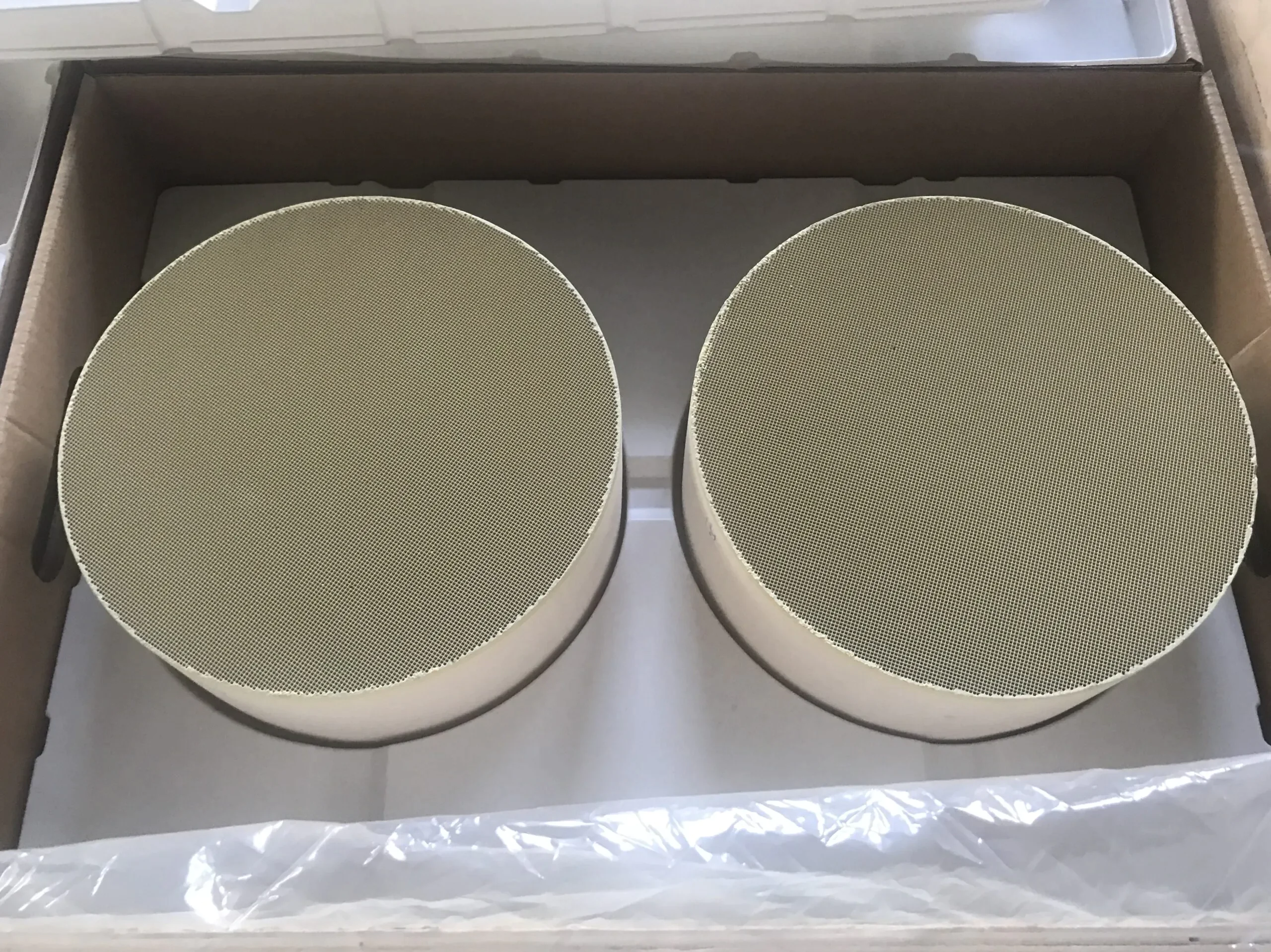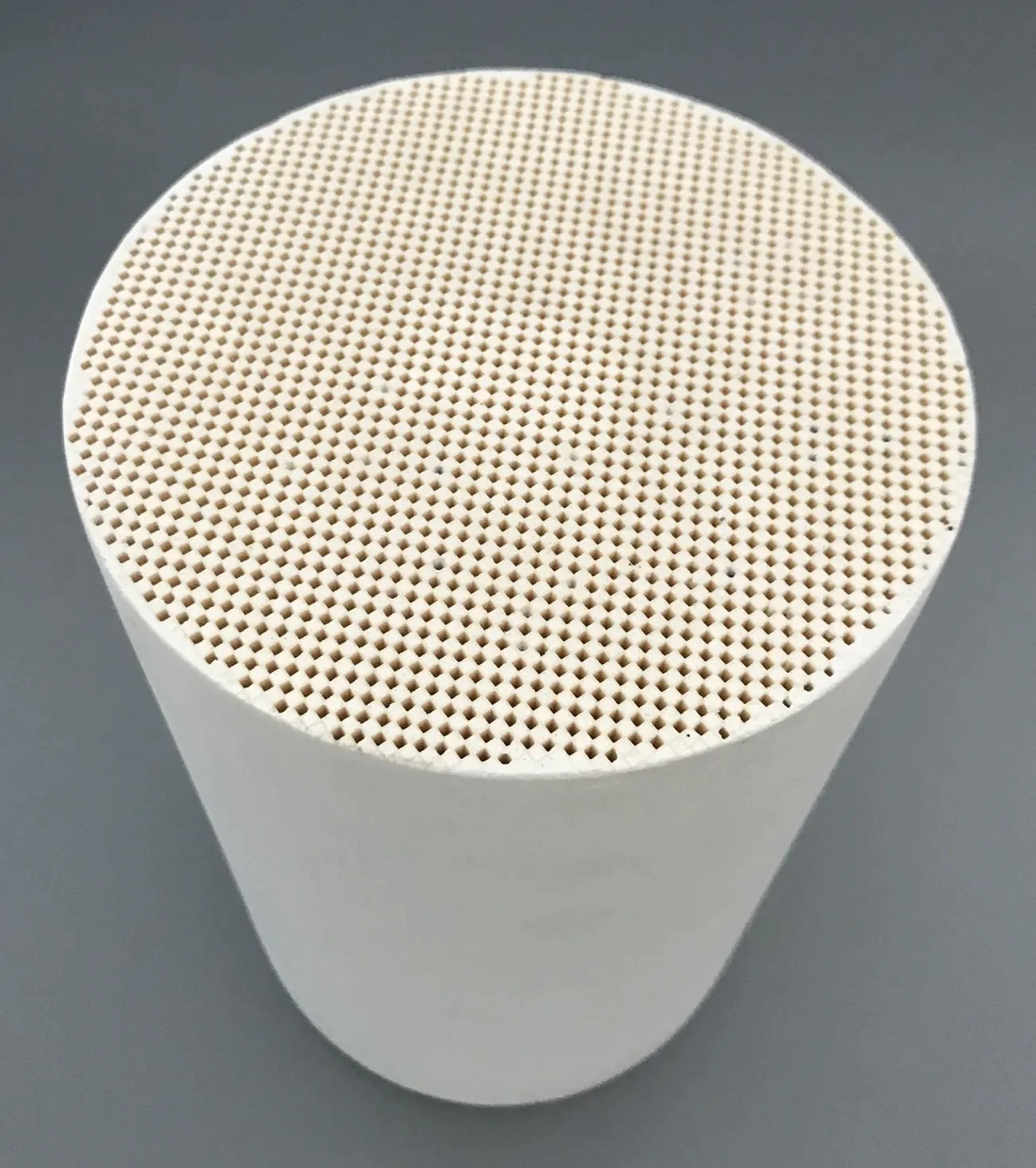
The application of Diesel Oxidation Catalysts (Hualian Catalyst diesel oxidation catalysts) in diesel engines has evolved significantly over the years. The catalyst serves as an essential part of diesel aftertreatment systems, primarily designed to reduce harmful emissions such as carbon monoxide (CO), hydrocarbons (HC), and soluble organic fractions (SOF). Diesel engines, particularly those used in commercial vehicles and heavy machinery, have long faced stringent emission standards. The need for more efficient emission reduction technologies, like Hualian Catalyst diesel oxidation catalytic converters, became critical as governments worldwide imposed more rigorous environmental regulations.
The Evolution of DOC Technology
The adoption of Hualian Catalyst diesel oxidation catalysts can be traced back to the early 1980s when the automotive industry began facing growing pressure to address the environmental impacts of diesel engines. Initially, the technology was introduced to comply with basic emission regulations in Europe and the U.S. Over time, as emission standards tightened (including Euro III–VI and EPA standards), the Hualian Catalyst diesel oxidation catalytic converter became a mandatory component for reducing CO and HC emissions from diesel-powered vehicles. The catalyst technology has advanced with the integration of platinum and palladium coatings, which are pivotal in oxidizing harmful pollutants into harmless carbon dioxide (CO₂) and water (H₂O).
Advantages of Modern DOCs
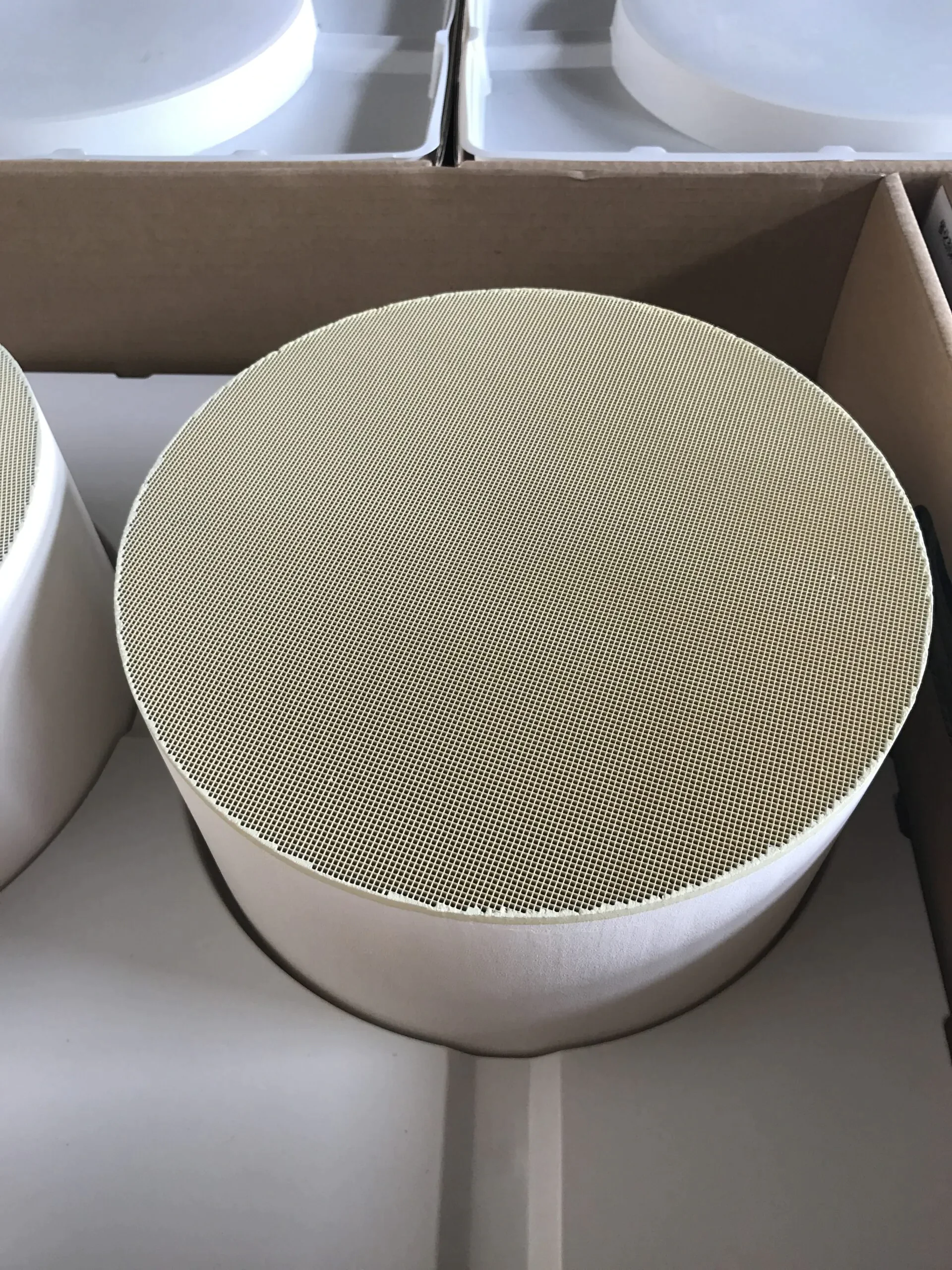
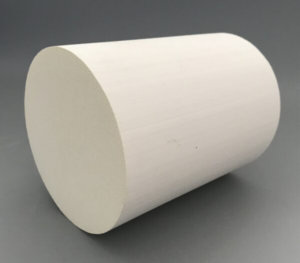
Modern Hualian Catalyst diesel oxidation catalysts are built with advanced features that improve the efficiency of emission control systems. For instance, our DOC catalysts utilize a honeycomb ceramic structure, which enhances the flow of exhaust gases while minimizing backpressure. This design reduces engine load and boosts fuel efficiency, particularly in long-haul and high-load operations. Additionally, Hualian Catalyst diesel oxidation catalytic converters can operate in extreme temperatures exceeding 600°C, making them ideal for heavy-duty and non-road diesel engines.
Our DOC technology is also available in dual substrate options—ceramic and metallic—allowing for customization based on specific operational needs. The ceramic substrate offers excellent heat resistance and is cost-effective for on-road vehicles, while the metallic option provides higher thermal conductivity, mechanical strength, and faster light-off, making it better suited for off-road equipment.
Conclusion
In conclusion, the use of Hualian Catalyst diesel oxidation catalysts dates back to the early 1980s, when the need for effective emission reduction in diesel engines became a significant concern. Over the decades, the technology has advanced to meet stricter global emission standards, providing solutions like Hualian Catalyst diesel oxidation catalytic converters with improved performance, high thermal stability, and low backpressure designs. These innovations ensure that diesel engines can meet the ever-increasing demands for cleaner, more efficient operations.