The era of unrestricted diesel exhaust emissions is long over. With increasingly stringent global environmental standards, modern diesel vehicles, from heavy-duty trucks to off-road equipment, rely on sophisticated diesel oxidation catalytic converter systems to manage their exhaust output. If you work in the commercial vehicle or industrial equipment space, understanding the components of this system is crucial for maintenance, compliance, and performance.
The Diesel Oxidation Catalyst (DOC) is one of the foundational components of this modern after-treatment system. Its location within the exhaust stream is highly strategic, positioning it to perform its essential chemical tasks before the exhaust gas moves downstream to the next stages of purification.
The Strategic Position of the Diesel Oxidation Catalysts
In virtually all modern diesel engine after-treatment systems, the diesel oxidation catalysts unit is located upstream of the entire emissions purification chain. This means it is the first major component that the hot exhaust gas encounters after leaving the engine’s turbocharger and exhaust manifold.
This primary location is not arbitrary; it’s engineered for optimal performance:
Proximity to the Engine: Placing the DOC close to the engine allows it to quickly reach its “light-off” temperature—the minimum temperature required for the catalyst to start efficiently performing its chemical reactions. Diesel exhaust gas is hottest nearest the engine, ensuring rapid activation.
Supporting Downstream Components: The DOC performs a critical pre-treatment step that is essential for the effectiveness of the next component, typically the Diesel Particulate Filter (DPF). The DOC increases the concentration of nitrogen dioxide in the exhaust stream, which is necessary to facilitate the passive regeneration (burning off of soot) of the DPF.
How the Diesel Oxidation Catalytic Converter Works
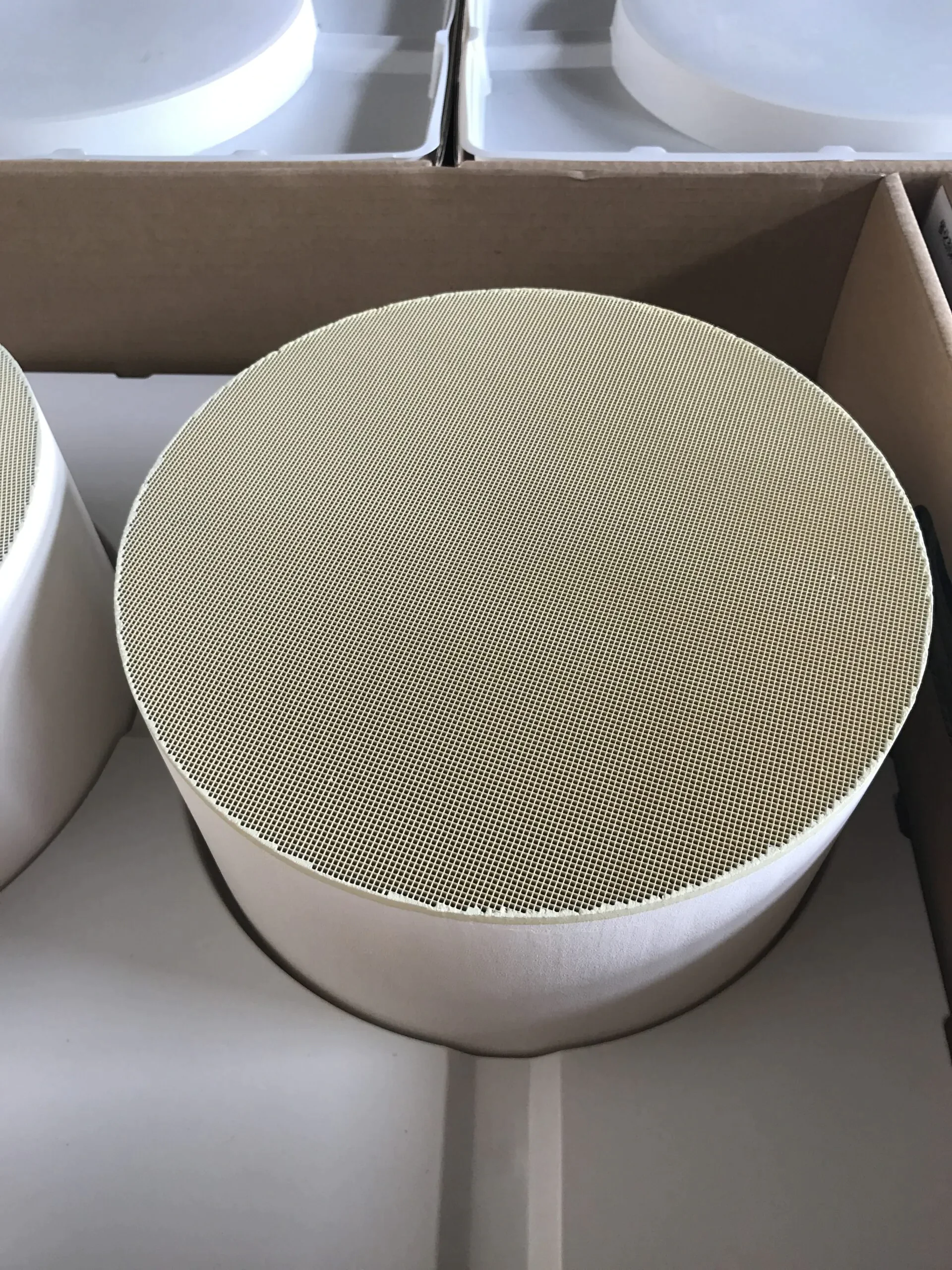
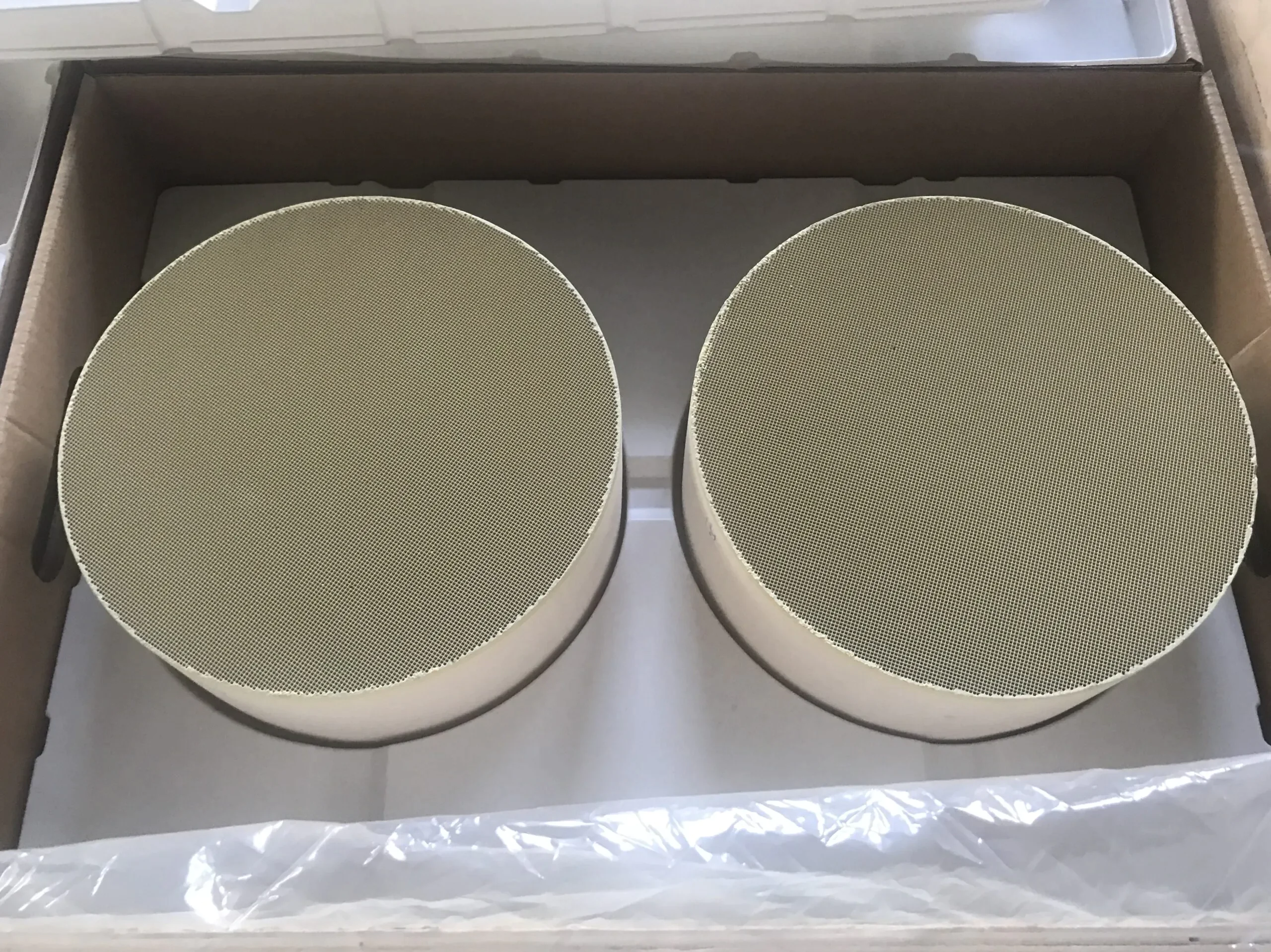
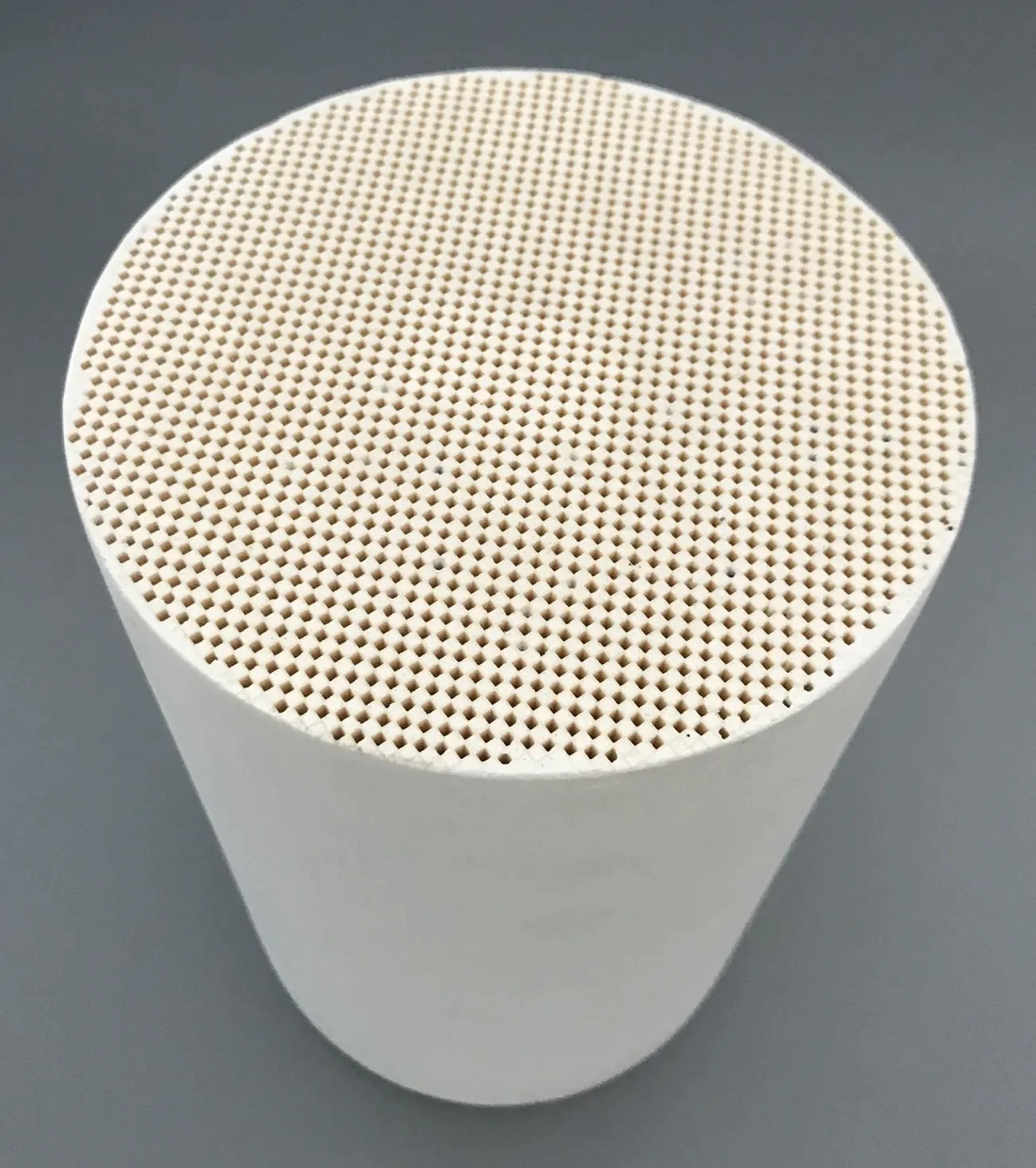
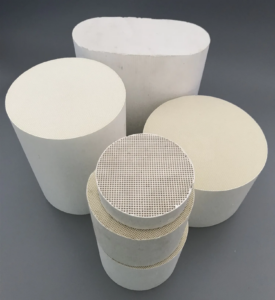
The diesel oxidation catalytic converter (DOC) is a flow-through device that features a stainless steel housing containing a core substrate, most commonly a honeycomb ceramic structure.
The substrate is coated with a washcoat containing precious metals like platinum and palladium. These materials act as the catalysts, promoting chemical reactions without being consumed themselves. The primary function of the DOC is oxidation—converting harmful pollutants into less harmful compounds.
While the DOC significantly reduces carbon monoxide and unburned hydrocarbons, the conversion of Nitric Oxide to Nitrogen Dioxide is perhaps its most vital function in the modern diesel after-treatment system. This generated Nitrogen Dioxide is then used by the DPF to oxidize (burn) trapped soot at lower exhaust temperatures—a process called passive regeneration—which is far more energy-efficient than active regeneration.
Hualian Catalyst DOC: Engineered for Superior Performance
As a leading supplier of environmental catalyst materials, Hualian Catalyst specializes in advanced honeycomb ceramic substrates optimized for demanding diesel applications. The performance of a diesel oxidation catalytic converter is directly tied to the quality of its ceramic substrate and the precious metal coating.
Hualian Catalyst focuses on providing a DOC honeycomb ceramic catalyst with specifications designed for high-efficiency oxidation and maximum durability for B2B applications in engine manufacturing and emissions control.
Key Product Specifications and Advantages
Substrate Material: High-performance Cordierite is typically used for the honeycomb ceramic. Cordierite is selected for its excellent thermal properties, specifically its low coefficient of thermal expansion and high thermal shock resistance. This ensures the unit can withstand the rapid and extreme temperature changes common in diesel exhaust cycles without cracking.
Cell Density (CPSI): The structure of the honeycomb is defined by its cell density, measured in cells per square inch (CPSI). Common densities range from 100 to 600 CPSI. A higher cell density provides a greater geometric surface area, which maximizes the contact between the exhaust gas and the washcoat, leading to higher conversion efficiency. Hualian Catalyst offers various cell densities (e.g., 400 CPSI) to meet specific engine and emissions standards (e.g., Euro V).
Washcoat and Active Components: The washcoat is formulated for high surface area and exceptional thermal stability. The active precious metal components—Platinum (Pt) and Palladium (Pd)—are dispersed uniformly to provide the highest catalytic activity for conversion of CO, HC, and NO .
Conversion Efficiency: Hualian DOC products are engineered to provide superior conversion rates, often achieving over 90% reduction in CO and HC under optimal operating conditions. This robust performance is critical for vehicles aiming to meet strict emission standards like Euro IV, Euro V, and beyond.
Durability and Operating Range: The robust design is built for the rugged operating environment of commercial and industrial diesel engines, featuring excellent resistance to high temperatures (Maximum Operating Temperature often ≥1300℃) and physical strength to prevent damage from vibration and thermal stress.
By utilizing advanced Hualian Catalyst DOC technology, manufacturers and fleet operators can ensure their diesel oxidation catalysts operate efficiently, maintaining compliance while reducing harmful emissions, a key factor in sustainable and responsible business operations.
The Complete Diesel After-Treatment System
While the DOC is crucial, it is just one part of a multi-stage emissions control process designed for modern diesel engines. Following the diesel oxidation catalytic converter, the exhaust gas typically passes through the following components:
Diesel Particulate Filter (DPF): Located immediately downstream of the DOC, the DPF is a ceramic wall-flow filter designed to physically trap soot (particulate matter, or PM) from the exhaust gas. The Nitrogen Dioxide produced by the upstream DOC helps to continuously burn off this trapped soot.
Selective Catalytic Reduction (SCR) System: This system is responsible for reducing Nitrogen Oxides . It injects an aqueous urea solution (Diesel Exhaust Fluid or DEF) into the exhaust stream, which then reacts with the NOx over an SCR catalyst to convert it into harmless nitrogen gas and water.
The strategic placement of the DOC at the front of this system underscores its role as the essential “pre-conditioner,” setting the stage for the DPF and SCR to perform their respective jobs with maximum efficiency.
For businesses focused on reliable, high-performance emissions control solutions, the choice of a high-quality diesel oxidation catalytic converter like the ones offered by Hualian Catalyst provides the foundational component for a cleaner, more compliant, and better-performing diesel fleet.