In the high-stakes environment of industrial chemical manufacturing, the efficiency of a sulfuric acid plant hinges almost entirely on the performance of its converter. The V2O5 catalyst contact process is the industry standard for converting sulfur dioxide (SO2) into sulfur trioxide (SO3), but achieving optimal conversion rates is not merely a matter of chemistry. For experienced plant managers and process engineers, the challenge lies in balancing thermodynamic equilibrium with kinetic speed, all while managing the relentless operational enemy: pressure drop. The requirements for a modern catalyst for sulphuric acid have evolved beyond simple activity; we now encompass geometric optimization, low-temperature activation, and structural durability. Hualian Catalyst, a specialized manufacturer with decades of expertise, understands that meeting these rigorous demands is essential for maximizing daily tonnage and minimizing downtime.
Geometric Optimization and Fluid Dynamics
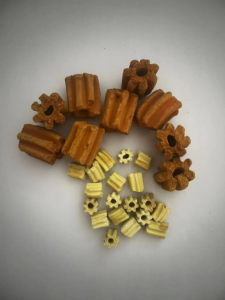
The phySICal shape of the catalyst is as critical as its chemical formulation. In the early days of the industry, simple cylindrical pellets were the norm. However, modern acid plants demand superior fluid dynamics. The introduction of the ring and, more importantly, the five-flap (or star) shape has revolutionized bed performance. Hualian Catalyst engineers its S101-2HY series with a specific five-flap cross-section to maximize the void fraction within the catalyst bed.
For an experienced operator, the benefits of this geometry are immediate and measurable. A higher void fraction significantly reduces resistance to gas flow, lowering the pressure drop across the converter. This reduction directly translates to energy savings at the main blower, which is often the largest single energy consumer in the plant. Furthermore, the five-flap shape offers a higher geometric surface area compared to standard rings. This increased surface area ensures that the V2O5 catalyst contact process occurs more efficiently per unit of volume, allowing for higher gas throughput without sacrificing conversion rates.
Cesium Promotion for Emission Compliance
As environmental regulations tighten globally, the allowable limit for SO2 emissions in tail gas has dropped precipitously. Standard vanadium catalysts often struggle to achieve the necessary conversion in the final pass of the converter due to thermodynamic limitations at higher temperatures. This is where Cesium-promoted catalysts become indispensable. Hualian Catalyst offers the S107 and S108 series, which are doped with Cesium to lower the active temperature range.
While a standard catalyst for sulphuric acid typically requires temperatures above 400°C to “light off” effectively, Cesium-promoted variants can operate efficiently at temperatures as low as 360°C or 370°C. This low-temperature activity is crucial for the final bed (often the fourth bed) in a double-absorption plant. By operating at a lower temperature, the equilibrium shifts to favor SO3 formation, pushing the overall plant conversion efficiency toward 99.9%. For plants struggling to meet emission caps without installing expensive scrubbers, retrofitting the final pass with Hualian Catalyst Cesium-promoted products is often the most cost-effective engineering solution.
Durability in High-Dust Environments
In metallurgical acid plants or facilities processing “dirty” gas, dust accumulation is an operational reality. Iron sulfate, ash, and other particulates inevitably find our way into the converter, blinding the first catalyst bed. A superior catalyst for sulphuric acid must be designed to mitigate this fouling. The five-flap and large-ring shapes provided by Hualian Catalyst are engineered to be “dust-tolerant.”
The key lies in the bed’s void space. A tightly packed bed of cylinders will face-plug rapidly, causing pressure drop to spike and necessitating frequent, costly screening shutdowns. In contrast, the open structure of Hualian Catalyst’s five-flap design allows dust to penetrate deeper into the bed rather than forming a hard crust on the surface. This distribution of particulate matter extends the operational run time between screenings (turnarounds), directly improving the plant’s on-stream availability. Experienced maintenance teams recognize that extending the screening interval from 18 months to 24 or 36 months represents a massive gain in profitability.
Structural Integrity and Attrition Resistance
The V2O5 catalyst contact process takes place in a harsh environment. The catalyst pellets are subjected to thermal cycling during startups and shutdowns, as well as the phySICal weight of the bed itself. If the catalyst is phySICally weak, it will crush or abrade, creating “fines” (dust) generated from the catalyst itself. This self-inflicted dusting causes localized channeling and hotspots, which can permanently damage the converter vessel.
Hualian Catalyst places a premium on the mechanical strength of its silica (diatomaceous earth) carrier. By optimizing the binder chemistry and firing temperatures, we produce a catalyst with exceptional crushing strength and low attrition rates. This ensures that the pellets remain intact during loading and screening operations. For the end-user, this durability means that less make-up catalyst is required during turnarounds, reducing the long-term total cost of ownership.
Conclusion: Precision Engineering for Acid Production
Ultimately, the choice of a catalyst for sulphuric acid is a strategic decision that impacts the entire plant’s economics. It is not just a commodity chemical; it is a precision-engineered component. By selecting advanced geometries like the five-flap shape and utilizing Cesium-promoted formulations for difficult passes, operators can unlock significant efficiency gains. Hualian Catalyst combines these advanced technical features with robust manufacturing quality, providing the industry with the tools needed to navigate the complex trade-offs of modern acid production. Whether the goal is reducing blower amperage, extending run times, or cutting stack emissions, the solution begins with the right catalyst in the converter.