Low-temperature operation often creates challenges for oxidation reactions, and our focus is to maintain reliable performance during these periods. The diesel oxidation catalyst plays an important role in preparing exhaust conditions for downstream control, especially when the engine has not yet reached full thermal stability. In our work at Hualian Catalyst, we study how gas flow distribution, coating uniformity, and substrate characteristics contribute to early light-off behavior. These factors also influence the stability of the nox reduction catalyst, which depends on consistent inlet gas composition. By refining surface properties and optimizing the contact area, we help the catalyst for diesel engines reach effective conversion sooner, even when temperature conditions limit reaction speed.
Material Configuration Supporting Steady DOC Activity
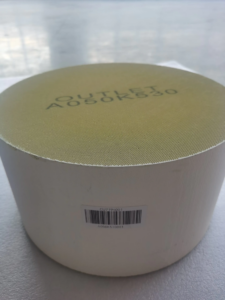
Reliable DOC behavior during low-temperature cycles requires close attention to substrate formulation and wash-coat adhesion. Within our engineering process, we evaluate pore structure, thermal expansion control, and water-absorption consistency to ensure that coating layers remain stable under fluctuating conditions. This design philosophy allows the nox reduction catalyst downstream to receive more uniform NO–NO₂ ratios, which supports predictable SCR performance. In projects requiring a coordinated solution, our company offers matched wash-coated formulations for integration with the catalyst for diesel engines section. The portfolio includes Fe/zeolite (450–620 °C), Cu/zeolite (190–550 °C), vanadium-based metal oxides (230–470 °C), and Mn-containing oxide catalysts (130–250 °C). These options allow customers to establish systems that maintain consistent activity across a wide range of temperature windows without relying on unrealistic assumptions.
Integrating DOC and SCR Functions in Low-Temperature Conditions
The role of the DOC cannot be separated from the performance of the SCR section, since the quality of upstream oxidation influences later conversion efficiency. Within Hualian Catalyst, we design SCR components for both mobile and stationary applications, ensuring that they work smoothly with the DOC under cold-start and variable-load scenarios. The honeycomb structure supports low pressure drop and helps the engine preserve efficiency during early operating stages. A higher surface area improves the stability of the nox reduction catalyst, while controlled water absorption reduces the risk of irregular coating behavior during humidity shifts. The ceramic substrate maintains low thermal expansion, helping prevent deformation, and its resistance to heat shock and vibration supports long service life for the catalyst for diesel engines in harsh environments. This integrated approach enables the complete aftertreatment system to operate more reliably when exhaust temperatures remain below optimal thresholds.
Conclusion:Managing DOC Performance at Low Temperatures
The experience gathered through our development work shows that low-temperature DOC behavior depends on stable material properties, accurate coating processes, and effective coordination with the SCR section. By supporting early oxidation reactions and ensuring that downstream units such as the nox reduction catalyst and the catalyst for diesel engines receive consistent inlet conditions, our team at Hualian Catalyst helps customers maintain reliable NOx control in challenging thermal environments. This balanced design approach keeps the DOC functioning as an essential part of the overall emission-control system during low-temperature operation.