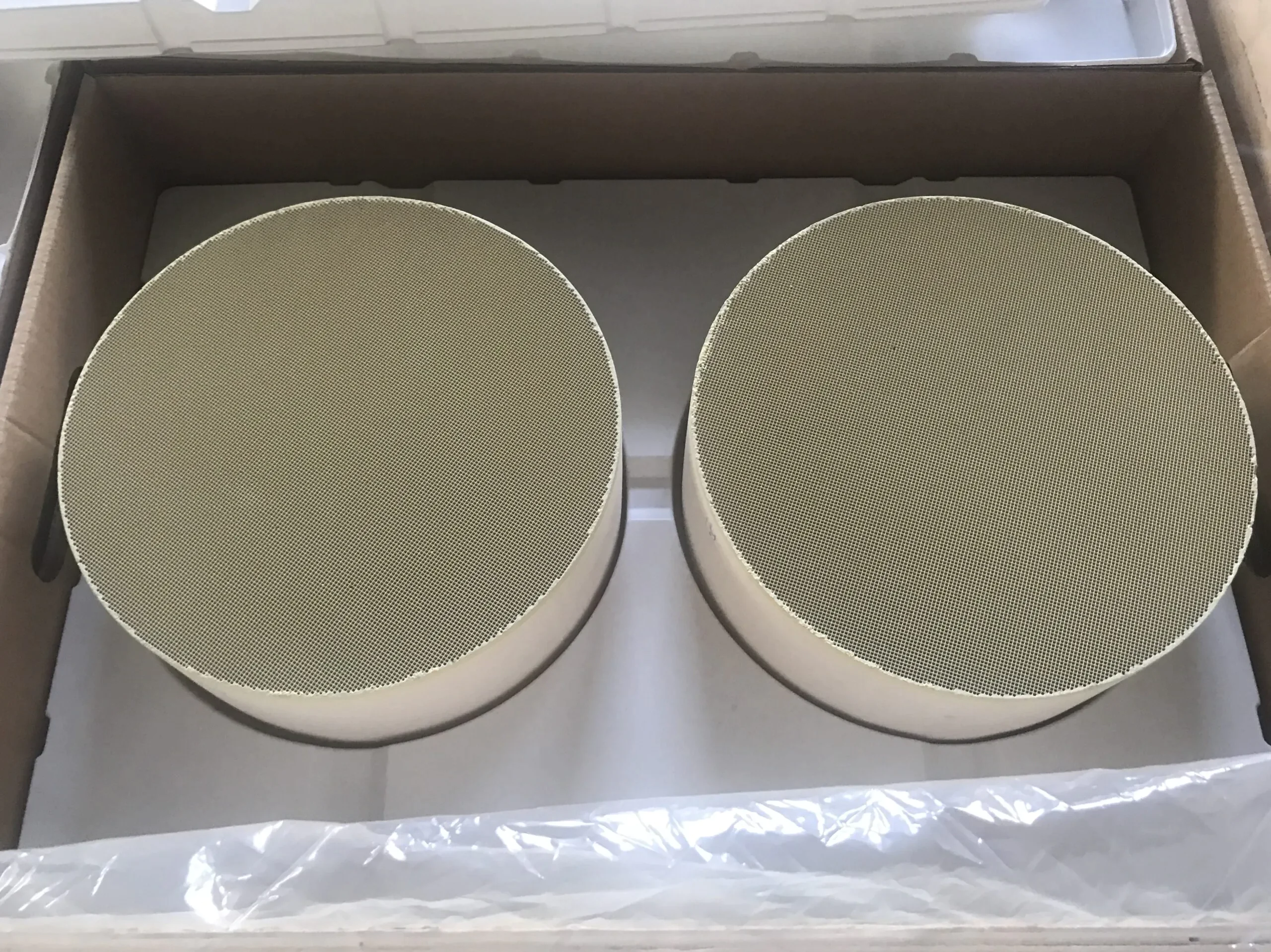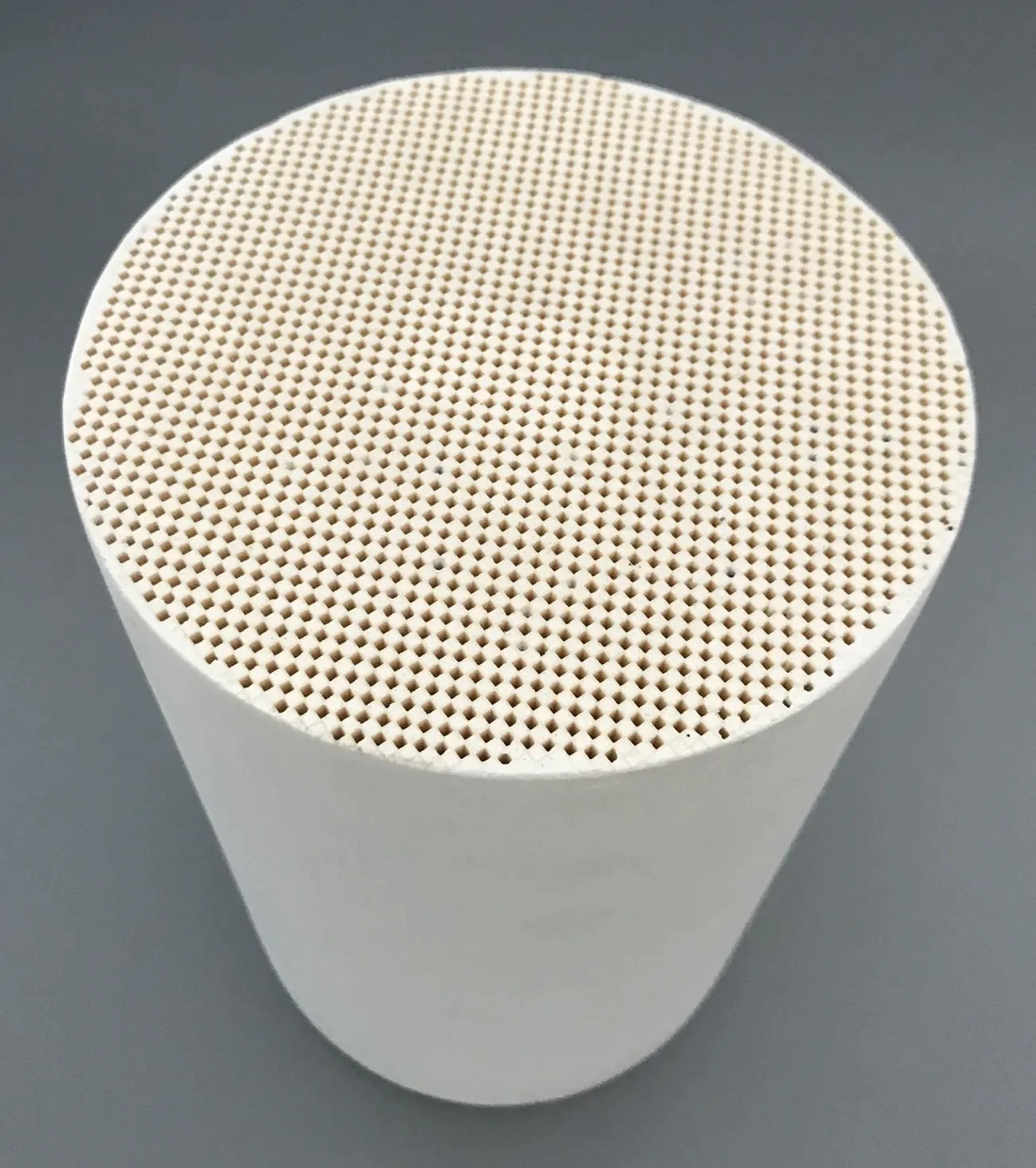
In the high-stakes world of modern diesel engine after-treatment, the Selective Catalytic Reduction (SCR) catalyst is the core component responsible for reducing harmful nitrogen oxides (NOx) to safe levels of nitrogen and water. While chemical performance—the NOx conversion rate—is essential, the long-term reliability of a diesel SCR catalyst ultimately hinges on its mechanical durability against two unrelenting operational forces: heat shock and vibration.
For systems integrators and engineering teams, a deeper understanding of these mechanical challenges is crucial for selecting a supplier that meets the stringent requirements of heavy-duty, commercial, and off-road applications. This guide highlights the critical design and material considerations that enable a high-performance catalyst, such as those manufactured by Hualian Catalyst, to withstand the extreme environment of a catalyst for diesel engines.
The Extreme Environment: Why Mechanical Robustness is Key
A typical diesel SCR catalyst system operates downstream of the engine and is subject to punishing conditions:
Thermal Cycling (Heat Shock): Rapid temperature shifts occur frequently, especially during cold starts, aggressive acceleration/deceleration, and system shutdowns. These cycles can induce extreme thermal gradients within the ceramic structure.
Vibration and Stress: Heavy-duty trucks, construction equipment, and marine engines generate constant, high-frequency vibration and impact loads that are transmitted directly to the catalyst housing and its internal ceramic substrate.
Chemical Erosion: The catalyst’s support structure must resist degradation from sulfur dioxide, which can form corrosive ammonium sulfate deposits, especially at lower operating temperatures.
Without superior mechanical properties, the ceramic monolith is susceptible to cracking, chipping, or separation from the metal housing, leading to a catastrophic loss of NOx conversion efficiency and system failure.
Battling Heat Shock: Low CTE and Thermal Stress Management
Heat shock resistance is the property that allows a ceramic substrate to endure rapid temperature changes without fracture. This property is engineered into the material itself, primarily through managing the Coefficient of Thermal Expansion (CTE) and Elastic Modulus (E-modulus).
- The Role of the Low Coefficient of Thermal Expansion (CTE)
The CTE describes how much a material expands or contracts with temperature change. Ceramic materials used for diesel SCR catalysts—most commonly Cordierite or Titanium Dioxide-based compounds—must have an extremely low CTE.
Low CTE Impact: When the exhaust gas temperature fluctuates (e.g., from 200°C to 600°C in minutes), different areas of the catalyst monolith expand by only a minute amount. This minimal differential expansion greatly reduces the internal tensile stress generated within the rigid structure.
Thermal Shock Parameter (TSP): Engineers often use the Thermal Shock Parameter to rate a material. A higher TSP indicates better resistance to thermal failure, driven by a high Modulus of Rupture and low E-modulus combined with a low CTE.
A manufacturer like Hualian ensures that its ceramic substrates, whether honeycomb or plate-type, are formulated and fired with precise controls to achieve optimal crystalline structure, guaranteeing a consistently low CTE to survive thousands of thermal cycles.
Conquering Vibration: High Compressive Strength and Rigidity
The physical integrity of the catalyst is constantly challenged by the mechanical stresses of a moving vehicle. Vibration resistance is a function of the substrate’s Compressive Strength and the quality of the mounting system.
- High Compressive Strength (Crush Strength)
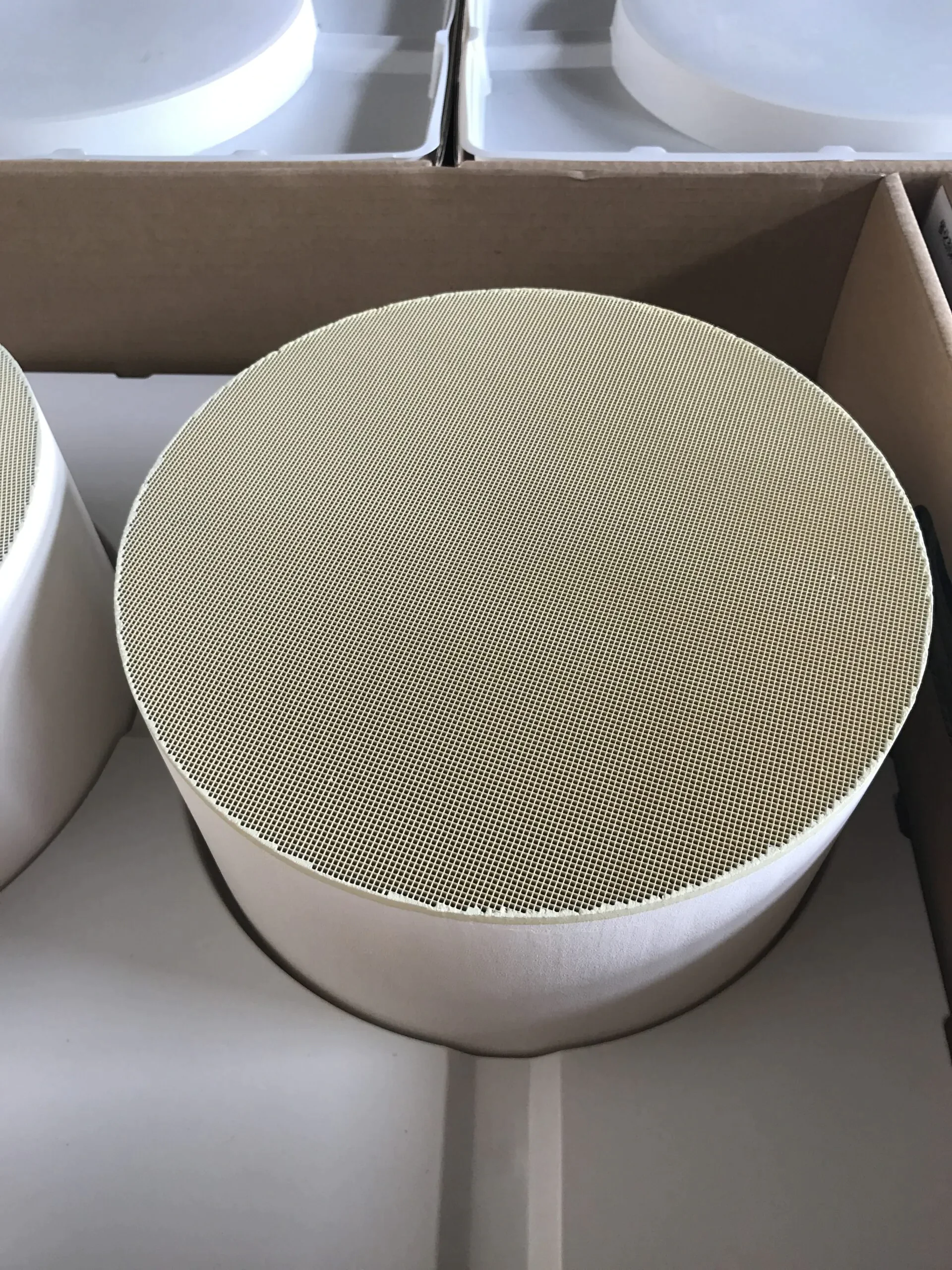
The honeycomb structure of a catalyst for diesel engines must possess a high compressive strength to prevent failure from external pressure or the force exerted by the swelling of the support mat that secures it in the housing.
Manufacturing Precision: Strength is directly related to the density and uniformity of the cell walls (typically 200–400 CPSI). High-quality ceramic processing, which is a hallmark of Hualian Catalyst’ s 30+ years of experience, ensures a uniform, flawless internal structure, maximizing crush strength and durability.
Testing Protocol: Reputable suppliers rely on rigorous testing methods, such as the uniaxial crush test, to verify that their substrates meet or exceed industry-specific strength targets.
- Customized Mounting Solutions
Even the strongest ceramic monolith will fail if improperly secured. The supplier must also be a partner in developing the right mounting system that acts as a buffer against vibration.
Intumescent Mats: These specialized mats surround the catalyst brick and swell when exposed to exhaust heat, creating a tight, stress-absorbing seal that holds the monolith securely while accommodating slight differences in the thermal expansion between the metal housing and the ceramic core.
Structural Modeling: Advanced suppliers use Finite Element Analysis (FEA) to model and predict the modal frequencies (vibrations) within the catalytic converter assembly, optimizing the design of the end-cones and housing supports to prevent vibration-induced stress concentrations.
The Hualian Catalyst Commitment to Durability
Hualian Catalyst provides an SCR solution built for the demanding service life of a diesel SCR catalyst. Their dedication to the fundamental ceramic science ensures that the physical component can survive the most rigorous operational profile.
By partnering with a manufacturer that controls both the ceramic formulation and the catalytic coating process, such as Hualian Catalyst, procurement teams can secure a catalyst for diesel engines that not only delivers best-in-class NOx conversion but also offers the essential heat shock and vibration resistance needed for a long, reliable service life under extreme conditions. Investing in a robust component is the most effective way to minimize system downtime and achieve long-term emission compliance.