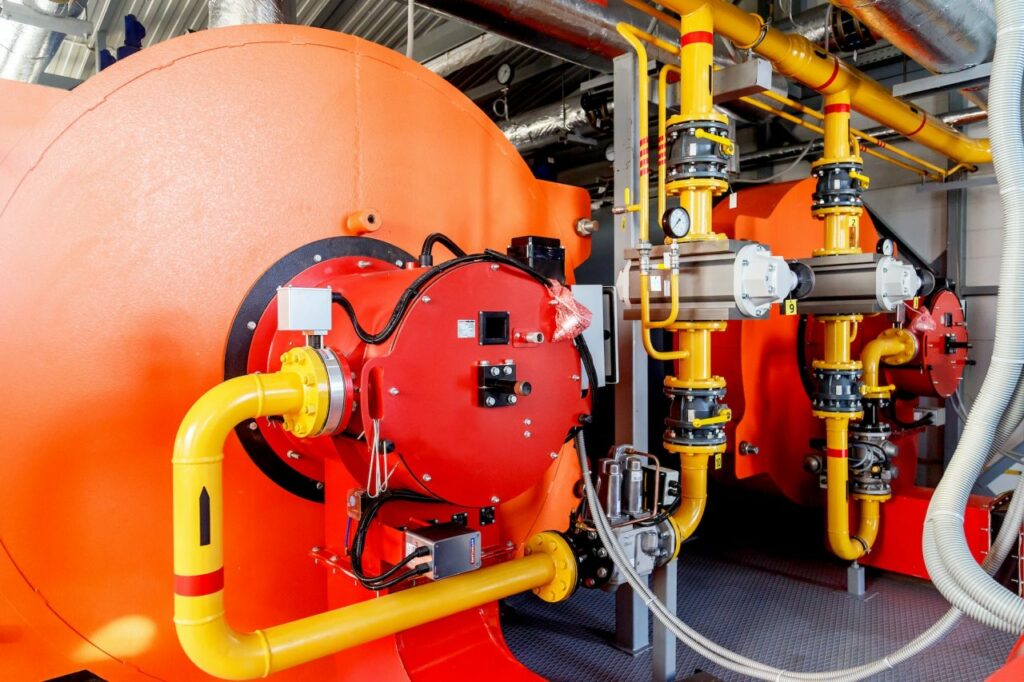
As Hualian Catalyst, we work with customers who require dependable emission-control solutions for advanced diesel platforms. In Euro VI and the upcoming EPA 2027 standards, the DOC, DPF, and SCR system operate as a coordinated chain. The oxidation unit is the first step. When exhaust gas enters the DOC, it converts CO and hydrocarbons while generating the temperature conditions needed for downstream processes. At this stage, our diesel scr catalyst is not yet active, but the DOC’s thermal contribution prepares the flow for stable filtration and later NOx conversion. The DPF follows by trapping particulate matter and enabling controlled regeneration cycles. This consistency allows us to maintain predictable inlet conditions for the selective catalytic reduction section located downstream.
Interaction Between Filtration and NOx Conversion
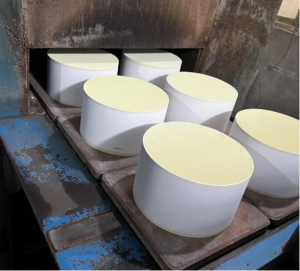
The DPF’s ability to maintain low particulate levels directly affects the performance of the nox reduction catalyst used in the SCR system. When the DPF completes regeneration, the exhaust stream becomes more uniform, ensuring that urea injection can be dosed accurately. Precise dosing is required because the efficiency of a diesel scr catalyst depends on stable ammonia availability and temperature. In Euro VI and EPA 2027 engine layouts, the SCR unit typically occupies the largest conversion volume within the aftertreatment line. Our product portfolio includes the SCR Catalyst For Diesel Engines Catalytic Converter, which supports both V-SCR and molecular-sieve SCR formulations. These materials convert nitrogen oxides into nitrogen and water in the final stage of the process. For heavy-duty applications, we maintain designs that operate across multiple temperature windows to match high-load and transient-load use cases.
System Behavior on Euro VI and EPA 2027 Platforms
On modern platforms, DOC, DPF, and SCR components are calibrated as one functional system rather than separate units. The DOC ensures oxidation stability; the DPF guarantees particulate compliance; and the SCR provides the final step in meeting NOx limits. Our diesel scr catalyst is placed to take advantage of optimized exhaust temperature and ammonia uniformity, allowing consistent conversion during uphill, low-load, or urban-cycle operations. The nox reduction catalyst also appears within dual-brick or dual-zone designs to meet EPA 2027 conditions, where improved durability and broader thermal capability are required. Through flexible geometry options, our company provides units suitable for trucks, buses, off-road machinery, and stationary diesel systems without altering the established emission-control order of DOC → DPF → SCR.
Conclusion
In summary, DOC, DPF, and SCR functions must align precisely to fulfill Euro VI and EPA 2027 requirements. The DOC establishes oxidation and temperature conditions, the DPF manages particulates, and the SCR—supported by our diesel scr catalyst and nox reduction catalyst materials—finalizes NOx conversion through urea-SCR chemistry. By offering SCR Catalyst For Diesel Engines Catalytic Converter solutions with adjustable formulations and design flexibility, we support customers seeking reliable integration across advanced diesel platforms.