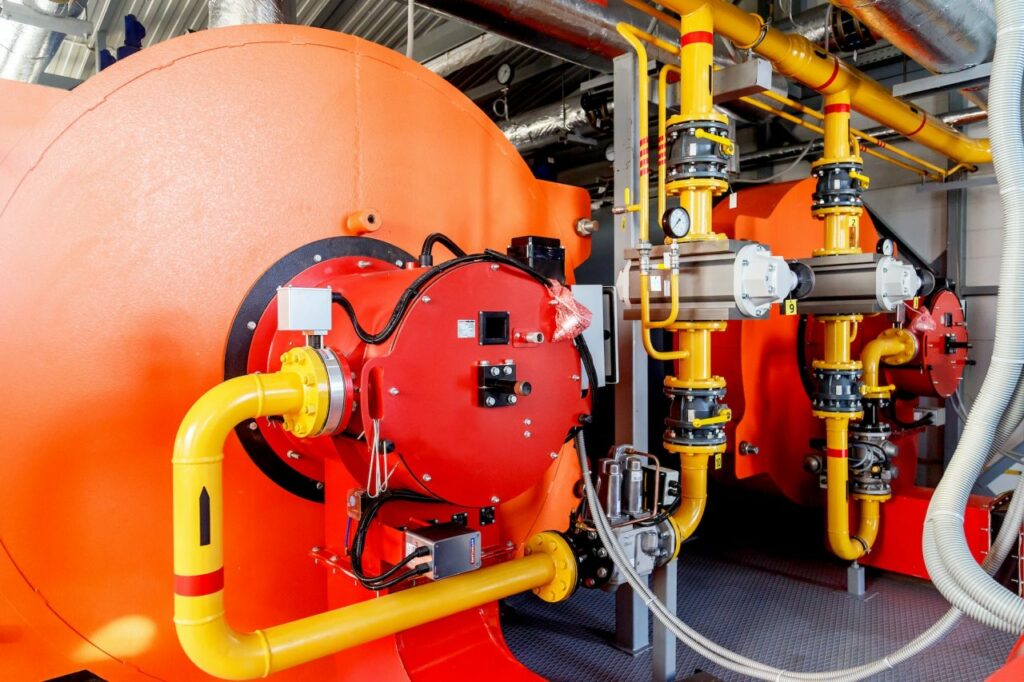
In our work at Hualian Catalyst, we focus on how diesel oxidation catalysts manage the essential conversion of NO to NO₂. This reaction is central to preparing exhaust gas for downstream systems, especially when using a catalyst for diesel engines designed for continuous operation under variable load. Within a DOC, platinum-group metals promote NO oxidation by activating oxygen molecules on the catalyst surface. When NO contacts these activated sites, the molecule gains an additional oxygen atom and becomes NO₂. This process improves the balance of NO and NO₂ entering SCR units, which is critical for steady low-temperature activity. As one of the experienced scr catalyst suppliers, we design our formulations to maintain stability across fluctuating temperatures and exhaust compositions, enabling reliable NO oxidation under real-world operating conditions.
How Temperature, Flow, and Substrate Structure Influence the Reaction
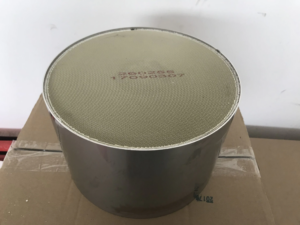
The conversion efficiency of NO to NO₂ depends strongly on exhaust temperature and flow characteristics. In our systems, we engineer the substrate geometry to support uniform gas distribution, allowing the oxidation reaction to occur with greater consistency. Using a catalyst for diesel engines requires careful consideration of mass-transfer limits, because low temperatures reduce the formation rate of NO₂. To address this, we optimize precious-metal dispersion to maximize contact between NO and active oxygen species. As one of the established scr catalyst suppliers, our development process includes balancing wash-coat thickness with surface area so that oxidation efficiency remains stable even when load cycles vary. These design choices maintain conversion performance without creating excessive pressure drop or compromising durability.
Integrating NO₂ Formation with SCR System Requirements
In real diesel applications, NO₂ formed in the DOC supports NH₃-SCR reactions downstream. For this reason, our DOC strategy is aligned with the characteristics of the catalyst for diesel engines installed as part of the overall after-treatment architecture. When providing solutions as one of the reliable scr catalyst suppliers, we match DOC output to SCR formulations across different temperature windows. Our SCR portfolio includes Fe/zeolite (450~620°C), Cu/zeolite (190~550°C), vanadium-based metal oxides (230~470°C), and Mn-containing oxide catalysts (130~250°C). We design these options to work effectively with the NO₂ concentration coming from the DOC, allowing NOx to be reduced efficiently across varied operating conditions. Additional performance features of our diesel SCR catalyst include low pressure drop, high surface area, stable water absorption, low thermal-expansion behavior, strong heat-shock resistance, and compatibility with multiple active components, supporting reliable long-term operation.
Conclusion: The Role of NO₂ Control in a Stable DOC–SCR System
Understanding the science of NO to NO₂ conversion in DOCs helps us design systems that maintain predictable NOx removal performance. By engineering formulations that regulate oxidation behavior, we support downstream SCR activity and ensure consistent emission control. Whether applying a catalyst for diesel engines or providing solutions as trusted scr catalyst suppliers, we focus on tuning NO₂ generation to match real operating environments. This approach allows our company to build after-treatment components that work together with stability, durability and technical precision.