The drive for cleaner air and stricter emission regulations—such as Euro V and VI standards—has made Selective Catalytic Reduction (SCR) technology indispensable across industries. As the leading method for neutralizing nitrogen oxides (NOx) from combustion sources, SCR technology relies entirely on the catalyst at its core. Choosing the optimal catalyst material is a critical engineering and economic decision that directly impacts system performance, operational temperature range, and longevity.
For decades, the industry standard has been the Vanadium-based SCR catalyst. However, continuous innovation has led to the widespread adoption of Zeolite-based SCR catalysts, especially in newer, complex engine applications. This technical overview, brought to you by Hualian Catalyst, a pioneer in advanced catalytic solutions, will detail the fundamental differences between these two materials to help you choose the right one for your specific NOx reduction needs.
Understanding the Core Mechanism of NOx Reduction Catalyst
The SCR process works by injecting a reducing agent, typically ammonia (sourced from an aqueous urea solution like Diesel Exhaust Fluid, or DEF/AdBlue), into the exhaust gas stream. The catalyst then facilitates the reaction, converting harmful nitrogen oxides into harmless atmospheric nitrogen and water. This entire process is a sophisticated form of scr emission control, and the catalyst material determines the temperature range and chemical resilience of the system.
The Workhorse: Vanadium-Based Catalysts
Vanadium-based catalysts, most commonly formulated as Vanadium Pentoxide combined with Tungsten Trioxide on a Titanium Dioxide support, have long been the industry’s default choice.
Key Advantages of V-SCR:
Sulfur Resistance: This is the primary strength of V-SCR. The material exhibits a high tolerance and resilience to sulfur dioxide and sulfur poisoning, making it the preferred choice for applications that operate with high-sulfur fuels, such as some marine engines or older industrial boilers. Its low cost and robustness contribute to its widespread use in heavy-duty and stationary NOx reduction catalyst systems.
Cost-Effectiveness: V-SCR is generally more economical to manufacture than its zeolite counterparts.
Operating Window: They demonstrate peak NOx conversion efficiency in the medium-high temperature range.
Critical Drawbacks:
Low-Temperature Performance: Below 250℃, V-SCR efficiency drops significantly. At these lower temperatures, the formation of Ammonium Bisulfate (ABS) can coat the catalyst’s active sites, leading to pore blockage and irreversible deactivation without high-temperature regeneration.
High-Temperature Instability: Vanadium can become volatile above 450℃, leading to potential poisoning of downstream components and irreversible damage to the catalyst structure. This limits its use in applications with very high exhaust temperatures, such as gas turbines.
Toxicity: Vanadium compounds carry environmental and health risks, leading to more stringent handling and disposal requirements.
The Modern Solution: Zeolite-Based (Cu/Fe-Zeolite) Catalysts for SCR Emission Control
Zeolite catalysts represent a new generation of NOx control. Zeolites are crystalline aluminosilicates with unique, highly porous structures that allow transition metals, such as Copper (Cu-Zeolite) or Iron (Fe-Zeolite), to be exchanged into the framework. This provides excellent thermal stability and enhanced low-temperature activity.
Key Advantages of Z-SCR:
Superior Low-Temperature Activity: Zeolites, particularly Cu-Zeolite, are significantly more active at low exhaust temperatures, beginning NOx conversion below 200℃. This is critical for light-duty vehicles and urban-cycle heavy-duty vehicles that operate under transient conditions, where rapid NOx reduction is needed immediately after a cold start.
High Thermal Stability: The stable framework structure of zeolites offers superior resistance to thermal and hydrothermal aging. Z-SCR can operate effectively at temperatures exceeding 500℃, making them ideal for high-temperature stationary sources like gas turbines or engines running in prolonged high-load conditions.
Non-Toxicity: Zeolite-based materials are non-toxic, simplifying manufacturing, handling, and end-of-life disposal compared to Vanadium.
Critical Drawbacks:
Sulfur Sensitivity: While improving with new formulations, Z-SCR historically has lower intrinsic resistance to sulfur poisoning than V-SCR. This requires careful management of fuel quality or integration with other aftertreatment components.
Higher Initial Cost: The complexity of synthesizing and washcoating the metal-exchanged zeolite material typically results in a higher initial production cost.
Hualian Catalyst: Matching the Catalyst to the Application
The company selects the optimal catalyst material based on two primary considerations: temperature window and chemical resilience. Zeolite-based catalysts are deployed for high thermal stability and superior low-temperature activity (effective below 200℃), which is vital for meeting transient emission limits in mobile applications like urban-cycle trucks and non-road vehicles after a cold start. Conversely, the traditional Vanadium-based catalyst is specified for highly stable, medium-high temperature environments (250℃ to 400℃) where its intrinsic, robust sulfur resistance is non-negotiable, such as in coal-fired power plants or large marine engines that may utilize higher-sulfur fuels.
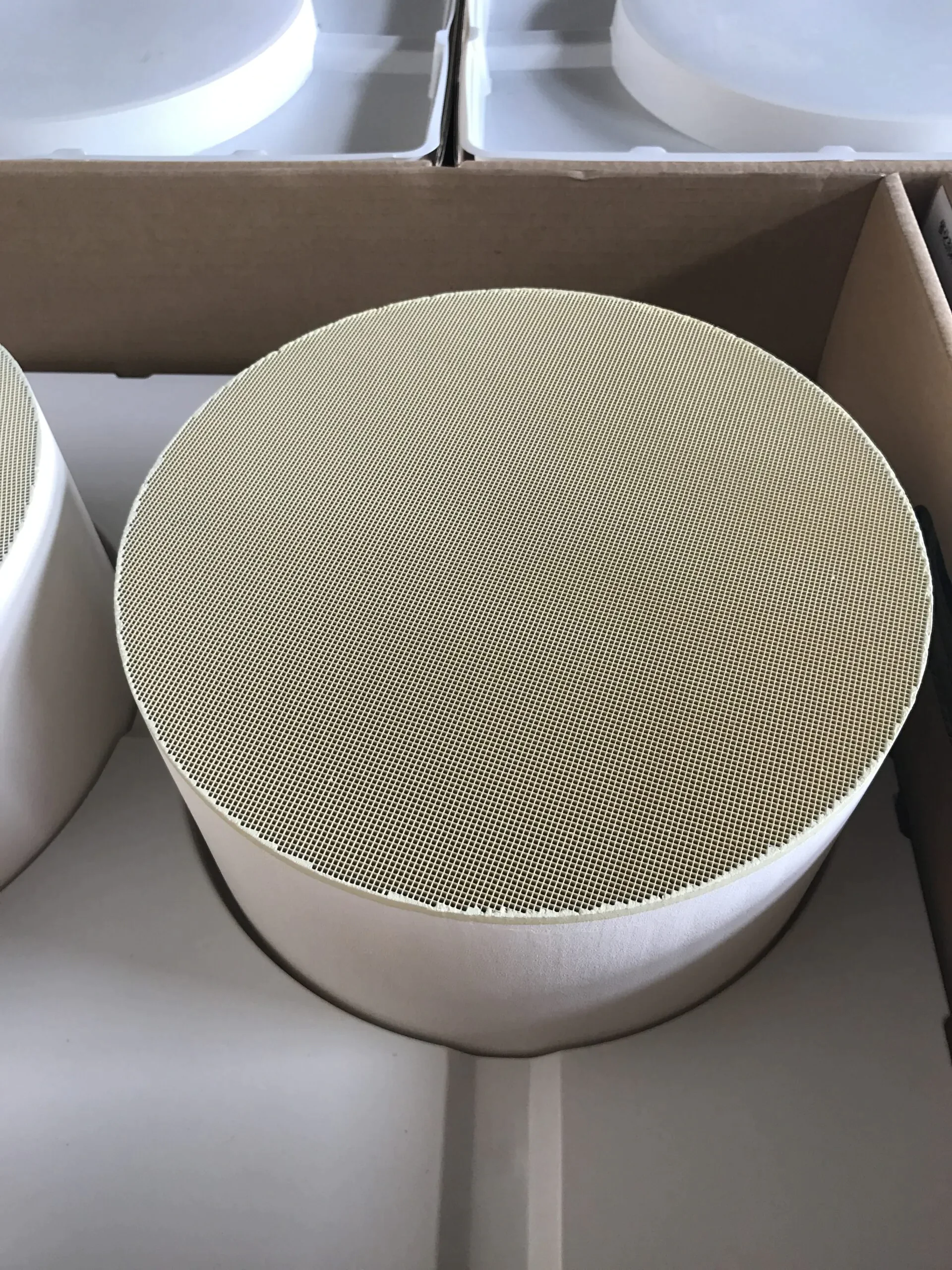
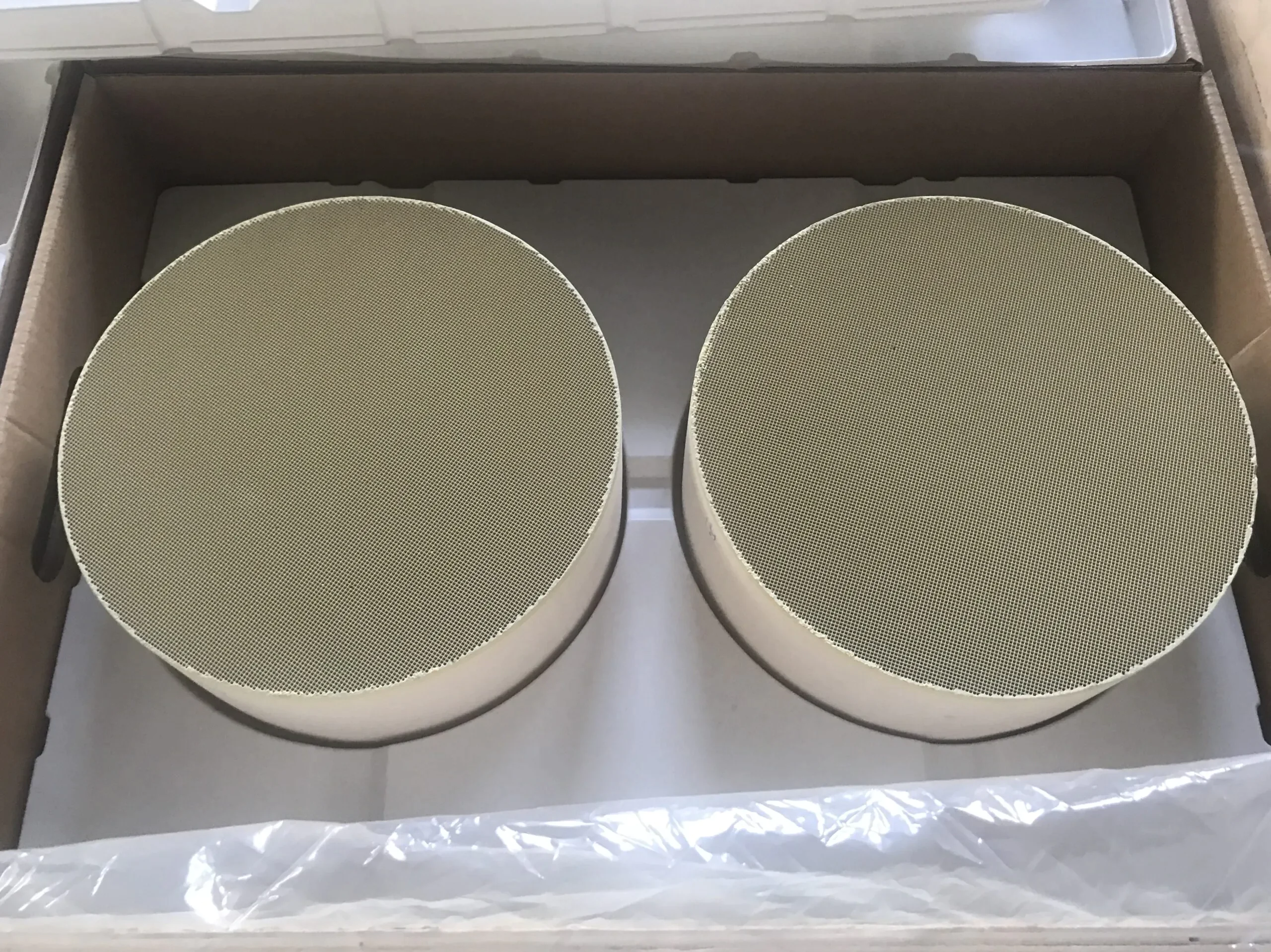
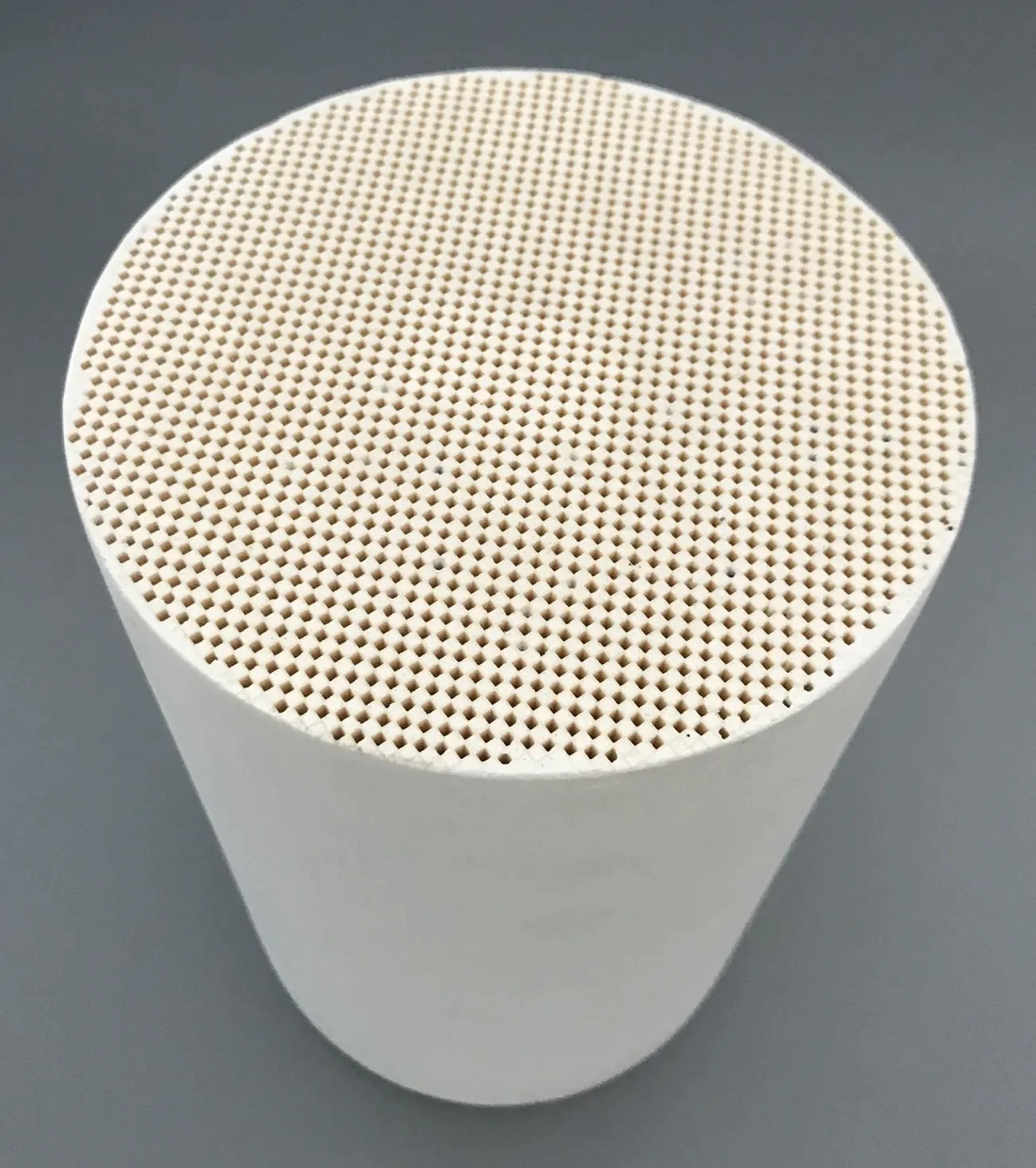
Our SCR catalysts, offered in high-surface-area honeycomb structures, are engineered for maximum NOx removal efficiency. Whether your operation is a stationary power plant requiring the sulfur robustness of a V-SCR or a modern trucking fleet demanding the low-temperature performance of a Z-SCR, Hualian Catalyst delivers the precision-engineered NOx reduction catalyst to ensure regulatory compliance and operational excellence.
For a detailed consultation on which Hualian Catalyst product best aligns with your temperature profiles and fuel specifications, contact our engineering team today.