In an age of tightening global emission standards, the catalytic converter stands as a critical component in the automotive supply chain. This device is the unsung hero of environmental protection, converting toxic pollutants from the engine’s exhaust into less harmful gases. For businesses involved in the automotive, chemical, and environmental sectors, understanding the manufacturing base and technical capabilities of the companies that supply these vital components—particularly the core car exhaust catalyst—is essential. This article will explore the global landscape of catalytic converter suppliers, from the large Tier 1 giants to specialized, high-quality manufacturers like Hualian Catalyst, who are setting the standard in ceramic and catalyst technology.
The Global Players in Automotive Catalyst Production
The market for catalytic converters is dominated by a few major multinational corporations, often referred to as Tier 1 suppliers. These companies provide complete exhaust systems, including the catalytic converter assembly, directly to original equipment manufacturers (OEMs) like Ford, Toyota, and BMW. They leverage massive scale, global R&D networks, and proprietary washcoat technology containing precious metals like platinum, palladium, and rhodium.
However, the core of the converter—the catalyst itself, whether it’s the ceramic substrate or the active chemical coating—is where specialized manufacturers shine. These companies are the true catalytic converter factory experts, focusing their entire operation on the material science required for effective emission control.
Spotlight on Hualian Catalyst: Specialized Ceramic and Exhaust Solutions
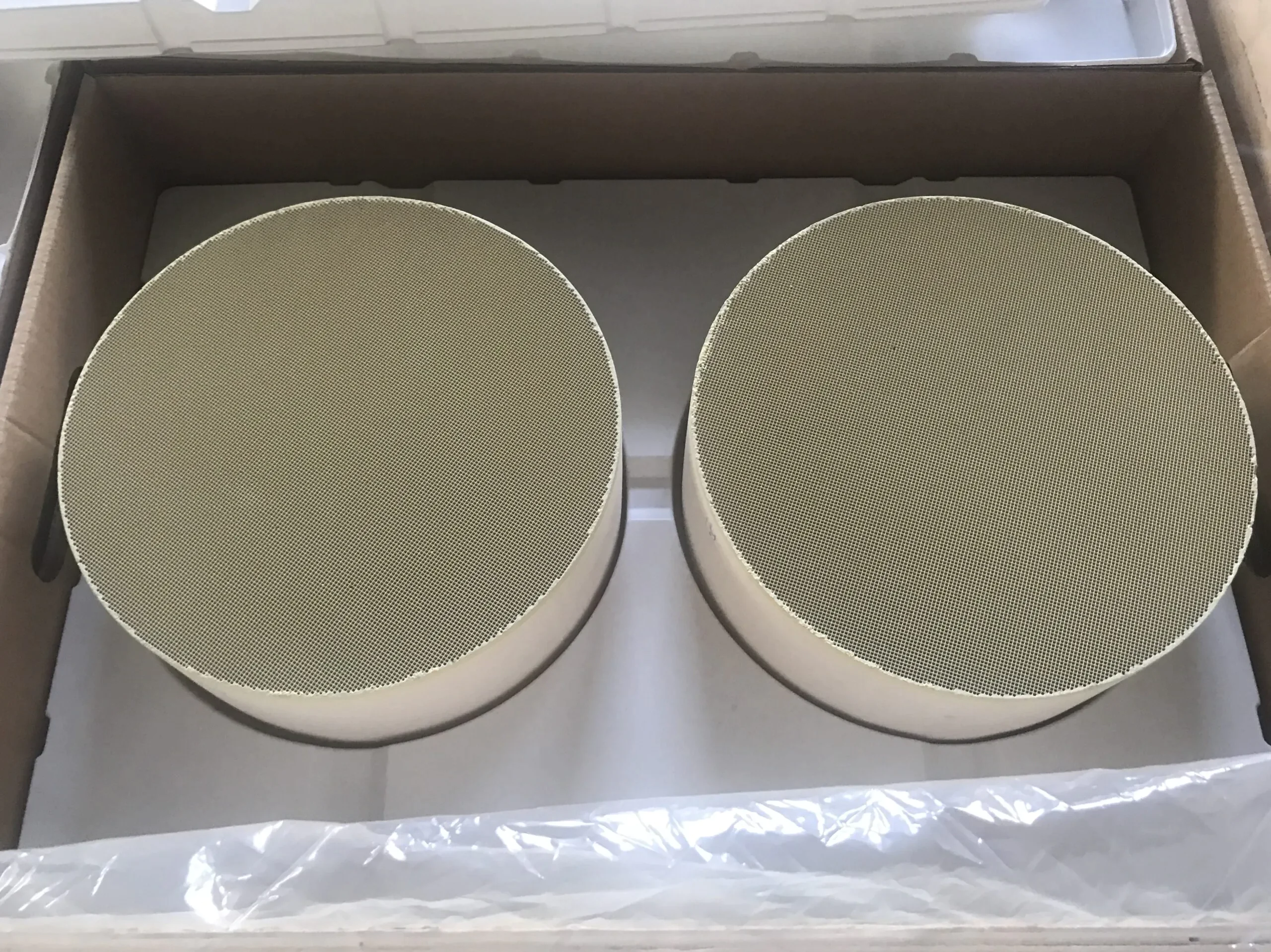
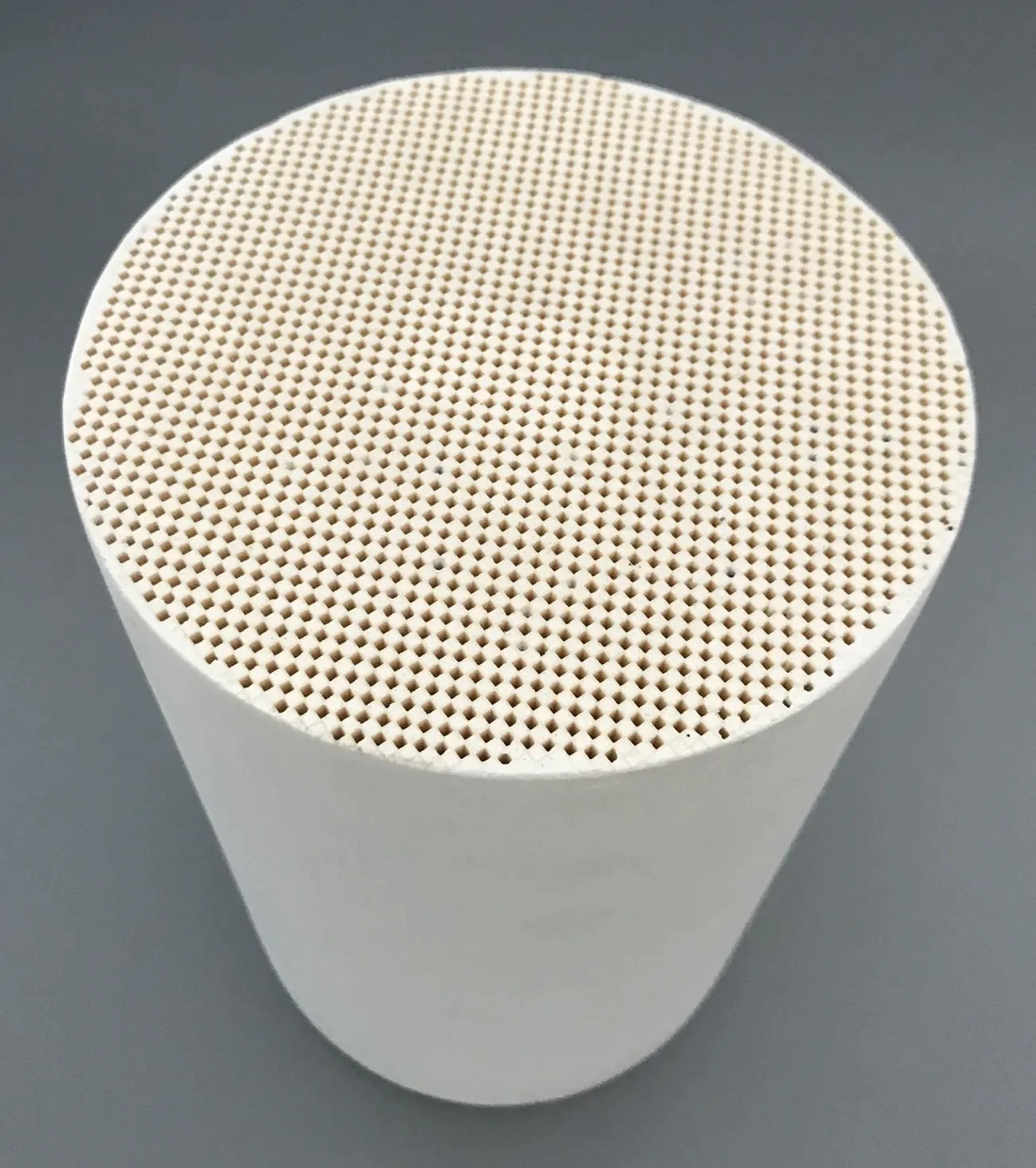
One company that has cemented its position as a key supplier for the essential materials within the exhaust system is Pingxiang Hualian Chemical Ceramic Co., Ltd., often known by its product focus, Hualian Catalyst. Unlike companies that provide the entire muffler and pipe assembly, Hualian specializes in the heart of the catalytic converter: the honeycomb ceramic substrates and the catalysts themselves. This focus allows them to offer solutions that meet stringent global emission standards.
Core Product Offerings
The product list from Hualian Catalyst demonstrates a commitment to foundational chemical ceramic and catalyst technology, positioning them as a critical B2B partner for global exhaust manufacturers and industrial users. Our main product lines include:
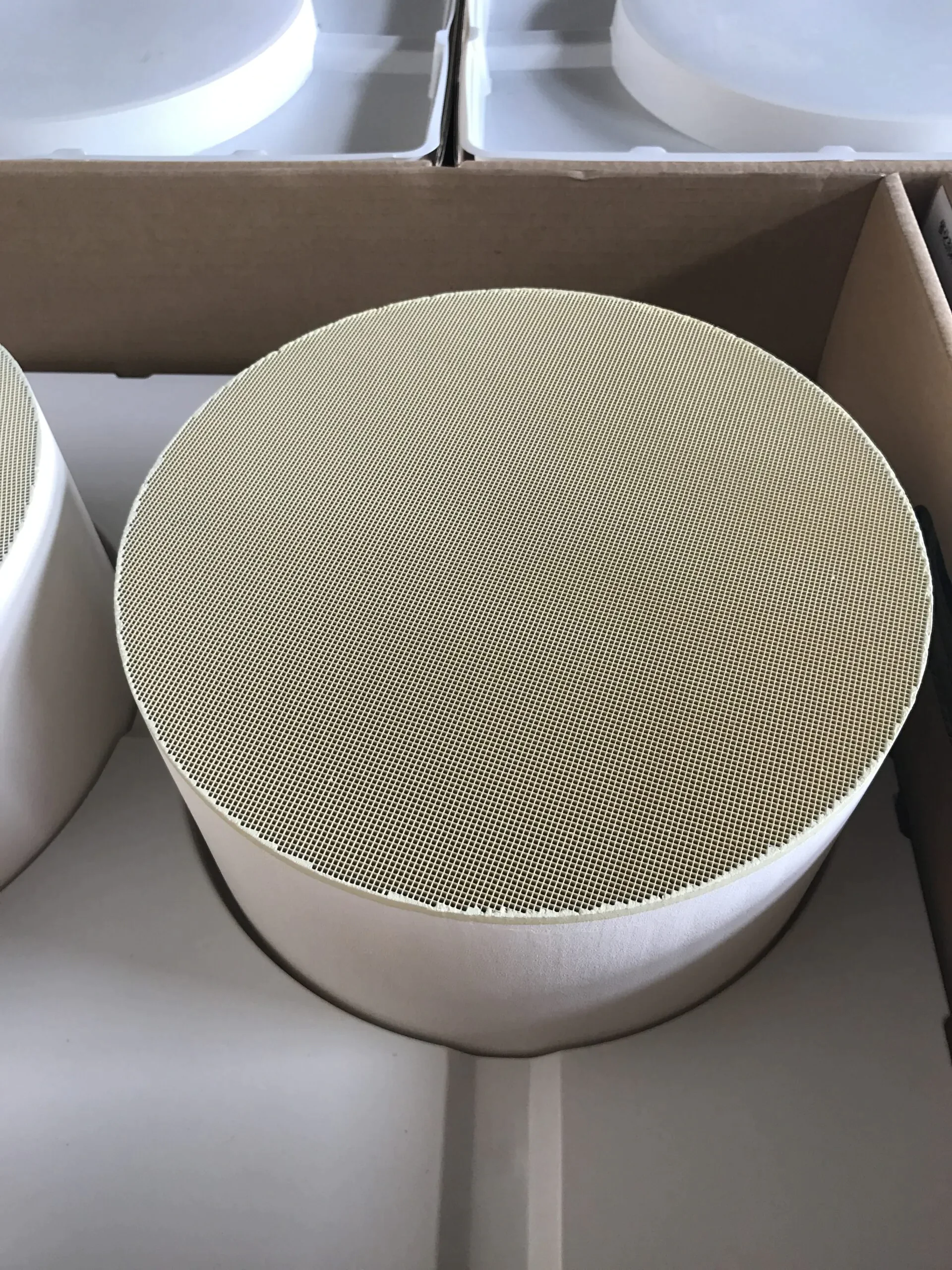
Three-Way Catalyst Support: These are the ceramic catalytic converter monoliths (substrates) used in gasoline vehicles. They provide the vast surface area necessary to apply the precious metal washcoat, converting carbon monoxide (CO), hydrocarbons (HC), and nitrogen oxides into carbon dioxide, water vapor, and nitrogen. The performance of the final converter is directly tied to the quality, cell density, and material properties of this support.
Diesel Particulate Filters (DPF): Essential for diesel vehicles, DPFs physically trap soot and particulate matter (PM) from the exhaust gas, helping vehicles comply with regulations like the European IV and V standards.
Selective Catalytic Reduction (SCR) Catalysts: Used primarily in heavy-duty diesel engines, SCR systems inject a reductant (like urea solution) to convert nitrogen oxides into harmless nitrogen and water. Hualian’s SCR catalysts are engineered to perform efficiently across a range of operating temperatures.
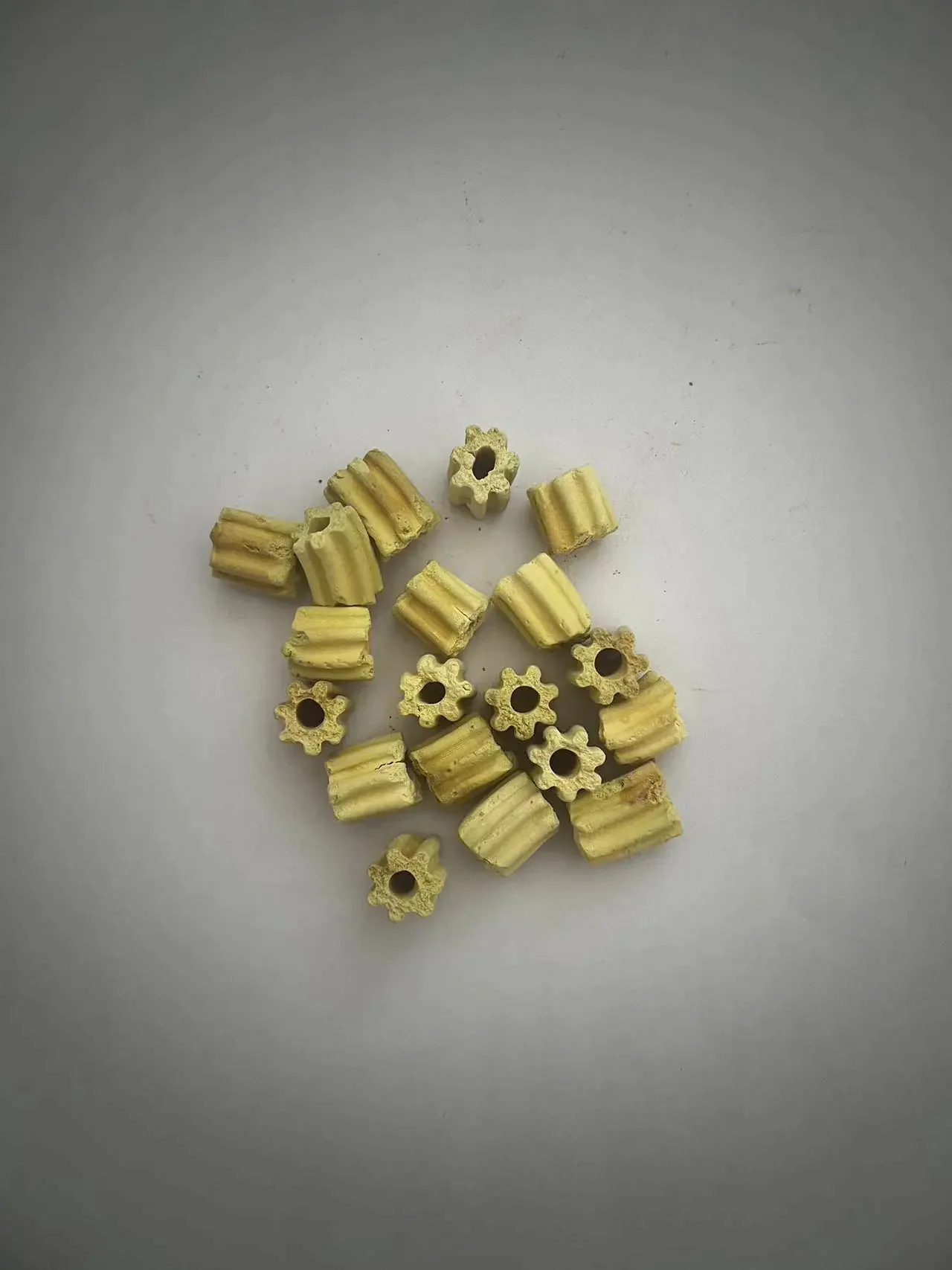
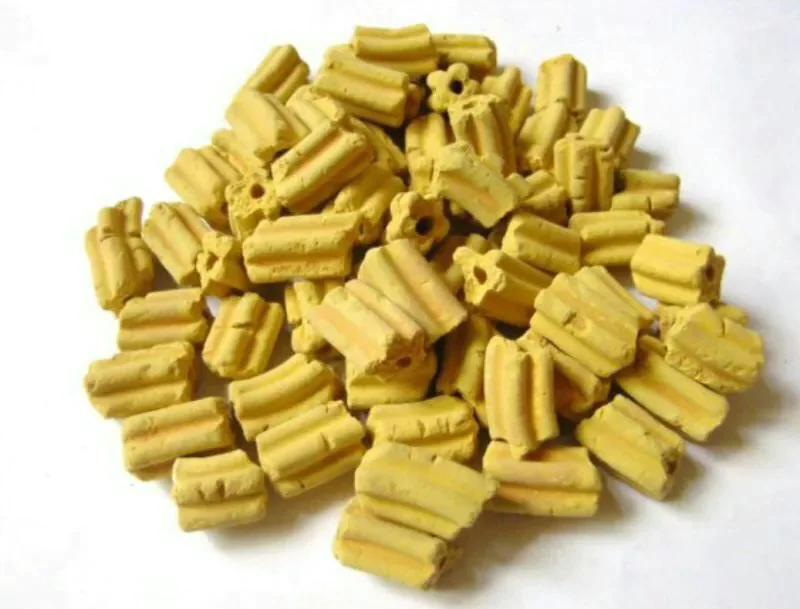
Honeycomb Ceramics and Industrial Catalysts: Beyond automotive, the company produces a wide array of ceramic products used in diverse fields, including thermal storage (HTAC systems for reduced fuel consumption and nitrogen oxides emissions), chemical processing, and environmental protection (sulfur recovery, desulfurization).
The B2B Focus: Why Source from a Specialized Catalytic Converter Factory
For automotive exhaust system manufacturers and large-scale industrial buyers, the decision to partner with a specialized supplier like Hualian Catalyst is driven by technical performance and economic efficiency.
Advanced Emission Compliance
The ability to meet increasingly strict standards like Euro V, Euro VI, or even the latest CARB/EPA regulations hinges on the quality of the car exhaust catalyst. Companies that specialize in these materials can achieve higher conversion rates for pollutants with a lower, yet optimized, load of precious metals. This is a delicate balance that requires deep knowledge of washcoat chemistry and ceramic structure.
OEMs and Tier 1 suppliers require partners who can ensure a stable, high-volume supply of custom-sized substrates. A dedicated catalytic converter factory offers a distinct advantage in terms of production capacity and the ability to customize components—such as different cell densities (CPSI) or monolith shapes—to match the specific geometry and flow dynamics of an engine’s exhaust system. Hualian Catalyst highlights this capability with its customization services and advanced R&D.
Future Outlook: The Evolution of the Car Exhaust Catalyst
While electric vehicles are gaining ground, the internal combustion engine (ICE) and hybrid vehicles will remain dominant in global transportation for decades. This ensures the ongoing, critical demand for advanced emission control technology.
The future of the catalytic converter factory is focused on maximizing conversion efficiency at cold start (when the catalyst is not yet hot) and managing the emissions from direct-injection gasoline engines. Suppliers like Hualian Catalyst are positioned to lead this evolution by investing in novel ceramic materials and advanced catalyst chemistry, ensuring that the supply chain can deliver the essential components needed for cleaner air worldwide.
Choosing a supplier that combines decades of manufacturing history with specialized ceramic and catalyst technology, such as Hualian Catalyst, provides a powerful competitive edge for companies aiming to deliver high-performance, compliant, and cost-effective exhaust solutions.