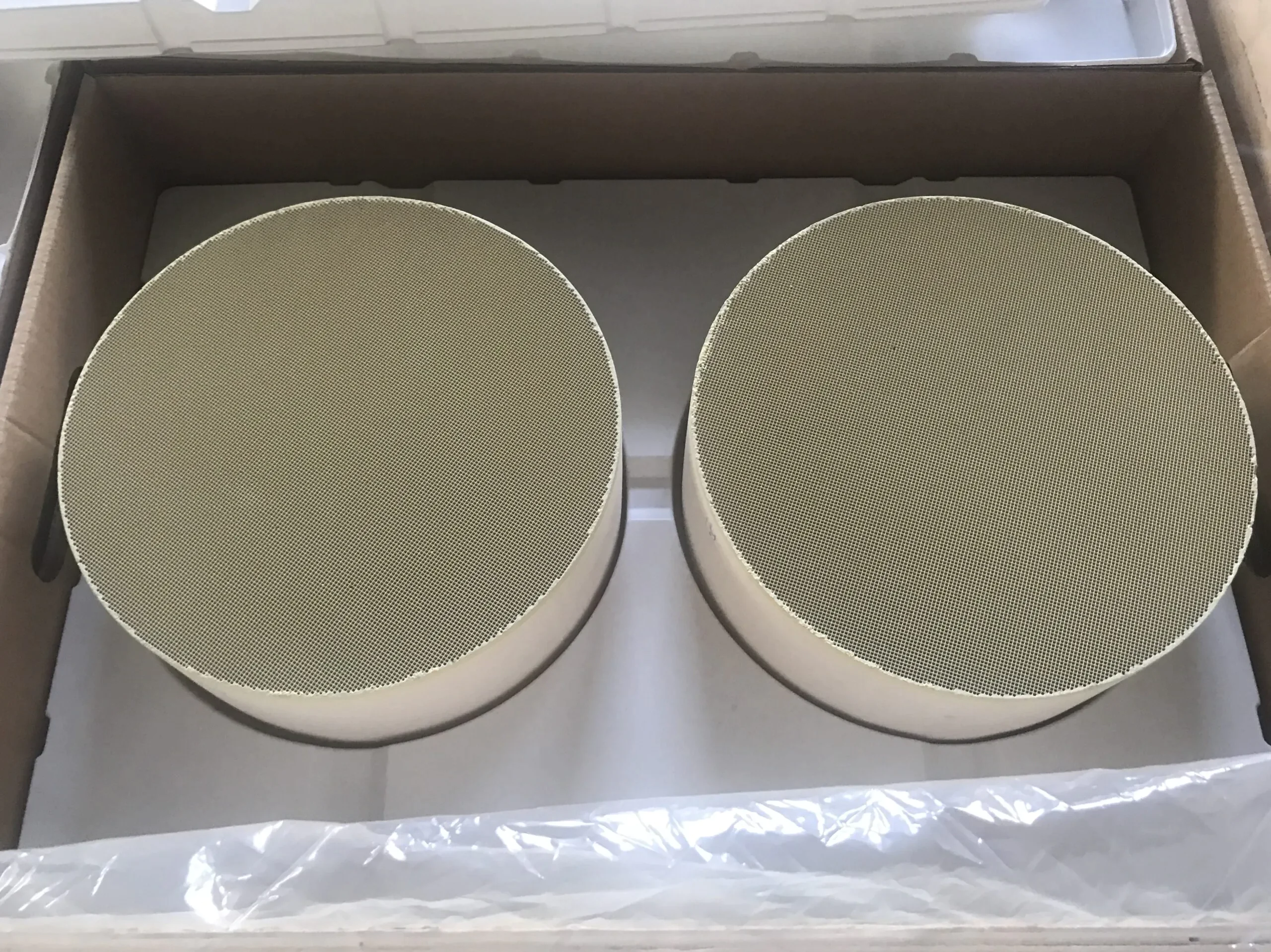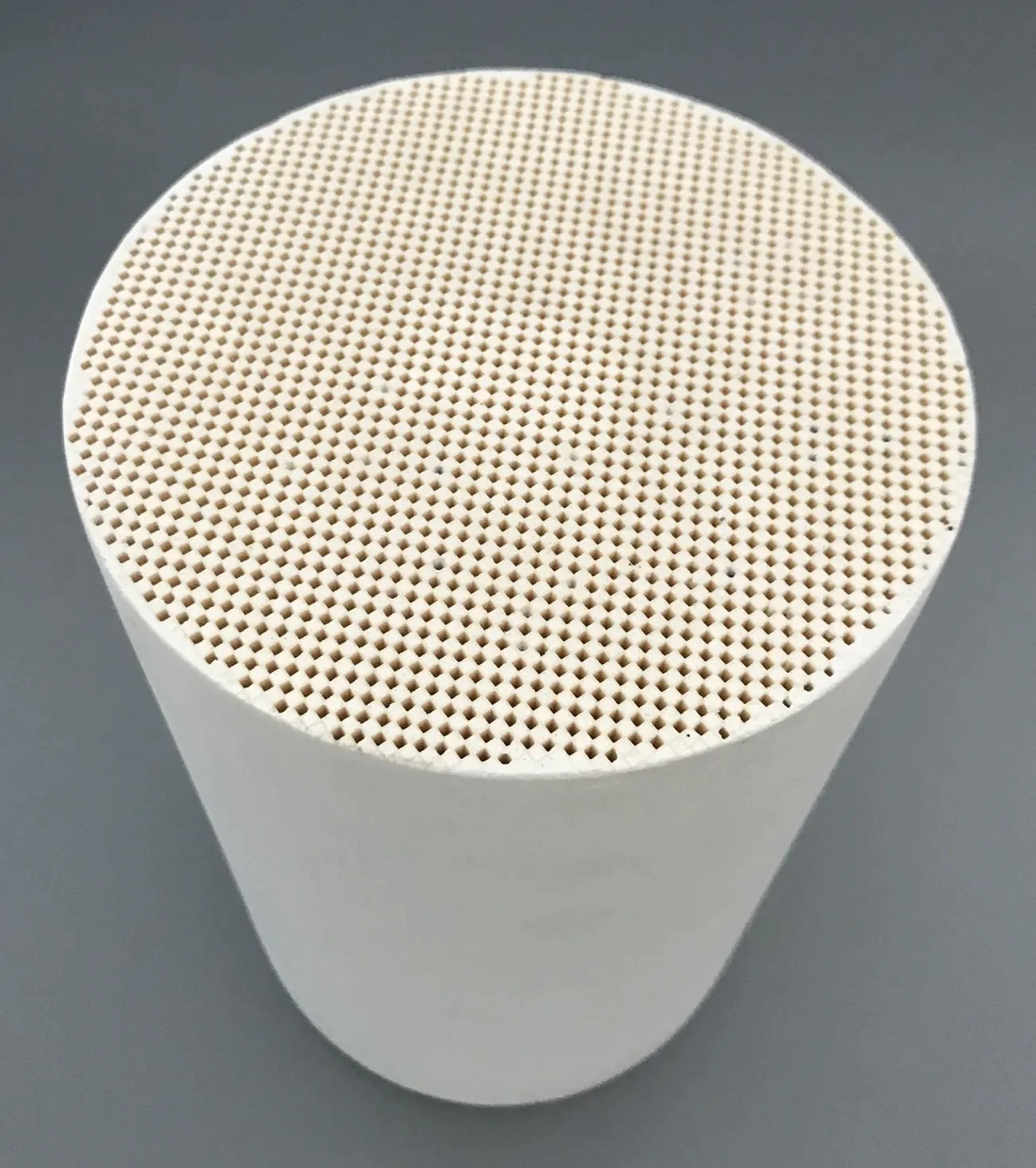
Catalytic converters are an essential part of a vehicle’s exhaust system, designed to reduce harmful emissions and help vehicles meet strict global emissions standards. But what is the precious metal inside a catalytic converter, and how does it contribute to the converter’s ability to reduce pollutants? At Hualian Catalyst, we provide high-quality metal catalytic converters that help vehicles meet stringent emission standards, using precious metals that play a critical role in the catalytic process.
The Role of Precious Metals in Catalytic Converters
The precious metals inside a catalytic converter, such as platinum, palladium, and rhodium, act as catalysts. These metals are essential for facilitating chemical reactions that transform harmful gases like carbon monoxide (CO), nitrogen oxides (NOx), and hydrocarbons (HC) into less harmful substances, such as nitrogen (N2), carbon dioxide (CO2), and water vapor (H2O). These reactions are crucial for reducing the environmental impact of vehicles and ensuring that they comply with global emission regulations. While the precious metals do not undergo permanent changes, they help accelerate the reactions without being consumed in the process, making them incredibly efficient.
How Hualian Catalyst’s Metallic Catalytic Converters Work
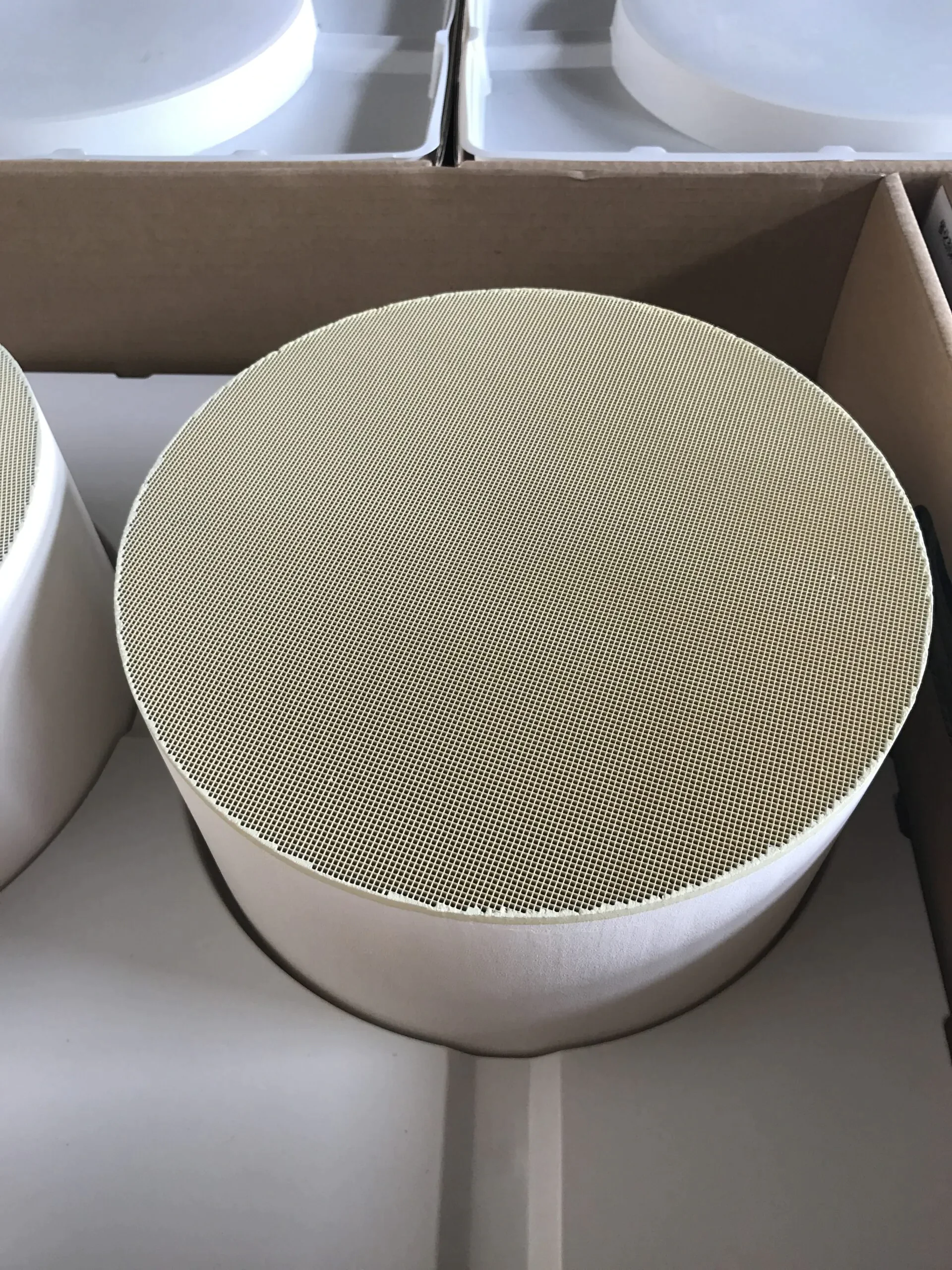
The metallic catalytic converters from Hualian Catalyst are specifically designed to meet Euro 3, Euro 4, Euro 5, and Euro 6 standards. These standards regulate the level of pollutants that vehicles can emit, and our products are engineered to meet these rigorous requirements. The metallic catalytic converter features a high-strength metallic honeycomb substrate that provides excellent heat transfer. This is crucial for ensuring that the catalyst activates quickly once the engine starts, effectively reducing pollutants in a short amount of time. The heat transfer capability of the honeycomb structure enables faster activation, which is essential for reducing emissions as soon as the vehicle is in operation.
Features and Benefits of the Honeycomb Metal Substrate
Our metallic catalytic converters are equipped with a honeycomb metal substrate, a design that enhances both the performance and durability of the converter. The honeycomb structure increases the surface area available for the catalyst to work, improving the overall efficiency of the converter. Additionally, the thin-walled design of the metallic substrate helps reduce exhaust back pressure, which in turn enhances engine performance and fuel efficiency. This is especially important for high-vibration environments such as motorcycles and off-road vehicles, where durability is critical. The substrate’s low back pressure ensures the converter works efficiently, even in vehicles with frequent start-stop cycles. Furthermore, we offer customizable dimensions, cell densities, and coating formulations to meet various power, durability, and layout requirements, making our motorcycle catalyst suitable for a wide range of vehicles, from passenger cars to heavy-duty trucks and off-road equipment.
Conclusion
In conclusion, the precious metals inside a catalytic converter, including platinum, palladium, and rhodium, are key to its ability to reduce harmful emissions by catalyzing chemical reactions that convert pollutants into less harmful substances. At Hualian Catalyst, we manufacture high-performance metal catalytic converters that meet global emission standards and provide reliable, long-term solutions for emission control. Our metallic catalytic converters feature a durable, high-strength honeycomb substrate that reduces back pressure and improves engine performance, ensuring that our products meet the diverse needs of motorcycles, diesel trucks, off-road equipment, and passenger vehicles.