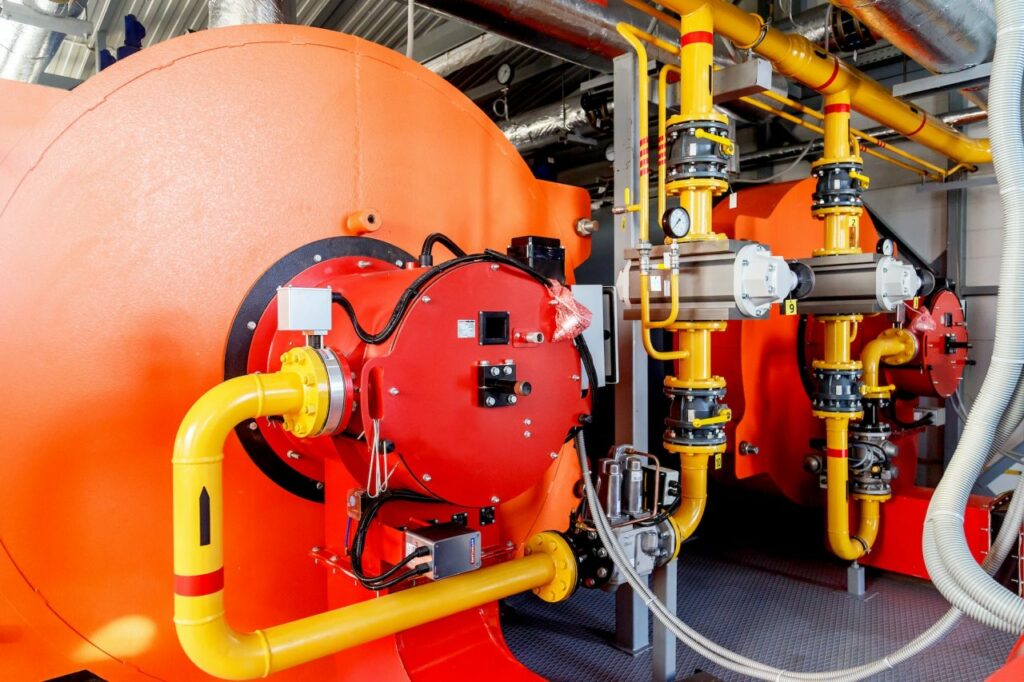
The diesel oxidation catalyst plays a central role in the first stage of modern diesel aftertreatment systems. In our work, we focus on explaining how a diesel oxidation catalytic converter manages the oxidation of carbon monoxide, hydrocarbons, and the soluble organic fraction found in diesel exhaust. Within the flow channels of a honeycomb ceramic structure, the catalyst coating promotes reactions that convert harmful components into CO₂ and H₂O. The solutions we build at Hualian Catalyst rely on platinum and palladium formulations that maintain stable conversion performance for engines designed to meet Euro III–VI and EPA standards. This foundation supports consistent results without adding unnecessary operational difficulty for experienced users.
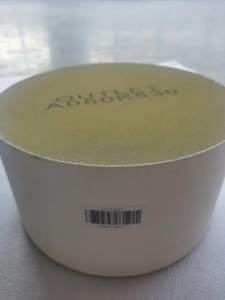
How Oxidation Reactions Take Place in Real Operating Conditions
The operation of an aftertreatment diesel oxidation catalyst depends on exhaust temperature, oxygen content, and catalytic surface activity. When hot exhaust enters the DOC, CO and HC molecules encounter the active coating and begin oxidizing immediately. This oxidation process is essential for preparing the exhaust stream before it enters downstream components such as DPF or SCR. Our DOC catalyst, designed with a honeycomb ceramic structure, maintains the thermal stability needed for temperatures exceeding 600°C. This level of durability is important for heavy-duty and non-road diesel engines, which frequently operate under sustained load. Within this design, the low-backpressure architecture helps the diesel oxidation catalytic converter reduce resistance during exhaust flow, supporting fuel efficiency while maintaining sufficient residence time for oxidation reactions. These working principles guide how we engineer systems that match real on-road and off-road requirements at Hualian Catalyst.
Structural Variations That Influence DOC Working Behavior
Different substrate configurations affect how an aftertreatment diesel oxidation catalyst performs over extended use. Ceramic substrates such as cordierite and SiC offer strong heat resistance with stable operating characteristics, making them suitable for engines with predictable duty cycles. Metallic substrates, by comparison, provide higher thermal conductivity, faster light-off, and greater mechanical strength, which benefits compact diesel platforms exposed to vibration or frequent start-stop activity. The DOC options we develop at Hualian Catalyst include customized dimensions and CPSI values to match diverse flow distributions and regulatory targets. By adjusting substrate selection and cell density, we ensure that each diesel oxidation catalytic converter delivers consistent catalytic activity while maintaining system durability. The long-life coating design also supports extended service intervals, reducing maintenance interruptions for customers managing demanding industrial or transportation operations.
Conclusion: How a Diesel Oxidation Catalyst Supports Reliable Results
The overall function of an aftertreatment diesel oxidation catalyst is defined by how effectively it oxidizes CO, HC, and SOF components as exhaust passes through the honeycomb structure. Through controlled reactions, the DOC prepares the exhaust stream for downstream treatment while contributing to stable fuel efficiency and regulatory compliance. At Hualian Catalyst, we provide ceramic and metallic DOC options engineered for high thermal stability, low backpressure, and long service life. These characteristics allow each diesel oxidation catalytic converter to maintain dependable emission control performance across a wide range of diesel engine applications.