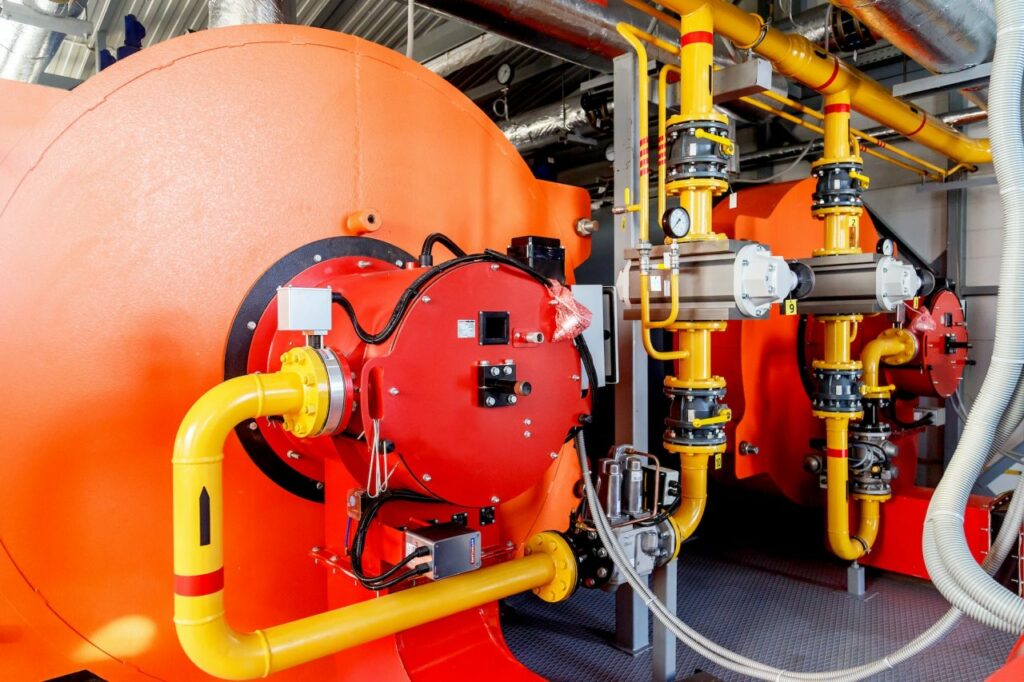
The Contact Process remains the most widely used industrial method for producing sulfuric acid, a critical chemical in fertilizers, petroleum refining, and manufacturing. At the heart of this process lies the V₂O₅ (vanadium pentoxide) catalyst, known for its efficiency, stability, and cost-effectiveness. As industries increasingly focus on sustainability and emissions control, catalytic technologies—ranging from chemical processing catalysts to diesel exhaust filters—are playing a vital role in reducing environmental impact.
The Role of V₂O₅ Catalyst in the Contact Process
In the Contact Process, sulfur dioxide (SO₂) is oxidized into sulfur trioxide (SO₃) in the presence of a V₂O₅ catalyst. This reaction is highly sensitive to temperature and catalyst performance. V₂O₅ provides an optimal balance by enabling high conversion rates at moderate temperatures (around 400–450°C), ensuring efficient and continuous production.
Compared to alternative catalysts such as platinum, Hualian Catalyst V₂O₅ offers a more economical solution while maintaining excellent catalytic activity. Its resistance to poisoning and long operational life make it the preferred choice in large-scale sulfuric acid plants.
Key Benefits of V₂O₅ Catalyst
High Conversion Efficiency
V₂O₅ catalysts enable a high conversion rate of SO₂ to SO₃, often exceeding 98%. This efficiency directly improves sulfuric acid yield and reduces waste emissions, making the process both economically and environmentally advantageous.
Excellent Thermal Stability
Industrial processes involve prolonged exposure to high temperatures. V₂O₅ catalysts maintain structural integrity and catalytic performance under these conditions, ensuring consistent output and reduced downtime.
Cost-Effective Alternative
While noble metal catalysts like platinum can deliver high activity, they are significantly more expensive. V₂O₅ provides a cost-efficient alternative without compromising performance, making it ideal for large-scale operations.
Environmental Advantages
Efficient catalytic conversion reduces the release of harmful gases such as SO₂ into the atmosphere. This aligns with global environmental regulations and sustainability goals.
Expanding Role of Catalytic Technologies in Emissions Control
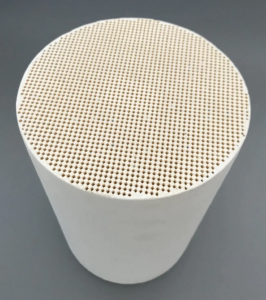
Beyond chemical manufacturing, catalytic materials are widely used in environmental protection systems, particularly in automotive emissions control. For example, diesel exhaust filters and catalytic substrates play a crucial role in reducing particulate matter from diesel engines.
Modern diesel exhaust filters are designed to trap soot and fine particles before they are released into the atmosphere. These systems often incorporate advanced ceramic materials and catalytic coatings, reflecting the same principles of efficiency and durability found in industrial catalysts like V₂O₅.
For businesses seeking diesel particulate filter for sale, choosing high-quality filtration systems is essential to meet stringent emission standards such as Euro 5 and Euro 6. These filters not only improve air quality but also enhance engine performance by maintaining optimal exhaust flow.
Synergy Between Industrial Catalysts and Diesel Exhaust Filters
Although the applications differ, both V₂O₅ catalysts in the Contact Process and diesel exhaust filters share common technological foundations:
Catalytic efficiency: Maximizing reaction or filtration performance
Thermal resistance: Withstanding high-temperature environments
Durability: Ensuring long service life under continuous operation
Environmental compliance: Supporting cleaner industrial and automotive systems
This synergy highlights the broader importance of catalyst innovation across industries. Companies specializing in catalytic materials are now developing integrated solutions that serve both chemical production and emission control markets.
Conclusion
The V₂O₅ catalyst remains a cornerstone of the Contact Process, offering unmatched efficiency, stability, and cost-effectiveness in sulfuric acid production. At the same time, advancements in catalytic technology are driving progress in environmental applications, including high-performance diesel exhaust filters. Whether in large-scale chemical plants or modern diesel engines, catalysts continue to play a critical role in improving efficiency and reducing emissions. For industries looking to balance productivity with sustainability, investing in advanced catalytic solutions—from V₂O₅ systems to diesel particulate filter for sale options—is a strategic step toward a cleaner and more efficient future.