Diesel engines power trucks, buses, construction machinery, agricultural equipment, and generators. In these applications, particulate matter (PM) control is a central part of exhaust aftertreatment design. A diesel particulate filter (DPF) captures soot from exhaust gas before it is released into the atmosphere. Among commonly used filter materials, silicon carbide (SiC) is valued for its thermal conductivity, high-temperature capability, and mechanical strength.
Selecting a DPF involves more than choosing a filter material. Soot capacity, regeneration strategy, exhaust backpressure, packaging, and duty cycle all affect system performance. Understanding the characteristics of a SiC DPF helps engineers assess whether it is suitable for a particular diesel application.
How SiC DPF Works in Diesel Exhaust Treatment
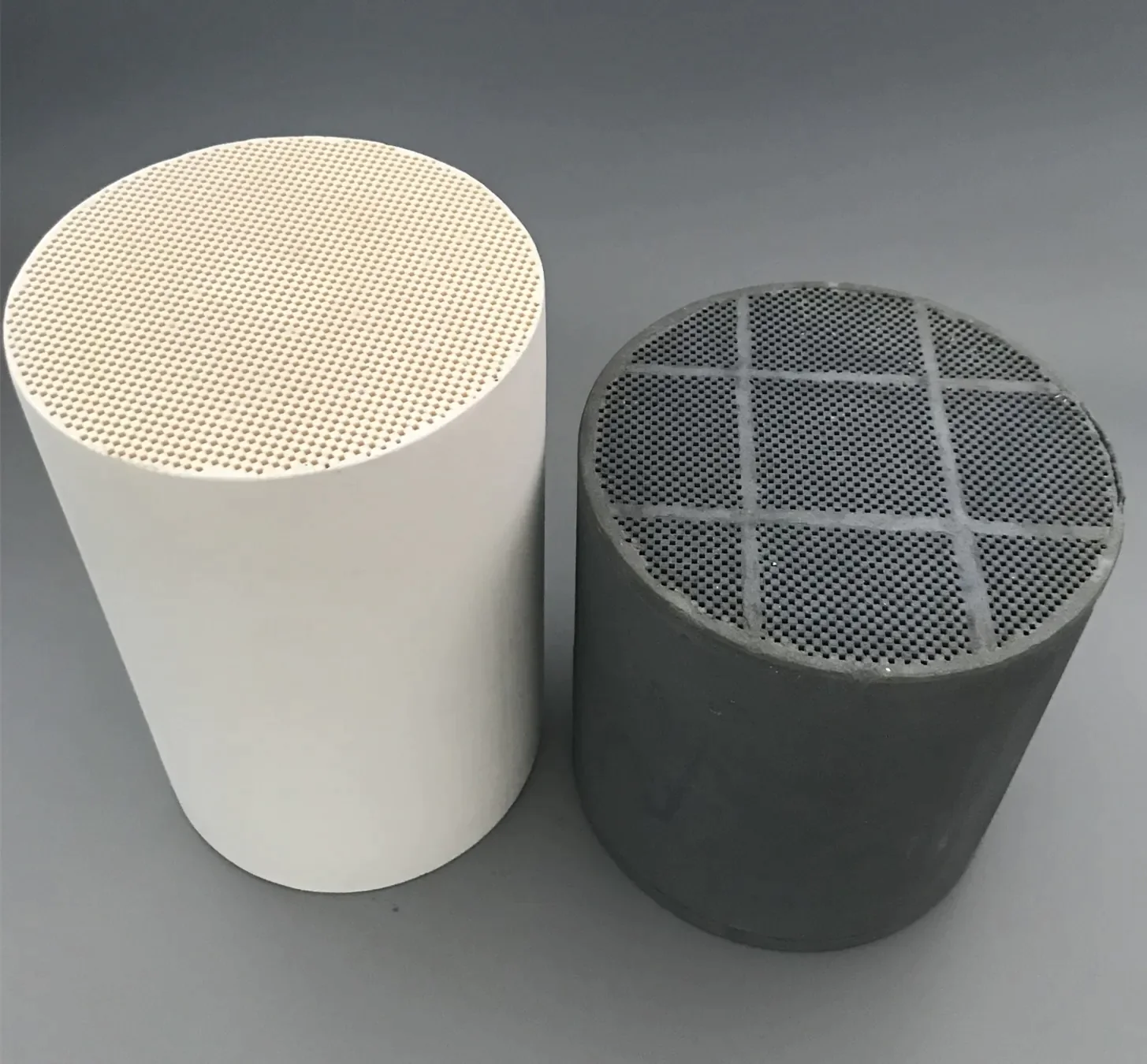
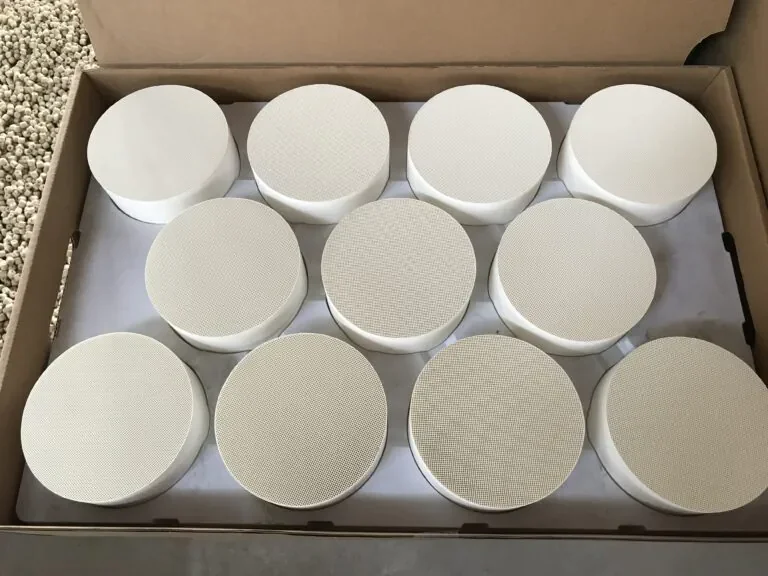
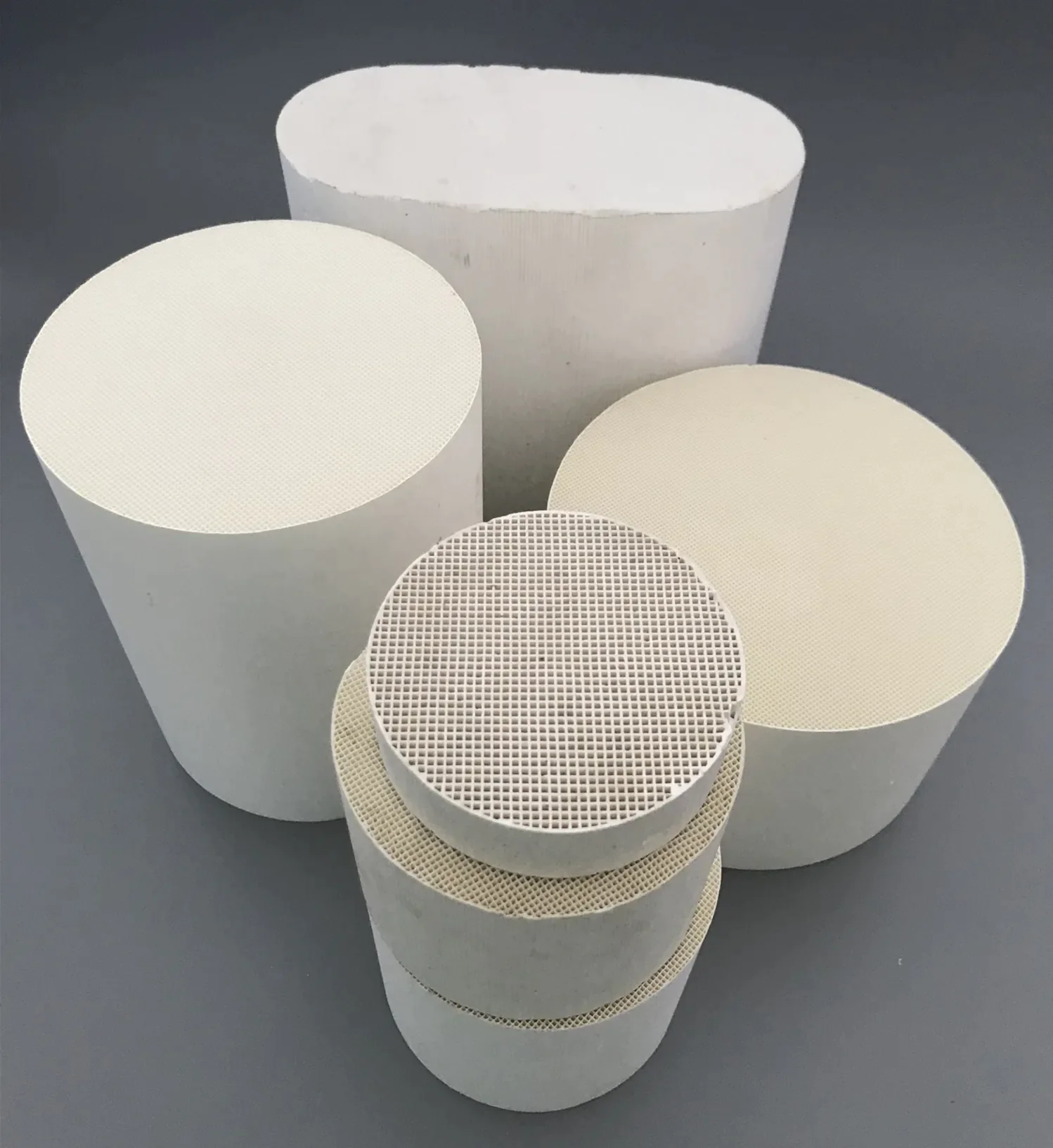
A DPF uses a wall-flow honeycomb structure to remove particulate matter from diesel exhaust. Its channels are alternately plugged at opposite ends. Exhaust gas enters the open inlet channels and is forced through porous channel walls into adjacent outlet channels. Soot and other particles are retained within the filter while the filtered gas continues through the exhaust system.
SiC is used as the filter substrate because it combines high thermal conductivity with good mechanical strength and high-temperature capability. During soot regeneration, accumulated carbon is oxidized and converted mainly into carbon dioxide. Regeneration releases heat and creates temperature gradients inside the filter. Thanks to its high thermal conductivity, SiC helps distribute heat more effectively and reduce localized hot spots under suitable operating conditions.
The filter must periodically regenerate to remove accumulated soot and maintain filtration capacity. Passive regeneration uses suitable exhaust temperatures and gas chemistry during normal operation. Active regeneration raises exhaust temperature when passive conditions are insufficient. The strategy depends on engine calibration, duty cycle, and soot loading.
Key Advantages of SiC DPF for Heavy-Duty Applications
One major advantage of SiC is its thermal conductivity. During regeneration, soot oxidation releases heat inside the filter. More effective heat transfer can help limit uneven temperature distribution and reduce localized thermal loading. This is important for engines that experience frequent load changes or operate under demanding conditions.
SiC also offers high mechanical strength and good resistance to high-temperature operation. These properties make SiC a suitable candidate for heavy-duty vehicles, buses, construction equipment, agricultural machinery, and industrial generators. These applications often expose filters to repeated heating cycles and variable exhaust conditions.
Filtration performance is another important consideration. Our product information describes our wall-flow DPF as capturing more than 95% of particulate matter. Actual filtration efficiency and pressure drop depend on porosity, wall thickness, cell geometry, soot loading, exhaust flow, and system calibration.
SiC DPF Selection and Regeneration Considerations
Despite its strong thermal and mechanical properties, a SiC DPF is not a one-size-fits-all solution for every diesel engine application. Compared with cordierite, SiC generally has higher thermal conductivity and mechanical strength. However, its thermal expansion characteristics and filter architecture must also be considered. Filter design must manage regeneration temperature gradients to avoid localized thermal damage.
Pressure drop is another key design parameter. As soot accumulates, exhaust resistance across the DPF increases. Excessive backpressure can reduce engine output and increase fuel consumption. Engineers should match cell density, filter dimensions, wall porosity, and soot capacity to the engine’s exhaust flow and operating profile.
Service schedules must also account for ash accumulation. Unlike soot, ash cannot be removed through normal regeneration and requires periodic physical cleaning. This is particularly important for engines with high lubricant consumption or extended operating hours. Proper maintenance helps preserve filtration performance and control pressure drop throughout the filter’s service life.
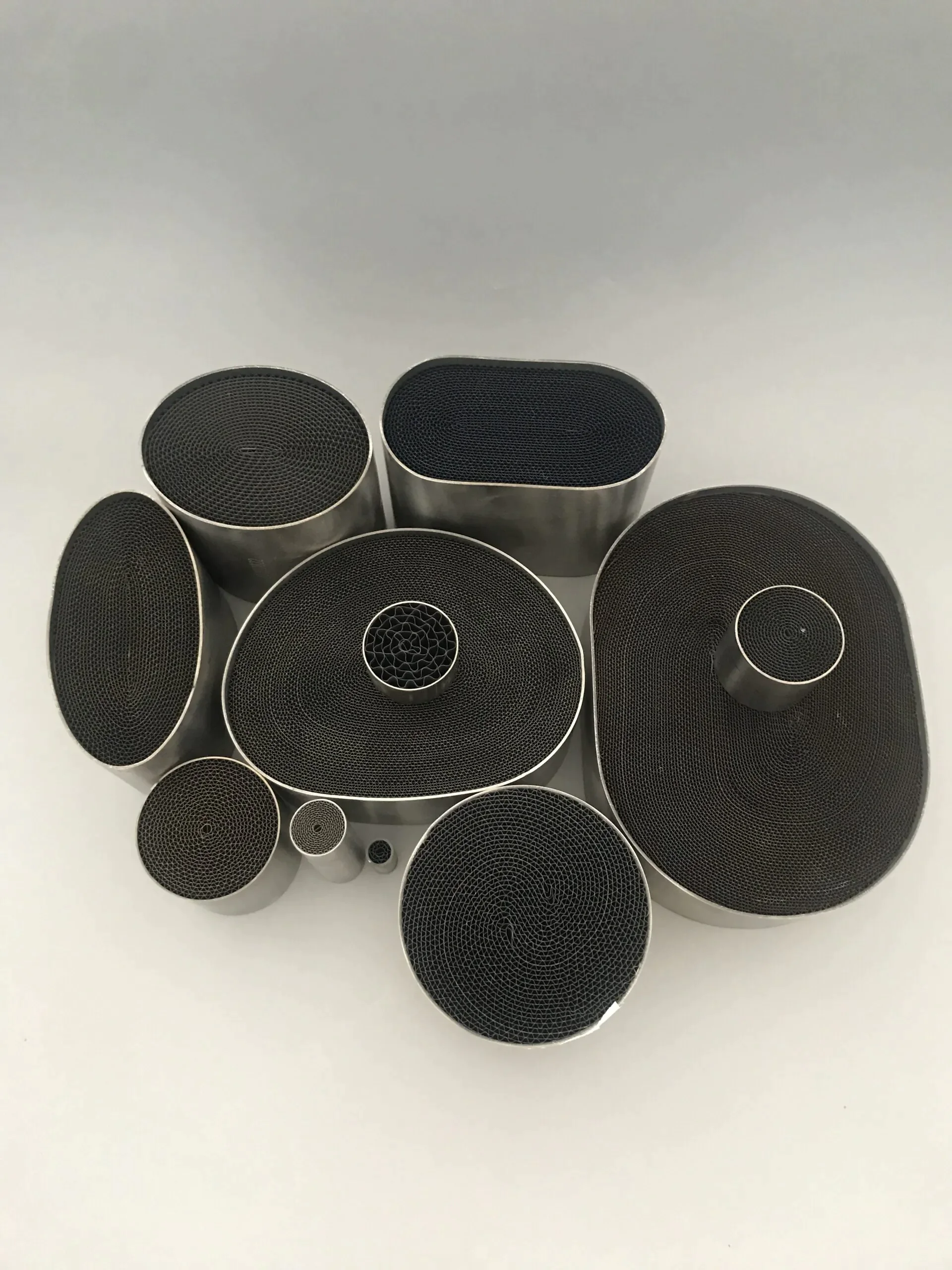
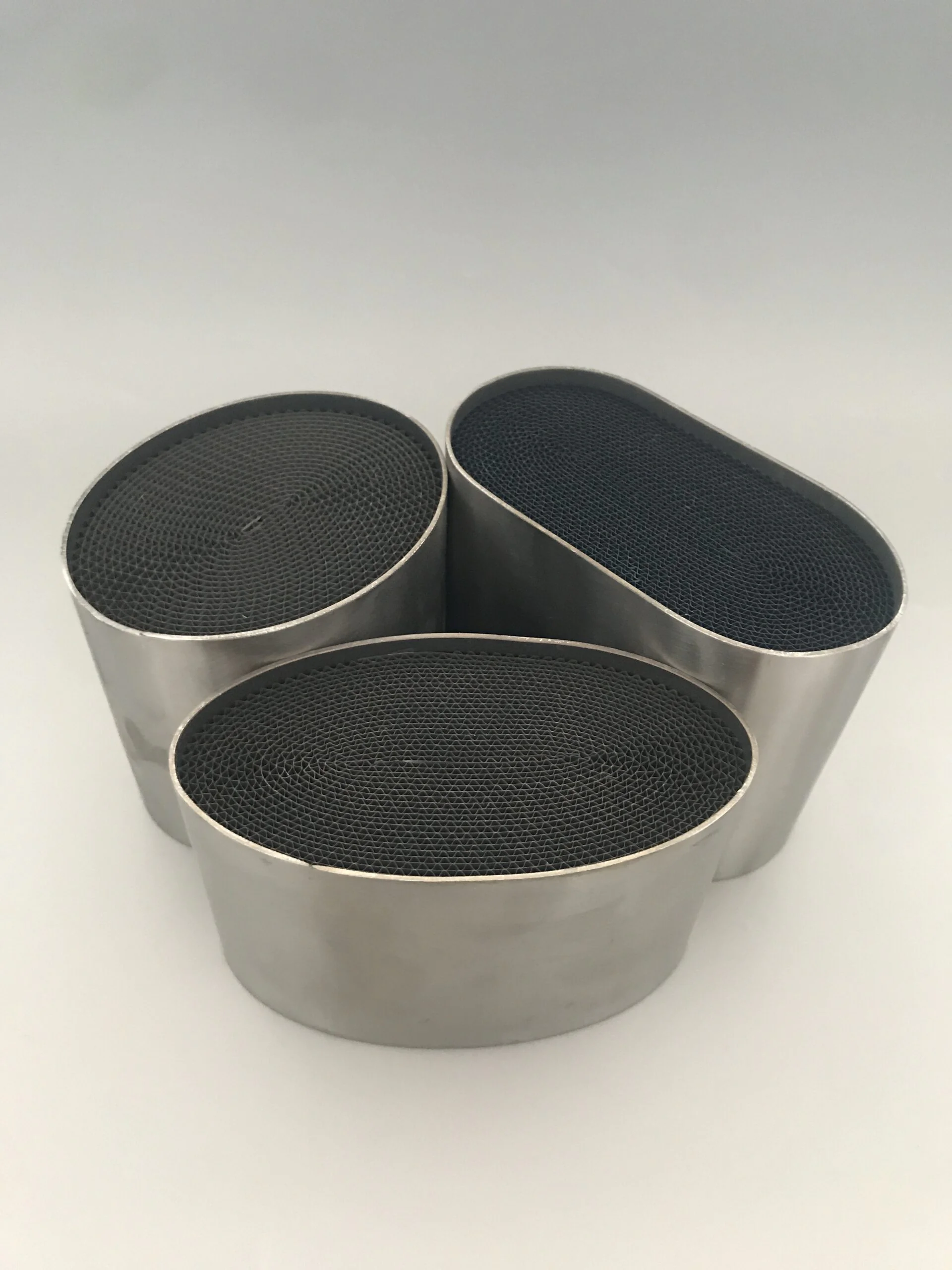
Our universal DPF filter is offered in SiC and cordierite material options. The official product information lists round and square shapes, customizable dimensions, and cell densities of 100, 200, 300, and 350 CPSI. The listed emission-standard applications are Euro 4, Euro 5, and Euro 6. Buyers should confirm the material, dimensions, cell density, and compatibility of the selected model before ordering.
Matching DPF Specifications to the Engine Application
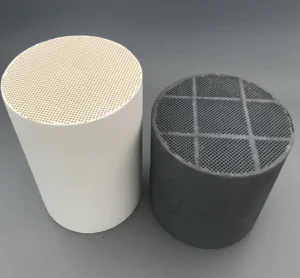
Choosing between SiC and cordierite requires reviewing the engine’s duty cycle and thermal profile. SiC may be appropriate where high thermal conductivity and mechanical strength are priorities, particularly in heavy-duty applications. Cordierite is lighter and generally more cost-effective. Its thermal characteristics can make it suitable for light-duty vehicles and stop-and-go urban operation. The complete system design should determine the final choice.
We provide both SiC and cordierite DPF options for diesel engine exhaust systems. Our product range supports customized dimensions and different cell densities for commercial vehicles, buses, off-road machinery, agricultural equipment, industrial generators, and retrofit emission-control projects. Buyers should confirm exhaust flow, installation space, regeneration conditions, and applicable emission requirements before selecting a configuration.
Working with Hualian Catalyst on DPF Requirements
A suitable DPF balances filtration efficiency, pressure drop, regeneration, and service-life requirements. SiC provides useful thermal and mechanical characteristics for demanding diesel applications, but correct sizing and regeneration control remain essential to achieving reliable results.
Our exhaust treatment product range includes DPF, DOC, SCR catalysts, and other honeycomb catalyst solutions. We offer SiC and cordierite options to help manufacturers and aftertreatment integrators select suitable filter materials and configurations based on their engine requirements. More product details are available at Hualian Catalyst.Confirming technical specifications and operating conditions with the supplier helps ensure that the selected DPF is appropriate for the intended application.