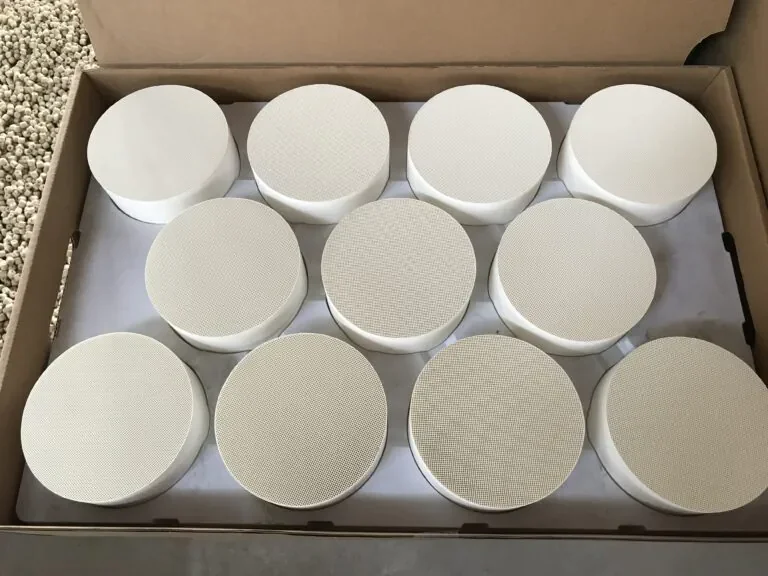
Diesel engines remain essential in heavy-duty transport, construction machinery, agricultural equipment, and stationary power generation. However, diesel exhaust contains pollutants such as carbon monoxide (CO), unburned hydrocarbons (HC), and particulate matter (PM). A diesel oxidation catalytic converter helps control these emissions by promoting oxidation reactions as exhaust passes through a catalyst-coated honeycomb substrate. For fleet operators, engine manufacturers, and exhaust aftertreatment system integrators, a DOC offers an effective solution for controlling specific pollutants within a properly designed emissions-control system.
At Hualian Catalyst, we develop honeycomb catalyst solutions for automotive and industrial exhaust treatment. Our product range includes diesel oxidation catalysts (DOC), selective catalytic reduction (SCR) catalysts, diesel particulate filters (DPF), and other exhaust treatment products. For DOC applications, we provide ceramic and metal substrate options to accommodate different engine and installation requirements.
How Diesel Oxidation Catalysts Support Emission Control
A diesel oxidation catalyst (DOC) is a flow-through exhaust aftertreatment device. Unlike wall-flow DPFs, it does not physically trap soot particles. Instead, its active coating promotes chemical reactions that convert carbon monoxide and hydrocarbons into carbon dioxide (CO₂) and water (H₂O). It can also oxidize part of the soluble organic fraction (SOF) associated with diesel particulate matter, which mainly consists of unburned fuel and lubricating oil.
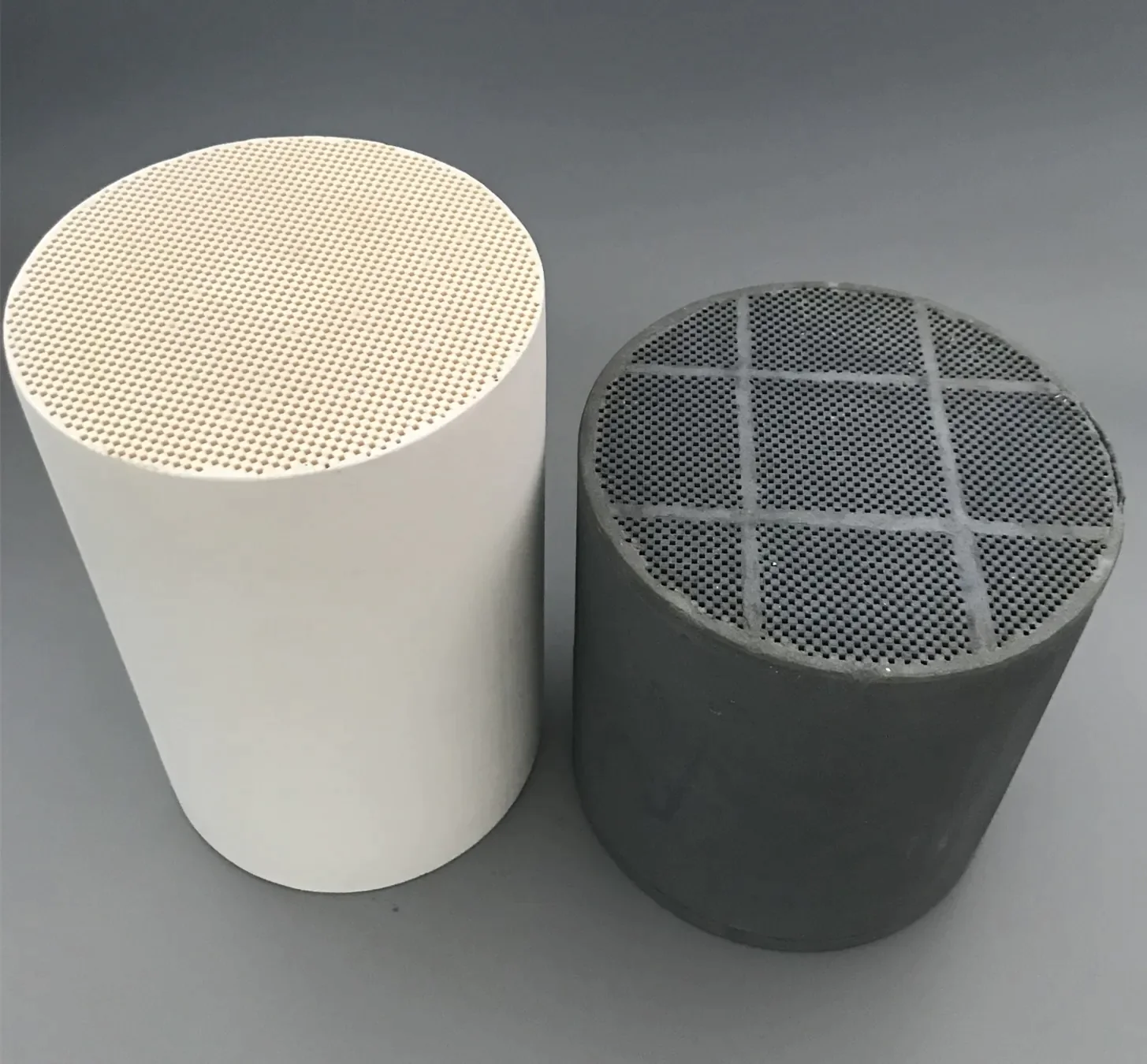
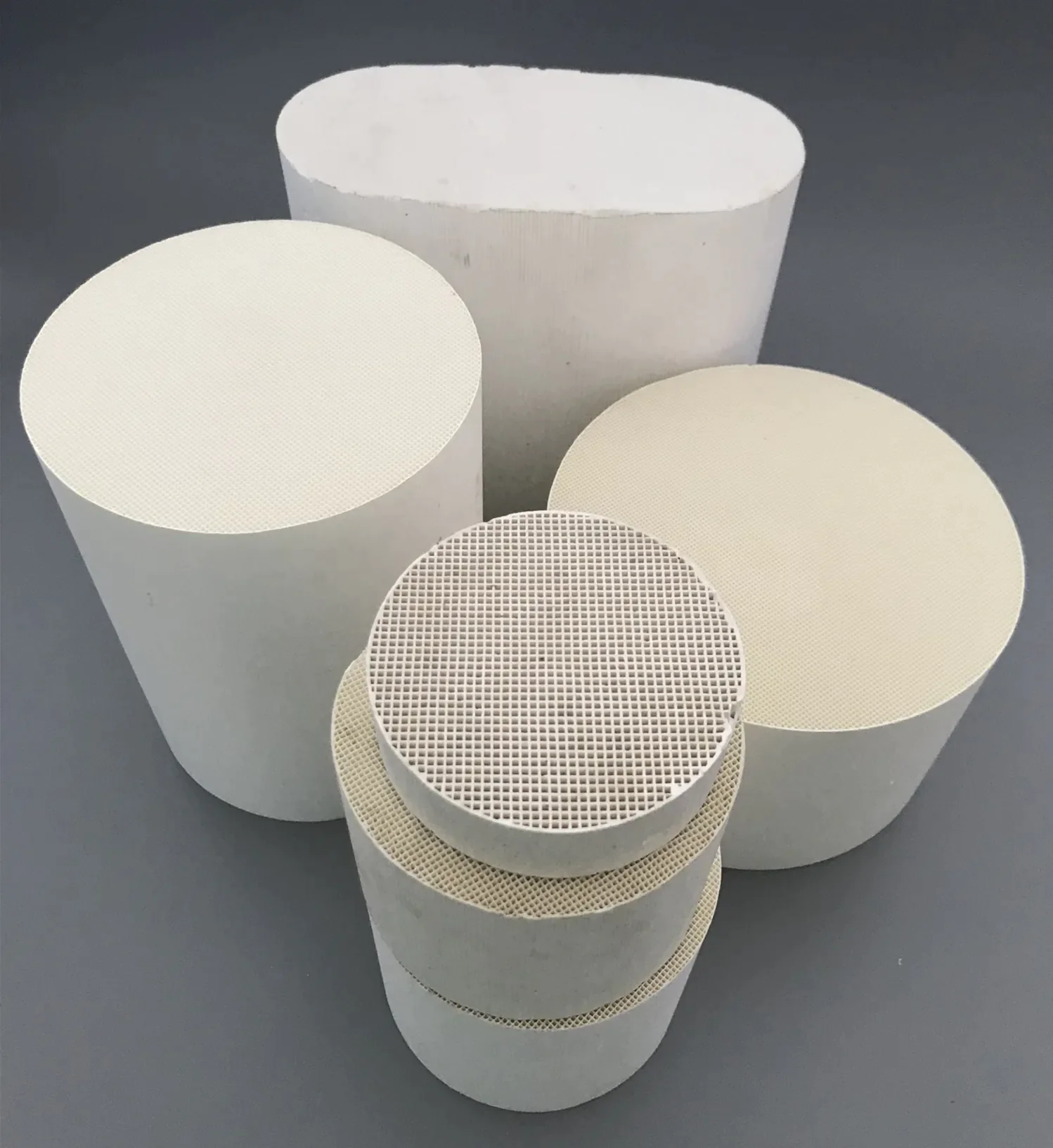
A typical DOC consists of a honeycomb substrate coated with precious-metal catalyst materials, commonly platinum and palladium. As exhaust gas passes through the substrate’s parallel channels, pollutants come into contact with the active coating. The honeycomb structure provides a large geometric surface area while maintaining open passages for exhaust flow. This enables continuous exhaust treatment without storing soot like a DPF.
One major benefit is the reduction of CO and HC emissions generated by incomplete combustion. By promoting oxidation reactions, a DOC helps lower the concentration of these pollutants before exhaust enters the atmosphere. It can also reduce the organic portion of PM, although its effect on elemental carbon is limited. Actual conversion performance depends on catalyst formulation, exhaust temperature, fuel and lubricant characteristics, gas flow, and catalyst condition.
Benefits in Integrated Diesel Aftertreatment Systems
A DOC provides additional value when integrated with a diesel particulate filter (DPF) or selective catalytic reduction (SCR) system. In DOC-DPF configurations, the catalyst can oxidize some nitric oxide (NO) into nitrogen dioxide (NO₂). Under suitable operating conditions, NO₂ supports passive soot oxidation inside the downstream DPF. Depending on system design, a DOC may also oxidize hydrocarbons or injected fuel to increase exhaust temperature during active DPF regeneration.
In systems equipped with SCR, the NO₂ produced by the DOC can influence the NO₂/NOx ratio and support faster SCR reaction pathways under suitable conditions. However, a DOC cannot independently achieve significant NOx reduction. SCR performs the primary NOx reduction, while the DOC mainly handles CO and HC oxidation and helps condition exhaust gas for downstream components. Understanding these different functions is essential when selecting components for an integrated aftertreatment system.
The DOC’s flow-through design also offers practical advantages. Unlike a wall-flow filter, it does not need to store soot for periodic regeneration. However, it still creates pressure drop, making correct sizing important. Engineers should evaluate exhaust flow, operating temperature, installation space, and the backpressure limits of the complete exhaust line. Poor component matching can reduce conversion efficiency and affect engine performance.
Selecting a DOC for the Intended Application
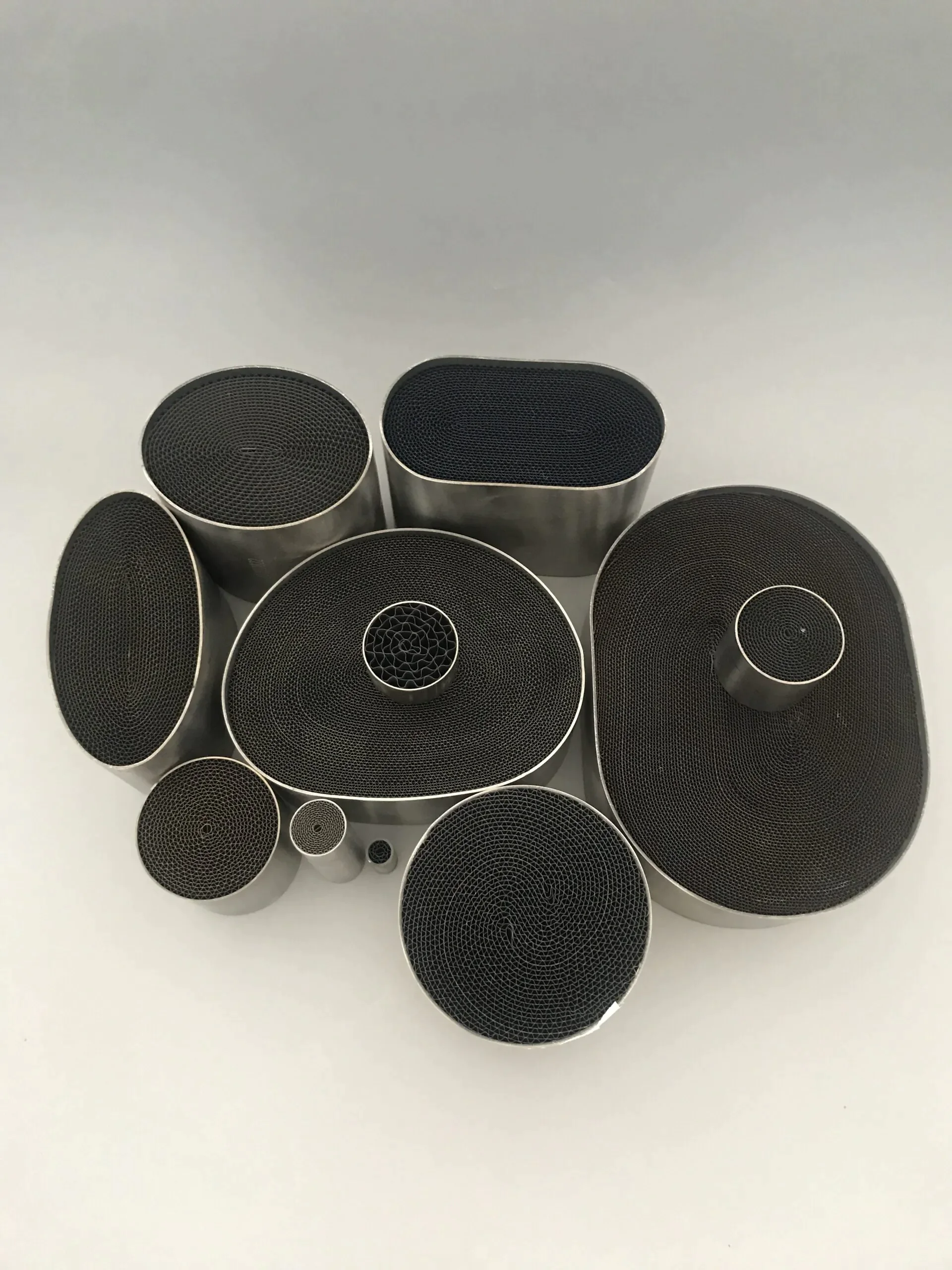
Choosing a DOC involves more than matching its external dimensions. Substrate material, cell density, channel geometry, catalyst coating, and operating conditions all influence performance. Ceramic substrates are commonly selected for their thermal stability and established use in exhaust systems. Metal substrates may be suitable for applications where their structural and heat-transfer characteristics offer advantages. The appropriate choice depends on the engine, vibration environment, available space, and thermal cycle.
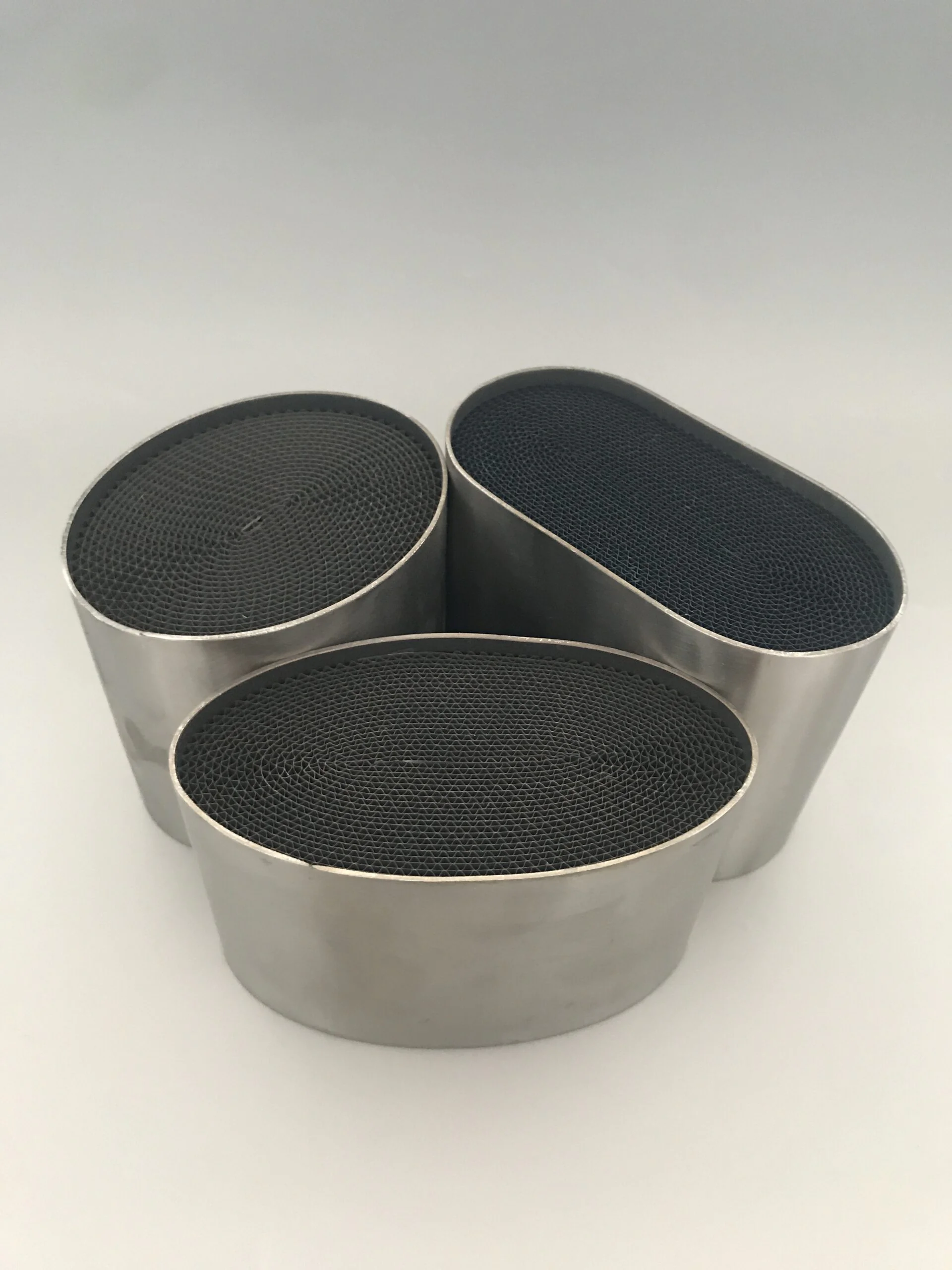
Our diesel oxidation catalysts are available with ceramic or metal substrates in round, oval, and racetrack shapes. The product range covers cell densities of 200, 300, 400, and 600 CPSI, with specific options varying by substrate and model. Ceramic DOC configurations include 300, 400, and 600 CPSI options, while listed metal DOC configurations include 200 and 300 CPSI. Dimensions can also be customized. Buyers should confirm the exact substrate, cell density, dimensions, and coating specifications for their selected model.
Before selecting a DOC, system manufacturers should evaluate exhaust temperature, flow rate, fuel characteristics, and downstream aftertreatment configuration. Excessive lubricant consumption, off-spec fuel, exhaust contaminants, and abnormal engine operation can shorten catalyst service life. Testing under representative operating conditions helps verify system compatibility and performance. Proper selection should consider the complete exhaust system rather than treating the DOC as an isolated component.
Supporting Customized Diesel Emission Control Solutions
Choosing a suitable DOC requires careful consideration of engine specifications, exhaust conditions, and aftertreatment system compatibility. We offer customizable honeycomb substrates, multiple cell densities, and flexible dimensions to help manufacturers and system integrators develop DOC configurations for different diesel engine applications. Through our solutions at Hualian Catalyst, we aim to meet specific project requirements and support reliable exhaust emission control.