As environmental regulations become more demanding, effective nitrogen oxide (NOx) control has become a major consideration for diesel engine manufacturers, industrial operators, and emission-control system suppliers. Selective Catalytic Reduction (SCR) technology offers an effective approach to reducing NOx emissions from exhaust gases. For businesses evaluating SCR catalyst manufacturers, understanding the technical and operational benefits of SCR catalysts is essential. At Hualian Catalyst, we develop and supply emission-control catalyst solutions designed to meet different application requirements, with attention to catalyst formulation, structural design, and customization.

Effective NOx Reduction and Emission Control
One of the primary benefits of using selective catalytic reduction technology is its ability to reduce nitrogen oxide emissions. NOx is produced during high-temperature combustion and contributes to air pollution, including the formation of ground-level ozone and fine particulate matter. Reducing such emissions has become an essential requirement for diesel-powered machinery and industrial combustion systems.
An SCR system uses a reducing agent, commonly ammonia supplied through an aqueous urea solution such as Diesel Exhaust Fluid (DEF), to react with NOx in the presence of a catalyst. The main chemical reaction converts nitrogen oxides into nitrogen and water vapor. The catalyst accelerates this reaction, allowing NOx conversion to take place within a suitable operating temperature range.
For equipment manufacturers and industrial operators, this process provides an effective way to manage exhaust emissions without relying solely on changes to the combustion process. Actual NOx conversion depends on several factors, including catalyst activity, exhaust temperature, reagent distribution, gas composition, and system design. Selecting a suitable catalyst is therefore important for achieving consistent emission-control performance.
Improved Emission System Integration and Design Flexibility
Another important advantage of SCR catalysts is their compatibility with different exhaust aftertreatment configurations. In diesel applications, SCR systems can work alongside diesel oxidation catalysts (DOC) and diesel particulate filters (DPF). Each component performs a different function within the aftertreatment system.
A DOC primarily oxidizes carbon monoxide and hydrocarbons, while a DPF captures particulate matter. The SCR catalyst focuses on NOx reduction. When these technologies are properly integrated, they provide a more comprehensive approach to controlling diesel exhaust emissions.
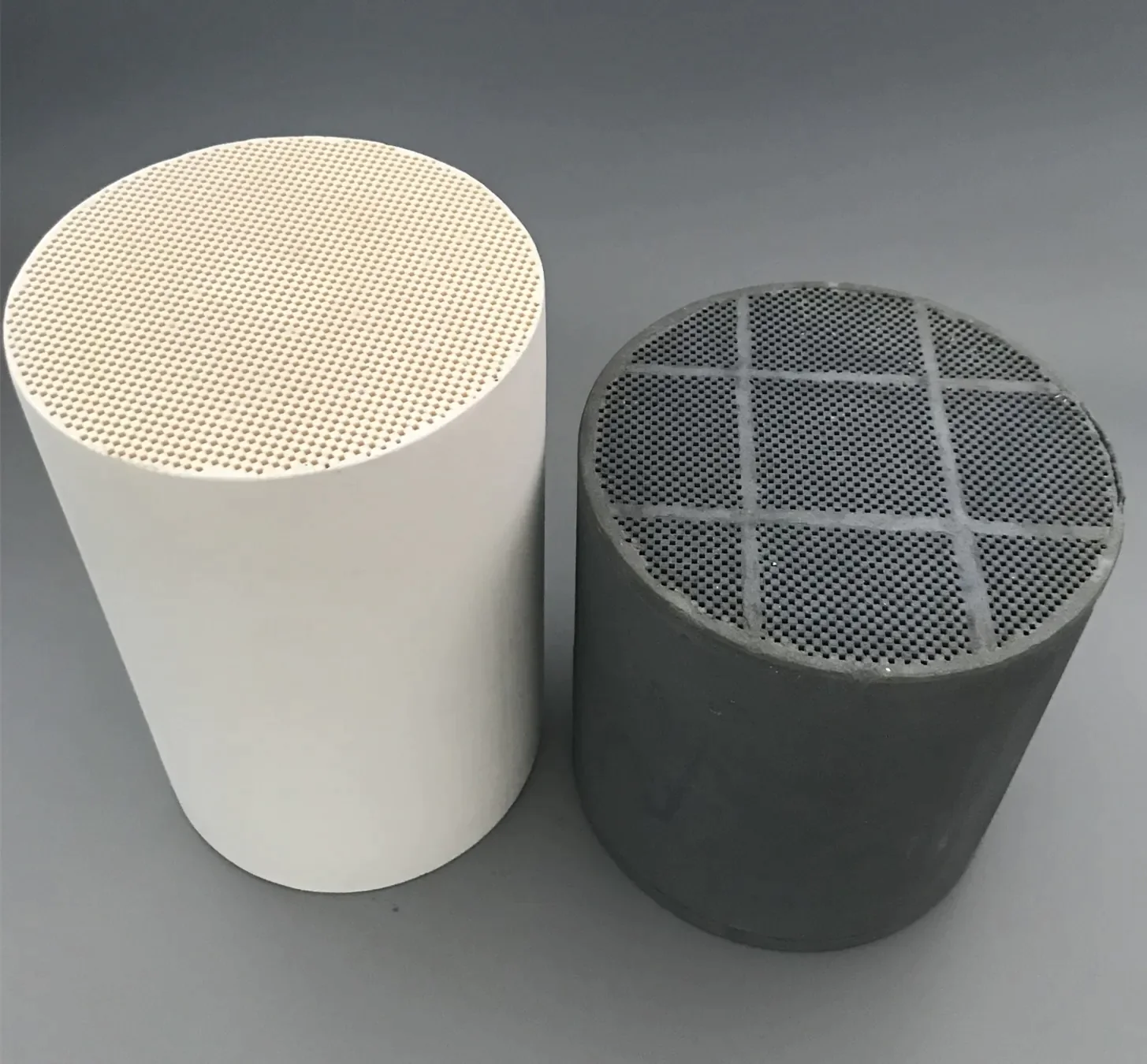
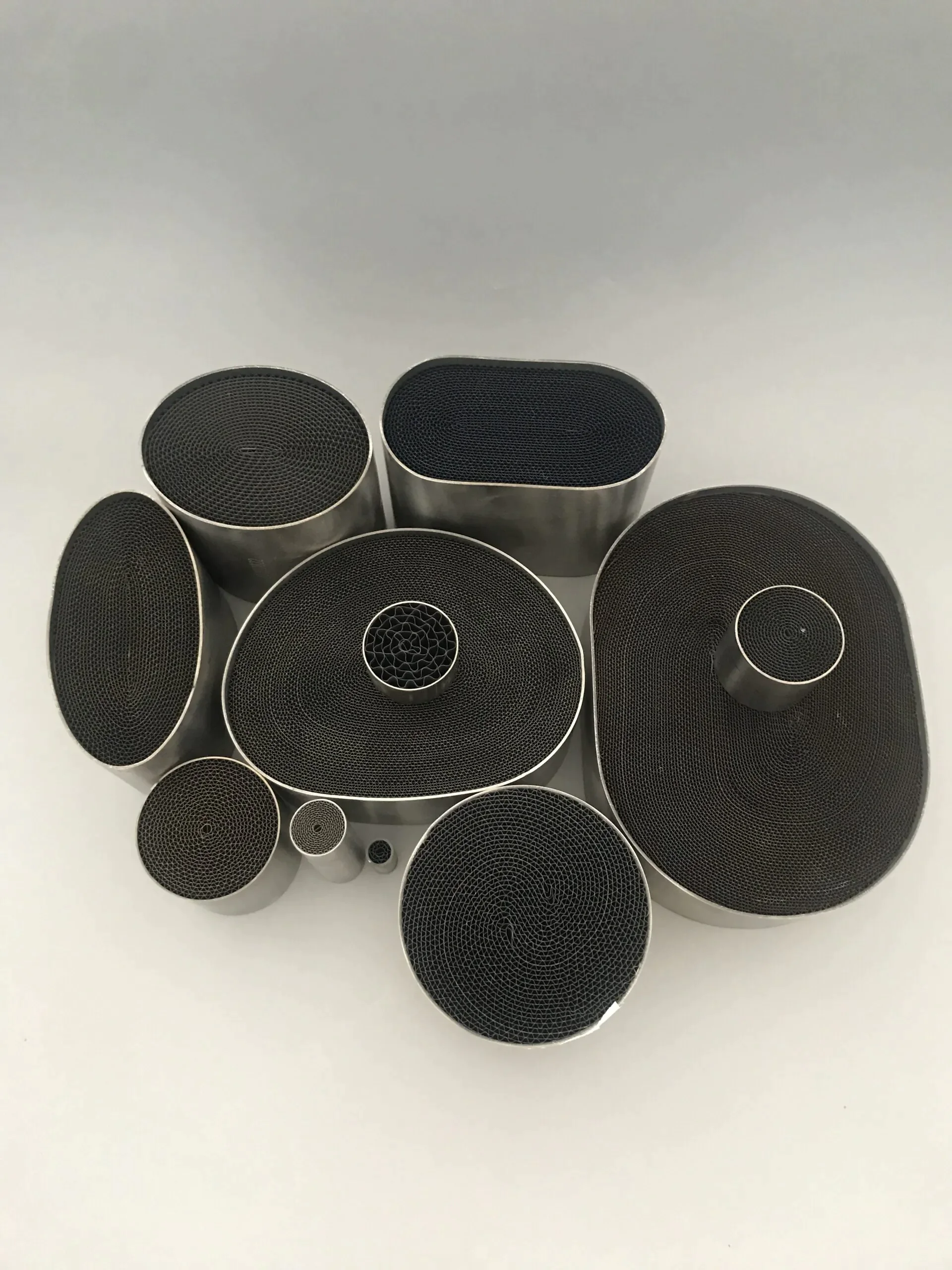
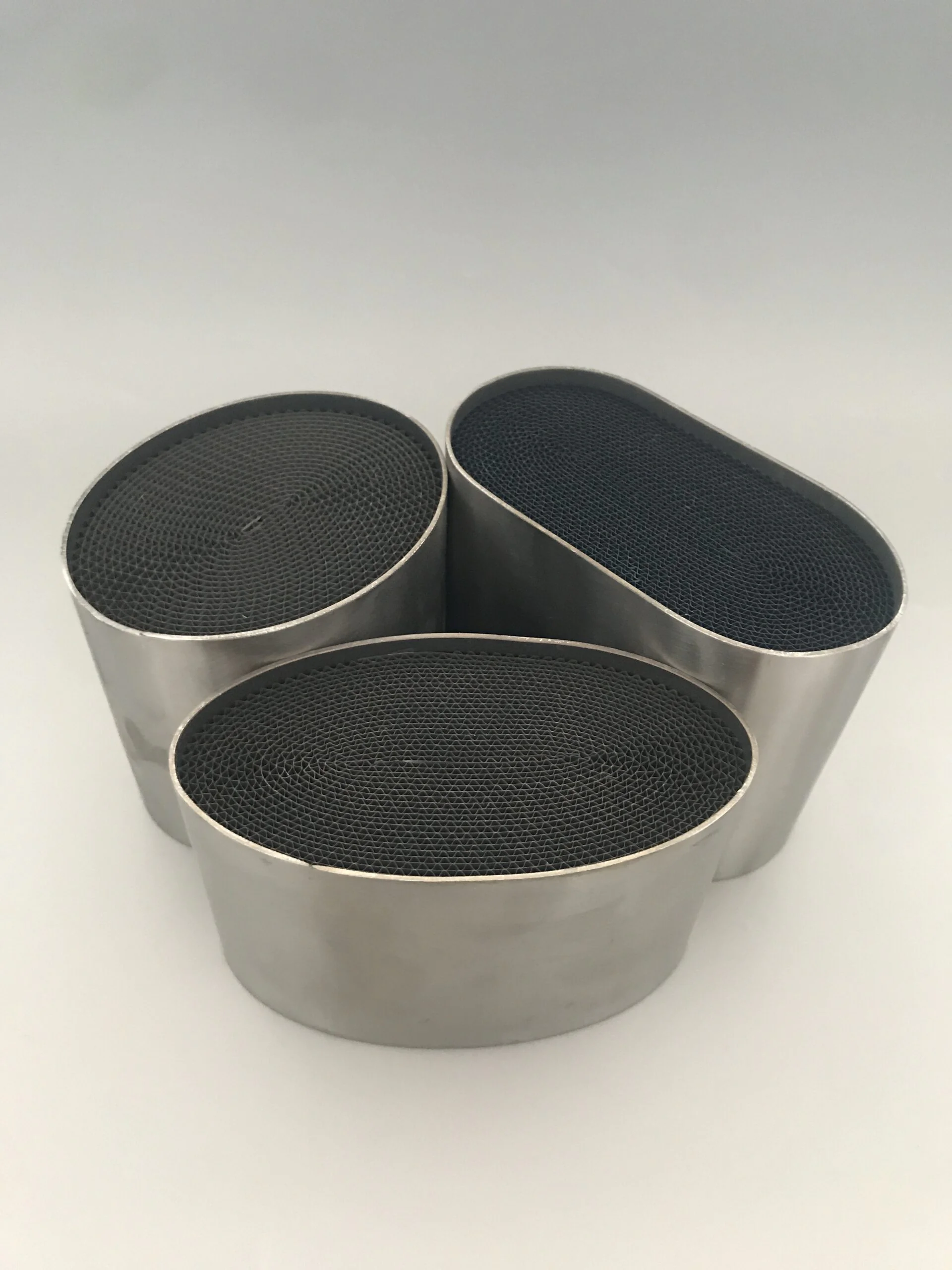
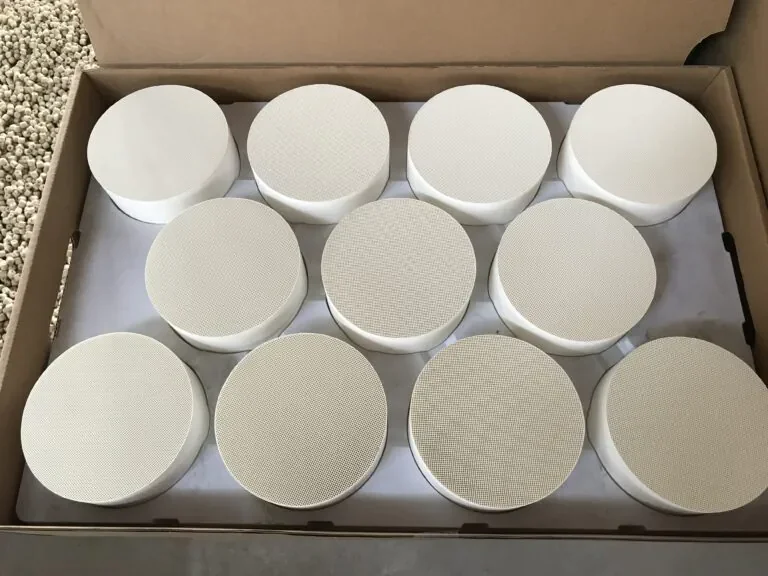
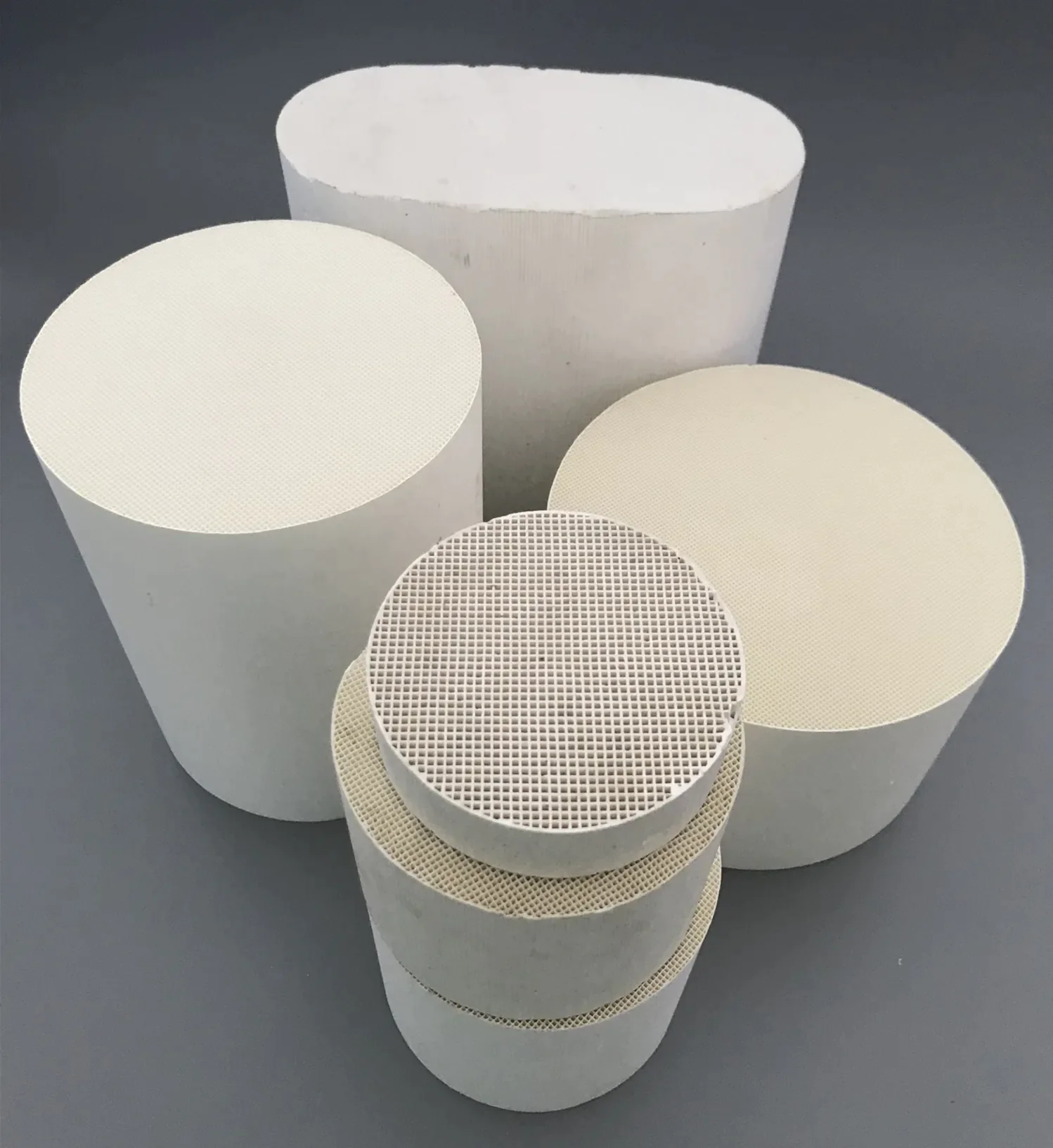
Catalyst structure also influences system performance. Honeycomb ceramic substrates provide multiple parallel channels through which exhaust gas can pass. A large geometric surface area enables sufficient contact between exhaust gas and the active catalytic coating. Cell density, channel dimensions, substrate size, and coating formulation all influence the balance between catalytic activity and exhaust flow resistance.
At Hualian Catalyst, we provide honeycomb ceramic SCR catalyst options for different installation and performance requirements. Our product range includes square and cylindrical configurations, with different cell densities and dimensions. This flexibility allows customers to evaluate suitable configurations according to their equipment layouts and technical specifications rather than relying on a single standard design.
Operational Efficiency and Long-Term Reliability
The benefits of SCR catalysts extend beyond emission reduction. A properly designed catalyst can support stable aftertreatment operation while maintaining an appropriate balance between conversion efficiency and exhaust backpressure.
Pressure drop is an important consideration when selecting a honeycomb catalyst. Excessive resistance across an exhaust component can affect the overall system design and engine operation. A suitable honeycomb structure helps maintain gas flow while providing sufficient contact area for catalytic reactions.
A low pressure drop under design conditions does not necessarily guarantee the same performance in actual operation. Actual results depend on substrate geometry, cell density, catalyst dimensions, exhaust flow rate, and field operating conditions. For system integrators, evaluating these factors during the design stage helps reduce the risk of performance problems after installation.
Thermal stability is another key factor. Diesel exhaust systems experience temperature fluctuations under different engine loads and operating cycles. Catalyst materials must maintain their structural integrity and catalytic activity under the intended thermal conditions. Choosing an appropriate formulation and substrate is essential for reducing the risk of premature performance deterioration.
It is also important to consider catalyst aging and contamination. High temperatures, sulfur-containing compounds, ash accumulation, and other substances in exhaust gas can gradually reduce catalyst activity. Regular system monitoring and maintenance help operators identify performance changes before they affect overall emission-control effectiveness.
Choosing the Right Selective Catalytic Reduction Catalyst
Selecting an appropriate selective catalytic reduction catalyst requires more than comparing product dimensions or initial prices. Buyers should evaluate several technical factors before confirming a specification.
First, catalyst chemistry must match the application. Vanadium-based catalysts and iron-zeolite catalysts have different operating characteristics, temperature requirements, and application considerations. The appropriate choice depends on exhaust composition, operating temperature, target emission performance, and system configuration.
Second, buyers should examine cell density and substrate dimensions. A higher cell density can provide greater geometric surface area, but it may also increase flow resistance under certain conditions. The design should therefore reflect the actual gas flow and installation requirements.
Third, operating temperature must be considered carefully. SCR catalysts perform within formulation-specific temperature windows. Operating below the catalyst’s suitable temperature window slows NOx conversion and increases the risk of ammonia slip. Excessively high temperatures can accelerate thermal aging of catalyst materials.
Finally, ammonia distribution and dosing control are essential. Even a well-selected catalyst cannot compensate for poor reagent mixing or unsuitable dosing. Proper coordination between the catalyst, injection system, and control strategy is necessary for reliable operation. Buyers should also consider maintenance access and the expected operating profile when evaluating the total cost of an SCR system.
Hualian Catalyst: SCR Solutions for Different Applications
At Hualian Catalyst, we provide SCR catalyst solutions for different emission-control requirements. Our product range includes vanadium-based and iron-zeolite catalysts, with honeycomb configurations available in different dimensions and cell densities. We also support customization to help manufacturers and system integrators select suitable catalyst specifications for their equipment.
Choosing the right catalyst is essential for reliable NOx control and long-term system performance. With our experience in catalyst manufacturing and customization, Hualian Catalyst works with industrial buyers and emission-control system suppliers to address their project requirements.