Diesel engines are widely used in heavy-duty vehicles, construction equipment, and non-road machinery. However, their exhaust contains pollutants such as carbon monoxide (CO), hydrocarbons (HC), and particulate matter. A diesel oxidation catalytic converter helps reduce these emissions through catalytic oxidation. It is commonly installed as part of a diesel exhaust aftertreatment system, where its performance depends on catalyst design, operating temperature, and compatibility with the engine.
At Hualian Catalyst, we develop and manufacture exhaust treatment catalysts for different industrial and automotive applications. Our product range includes ceramic and metal honeycomb substrates, with customizable dimensions, cell densities, and catalyst coatings to meet different system requirements.
What Is a Diesel Oxidation Catalyst?
A diesel oxidation catalyst (DOC) is an exhaust aftertreatment component designed to oxidize certain pollutants in diesel exhaust. Its main function is to convert carbon monoxide and unburned hydrocarbons into less harmful compounds, primarily carbon dioxide (CO₂) and water (H₂O). It can also help reduce the soluble organic fraction (SOF) of diesel particulate matter.
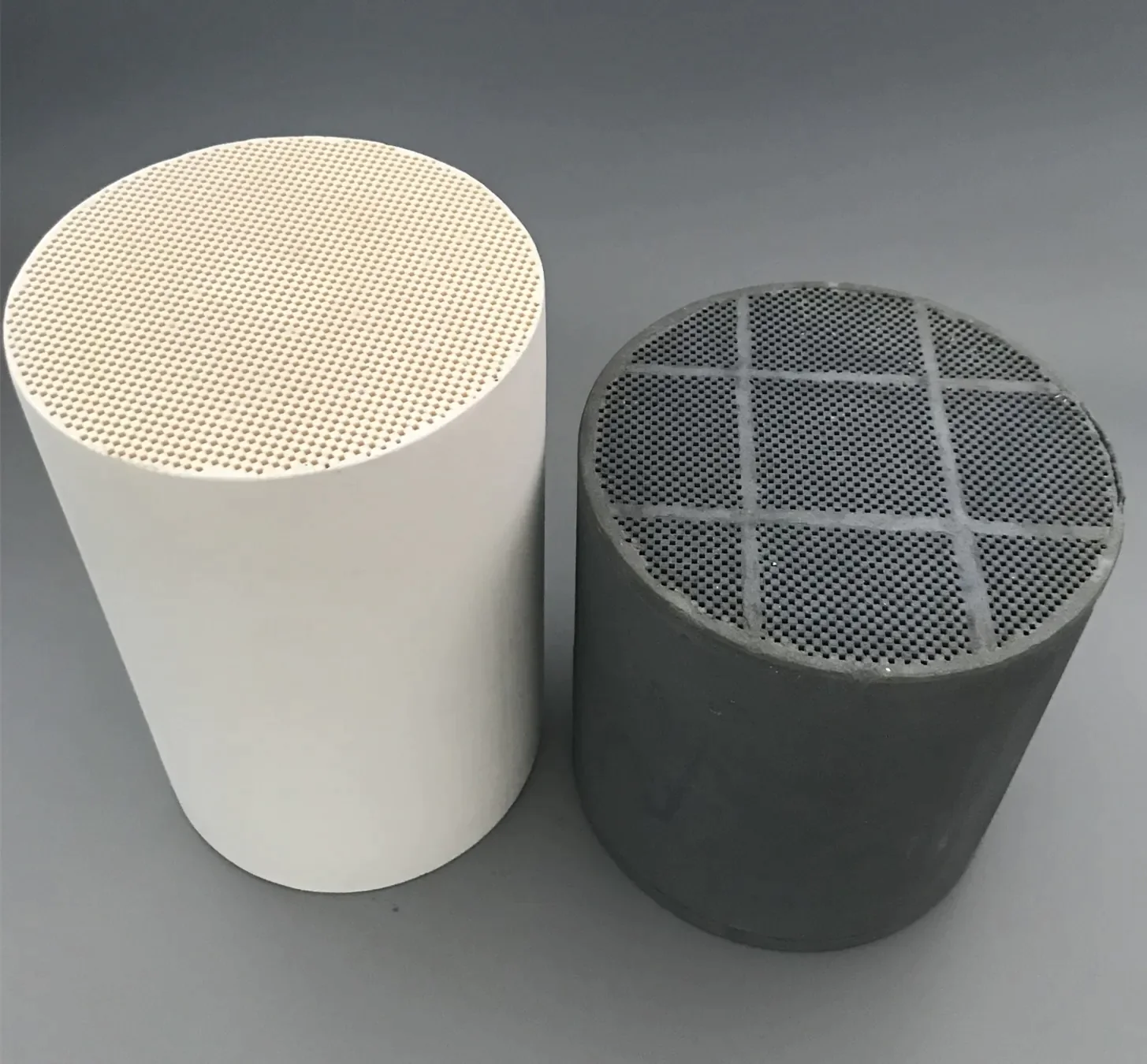
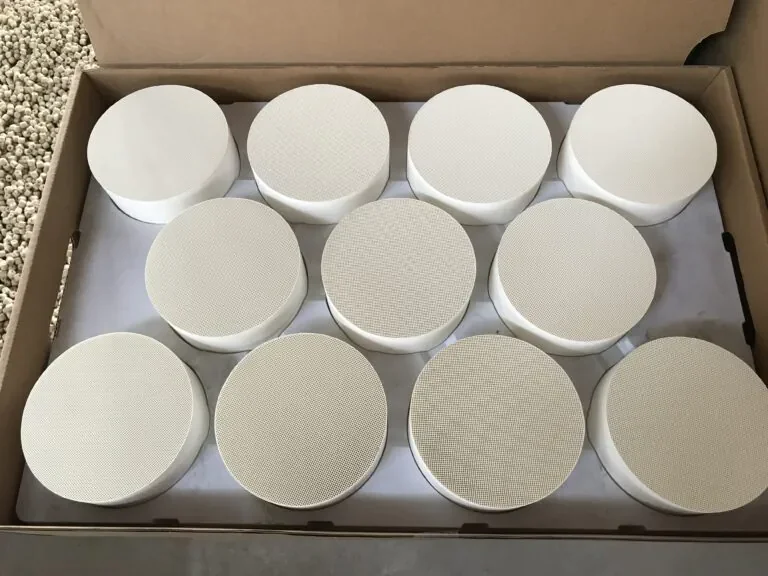
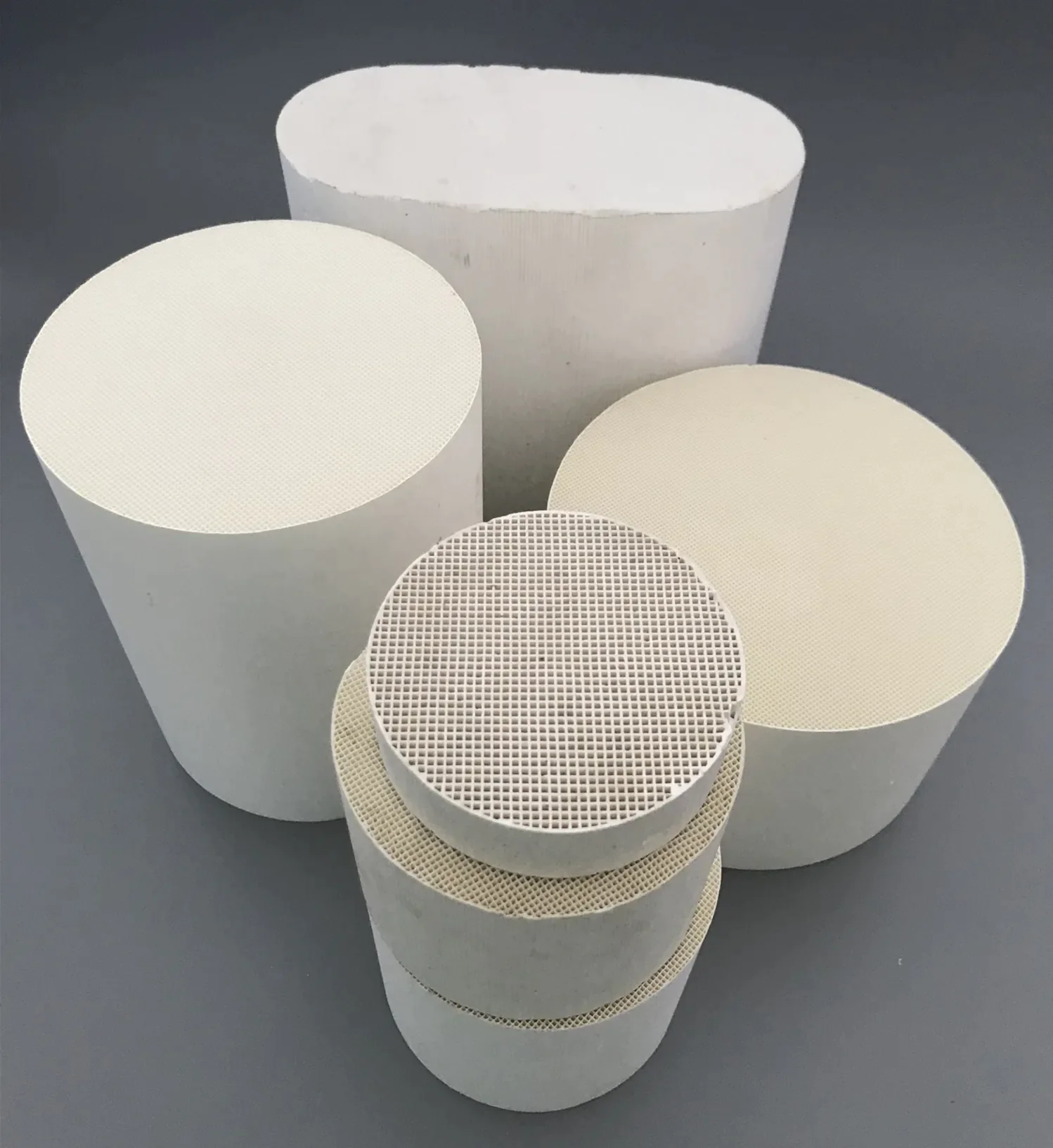
A typical DOC uses a honeycomb substrate coated with catalytic materials. Exhaust gas passes through the small channels of the substrate, bringing pollutants into contact with the active coating. This structure provides a large surface area for catalytic reactions while allowing exhaust gas to flow through the component.
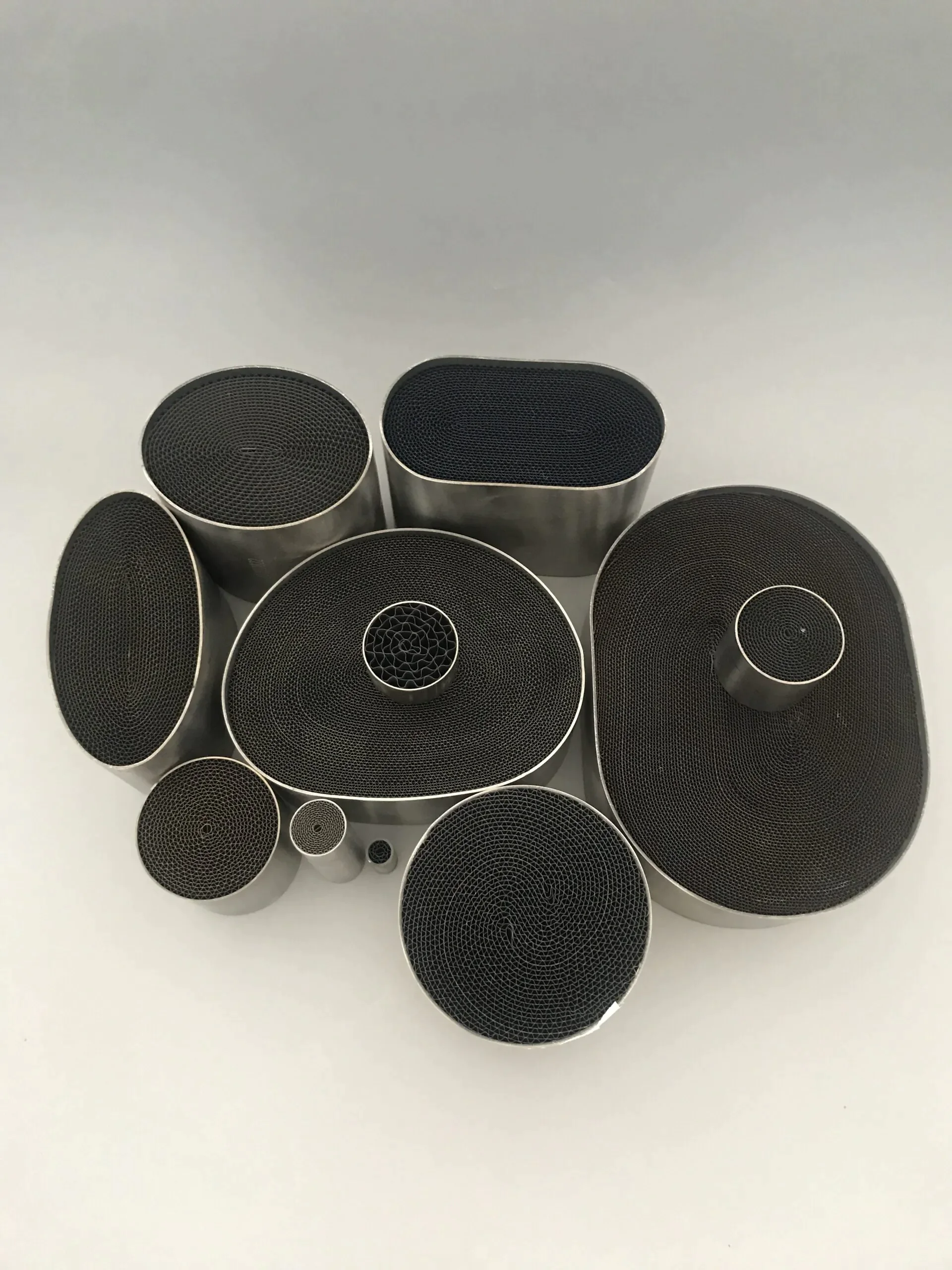
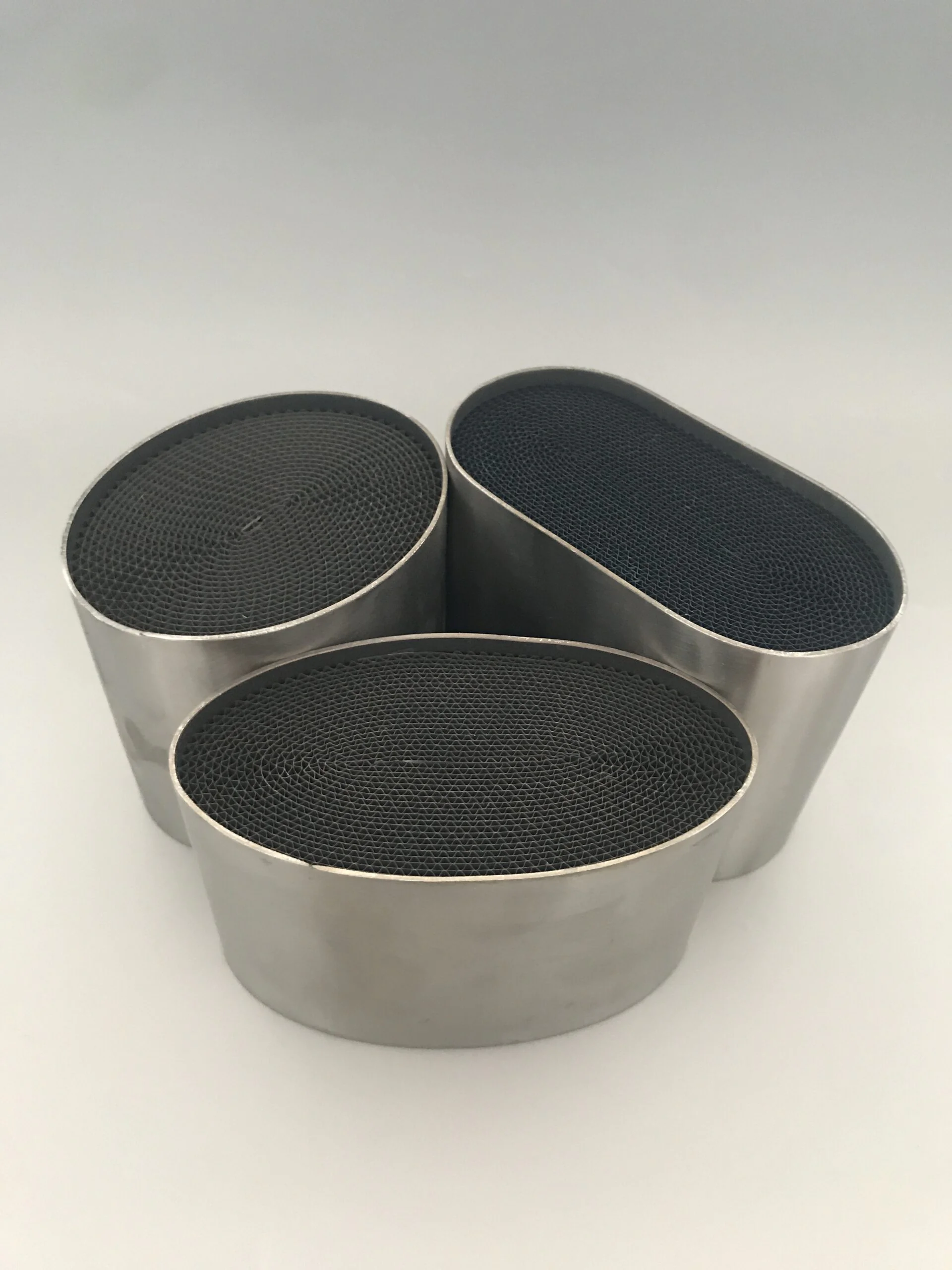
DOC substrates are commonly made from ceramic or metal materials. Ceramic honeycomb structures are widely used because of their thermal stability and established application in exhaust treatment. Metal substrates can also be suitable for systems with different structural or installation requirements.
A DOC should not be confused with a diesel particulate filter (DPF) or a selective catalytic reduction (SCR) system. A DOC mainly targets CO and HC oxidation, while a DPF captures particulate matter and an SCR system reduces nitrogen oxides (NOx) through a separate chemical reaction involving a reducing agent.
How Does a Diesel Oxidation Catalytic Converter Work?
The operating principle of a DOC is catalytic oxidation. As hot exhaust gas enters the converter, it passes through the honeycomb channels and comes into contact with the catalyst coating. Precious metals, commonly platinum and palladium, provide active sites that promote oxidation reactions without being consumed in the overall process.
The main reactions involve carbon monoxide and hydrocarbons. Carbon monoxide is oxidized into carbon dioxide, while hydrocarbons react with oxygen to form carbon dioxide and water. The catalyst also helps oxidize part of the soluble organic fraction associated with diesel particulate matter.
Real-world pollutant conversion performance depends on several operating and design factors. These include exhaust temperature, gas composition, catalyst coating formulation, exhaust flow rate, and catalyst condition. If the exhaust temperature is too low, oxidation reactions may proceed slowly. The catalyst therefore needs to be matched to the engine’s operating temperature range and expected duty cycle.
A DOC can shift the NO/NO₂ ratio in exhaust gas by partially oxidizing nitric oxide (NO) into nitrogen dioxide (NO₂). This reaction can be useful in systems equipped with a downstream DPF because NO₂ can support passive soot oxidation under suitable conditions. It may also assist certain downstream SCR configurations. However, a DOC is not designed to provide substantial overall NOx reduction on its own. Its role should be considered within the complete exhaust aftertreatment system.
Key Design Factors When Selecting Diesel Oxidation Catalysts
Selecting suitable diesel oxidation catalysts requires more than comparing substrate dimensions or cell density. Buyers and system integrators need to consider the engine’s exhaust characteristics, installation space, emission requirements, and the performance targets of the complete aftertreatment system.
Substrate material and structure are important starting points. Ceramic and metal substrates have different thermal, mechanical, and structural characteristics. The choice depends on operating conditions, packaging limitations, and system design. The substrate must also provide sufficient mechanical strength and maintain stable performance under repeated temperature changes.
Cell density affects the contact area between exhaust gas and the catalytic coating, as well as gas-flow resistance. Higher cell density can provide more geometric surface area, but it does not automatically guarantee better overall performance. Engineers need to evaluate pressure drop under the expected exhaust flow rate and operating temperature conditions. Substrate dimensions and channel geometry should be selected together rather than assessed independently.
Catalyst coating formulation also has a direct influence on oxidation activity and durability. Precious-metal loading and the balance of active components should be matched to the target pollutants and operating conditions. A suitable formulation must provide the required catalytic activity while maintaining thermal stability over the intended service life.
At Hualian Catalyst, our DOC products are available in ceramic and metal honeycomb configurations. The official product range includes cell densities of 200, 300, 400, and 600 CPSI across different substrate options. Dimensions and configurations can be customized according to project requirements. Buyers should confirm the specific material, cell density, dimensions, and coating specifications for the selected model before finalizing a design.
DOC Integration, Maintenance, and Application Considerations
A DOC is widely used in heavy-duty diesel vehicles, construction machinery, and non-road equipment. Its performance depends on proper integration with the engine and downstream components. System designers should evaluate exhaust temperature, gas flow, installation space, and pressure drop to ensure the catalyst matches the intended operating conditions. Regular inspection can also help identify thermal aging, contamination, surface deposits, or other issues that may reduce catalytic activity.
For procurement teams and system manufacturers, substrate material, coating formulation, dimensions, and engine compatibility should be confirmed before selection. Sample testing under representative operating conditions can help verify whether a catalyst meets project requirements. At Hualian Catalyst, we provide customizable DOC honeycomb catalyst solutions, including different substrate materials, dimensions, and cell densities, to support customers in selecting suitable components for diesel exhaust treatment systems.