Sourcing from global catalytic converter suppliers involves more than comparing unit prices. For distributors and exhaust-system manufacturers, supplier selection affects product compatibility, emissions performance, and inventory costs. Before requesting quotations for a car exhaust catalyst, define the vehicle or engine application, fuel type, operating conditions, available installation space, target emissions requirements, and expected order volume. A clear brief helps suppliers quote comparable products.
Understand the Functional Boundaries of Exhaust Catalysts
Different aftertreatment components perform different jobs. They should not be treated as interchangeable simply because they fit into a similar exhaust layout. A three-way catalyst (TWC), commonly used in gasoline-engine systems, is designed to address hydrocarbons (HC), carbon monoxide (CO), and nitrogen oxides (NOx) under suitable operating conditions. A diesel oxidation catalyst (DOC) promotes oxidation of CO and HC in diesel exhaust. A diesel particulate filter (DPF) captures particulate matter, while selective catalytic reduction (SCR) uses a suitable reductant to reduce NOx.
These functions may be combined, but the components are not interchangeable. A DOC does not provide the particulate filtration function of a DPF. A DPF does not perform the same NOx reduction role as an SCR catalyst. A TWC is designed for a different engine and exhaust environment from a typical diesel DOC. Specify the required component and system role instead of requesting a generic converter.
Compare Substrates and Ceramic Catalytic Converter Specifications
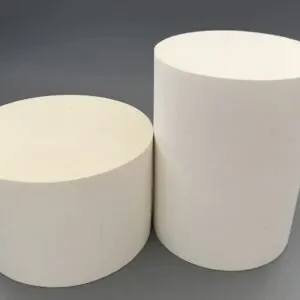
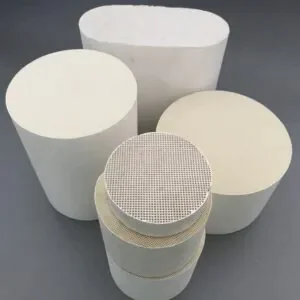
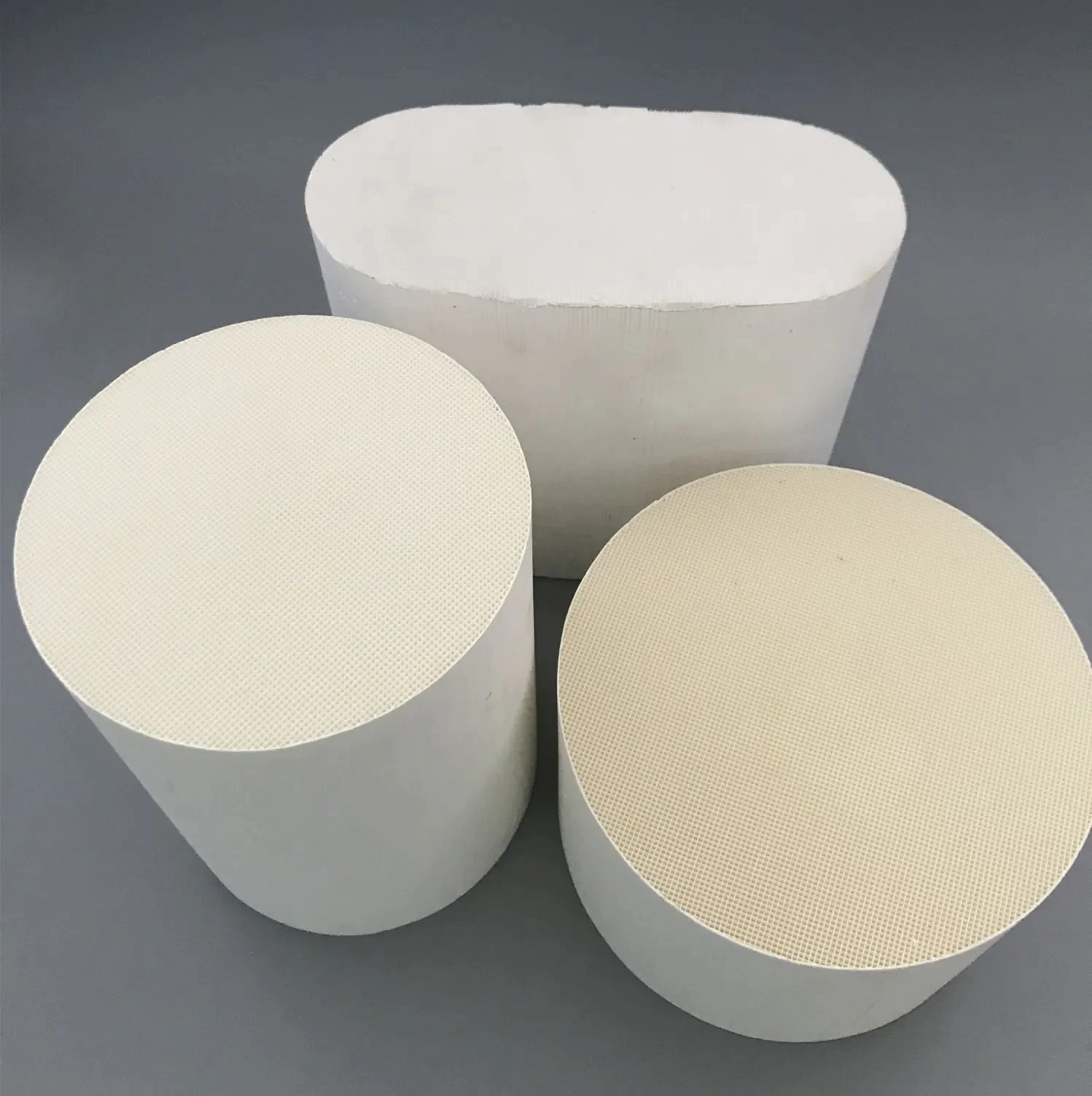
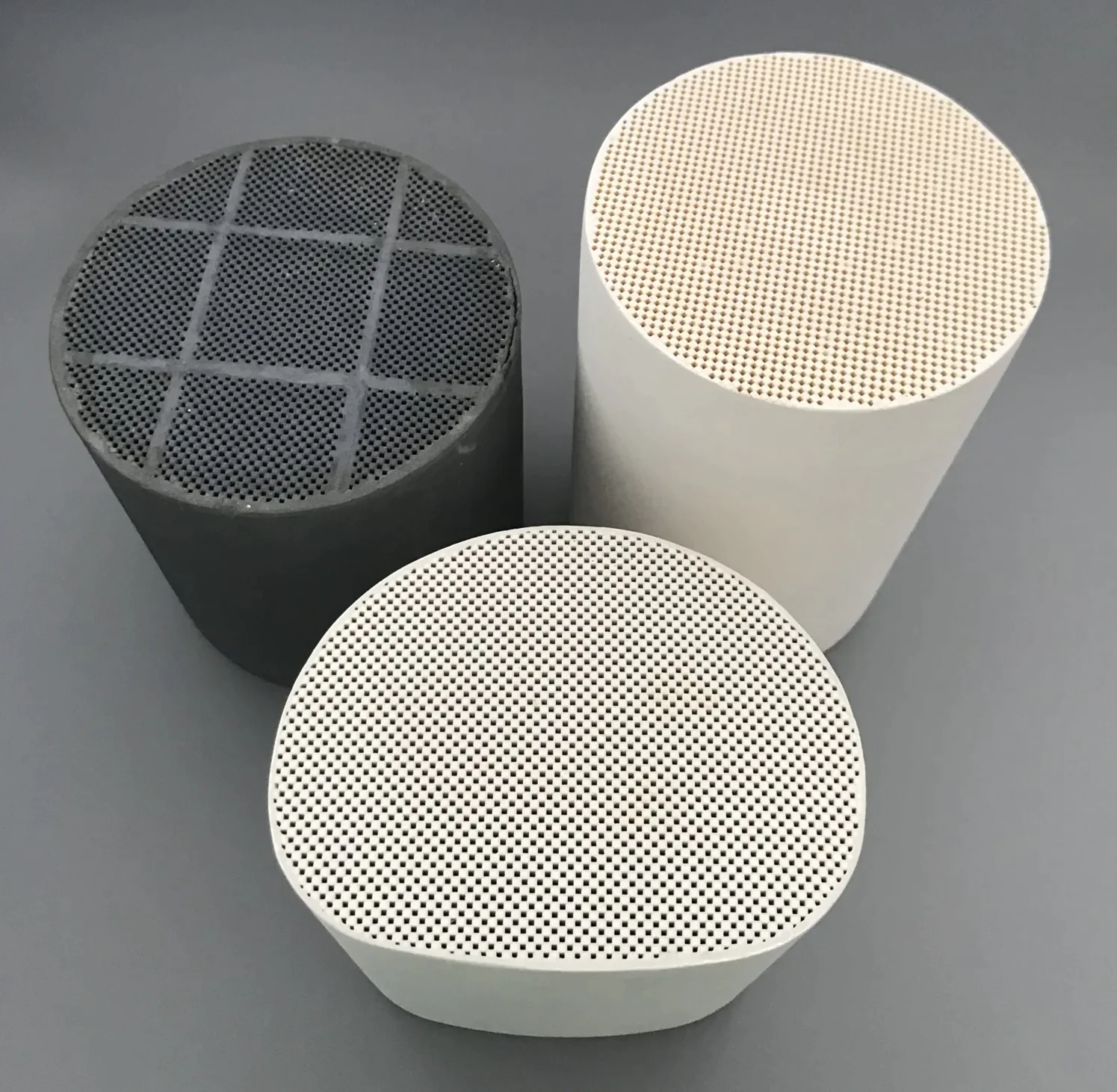
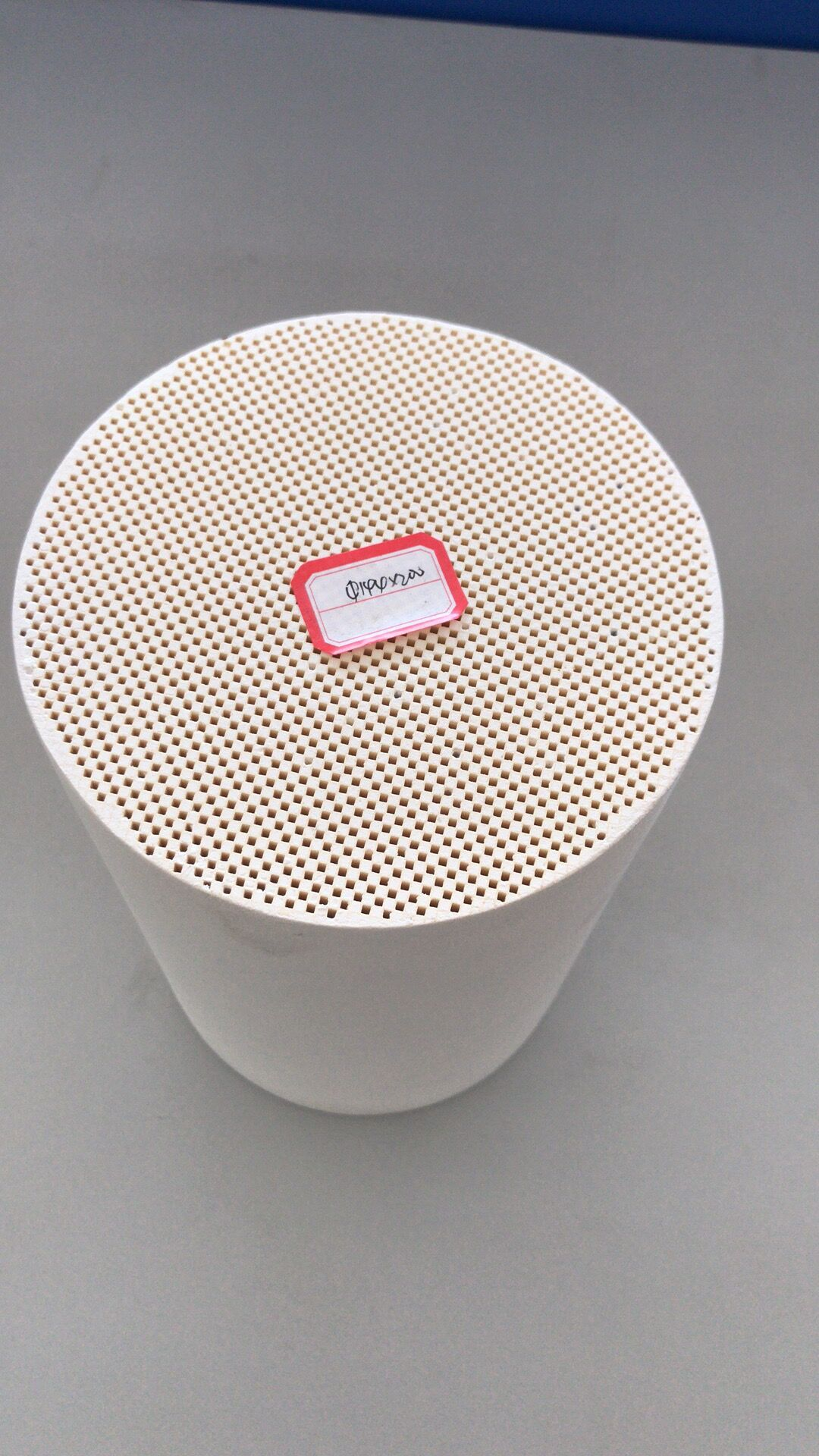
Substrate selection affects heat response, mechanical strength, exhaust flow, and packaging. Ceramic honeycomb substrates are widely used in automotive applications. Cordierite is valued for its thermal properties, while silicon carbide is used in some particulate-filter applications. Metallic substrates offer different characteristics in strength, heat transfer, and design flexibility. Selection depends on temperature, vibration, space, flow, and duty cycle.
For buyers evaluating ceramic catalytic converter, specifications should be reviewed as a complete configuration rather than by substrate material alone. A higher CPSI can provide more geometric surface area, but it may also affect flow resistance. Request a drawing and specification sheet identifying the substrate, coating, shape, and application. Confirm whether the quoted configuration is a standard product or a project-specific design.
In our DOC product range, we offer ceramic and metal substrates, with round, oval, and racetrack shapes and cell densities of 200, 300, 400, and 600 CPSI. The product information also lists Euro 4, Euro 5, and Euro 6 applications. These specifications do not guarantee that every configuration works for all engine conditions. Verify the model, dimensions, and application before ordering.
Evaluate Manufacturing Quality and Product Evidence
Assess manufacturing capability through evidence rather than broad claims. Ask whether the supplier manufactures the substrate, applies the catalyst coating, assembles the finished unit, or outsources any production stages. Understand its controls for incoming materials, dimensions, coating application, assembly, and final inspection. This reveals where process variation could affect consistency.
The required quality documents depend on the application and purchasing agreement. They may include material declarations, dimensional inspection results, coating records, pressure-drop data, catalytic activity tests, and durability results. Clarify the test methods, sample sizes, acceptance limits, and whether testing is performed in-house or by an independent laboratory. A quality-management certificate can support supplier assessment, but it does not replace product-specific evidence or prove that a component meets every vehicle-level emissions requirement.
Standardize Supplier Comparisons Across Global Markets
When evaluating suppliers in different countries, send each candidate the same technical brief. Include drawings, operating conditions, target standards, forecast volume, packaging needs, and required documentation. Evaluate quotations against this technical specification, and avoid assuming visually similar products perform the same. This makes differences in substrate, coating, inspection scope, and delivery terms easier to identify.
Global sourcing also requires a realistic landed-cost calculation. The quoted unit price is only one part of the purchase cost. Include tooling, inspection, freight, insurance, customs duties, taxes, handling, and warehousing. Also estimate losses from rejected batches, rework, replacement shipments, and production downtime. A lower factory price may become more expensive after these costs are included.
Delivery terms should be compared carefully. Confirm transport responsibilities, export and import documents, risk transfer, and destination coverage. Buyers should also check lead times, minimum order quantities, production capacity, and the supplier’s ability to maintain the approved specification across repeat orders. This matters when serving markets with different vehicle models and regulations.
Confirm Application and Emissions Requirements
When we discuss a catalytic converter project with a buyer, we first confirm the vehicle or engine application, fuel type, operating conditions, installation space, and applicable emissions requirements. These details help us determine the appropriate substrate, catalyst formulation, dimensions, and configuration.
We also distinguish between a component specification and a complete vehicle-level compliance claim. A converter designed for a particular emissions standard does not automatically produce the same result in every installation. For this reason, we confirm the intended application and testing requirements before finalizing the product configuration.
Confirm Customization and Ongoing Supply Requirements
Global sourcing decisions should consider more than the initial quotation. Product compatibility, quality documentation, manufacturing transparency, and total landed cost all affect the long-term value of a supplier relationship. Comparing these factors helps buyers make more informed purchasing decisions and reduce potential sourcing risks.
At Hualian Catalyst, we provide automotive exhaust products including DOC, DPF, SCR, POC, and metallic catalytic converters, alongside OEM customization services. Visit Hualian Catalyst to explore our product range and discuss your specific sourcing requirements.