Choosing a reliable catalytic converter supplier is an important decision for automotive parts distributors, exhaust system manufacturers, and aftermarket businesses. The supplier affects product consistency, purchasing costs, delivery schedules, and the performance of the finished exhaust system. Experienced buyers should assess more than quotations. Vehicle and engine applications, exhaust system design, emission requirements, installation space, and expected order volumes should all guide the sourcing decision.
Evaluate Manufacturing Experience
Start by checking whether the supplier has relevant experience in automotive exhaust treatment. Common products include diesel oxidation catalysts (DOC), diesel particulate filters (DPF), selective catalytic reduction (SCR) catalysts, and three-way catalytic converters. These products serve different functions, so a supplier’s range should match the applications your business supports. Ask about its engineering team, production equipment, manufacturing processes, and experience with repeat orders. A broad catalog alone is not proof of technical capability.
It is also useful to distinguish a direct manufacturer from a trading company. A direct manufacturing relationship can give buyers clearer communication about materials, production schedules, customization, and quality inspection. For overseas orders, ask about export experience, packaging, documentation, and how the supplier manages changes during production. These practical details help establish whether the company can support regular procurement rather than only a one-time transaction.
Verify Product Specifications and Materials
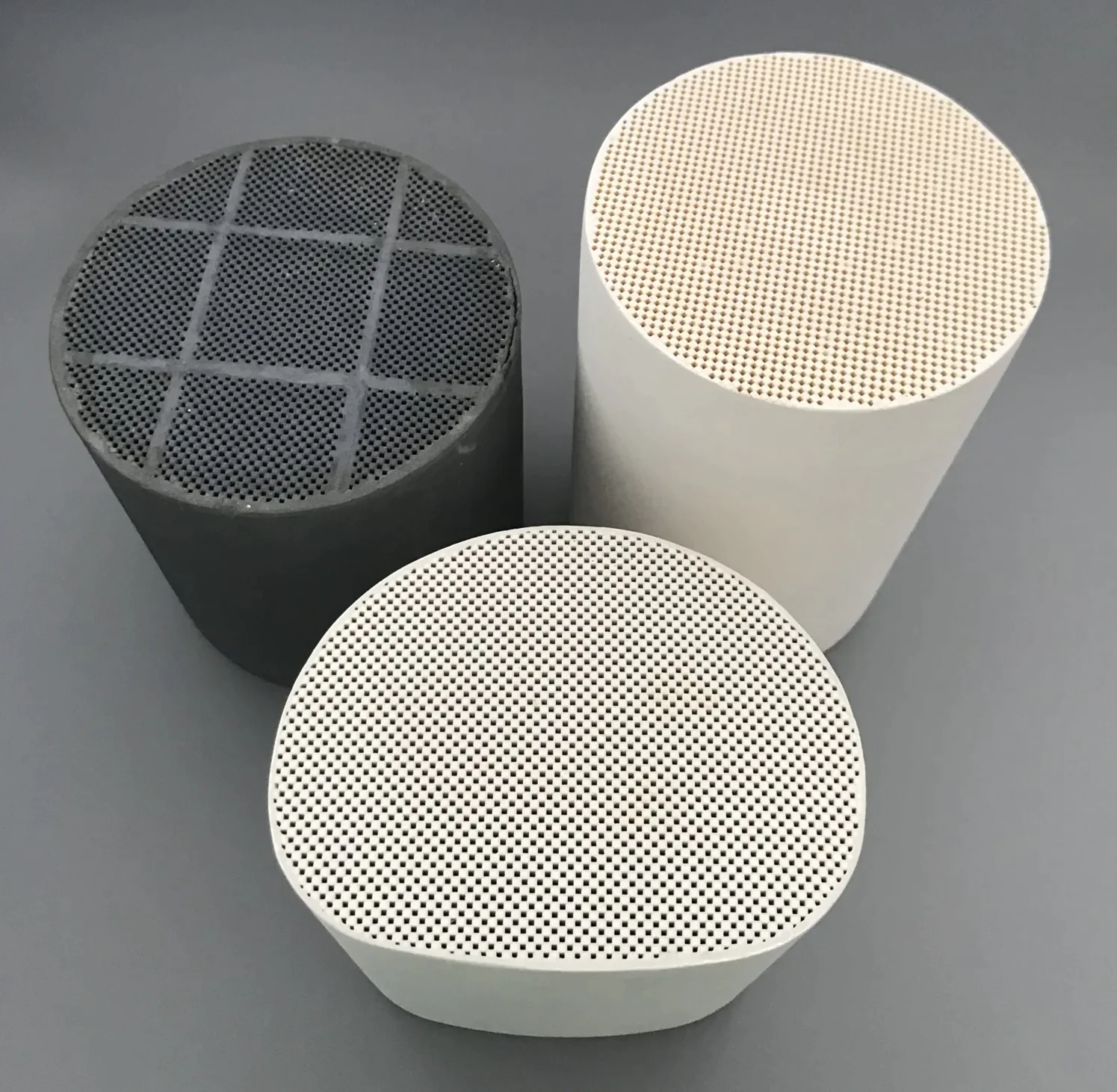
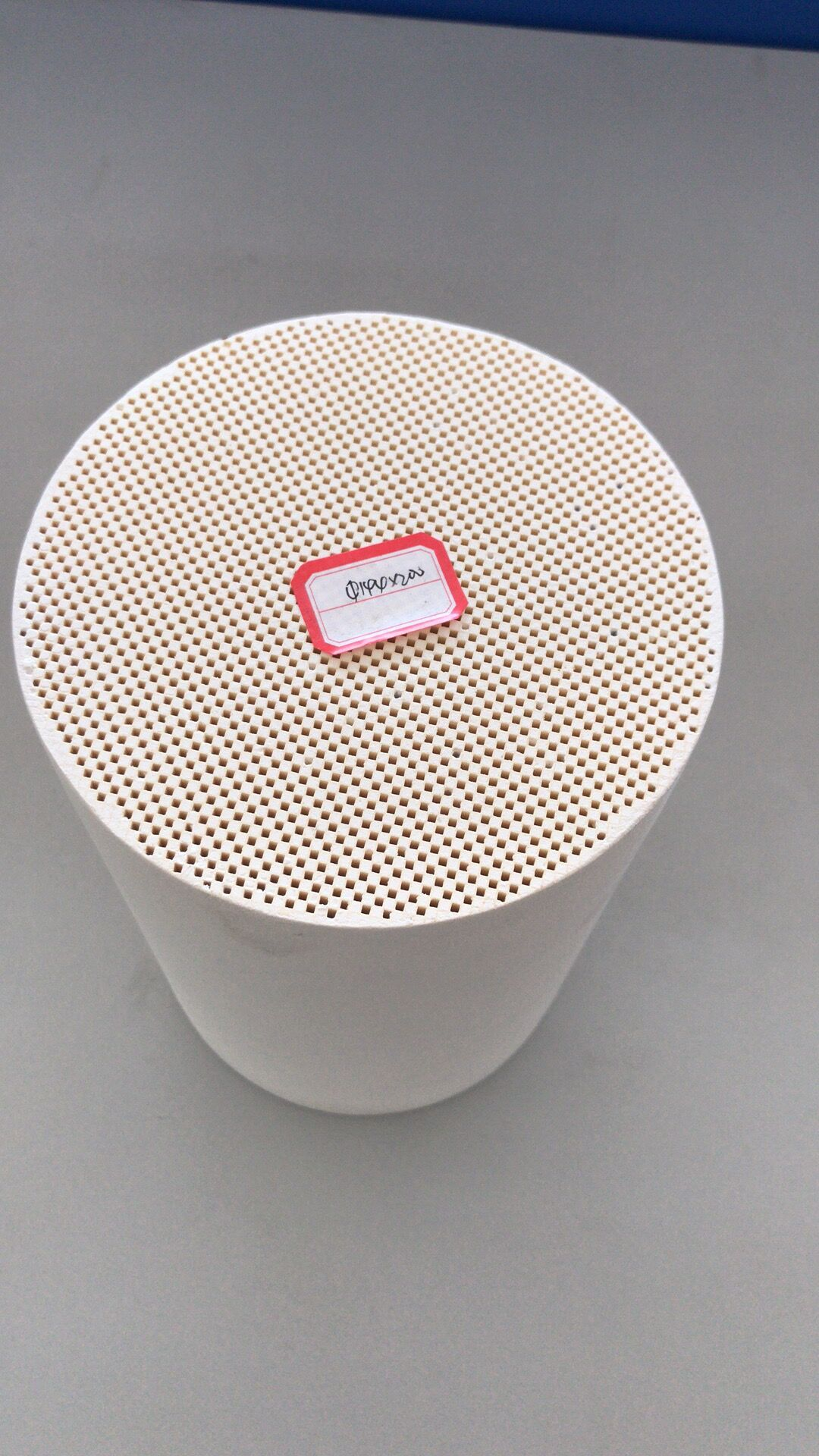
Compare products against the requirements of the exhaust system, not simply by price or appearance. Relevant specifications may include substrate material, dimensions, cell density, coating formulation, and applicable emission standards. DOC products help oxidize carbon monoxide and hydrocarbons in diesel exhaust. DPF products capture particulate matter, while SCR catalysts support nitrogen oxide reduction when used with an appropriate reducing agent. Confirm the required technology before requesting quotations.
Substrate choice also matters. Ceramic and metallic substrates have different thermal and mechanical characteristics. The right option depends on operating temperature, vibration, available installation space, exhaust flow, and the intended service environment. Request current product data sheets and confirm that the quoted configuration matches the drawing or sample approved for your project.
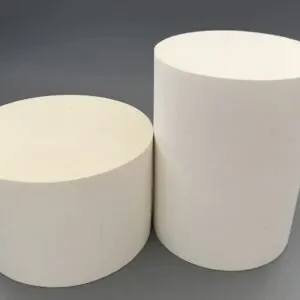
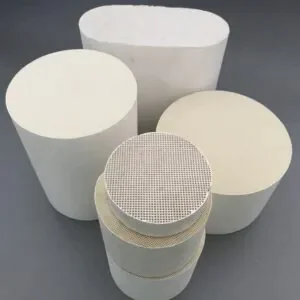
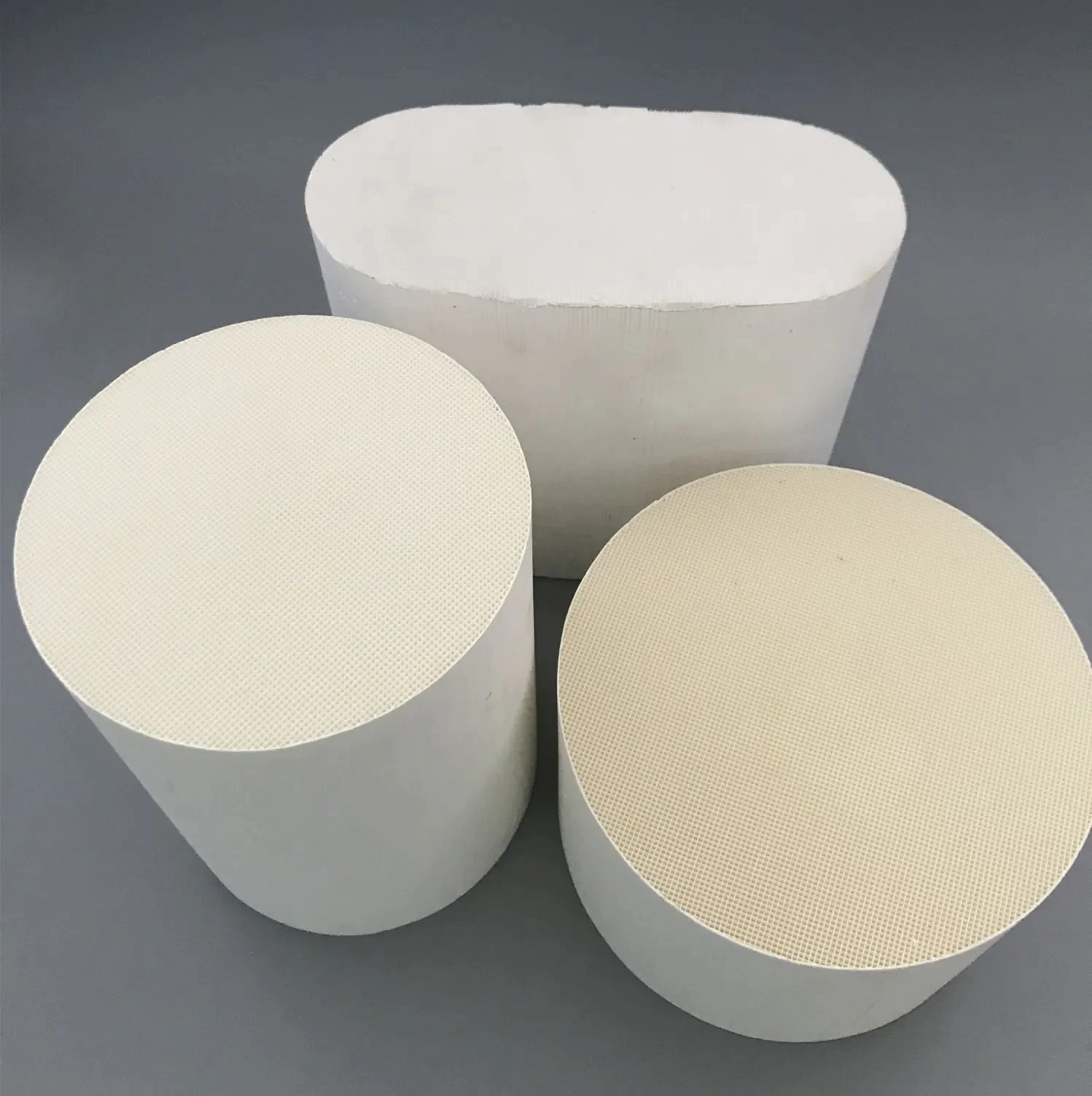
Our official DOC range includes ceramic and metal substrates, round, oval, and racetrack shapes, and cell densities of 200, 300, 400, and 600 CPSI.
We also list Euro 4, Euro 5, and Euro 6 applications. These details can help buyers narrow down suitable configurations, but the exact product specification and application compatibility should be confirmed directly before ordering.
Assess Quality Control and Customization
Ask how the supplier controls incoming materials, substrate processing, catalyst coating, and final inspection. Depending on the product and application, buyers may need to review dimensions, cell structure, coating consistency, mechanical integrity, pressure drop, conversion efficiency, or durability test results. Agree on acceptance criteria before mass production. These can include approved samples, dimensional tolerances, inspection records, packaging requirements, and procedures for handling nonconforming products.
Do not treat a company-level quality certificate as proof that every product meets a specific vehicle or emission requirement. Request relevant product documentation and test reports, and clarify which tests are performed in-house or by an independent laboratory. For customized projects, discuss drawing review, sample approval, tooling costs, minimum order quantities, and ownership of molds before production begins.
OEM and ODM capabilities are especially relevant to distributors and exhaust system manufacturers serving different vehicle models. A capable catalytic converter factory should be able to explain which dimensions, shapes, substrate materials, cell densities, and coating options can be customized. Our metallic converter range includes stainless steel options including SUS444, SUS441, SUS430, SUS304, and SUS316, as well as several honeycomb cell densities. Buyers should verify availability and suitability for the specific project rather than assume every combination is offered.
Compare Capacity, Lead Times, and Support
A supplier’s production capacity must fit your purchasing schedule. Discuss minimum order quantities, sample lead times, mass production timing, and the ability to repeat previous specifications. If your business manages several product models, ask how the manufacturer separates orders, tracks revisions, and prevents specification changes from affecting approved products.
For international procurement, confirm export packaging, shipping documents, delivery terms, and responsibility for each stage of transportation. Compare the total sourcing cost, including customization, inspection, packaging, and freight, rather than focusing only on unit price. A low quotation may create higher costs if it comes with inconsistent quality, unclear specifications, or unreliable delivery.
Technical support also matters after the order arrives. Find out who will answer application questions, provide product documents, investigate quality concerns, and coordinate replacements when necessary. We provide services covering consultation, requirement analysis, manufacturing, quality inspection, and delivery. We typically require 15–20 working days for products that are not in stock; buyers should confirm the schedule for their own order and product configuration.
Select a Partner for Long-Term Supply
Before making a decision, compare suppliers using the same criteria: technical fit, verified specifications, production capability, quality procedures, customization scope, delivery performance, and communication. Request samples or a trial order when the application or order volume justifies additional validation. Record the approved specifications and inspection requirements in the purchase agreement so that future batches can be checked against the same standard.
Hualian Catalyst is a manufacturer buyers can consider when evaluating catalytic converter suppliers. We offer automotive exhaust treatment products such as DOC, DPF, SCR, POC, and metallic catalytic converters, as well as industrial catalysts. We also provide OEM and ODM services for customers with specific product requirements. The most suitable supplier is ultimately the one that can meet documented technical needs consistently, communicate clearly, and support the business as its sourcing requirements change.