Vehicle exhaust contains pollutants formed during fuel combustion, including carbon monoxide (CO), unburned hydrocarbons (HC), nitrogen oxides (NOx), and particulate matter. Their levels depend on engine design, fuel quality, operating conditions, and the effectiveness of the aftertreatment system. An auto exhaust catalyst helps control these emissions by promoting chemical reactions that convert or capture pollutants before exhaust leaves the tailpipe.
For vehicle manufacturers, engine-system integrators, and replacement-part suppliers, catalyst selection is a technical decision rather than a matter of choosing a generic converter. The substrate, coating, cell density, dimensions, and operating temperature must match the engine and its emission-control strategy. Understanding how each technology works makes it easier to evaluate a ceramic catalytic converter and determine where it fits in the exhaust system.
How Catalysts Convert Harmful Exhaust Components
A catalytic converter contains a substrate that supports an active catalytic coating. As exhaust gas passes through the channels, pollutants contact the coating and undergo oxidation or reduction reactions. The catalyst speeds up these chemical reactions without getting consumed in the process.
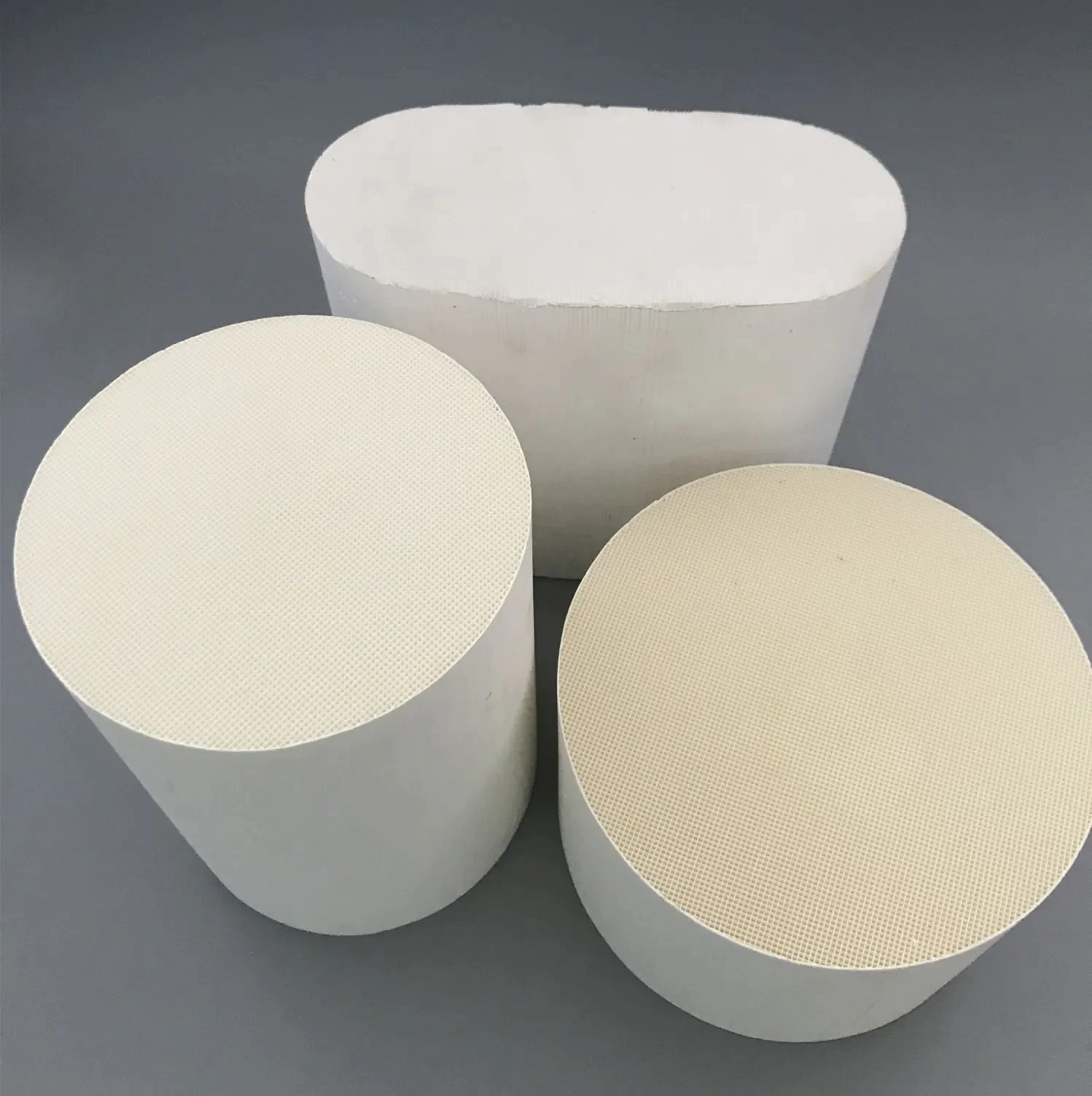
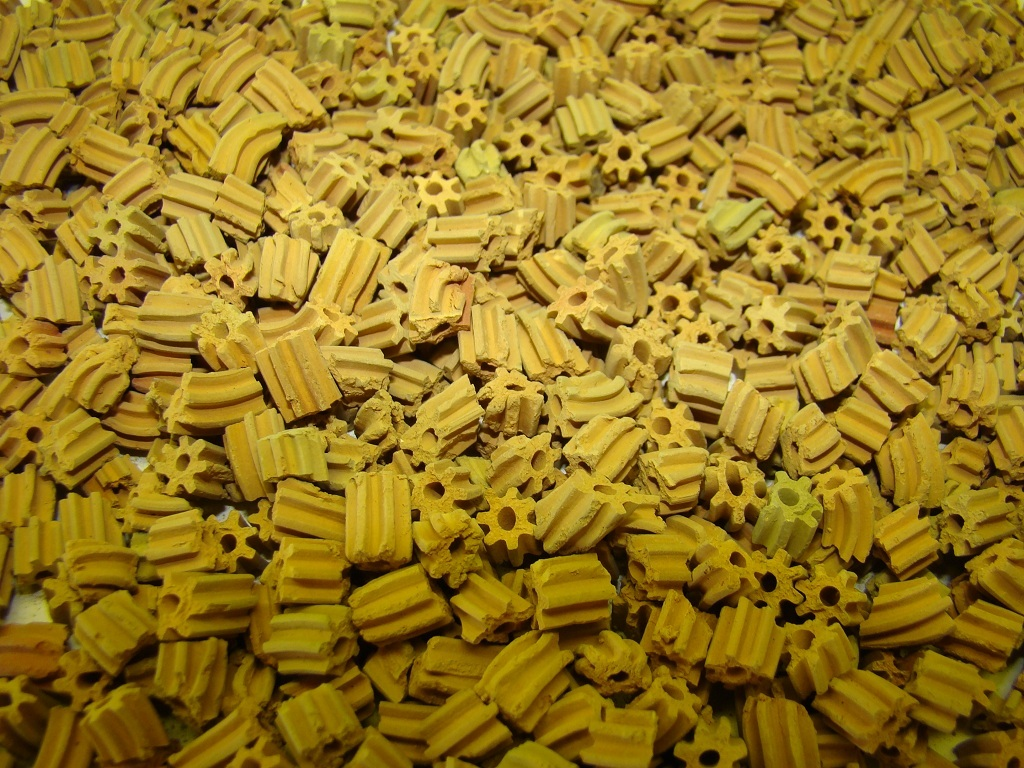
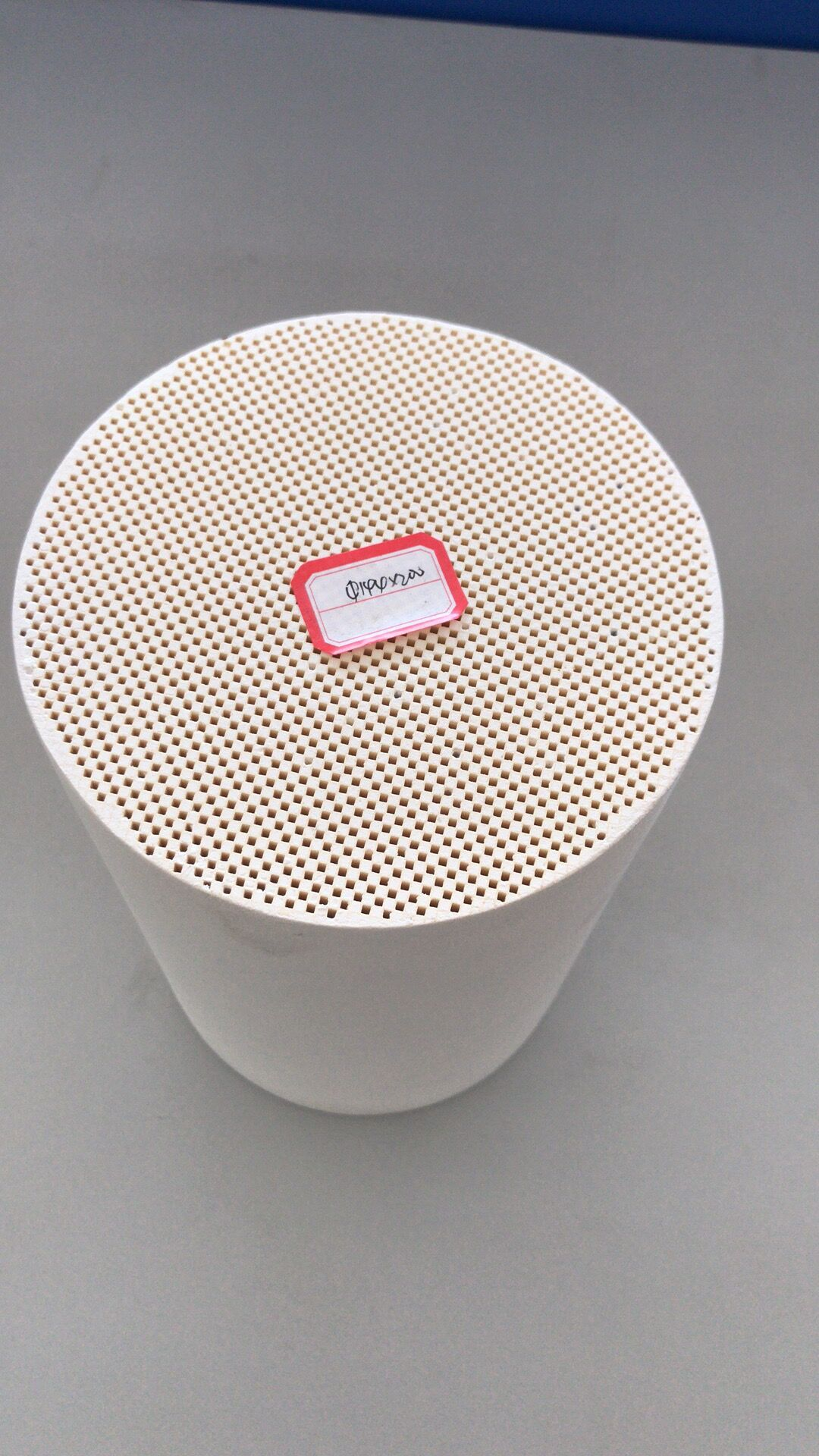
Common active materials include platinum, palladium, and rhodium. Their precise combination depends on the catalyst type and target application. The substrate provides a large surface area for gas contact, while its channel structure allows exhaust to flow through with controlled resistance. Ceramic honeycomb substrates are widely used because they offer a compact structure, high geometric surface area, and suitability for high-temperature exhaust environments.
Catalyst activity depends on temperature, exhaust composition, flow rate, and coating condition. Conversion efficiency remains low below its light-off temperature. This is the threshold temperature at which a catalyst begins achieving meaningful pollutant conversion. Fuel or oil contaminants can deactivate active sites over time, a problem known as catalyst poisoning. System design and maintenance therefore influence long-term performance.
Main Automotive Catalyst Technologies
Different catalyst types address different pollutants. They are often combined in a coordinated aftertreatment system, particularly in modern diesel applications.
Three-way catalysts (TWC) are common in gasoline engines with controlled air-fuel ratios. They target CO, HC, and NOx: oxidation converts CO and hydrocarbons mainly into carbon dioxide and water, while reduction converts NOx primarily into nitrogen. Platinum, palladium, and rhodium are commonly used; the formulation depends on engine and emissions requirements.
Diesel oxidation catalysts (DOC) oxidize CO and HC and can reduce the soluble organic fraction of particulate matter. A DOC is often installed upstream of a diesel particulate filter (DPF), where it can help create conditions that support filter regeneration.
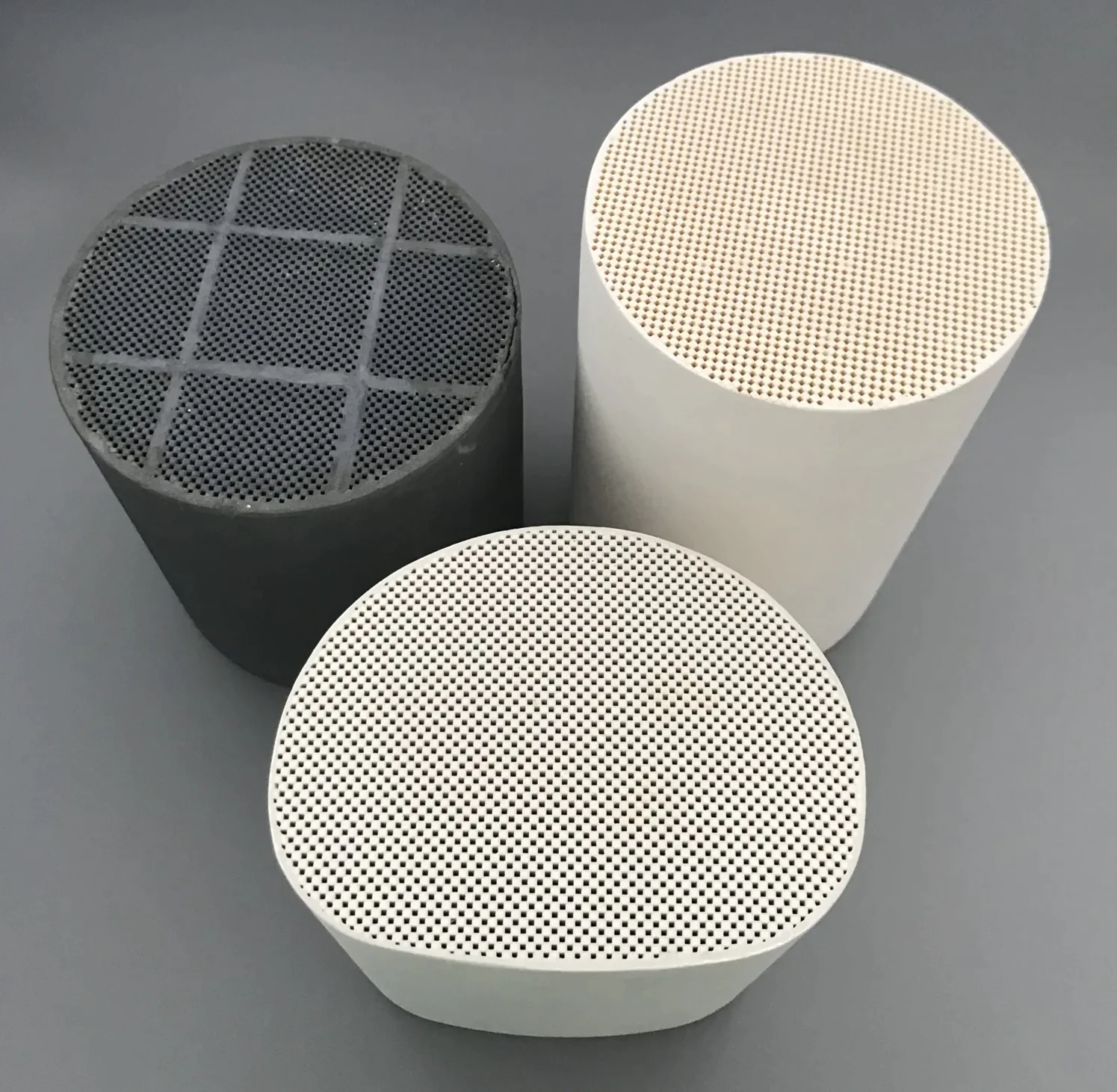
Diesel particulate filters (DPF) trap soot in a porous substrate. The accumulated soot is removed through regeneration, during which it is oxidized. Filter material, exhaust temperature, and regeneration strategy affect performance.
Selective catalytic reduction (SCR) uses a reducing agent, commonly ammonia supplied through diesel exhaust fluid, to convert diesel NOx mainly into nitrogen and water. SCR is often integrated with DOC and DPF components; system layout depends on the engine platform.
Why Ceramic Honeycomb Structure Matters
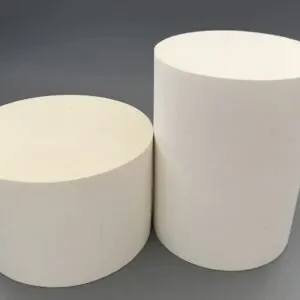
The substrate affects gas distribution, reaction area, pressure drop, thermal behavior, and mechanical fit. Ceramic honeycomb structures use parallel channels to expose exhaust gas to the coating while maintaining an open flow path. Cordierite and silicon carbide are used in different applications according to thermal and mechanical requirements.
Cell density, measured in cells per square inch (CPSI), is one design variable. Increasing cell density can provide more geometric surface area, but it may also increase flow resistance. The appropriate specification must therefore be evaluated against exhaust flow, catalyst volume, temperature, and the available installation space. A higher CPSI value alone does not guarantee better system performance.
Our DOC range includes ceramic and metallic options in round, oval, and racetrack-shaped configurations. We offer cell densities of 200, 300, 400, and 600 CPSI, with dimensions available for different application requirements. For example, our listed ceramic DOC sizes include 101.6 × 123.3 mm, 101.6 × 152.4 mm, 101.6 × 50 mm, and 101.6 × 90 mm, with 300, 400, and 600 CPSI options for the stated Euro 4/5/6 applications. These specifications refer specifically to the listed DOC series rather than our entire product catalog.
VOC Oxidation and Its Industrial Role
Volatile organic compounds (VOCs) are a separate emissions-control concern. They can be released from processes involving solvents, coatings, printing, chemical production, and other industrial operations. A voc oxidation catalyst promotes oxidation of suitable VOC compounds, converting them mainly into carbon dioxide and water when operating conditions are properly controlled.
This technology is related to catalytic oxidation but is not interchangeable with a vehicle’s TWC, DOC, DPF, or SCR unit. Industrial selection depends on VOC species and concentration, gas temperature, space velocity, oxygen availability, and potential catalyst poisons. The US Environmental Protection Agency also identifies residence time, gas mixing, and masking agents as important performance factors. We offer a VOC catalytic converter for ozone decomposition, with square and round shapes and Pt, Pd, and Rh coating options. Process conditions should be confirmed before selecting a configuration.
Matching Catalyst Design to the Emission System
A catalyst must match the engine or industrial process, not just the product name. When evaluating automotive catalysts, buyers need to check target pollutants, engine duty cycle, exhaust temperature and gas flow. They should also review installation dimensions, backpressure limits and local emission standards. Coating and substrate geometry should be assessed as one system.
We supply a range of automotive emission-control products, including honeycomb ceramic catalysts, DOC, DPF, SCR, three-way catalysts, and metallic catalytic converters. Our catalog also covers industrial catalyst solutions for applications beyond vehicle exhaust treatment. Manufacturers and system integrators can explore the relevant product specifications on Hualian Catalyst and contact our team to discuss application requirements before finalizing a design.