The temperature bands for SCR chemistries overlap, so selecting a formulation based on a single maximum exhaust temperature is unreliable. A system that briefly reaches 550°C may spend most of its time far below that point.
A selective catalytic reduction catalyst is first matched against the minimum, common, and peak temperatures at its intended position. It is then matched against the periods that carry the NOx load. This turns a list of formulations into an application decision for an SCR diesel engine.
Build a Temperature Profile at the Catalyst Position
Record exhaust temperature alongside engine speed, load, flow rate, and NOx concentration across the required duty cycle. The measurement position matters: a sensor near the engine may not represent the temperature at the selective catalytic reduction catalyst after intervening pipework and components.
A useful summary shows the time spent in each temperature band and the NOx mass associated with that band. Minimum temperature defines the cold boundary, common temperature covers the bulk of operation, and peak temperature tests whether the proposed chemistry can tolerate the upper limit of the application.
A single average can conceal two very different engines. One may run steadily near that average; another may alternate between cool idle and hot full load. The same nominal value would point to different priorities for conversion, reductant control, and durability.
For selection purposes, the periods where emissions are produced deserve more weight than an arithmetic midpoint. Brief transients need their own entries in the duty-cycle record. Averaging them into steady running would hide how often the catalyst crosses a temperature boundary.
A comparison table can keep the decision process disciplined. Put each candidate chemistry beside the share of NOx-producing operation inside its stated band, the coldest repeated point, and the highest sustained point.
Leave an evidence column for measured conversion rather than filling it with assumptions from the range alone. That format shows immediately whether an apparent match depends on a brief peak or covers the main operating period of the SCR diesel engine.
Before comparing washcoats, define what the test must show. Applicable emissions targets, dosing arrangement, available space, and allowable pressure loss establish the boundaries. Temperature narrows the chemistry, but it does not set the entire specification.It is particularly useful to mark operating periods outside every listed window. No choice from the list can be assumed to solve those points without separate evidence..
Use the Windows as a Shortlist, Not a Ranking
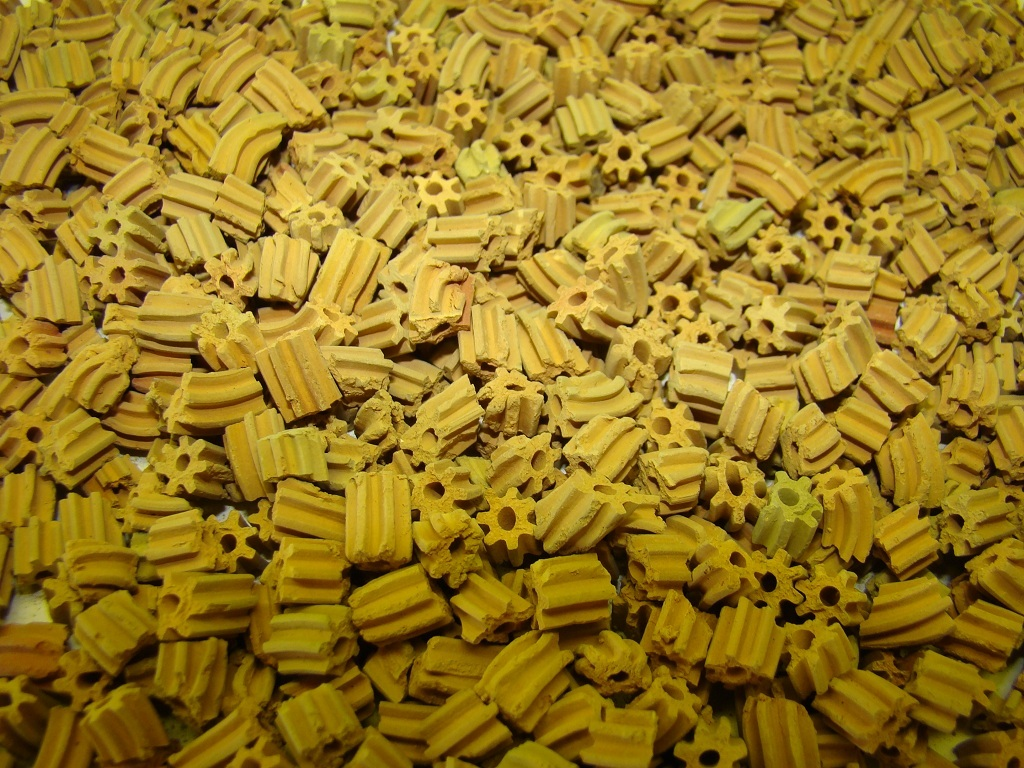
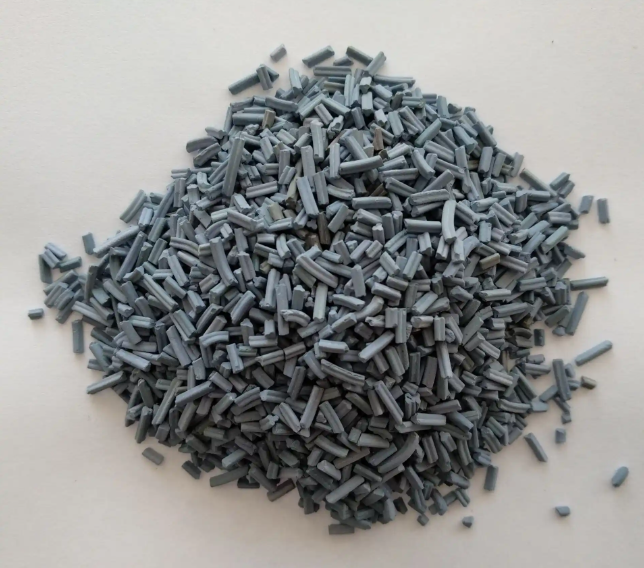
We map the measured profile against Hualian Catalyst‘s listed washcoat windows: Cu/zeolite at 190–550°C, vanadium-based metal oxides at 230–470°C, Fe/zeolite at 450–620°C, and Mn-containing oxides at 130–250°C. The Cu range spans moderate through high temperatures in the supplied information.
Vanadium overlaps much of its middle region, while Fe begins where the hotter portion of the Cu range lies. Mn covers a cooler band and may enter a separate low-temperature discussion. These numbers provide a shortlist. They are not a measured conversion curve or a universal ranking.
Consider an application spending much of its NOx-producing time around 300°C. Both Cu/zeolite and vanadium-based windows include that temperature, so the ranges alone cannot select the winner. The next comparison needs actual conversion data, thermal demands, and the rest of the system requirements.
For a cycle centered near 500°C, Cu and Fe windows overlap; again, peak temperature and duty distribution matter. A stated band is evidence of intended matching, not proof of identical behavior at every point inside it.
The lower temperature boundary requires separate verification. If repeated emissions occur around 170°C, the listed Mn-containing range includes that point while the other three start higher. That does not establish whole-cycle suitability, especially if the same engine later operates at temperatures above Mn’s listed upper bound.
The repeated cool points and hotter operating periods of an SCR diesel engine place separate demands on the candidate; a low starting temperature addresses only the first part.
Finish With Flow, Packaging, and Validation
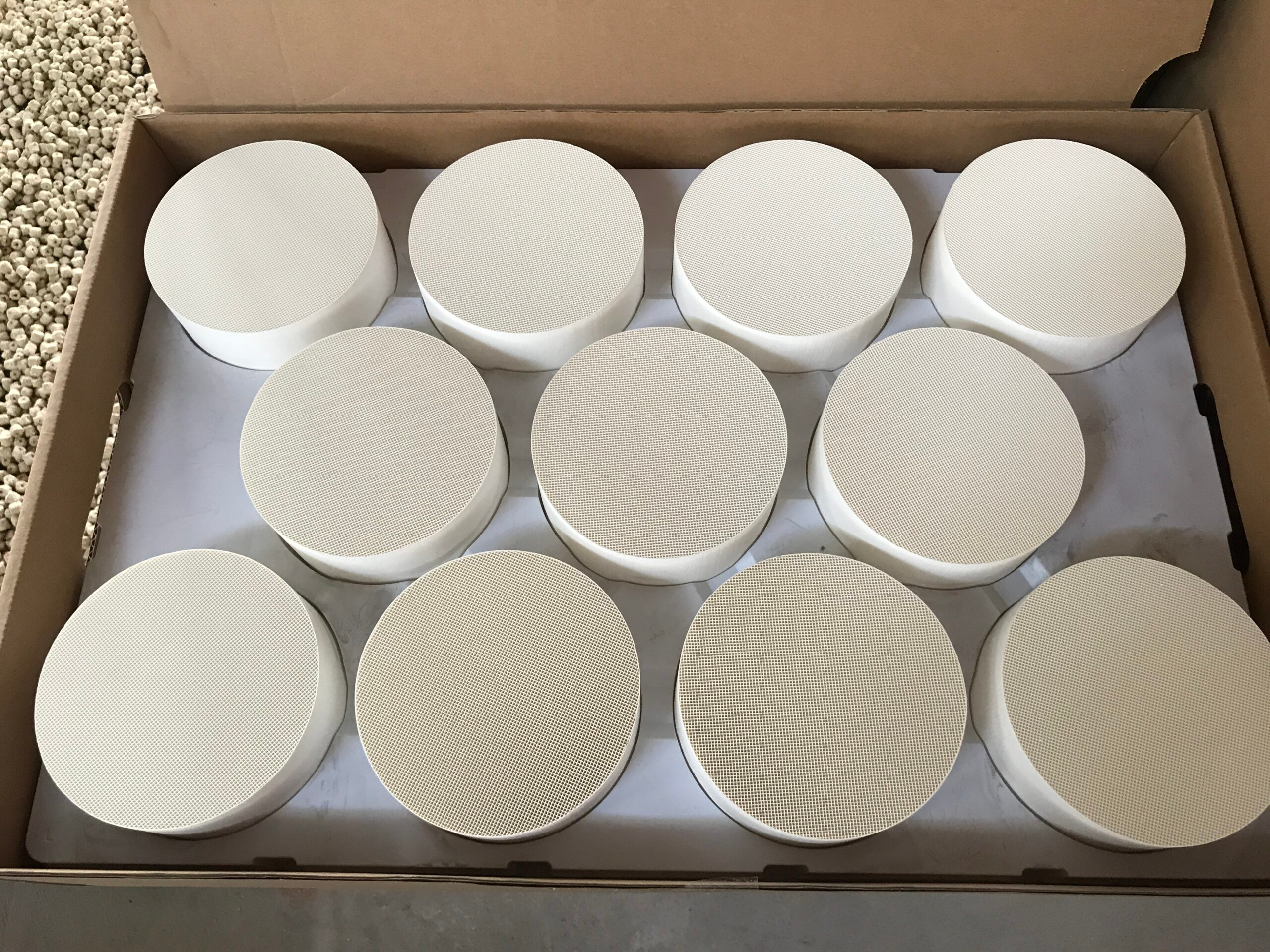
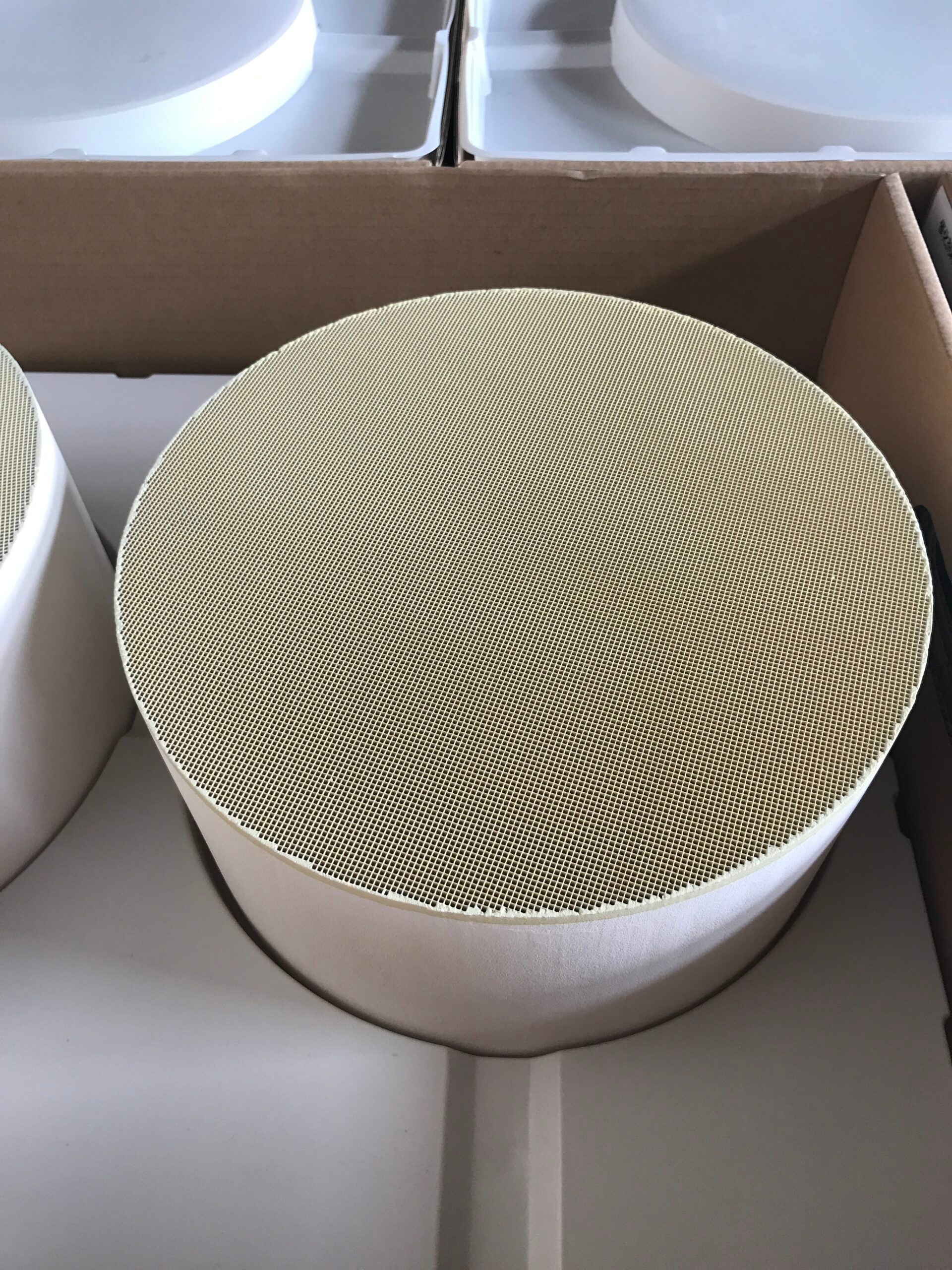
We design our ceramic honeycomb substrate for high surface area and low pressure drop. We can customize sizes, configurations, and active formulations for different engine systems. Once the temperature shortlist exists, those physical choices must be checked against exhaust flow and installation space.
A chemistry that fits the temperature record still needs a substrate that the gas can pass through at acceptable pressure loss. It also needs a configuration that can be mounted in the available envelope.
For a selective catalytic reduction catalyst proposal, we would keep the candidate formulation, honeycomb dimensions, and test conditions on the same comparison sheet. That prevents a change in size or flow from being mistaken for a chemistry effect.
It also makes the limits visible: the listed temperature windows guide the first cut, while engine-specific testing establishes performance under its dosing strategy, NOx mix, and duty cycle.
The final selection is the formulation and physical configuration that pass that combined test. A temperature profile narrows the field; overlap demands evidence; packaging determines whether the candidate can be used. Where the chemistry windows overlap, matched engine results decide between candidates; outside the overlap, the operating profile narrows the choice before testing begins.