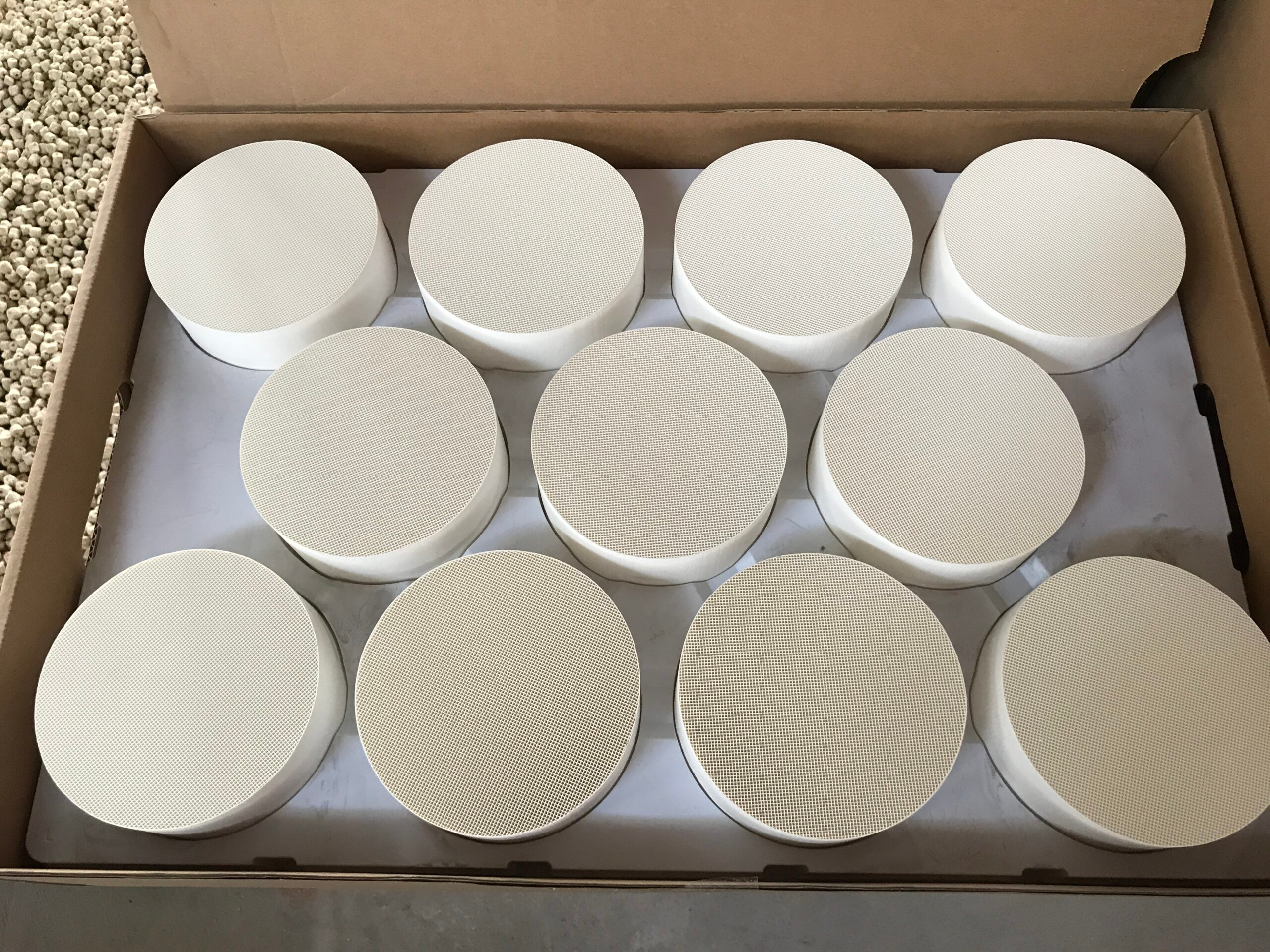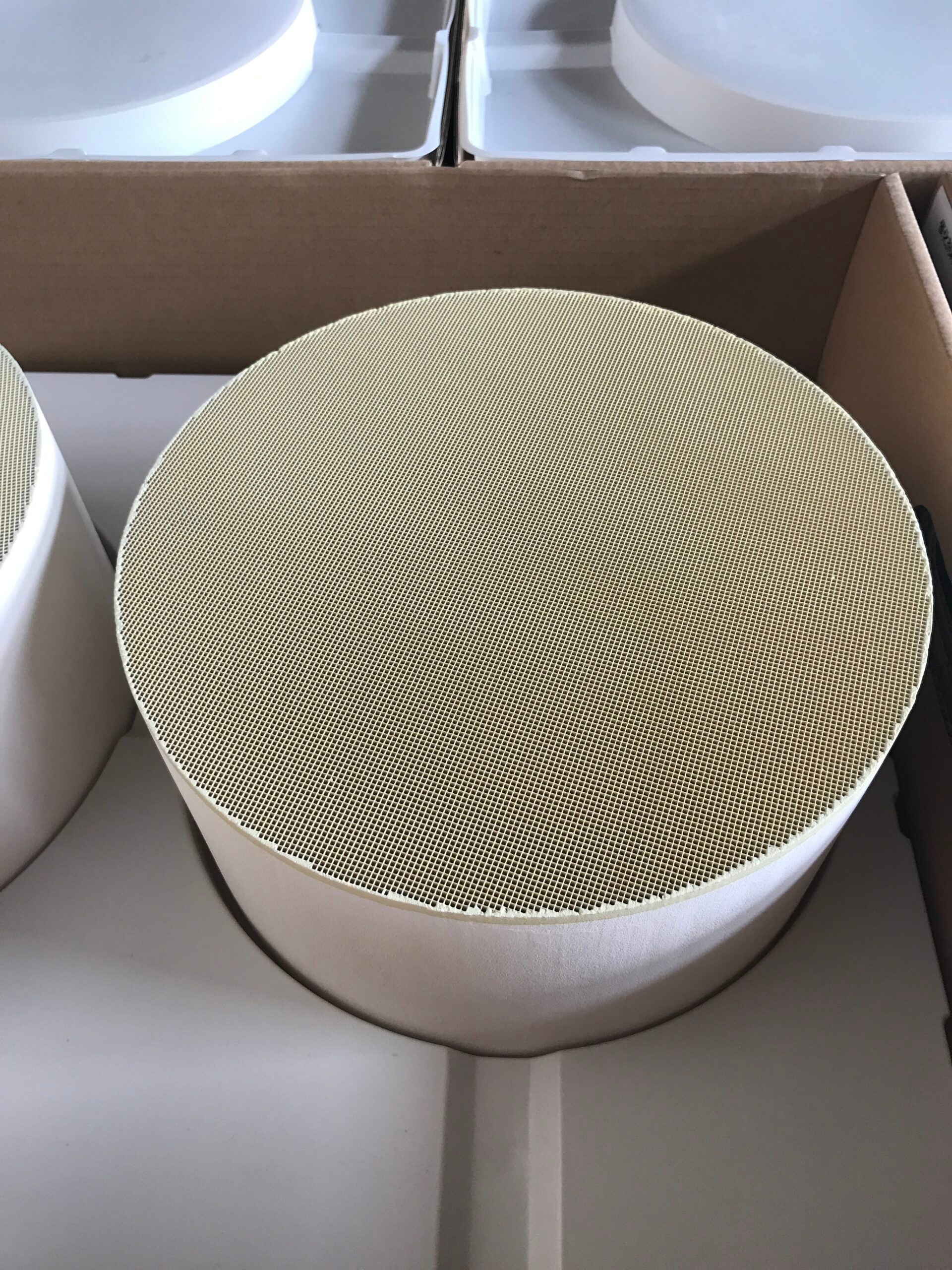
CPSI is a count of cells per square inch, but it is often read as though it were a conversion score. In a metallic catalytic converter, changing cell density alters the number and size of flow channels within a given cross-section.
That can change how gas contacts a coated surface and how much resistance the exhaust system experiences. Both outcomes are governed by the same geometry, so neither can be judged from the cell count alone. A useful CPSI comparison first specifies expected flow, substrate dimensions, and treatment target before asking whether a denser honeycomb is beneficial.
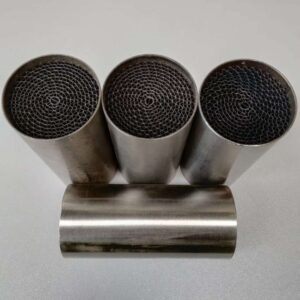
Read the Channel Geometry Behind the Number
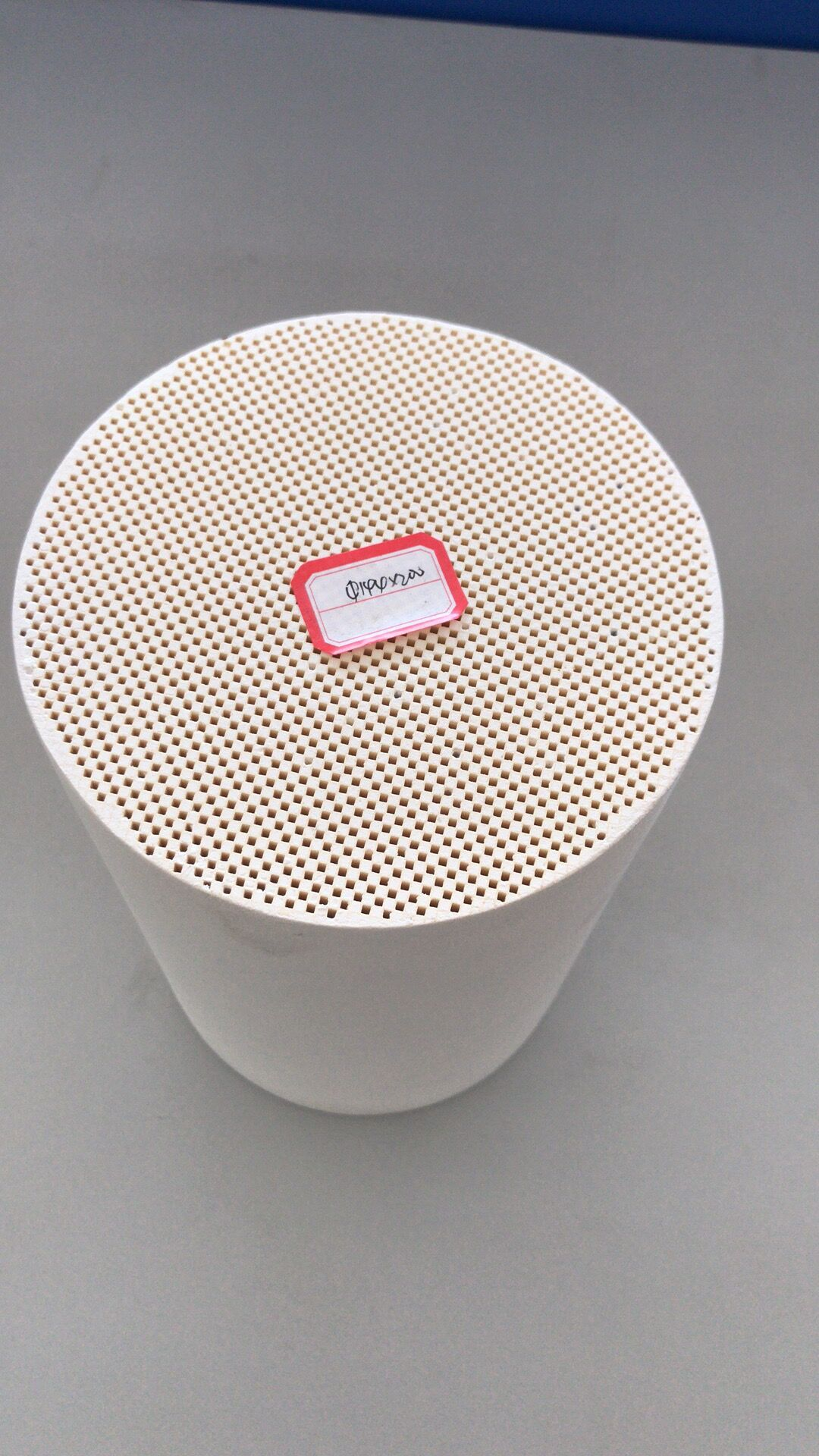
With a fixed frontal area, a different CPSI means a different channel pattern. Wall thickness, channel opening, substrate length, and coating also determine the free area available to gas.
Higher cell density may expose more wall surface within the same cross-section, but narrower passages can increase resistance. A 400 CPSI label, for example, does not reveal the actual pressure drop unless the rest of the substrate design and the test flow are known.
The diesel oxidation catalyst in an aftertreatment line must let exhaust pass across a range of engine loads. Velocity rises as flow increases, so a restriction that seems modest at one condition may matter more at another.
The inlet and outlet geometry can add losses beyond those produced within the honeycomb. Comparing two parts by CPSI alone ignores these surrounding features and may misidentify the cause of a high-backpressure result.
Claims about aftertreatment diesel oxidation catalyst conversion efficiency also require the reaction conditions to be stated. Cell density can alter contact opportunity, but it does not supply active coating chemistry, oxygen, or a useful temperature by itself.
If two converters differ in more than their cell pattern, a measured efficiency difference cannot be assigned to CPSI without further analysis. That distinction is central when a buyer is deciding whether a channel change solves the problem actually observed.
Balance Contact Opportunity Against Resistance
Conversion depends on gas reaching an active surface long enough for the relevant reaction under the available temperature and composition. Pressure drop reflects the effort needed to push that gas through the component. Altering the channel pattern can affect both at once.
More wall area may be attractive when contact is limited, but tighter passages can be costly when exhaust flow is high. A low-resistance design may improve flow while leaving too little useful contact if other dimensions are reduced.
The metallic catalytic converter is especially relevant where installation space and vibration constrain the substrate. Its structure still has to be judged within the exhaust system, not as a free-standing cell count.
The conversion target should identify the pollutant and duty cycle; the backpressure target should identify the flow at which it applies. Without those reference conditions, statements about aftertreatment diesel oxidation catalyst conversion efficiency and exhaust resistance are difficult to compare across products.
There is no automatic threshold at which an extra hundred cells becomes beneficial or harmful. Substrate diameter, length, wall construction, coating, and flow distribution may shift the balance.
A practical evaluation changes one feature at a time where possible or, when complete designs differ, documents all relevant differences. That prevents a result caused by size or coating from being attributed to CPSI merely because the cell count is prominent in the product name.
Use Listed Ranges as Starting Points for Design
Our Hualian Catalyst DOC range offers a concrete distinction: 200, 300, 400, and 600 CPSI are available across the ranges, while listed metal-DOC sizes use 200 and 300 CPSI. The distinction matters: it would be incorrect to treat the full DOC range as the standard metal-DOC range.
We design the honeycomb structure to maintain smooth exhaust flow with minimal pressure loss, and dimensions and CPSI can be customized to engine layout and regulatory requirements. That design intent still calls for evaluation under the target system’s conditions.
For a diesel oxidation catalyst application, we would begin with the expected exhaust-flow range, packaging envelope, and emission objective. A candidate cell density can then be assessed together with substrate size and pressure-loss allowance.
If the component must fit a smaller space, the geometry may need adjustment; the tradeoff should be checked against both flow and conversion. A selected CPSI is the result of that comparison, not a substitute for it.
The useful specification records the metal substrate’s actual dimensions, cell density, coating, operating temperature range, and flow points for backpressure assessment. It also identifies the pollutant and method behind a conversion claim. When those conditions are available, a buyer can compare alternatives without assuming that higher CPSI always improves one outcome or necessarily worsens the other.
Cell density describes a structure, not a complete performance result. It can influence contact and resistance in opposing ways, while the coating and operating conditions determine what that contact achieves. A metallic converter should be selected from comparable flow and emissions evidence, with CPSI treated as one of the variables that produced the measured outcome.