A light-off temperature looks like a single property of a DOC, yet the number has little meaning without a test condition. Exhaust composition, flow, the conversion criterion, and the way the substrate warms all affect what an observer calls light-off. An engine that remains cold for long periods raises a different concern from one that quickly settles into hot operation.
The useful question is therefore how a diesel oxidation catalyst reaches an effective reaction condition in the intended duty cycle. Equally important is what evidence supports the temperature quoted for that catalyst. The DOC information we provide does not include a single universal light-off value.
Define the Temperature Being Compared
Light-off describes the point in a specified test at which catalytic conversion reaches a defined level as temperature rises. A reported figure needs the measured pollutant, the conversion threshold, and the gas-flow and heating conditions before it can be interpreted.
Without those details, two figures can appear to conflict even when the underlying tests examined different conditions. In service, the exhaust also changes over time rather than following a laboratory ramp perfectly.
A diesel oxidation catalyst light off temperature should not be confused with the maximum temperature its substrate can tolerate. The first concerns when a reaction reaches a chosen level of activity; the second concerns material durability.
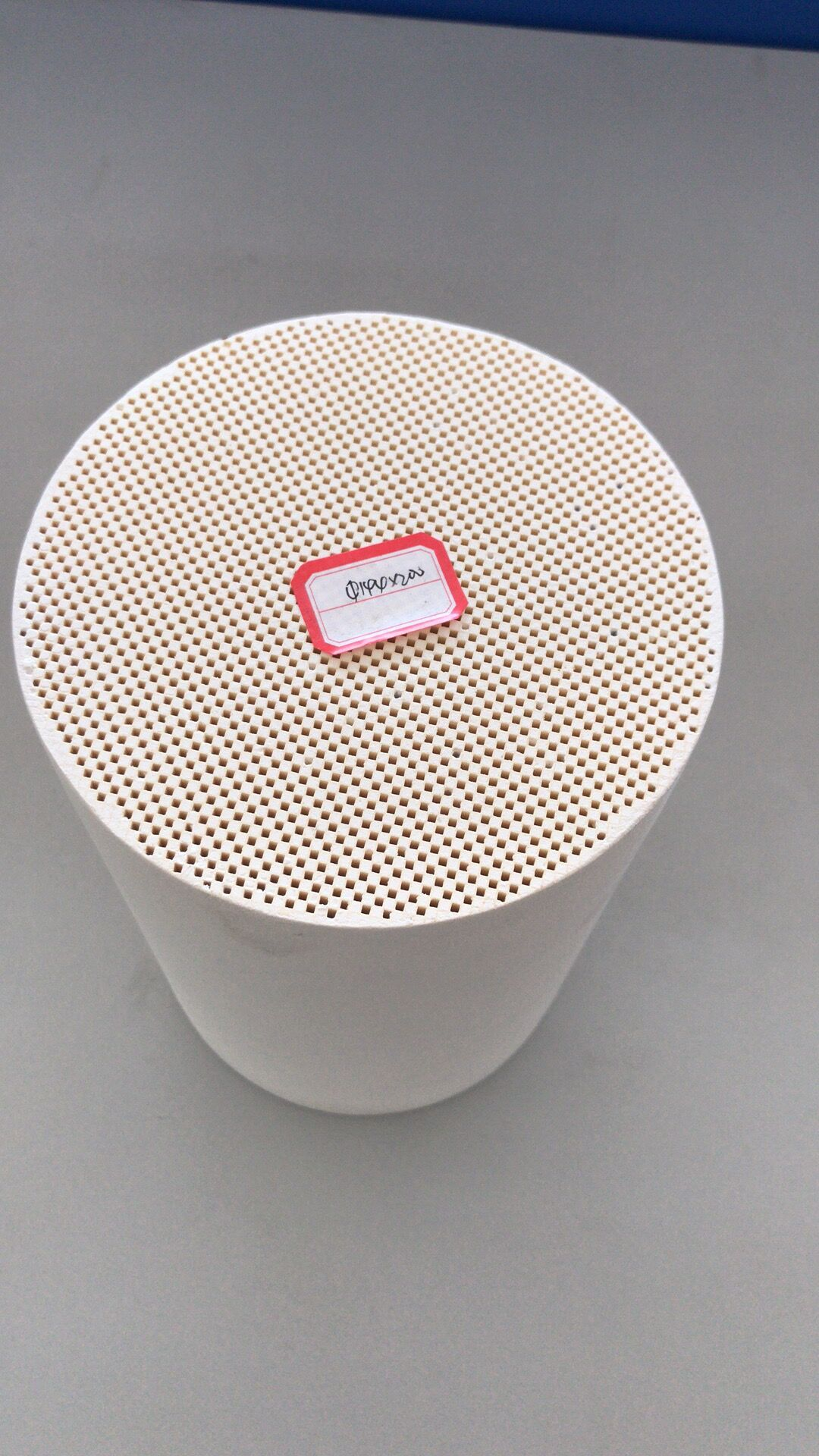
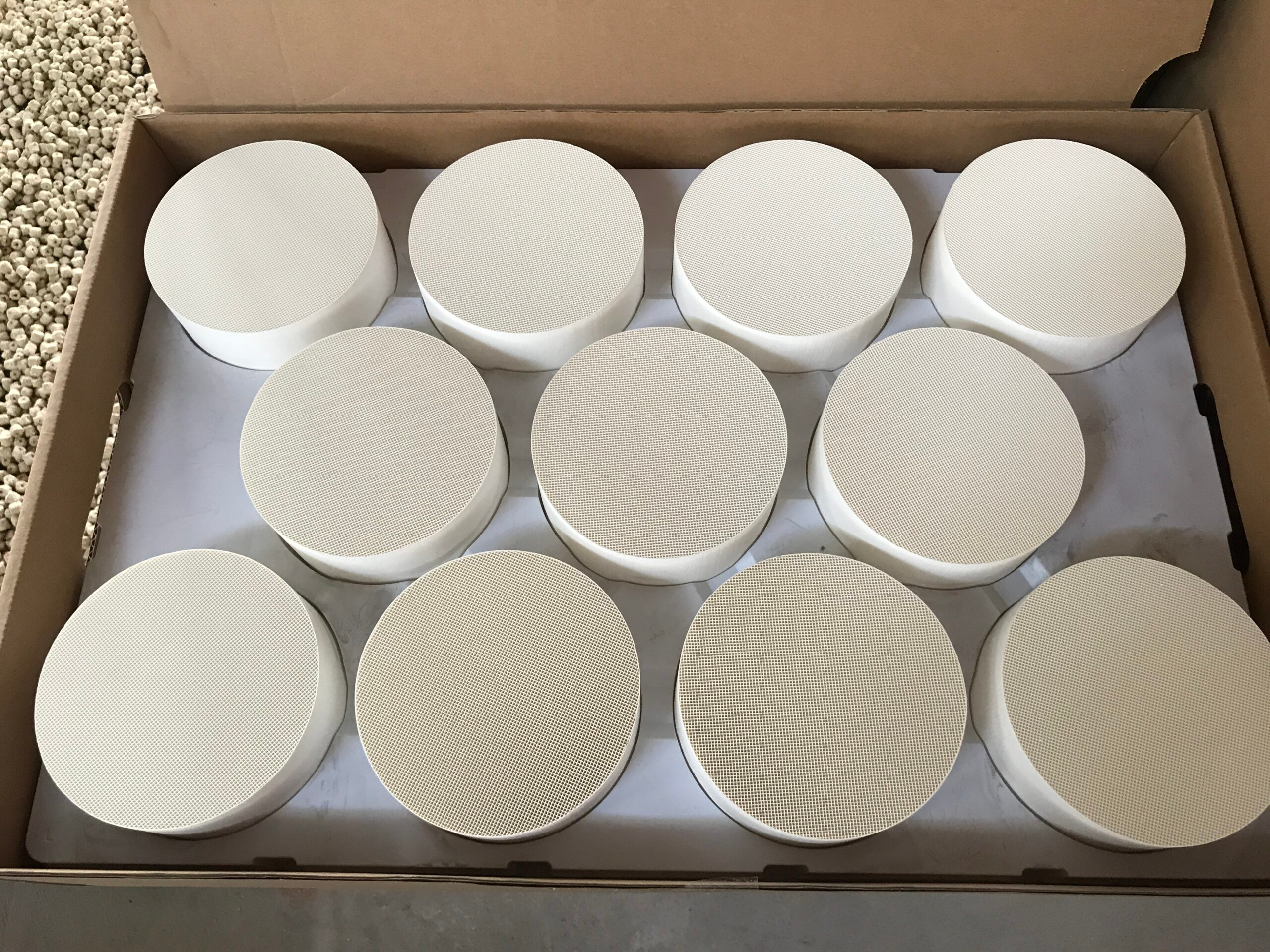
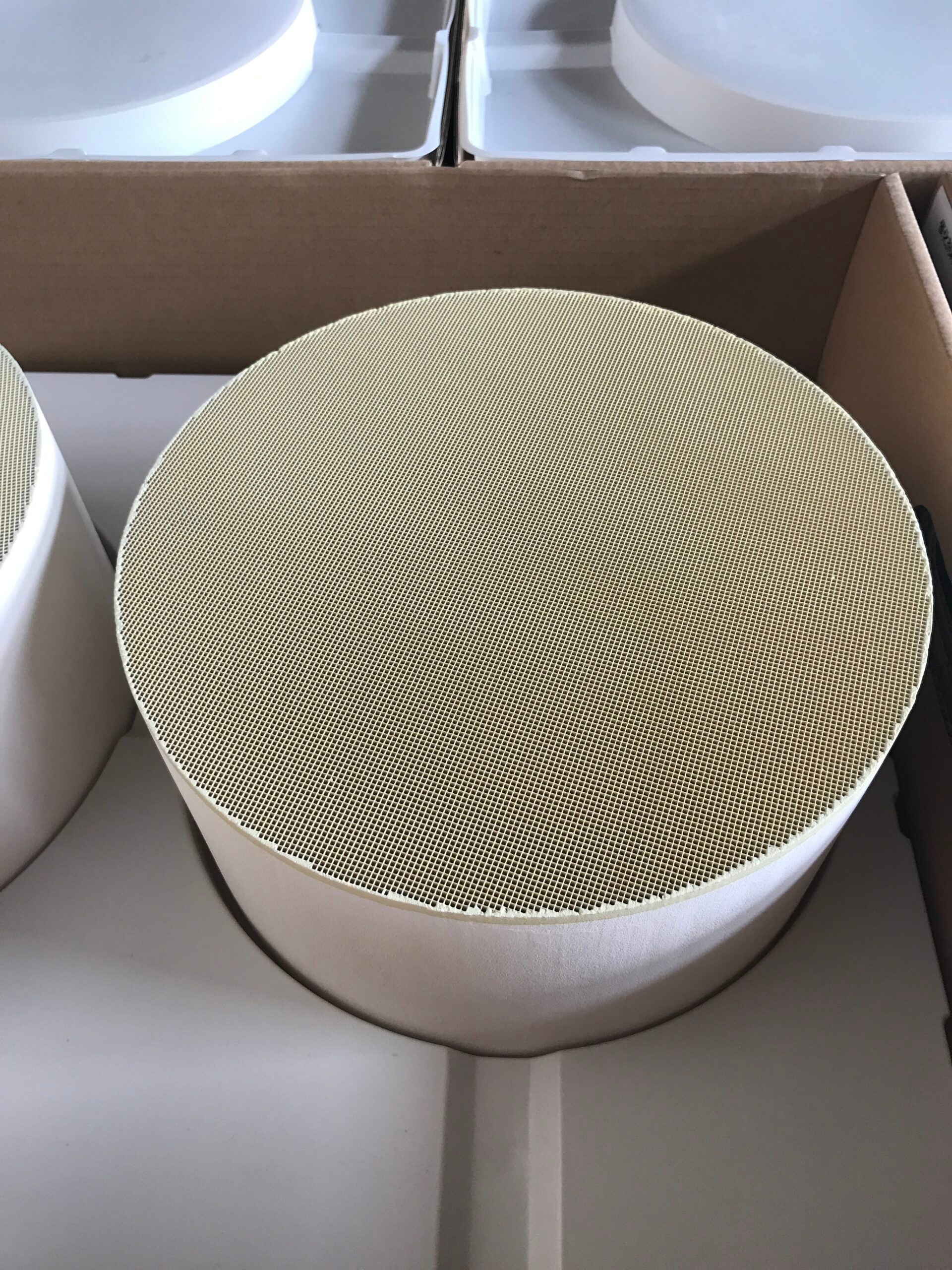
Our supplied product information describes a substrate for exhaust temperatures above 600°C, but it does not say the DOC begins working at 600°C. Nor does that thermal-tolerance statement provide a T50 or any other conversion benchmark. Keeping the two claims apart prevents an installation specification from becoming a misleading performance claim.
The pollutant matters as well. A test for CO conversion need not produce the same light-off figure as a test for hydrocarbons. Exhaust oxygen and the amount of each reactant also shape the observed result. A buyer evaluating a stated number should know which reaction it represents and whether the test resembles the engine’s cold-start and low-load conditions.
Account for the Substrate’s Warm-Up Behavior
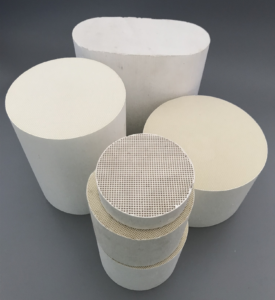
Heat must reach the active coating before the expected oxidation reactions can proceed at useful rates. Substrate material affects that journey. Metallic DOC substrates conduct heat more readily than the ceramic alternatives described in the supplied information, and they are associated with faster light-off.
This is particularly relevant in frequent start-stop operation, where the component repeatedly warms and cools rather than remaining at a stable high temperature.
The diesel oxidation catalyst light off temperature observed in one installation may still shift when mounting, exhaust routing, or operating cycle changes. Heat is transferred from moving exhaust to the substrate, while the surrounding structure can also absorb or lose it.
A metal substrate’s faster thermal response is a reason to examine it for some applications, not a guarantee of a fixed numerical advantage under every test. The coating and gas composition still influence the measured conversion.
Higher thermal conductivity and faster light-off are the relative advantages we state for our Hualian Catalyst metallic DOC substrates compared with ceramic options. That comparison helps frame a material decision, but we do not have a universal light-off temperature in the supplied DOC page.
For an engine project, the meaningful next step is to define the target pollutant, flow, and heating profile before comparing test results. A relative material description should not be converted into a product-specific temperature without supporting data.
The position of a temperature measurement also changes what can be inferred from it. Exhaust temperature upstream of the DOC is an input to the component, while the coating and substrate warm according to heat transfer through the installed structure.
A reading at one location therefore does not automatically describe the temperature of every active surface. During a short operating event, the distinction can be especially consequential: the gas may warm before the full substrate reaches the same state. A reported light-off test needs enough context to show which temperature was measured.
Consider Coating Durability and Test Context
Initial warm-up is only part of the picture. A coating must remain attached and resist degradation during repeated thermal exposure if its reaction behavior is to remain useful over time. Our catalyst layer is described as designed for strong adhesion and resistance to thermal degradation.
Those properties address durability; they do not specify a light-off number or guarantee that activity remains unchanged under every service condition. The relevant evidence would depend on the intended temperature cycle and duration of use.
For a diesel oxidation catalyst, test reports are most informative when they identify the same conditions that matter in the application. A cold-start concern calls for information about warm-up and low-temperature conversion, while a high-temperature duty raises durability questions.
A single headline value cannot answer both. Comparing substrate types, coatings, and operating cycles on a common basis makes the reported result practically interpretable
No universal temperature can replace that context. The phrase diesel oxidation catalyst light off temperature should point to a defined measurement, not an assumed property detached from pollutant, flow, and test method.
Our DOC range provides material and coating descriptions; a specific engine’s light-off figure must instead come from a measurement tied to its pollutant, flow, and temperature cycle.