A compact diesel machine may shake through its working day and cool between frequent starts. A larger installation might hold a steadier temperature and have more space around the exhaust line. The substrate choice in a DOC looks different in those two settings, even if both devices treat the same kinds of emissions.
Ceramic and metallic materials do not supply a universal ranking; they answer different thermal, mechanical, and packaging demands. Warm-up frequency, vibration, and available space set the order in which those material properties matter.
Ceramic Strengths Depend on the Duty
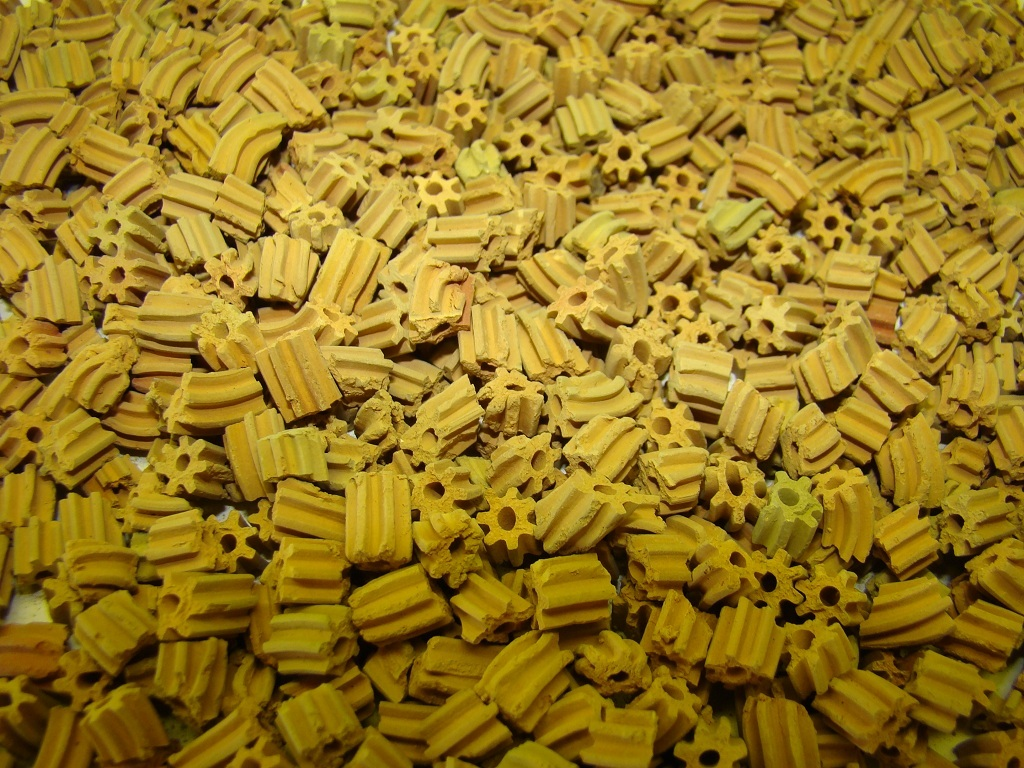
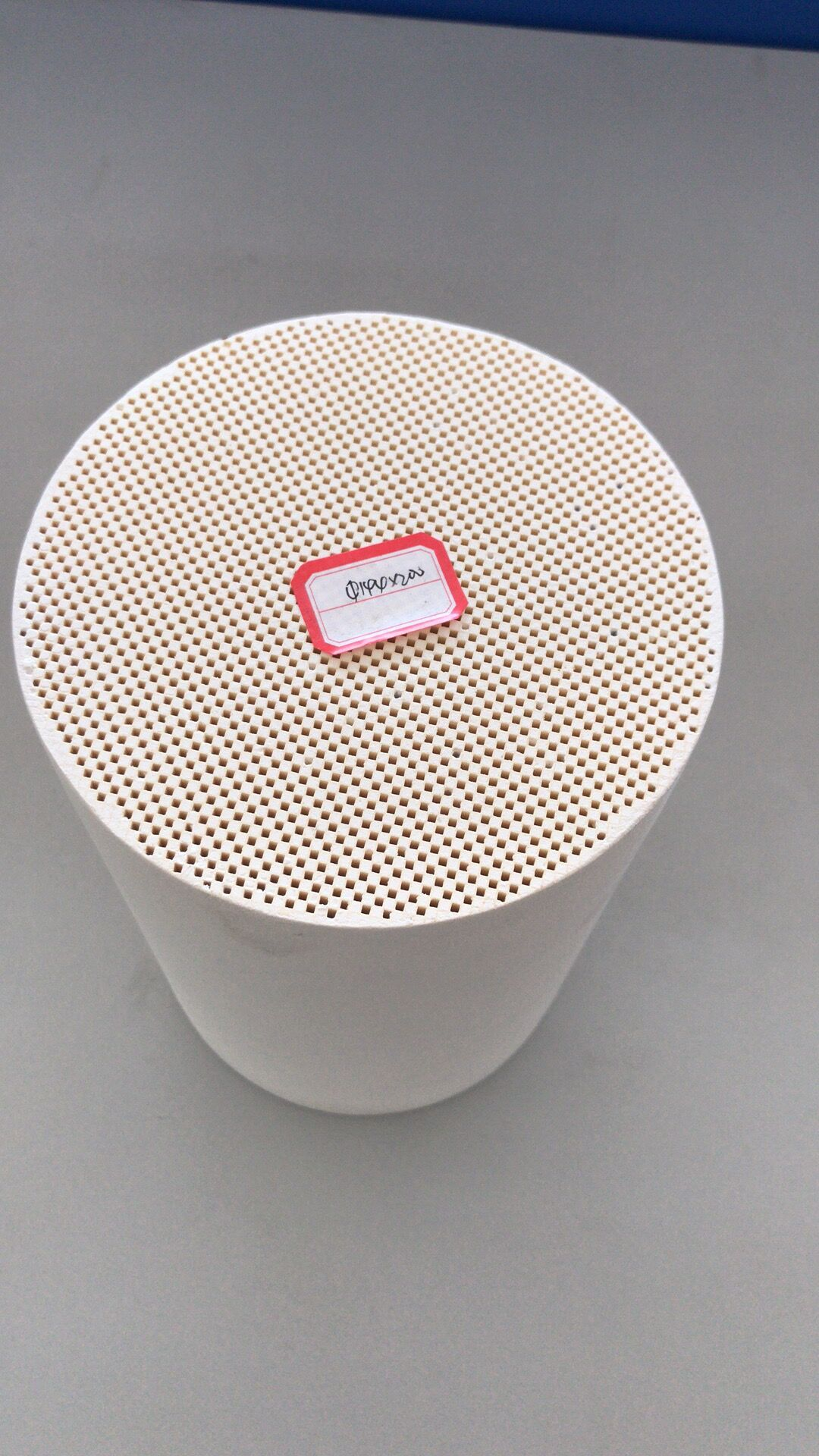
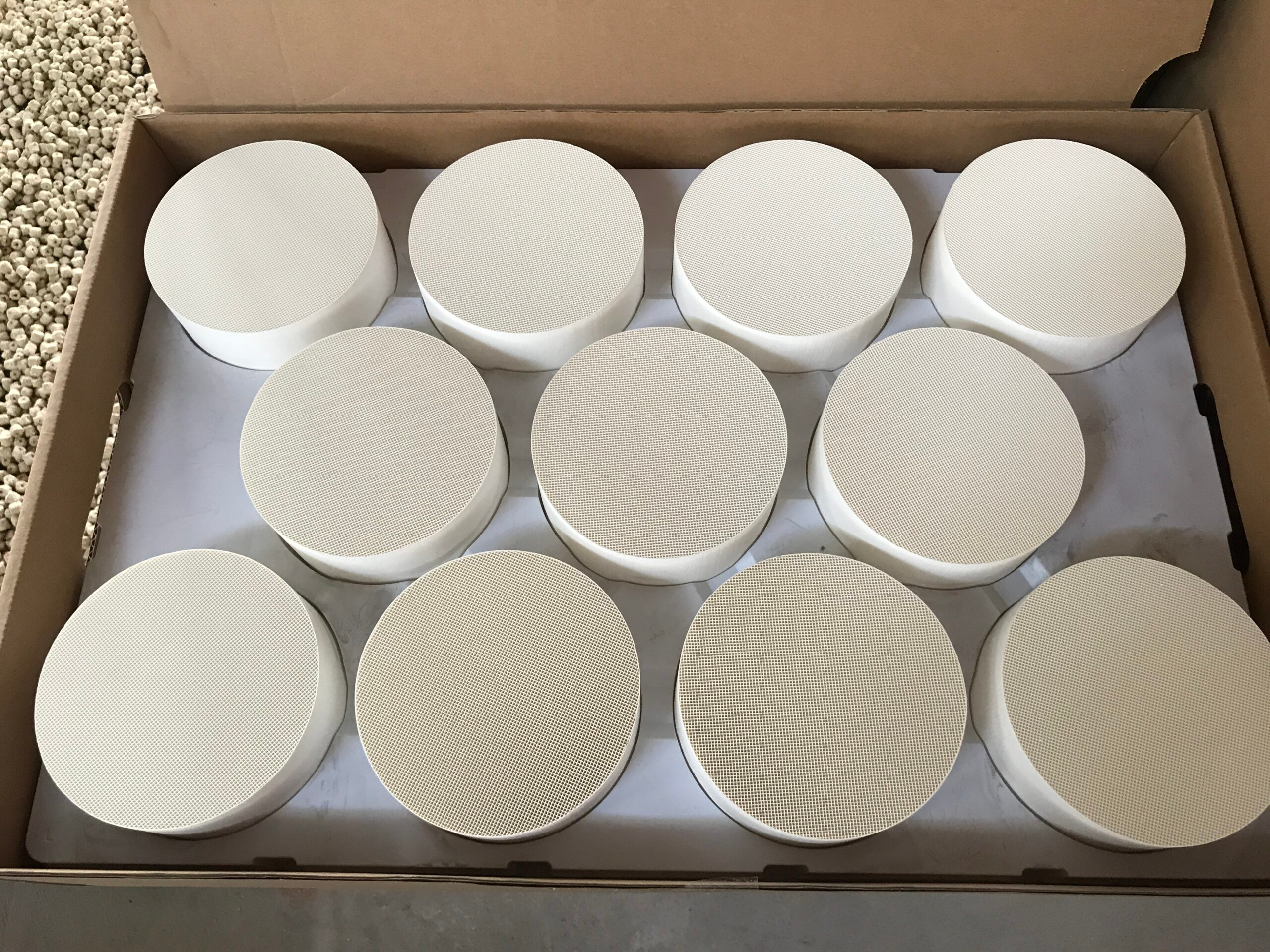
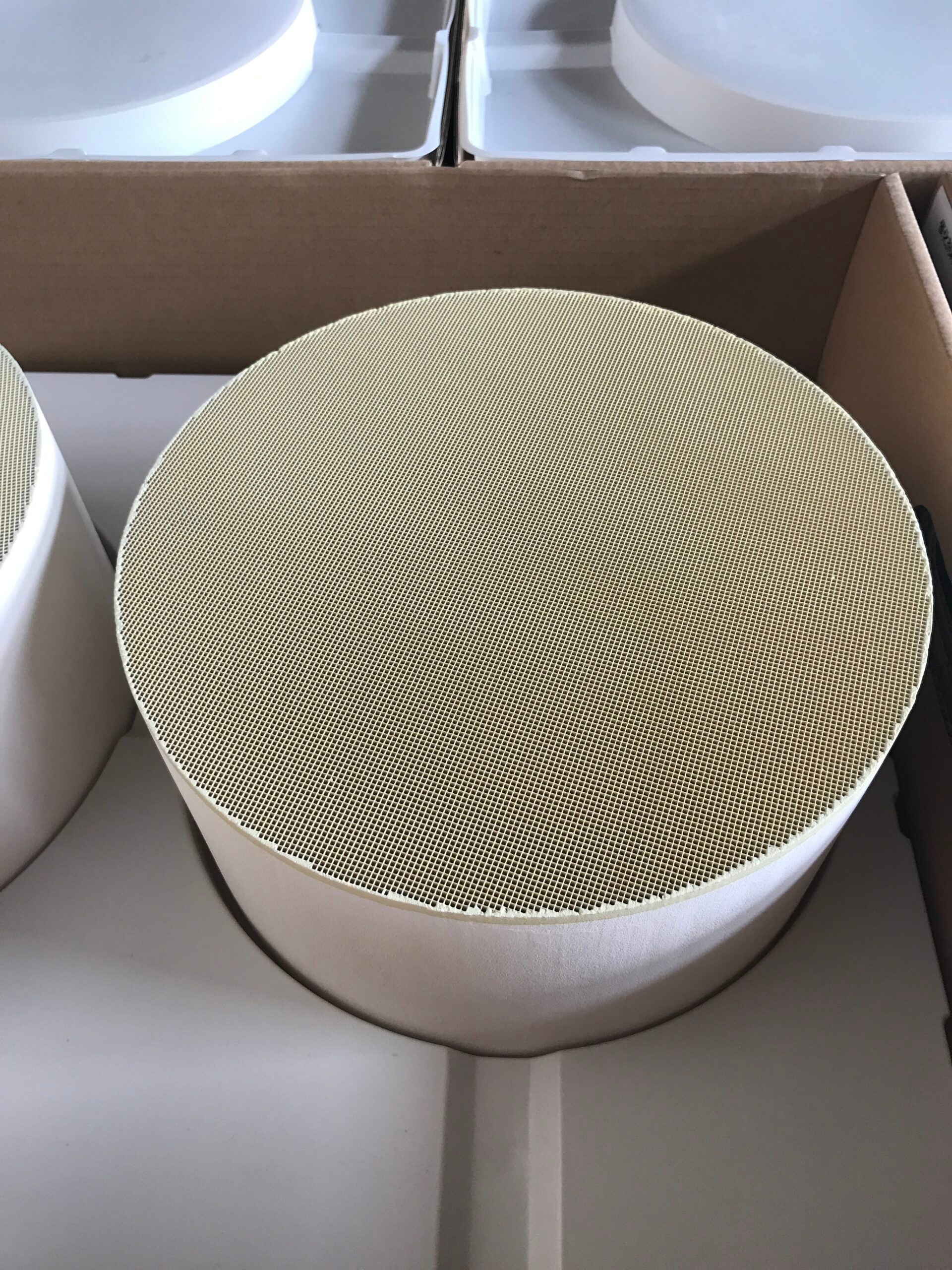
Cordierite and SiC are ceramic options for a doc catalyst. Ceramic substrates can offer thermal stability and a cost-conscious route for suitable applications. That description needs context.
An engine that holds a relatively stable operating condition presents a different thermal cycling profile from an engine that repeatedly starts cold and stops before the system settles. Installation space and expected vibration also affect whether a proposed ceramic design is appropriate. Material names alone cannot resolve those operating differences.
Heat resistance is especially relevant when the component faces sustained exhaust temperature. The substrate has to retain its structure while the coated channels remain accessible to gas. Thermal behavior, however, is not the only criterion.
A ceramic part still needs dimensions, support, and mounting suited to the system. A low material price cannot justify a poor physical fit if the exhaust layout requires substantial alteration or if the selected geometry produces unacceptable restriction
Cordierite and SiC are the ceramic DOC materials we offer through Hualian Catalyst. We discuss their heat resistance and cost effectiveness in relation to the application rather than treating those properties as a guarantee for every duty cycle.
A buyer can supply its operating temperatures, installation envelope, and expected vibration so the material discussion refers to actual service conditions. The choice remains an engineering comparison, not a contest over one material label.
Metallic Advantages Under Motion and Frequent Starts
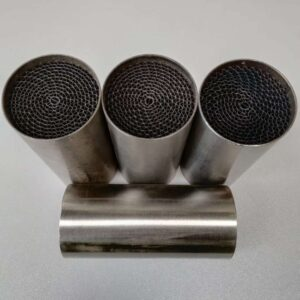
Metal substrates conduct heat more readily and have greater mechanical strength than the ceramic options described in our source material. Faster heat transfer can matter when the exhaust system repeatedly warms from a cold state.
Strength can matter when the component sits in a compact, high-vibration location. These advantages are most useful when the duty cycle and mounting arrangement put those properties to work; a stable installation with ample room may weigh other considerations more heavily.
For a diesel oxidation catalyst, faster light-off means the system reaches a useful oxidation condition sooner under the relevant test conditions. It does not mean that a metal substrate guarantees the same conversion at every temperature.
Coating formulation, gas composition, and the duration of each operating phase remain part of performance. If a machine spends much of its time at low load, the temperature history deserves as much attention as the moment when the engine first starts.
Our metallic DOC options are intended for use in compact installations with high vibration and frequent start-stop operation. The higher thermal conductivity and mechanical strength described for them explain that positioning.
A doc catalyst installed in such a location must also meet the available dimensions and acceptable exhaust resistance. Material choice solves only part of the problem if the resulting substrate cannot be packaged or if the flow path is too restrictive for the engine.
Check the Complete Installation Before Committing
Size and CPSI can be customized for our ceramic and metallic DOC options. Those choices determine the channel arrangement and must be considered with the available space, expected flow, and desired treatment duty.
A proposed material can be suitable in principle but unsuitable at the dimensions a particular machine permits. Likewise, two substrates with the same external shape need not have the same channel geometry or thermal response. This is why the comparison must reach beyond the material name and examine the complete installation
An installation review can make the comparison concrete. Record where the converter sits, how it is supported, how much room is available around the housing, and whether the exhaust line transmits repeated motion to the part.
Then compare the candidate substrates at the same flow and temperature conditions. For a diesel oxidation catalyst, this keeps a material advantage from being confused with a change in size or location. It also makes a later test result easier to interpret if the selected configuration is revised.
The useful decision record states which condition drives the choice. Frequent cold starts may make warm-up behavior prominent. Strong vibration may elevate mechanical durability. A steady thermal load and cost limit may favor a different balance.
A diesel oxidation catalyst selection can then be discussed in terms of these dominant constraints while the other requirements remain visible. If tests or application data are available, the candidates should be compared at matching flow, temperature, and installation conditions.
An exhaust system rarely offers complete freedom to choose material first and solve everything else later. A size or CPSI request gains engineering meaning from the stated duty cycle and physical layout; those inputs define the ceramic and metallic options we can discuss.
The outcome sought is a DOC that fits the installation and the operating pattern, rather than a blanket claim that ceramic or metal is always better.